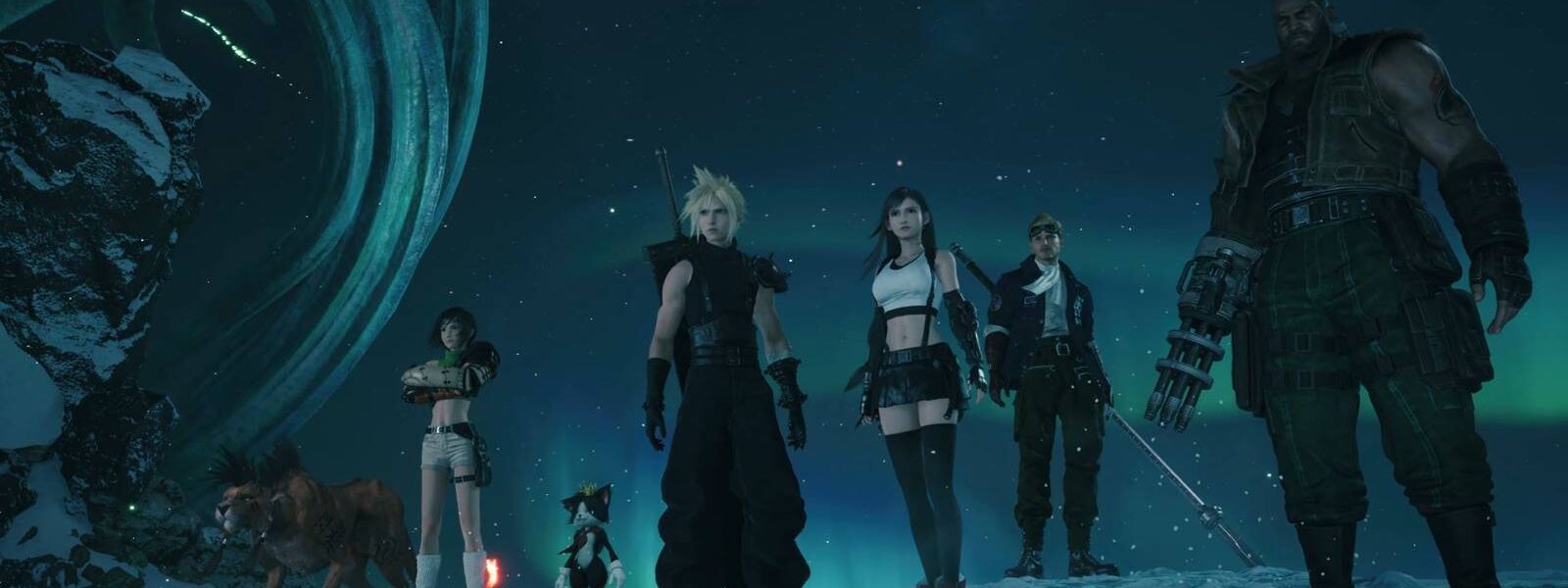
There are already many ways that the <em>Final Fantasy 7 Remake</em> trilogy has diverged from the original game. This includes significant changes, such as Zack Fair’s much larger role and the alternate worlds we encounter. It also encompasses smaller alterations, like the introduction of characters who first appeared in Final Fantasy 7 spinoffs, now integrated into the original game’s storyline. Due to these modifications, fans have been speculating since the release of the first game about how else the trilogy might transform the events of the original Final Fantasy 7 narrative.
Altering the original Final Fantasy 7 presents a double-edged sword. On one hand, crafting a new narrative helps validate the remake’s existence both narratively and mechanically. One could argue that merely retelling the same story as the original could risk making the remake trilogy feel excessive and unnecessary. Conversely, it is crucial to maintain what fans cherished about the original and not stray too far from its core themes. I considered this when forming my theories about what might come to fruition.
It is also important to note that it has been confirmed that Final Fantasy 7 Revelation has only one ending, regardless of player choices. This means I have dismissed any theories suggesting multiple endings, as we now know those are officially off the table.
FF7’s Alternate Timeline Are Actually Just Worlds Within The Lifestream
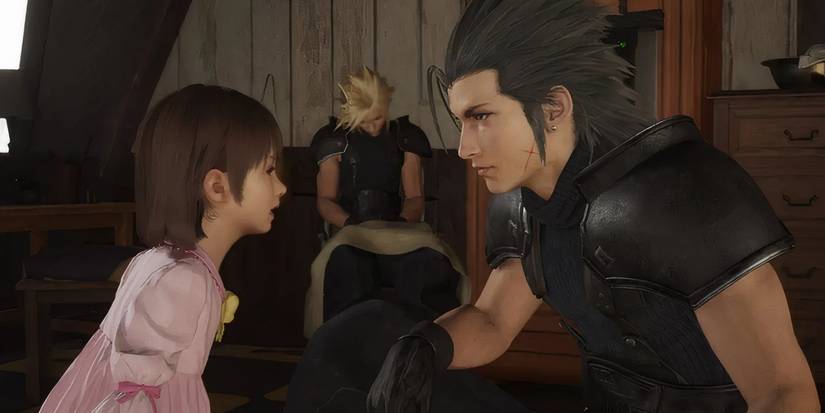
One of the most significant new elements in Final Fantasy 7 remakes is the alternate timeline featuring Zack Fair. This world includes several characters, such as Zack, Aerith, and Biggs, who are all deceased in the original continuity but alive in this alternate realm. This has sparked considerable speculation regarding the role this alternate timeline may play in the overarching narrative. After all, we see Zack and Aerith assisting the party in their battle against Sephiroth at the conclusion of Final Fantasy 7 Rebirth, despite both being dead in the primary timeline.
Numerous theories have emerged regarding these alternate timelines, but I find one particularly compelling: they may simply be worlds existing within the Lifestream. We know that when someone dies in Final Fantasy 7, their soul returns to the Lifestream. The worlds inhabited by characters like Zack might just be where souls go after death.
Thematically, this concept aligns well with the notion of the Lifestream and how the planet defends itself against Sephiroth. With Zack’s soul returned to the Lifestream, his reappearance to confront Sephiroth parallels how the planet manifests Weapons to protect itself from existential threats.
This theory raises some questions since we also observe living character versions in these alternate worlds, suggesting it can’t strictly be an afterlife scenario. Some speculate that these other worlds represent possible timelines that could have existed but still reside within the Lifestream, which seems like a plausible explanation.
Tifa Was Saved By The Weapon Because The Planet Understands Her Importance
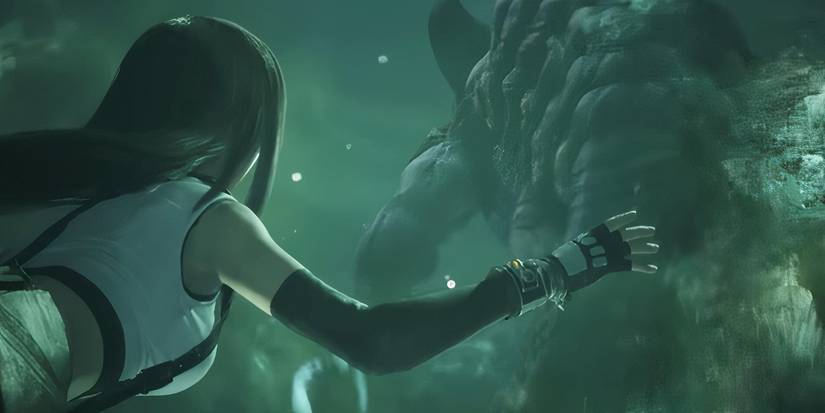
In Final Fantasy 7 Rebirth, there is a scene where Tifa is engulfed by one of the Weapons and safely held within its body. What is peculiar about this moment is that, in the original Final Fantasy 7, Weapons regard all humanity as a threat to the planet, not just Sephiroth. This has led some players to wonder why this Weapon in FF7 Rebirth would protect Tifa and then return her to her party unharmed.
A plausible theory suggests that Weapons recognize Tifa’s crucial role in protecting the planet. It is evident that Whispers possess a non-linear understanding of time and are attempting to shape events accordingly. Additionally, Whispers appear connected to Weapons. When Sephiroth strikes a Weapon in FF7 Rebirth, Whispers emerge from its body as if they are part of it.
If Weapons like Whispers comprehend future events and actively aim to influence outcomes, it stands to reason they would understand Tifa’s importance in aiding Cloud and others to safeguard the planet. This would clarify why it protects her—because safeguarding her equates to protecting the planet.
Aerith Will Come Back To Life
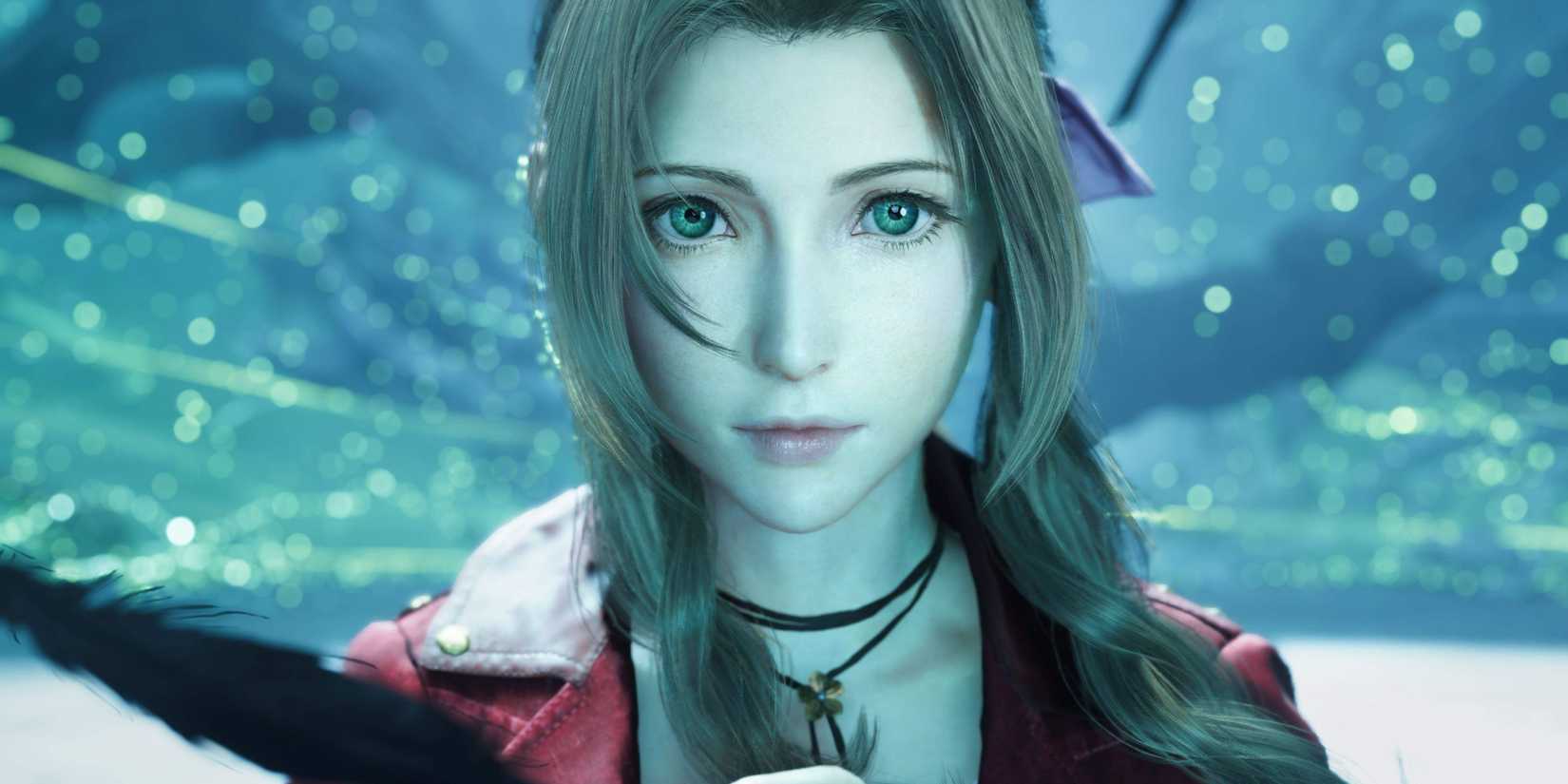
Theories about saving Aerith have existed almost as long as Final Fantasy 7. Even at its initial release, there were numerous speculations on how players might save everyone’s beloved flower girl. With the Final Fantasy 7 Remake trilogy clearly unafraid to make changes to its original narrative, fans’ hopes for Aerith’s potential salvation have been reignited.
The majority of theories regarding Aerith’s return focus on her presence in an alternate reality and her appearance during the final boss fight of FF7 Rebirth. Clearly, Aerith still exists in some capacity despite her demise at Sephiroth’s hands within the main continuity. While I believe it’s plausible we will witness an ending indicating Aerith still lives somehow, I don’t anticipate one that reunites her with her party.
If we analyze alternate worlds within Final Fantasy 7 Rebirth from an abstract viewpoint, they seem to symbolize how someone can continue existing after death. I believe this will be true for Aerith, regardless of her specific fate within that alternate world. We may receive some indication that Aerith remains alive in some form, perhaps within the Lifestream. This allows for preserving the tragedy of her death while still providing her character with a semblance of a happy ending.
FF7 Revelation’s Sephiroth Already Knows How The Original Story Ended
If you are familiar with Final Fantasy 7‘s lore, you may know that Sephiroth isn’t entirely gone following events from the original game. In Final Fantasy 7: Advent Children, Sephiroth returns through characters Kadaj, Loz, and Yazoo who attempt to resurrect him and nearly succeed. Some fans theorize that it is actually this version of Sephiroth we confront in the Final Fantasy 7 Remake trilogy.
Similar to Aerith, there are instances where Sephiroth appears almost prescient about upcoming events within Final Fantasy 7 Remake. Some fans believe this indicates that this version of Sephiroth is not experiencing these events for the first time but has instead traveled back to change history’s course. This could explain his antagonism towards Whispers as he seeks to alter his fate.
The theme of fate recurs throughout Final Fantasy 7 Rebirth. While Aerith seems to accept hers, it would create a meaningful contrast if Sephiroth actively resisted his own fate. In a narrative presenting a non-linear perspective on time, it makes sense for a hero to impart lessons about accepting life as it is while a villain struggles against their ultimate demise—teaching us not to dwell on past mistakes but rather continue moving forward.
Tifa And Scarlet’s Iconic Slap Fight Will Be A Full On Brawl
Not every moment in Final Fantasy 7 holds critical importance, so not all theories regarding potential changes made by the remake trilogy are equally dramatic. Nevertheless, I find this theory noteworthy because it seems most likely to materialize. This theory revolves around Tifa’s original slap fight with Scarlet, Shinra’s executive director of weaponry.
The pair simply slaps each other back and forth during their encounter in the original game—a somewhat comedic scene that now feels outdated and somewhat sexist. At this point, Tifa has proven herself an incredibly capable warrior, making her resorting solely to slapping someone seem out of character. Fans have speculated that we will witness a more substantial confrontation between them in the remake.
The <em>Final Fantasy 7 Remake </em> trilogy has established a pattern of expanding minor moments from its predecessor into more elaborate scenes. Therefore, it is entirely believable that what was originally just a slap fight could evolve into an intense boss battle. This would not only honor Tifa as a formidable warrior but also portray Scarlet as more than just an obstacle—reflecting her development across previous games.