

What defines S. Craig Zahler’s Westerns?
- Zahler’s style combines traditional Western settings with deliberate pacing, vivid dialogue and extreme violence.
- First feature Bone Tomahawk follows Sheriff Hunt and a rescue party into a story that shifts from Western to horror.
- Related stories Zahler’s novels A Congregation of Jackals and Wraiths of the Broken Land share thematic ground with the film.
- Audience fit Zahler’s Westerns may appeal to viewers seeking uncompromising frontier stories, but their graphic violence is not for everyone.
This overview explains how S. Craig Zahler approaches the traditional Western, using Bone Tomahawk and his related writing to help readers assess his distinctive mix of frontier drama and horror.
Who is S. Craig Zahler, and what makes his Westerns distinctive?
S. Craig Zahler is a writer and director whose work pairs measured storytelling and stage-like dialogue with harsh violence. His Westerns offer a distinct alternative to modern genre homages, and this overview examines the films and books that illustrate that approach.
Zahler’s Westerns combine deliberate pacing, theatrical dialogue and graphic violence.
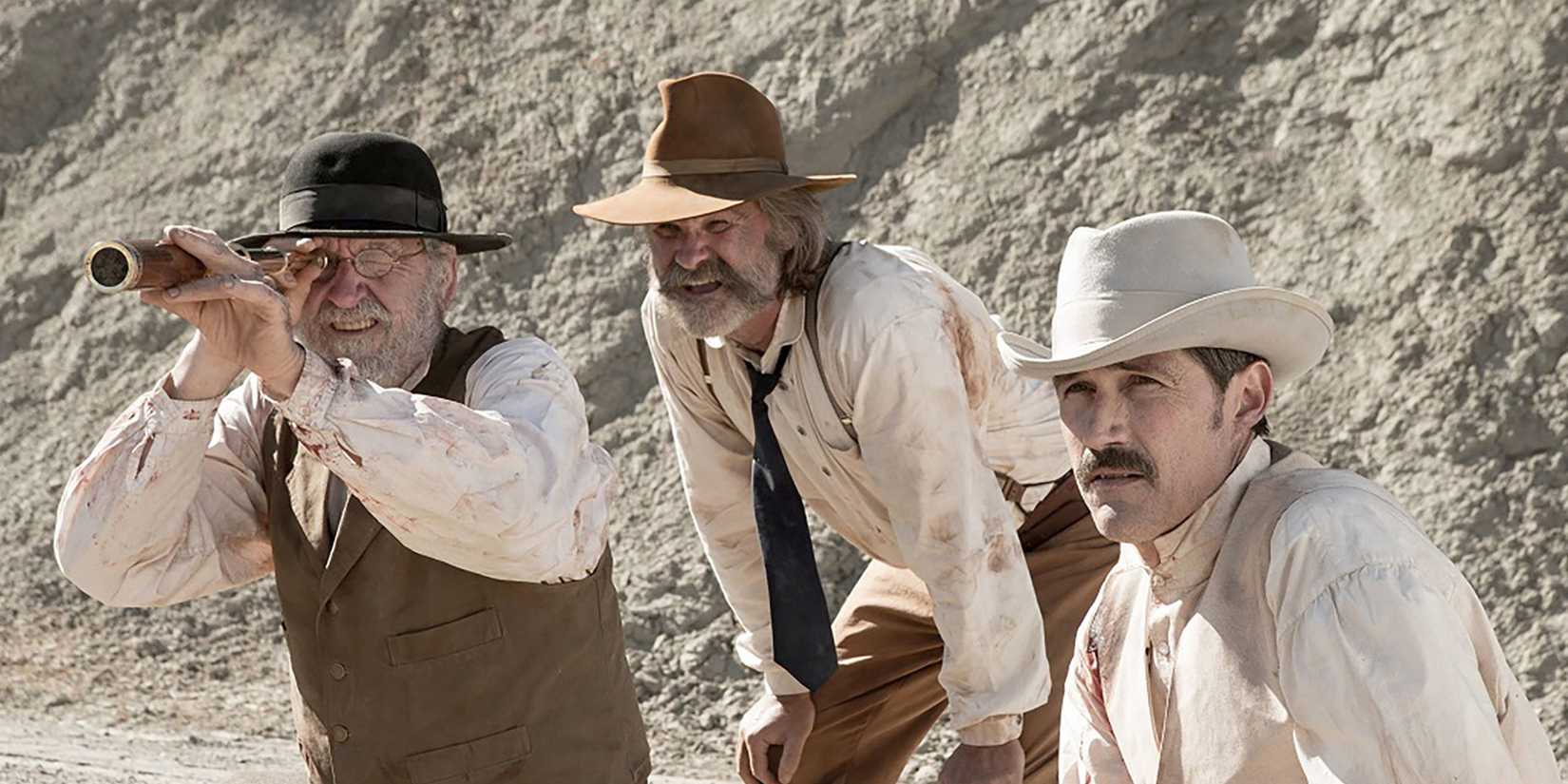 Image via RLJ Entertainment
S. Craig Zahler remains less familiar to general audiences than many filmmakers, despite critical appreciation for his films. As a writer-director, he uses a controlled visual style, patient pacing and dialogue that can feel like a stage play, setting those qualities against sudden, brutal violence and threatening villains. His feature debut, Bone Tomahawk, follows a group of cowboys in the Old West led by Sheriff Hunt (Kurt Russell) as they try to rescue town doctor Mrs. O’Dwyer (Lili Simmons) from cannibalistic troglodytes.
Bone Tomahawk introduces the contrast that defines Zahler’s work: disciplined storytelling sits alongside extreme content. The approach has a narrow appeal, but it can strongly resonate with viewers who enjoy uncompromising Western horror.
Beyond Bone Tomahawk, Zahler has been associated with the Western through the uncredited screenplay for Frontier Crucible and through his novels. A Congregation of Jackals and Wraiths of the Broken Land, together with Bone Tomahawk, form a thematically connected, dark Western grouping. An adaptation of Wraiths of the Broken Land was announced in 2016 with Ridley Scott and Drew Goddard attached, but the project has not moved forward.
Why is Zahler’s Western writing so brutal?
Zahler’s Western writing turns frontier adventure into unsettling, unpredictable fiction through stark violence and ruthless story turns. His characters and villains often operate beyond the reassuring moral boundaries of conventional Westerns.
Zahler’s stories use graphic violence and unpredictable turns to unsettle familiar Western conventions.
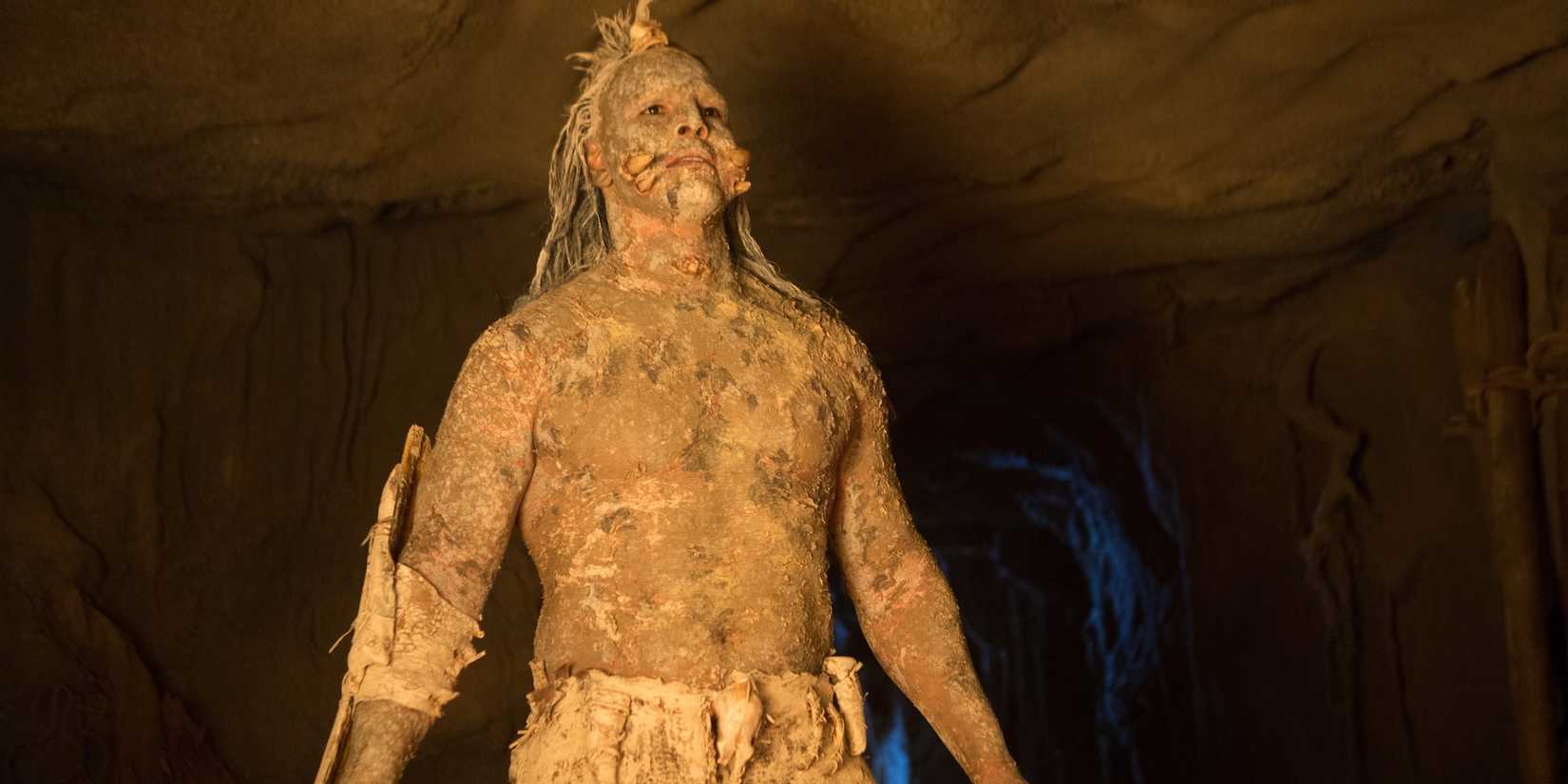 Image via RLJ Entertainment
If spaghetti Westerns subvert traditional Westerns, Zahler’s stories push that subversion further. His strength lies in taking the plot through turns that feel difficult to predict, then following those turns without softening their consequences. Zahler has described writing until he surprises himself, on the premise that a surprise for the writer may also surprise the audience. In Bone Tomahawk, that sensibility shapes scenes involving fishhooks, dead baby turtles and rifle barrels heated over an open fire, including the notorious “Wishbone” scene.
Frontier violence in Zahler’s work is blunt, and his stories do not reserve cruelty for villains. Some protagonists behave harshly, while antagonists can seem pitiless and almost inhuman. The result is a particularly grim version of the Western frontier, with echoes of Blood Meridian and its Judge Holden, as well as Zahler’s Quinlan and his gang in A Congregation of Jackals.
How does Zahler bring old-school Western characters into horror?
Zahler’s old-school Westerns balance classic frontier figures with stories that gradually introduce horror. In Bone Tomahawk, the shift in genre develops alongside the characters’ journey through changing landscapes.
Bone Tomahawk moves from a familiar Western setup toward cannibal horror while keeping its characters central.
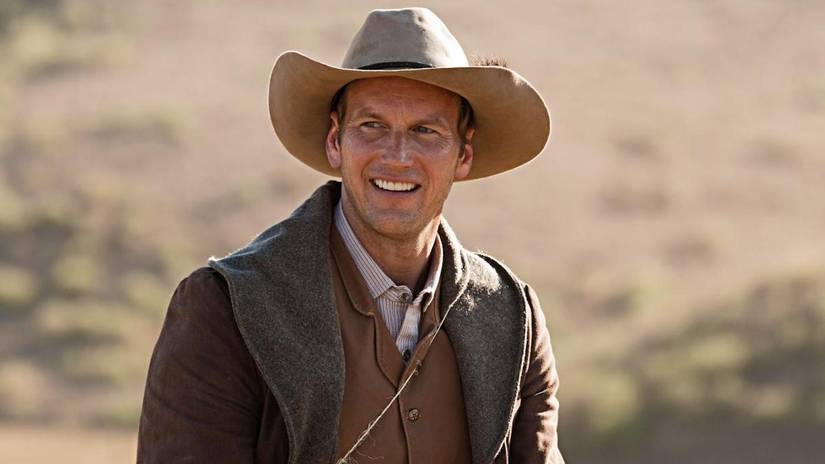
Image Via RLJ Entertainment
Zahler’s characters remain compelling even when their stories become disturbing. Sheriff Hunt in Bone Tomahawk and Merrick Beckford (Myles Clohessy) in Frontier Crucible have the nobility associated with a John Ford Western, while other characters occupy morally uncertain ground. Because the films give viewers people to care about, violence directed at those characters can feel especially upsetting.
Bone Tomahawk differs from a sudden genre switch such as From Dusk Till Dawn. Instead, the film gradually transforms from a conventional-looking Western into a cannibal horror film, with the changing landscapes reinforcing the sense that the characters are crossing into another genre.
S. Craig Zahler tells stories across film and literature, and his Westerns do not simply reproduce the genre or relocate it to a modern setting. They feel like stories he wanted to tell in the Old West, rather than deliberate homages or attempts to deconstruct Western conventions.
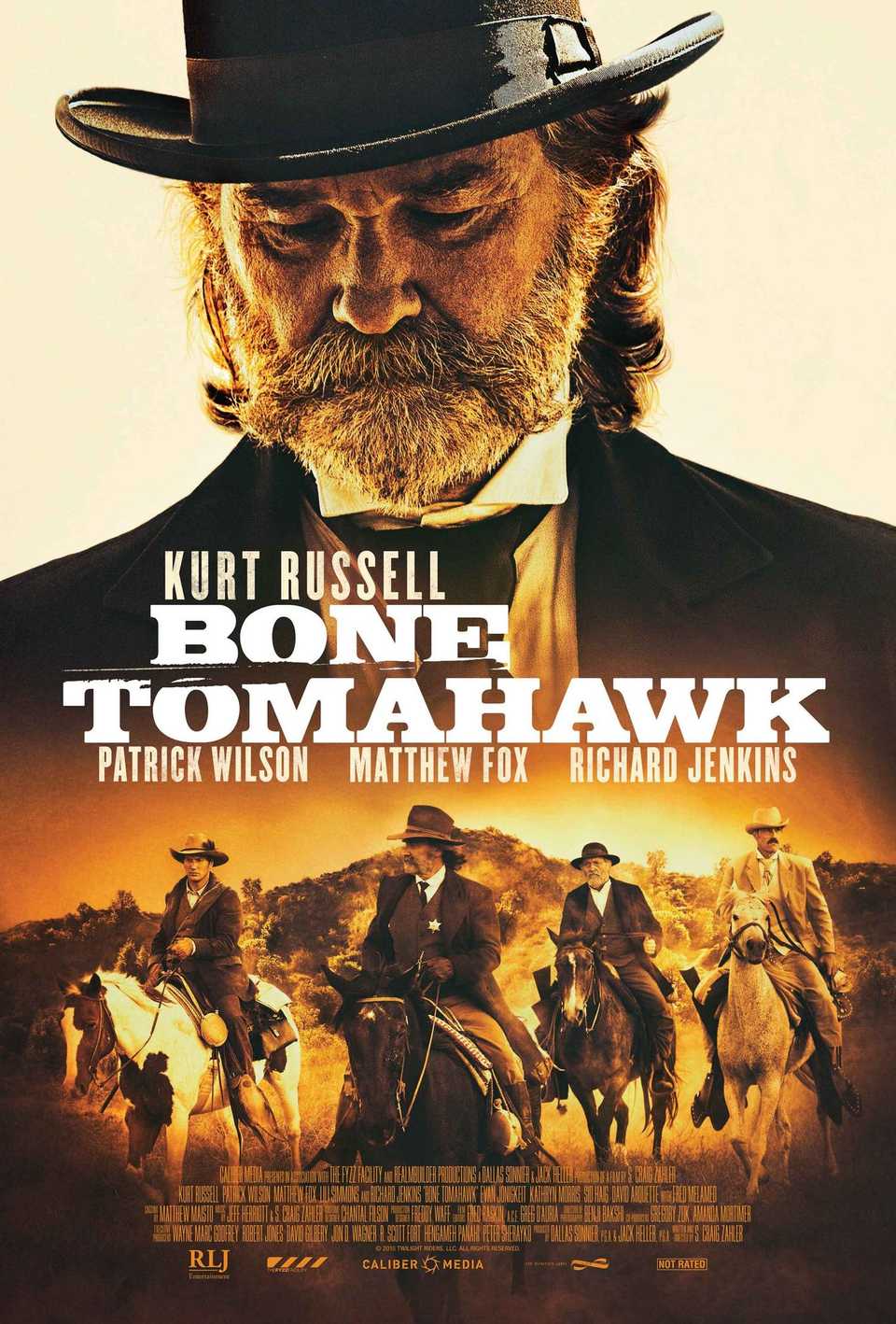
- Release Date
-
October 23, 2015
- Runtime
-
132 minutes
- Director
-
S. Craig Zahler
- Writers
-
S. Craig Zahler
What should viewers know before watching Bone Tomahawk?
Bone Tomahawk is a 132-minute film directed and written by S. Craig Zahler, released on October 23, 2015. Its Western premise develops into graphic horror, so the film’s genre shift and violence are important considerations for viewers.
Bone Tomahawk combines a frontier rescue story with increasingly intense horror.
Is Bone Tomahawk a traditional Western?
Bone Tomahawk begins with recognizable Western characters and a rescue mission, then gradually moves into cannibal horror. The film combines Western and horror rather than remaining within one genre.
What books are connected to Zahler’s Western films?
A Congregation of Jackals and Wraiths of the Broken Land are Zahler novels thematically associated with Bone Tomahawk. Together, the works form a dark Western grouping.
Who directed and wrote Bone Tomahawk?
S. Craig Zahler directed and wrote Bone Tomahawk, which was released on October 23, 2015, and runs for 132 minutes.