

<em>Good Omens</em> season 3 has set a new Rotten Tomatoes record.
The Prime Video fantasy TV show has achieved a new audience score record within a day of the final episode’s arrival on the platform. Good Omens season 3 is a single, 90-minute episode that concludes the story of the entire show. The narrative follows Aziraphale and Crowley after going their separate ways in season 2, with the angel tasked with bringing about the apocalypse via the Second Coming. However, when Jesus and the Book of Life vanish, he recruits Crowley to help him find the Messiah and prevent the world from ending.
Currently, Rotten Tomatoes reports that audiences are dissatisfied with how Good Omens season 3 concluded the series, as indicated by the season’s record-low audience score. As of writing, season 3 of the fantasy show holds a 40% rating from audiences based on over 100 reviews. While some reviews express satisfaction with how the show concluded, particularly regarding how the writing compares to the previous two seasons, many viewers are unhappy with how Aziraphale and Crowley’s story ended. This lack of satisfaction is reflected in many ratings for the show.
Good Omens reviews have not been particularly favorable towards the final episode either. As of writing, the final season has a 60% rating on Rotten Tomatoes based on 15 reviews, making it by far the lowest-rated installment of the entire series. Critics are unhappy with the rushed pacing of the episode, which feels like an entire season of TV compressed into a movie format. While some were forgiving of the ending, others agreed with audience members that it did not do justice to the core duo, whose story was disrupted by this format.
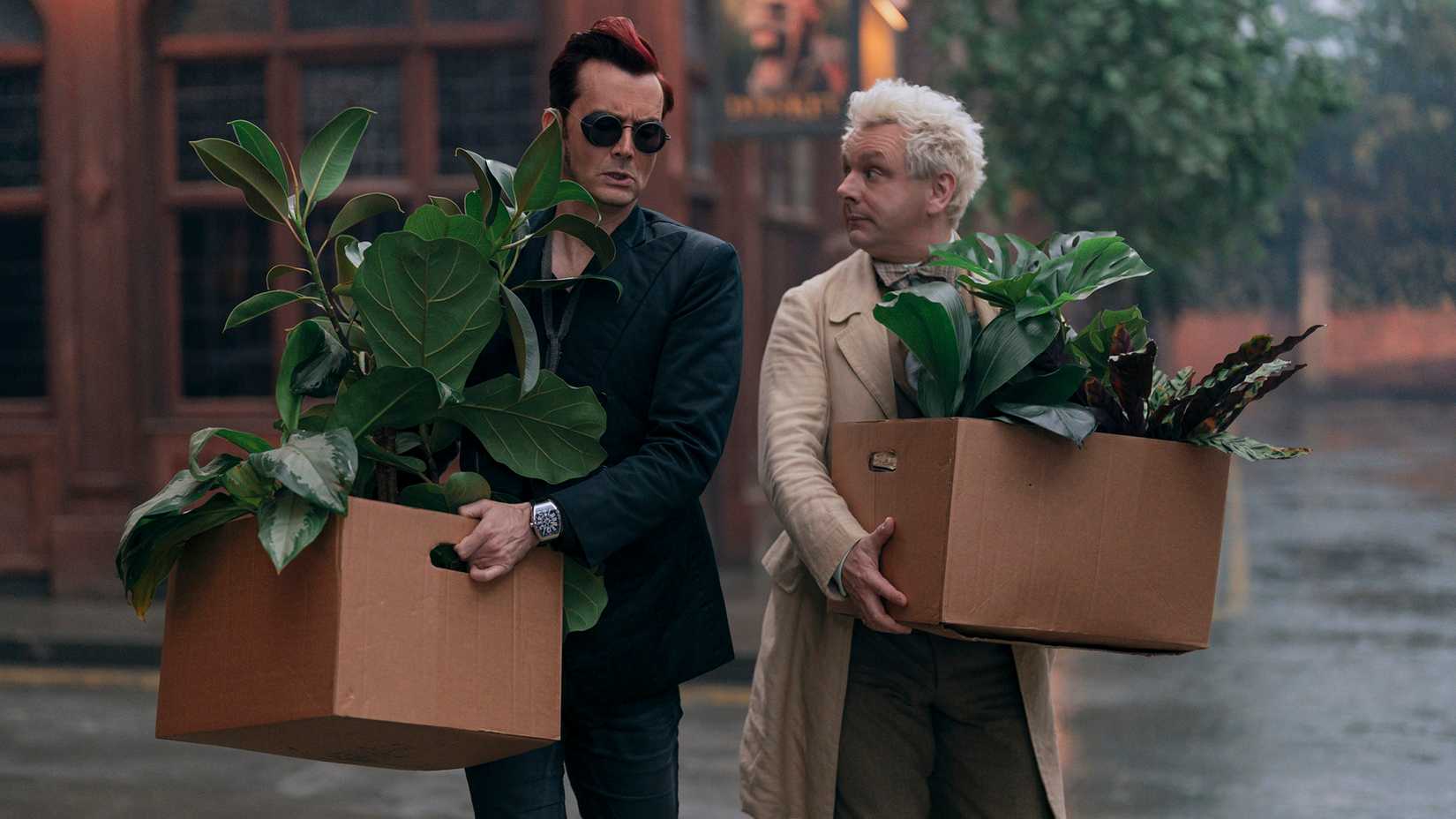
A significant shadow looms over season 3’s production due to its creator, Neil Gaiman, stepping away after being accused of sexual assault by five women. The creator of the show previously wrote every episode of seasons 1 and 2, while Douglass Mackinnon directed. For season 3, while the story is still credited to Gaiman, the script was also written by Michael Marshall Smith and Peter Atkins. The episode was directed by Rachel Talalay as well, resulting in a generally different creative team behind the finale compared to earlier seasons.
The serious allegations against the series’ creator ultimately tarnished its reputation, as audiences clearly disapprove of how the series concluded for its core duo. It remains unclear how much of the final episode aligned with Gaiman’s original vision or what alternative endings for Good Omens season 3 might have been. However, it was initially planned for season 3 to consist of six episodes before being condensed following Gaiman’s departure.
Given the abruptness of the ending, it seems that Good Omens season 3 was significantly affected by the accusations against Gaiman and his subsequent exit from the show. The audience response highlights dissatisfaction regarding how Aziraphale and Crowley received an unsatisfactory conclusion, further diminishing the once-celebrated status of the series. With such poor reception, it leaves many long-time fans feeling disappointed with how it ended.