

Twenty-six years ago, as human civilization stepped into a new century, the world of literature expanded in exciting new directions. Creators of both fiction and non-fiction viewed the new world through fresh lenses. Some told old stories from new perspectives, while others uncovered tales that had never been told before. From emotional fictional narratives to enlightening non-fiction themes, the past 26 years have seen remarkable literary works emerge globally.
In recent decades, we have witnessed groundbreaking non-fiction books addressing significant questions about human existence, alongside fiction sensations ranging from sci-fi masterpieces like The Three-Body Problem to thrilling novels like Gone Girl, each breaking new ground with originality and vision. While it would be unjust to select just a few books to define this new era, here is our ranked selection of some of the greatest books from the last 26 years.
8
‘Gone Girl’ (2012)
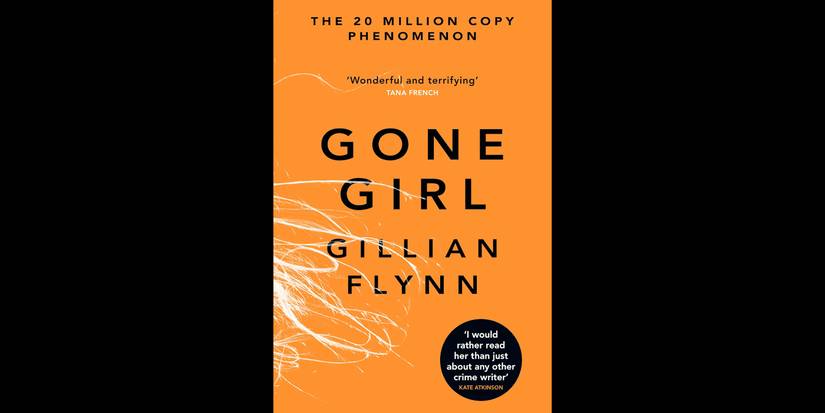 Image via Phoenix
The third novel by American author Gillian Flynn, this psychological crime thriller is her most successful and acclaimed work to date. Gone Girl revolves around Amy Dunne, who mysteriously disappears on her fifth wedding anniversary, leaving her husband, Nick, and everyone around them in shock. When the police discover seemingly incriminating evidence in Amy’s personal journal, Nick becomes the main suspect, triggering a massive public spectacle. Told from Nick and Amy’s respective points of view, the book unfolds competing and often contradictory perspectives on their lives, marriage, and the events leading to Amy’s disappearance.
A dark and twisted tale about a complicated marital relationship, Gone Girl is a thrilling read with dual unreliable narrators. A literary phenomenon of the 2010s, this crime fiction novel was groundbreaking in how it subverts classic missing-person tropes and leads readers in completely unexpected directions. Gone Girl has since been widely praised for its ingenious writing and remains an icon of 21st-century thriller literature.
7
‘Sapiens: A Brief History of Humankind’ (2011)
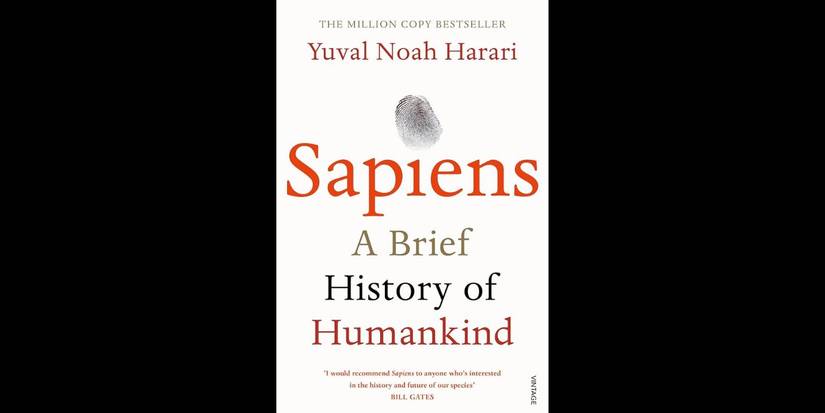 Image via HarperCollins
Written by military historian Yuval Noah Harari, Sapiens: A Brief History of Humankind is a popular science and history book that surveys the history of Homo Sapiens. The account blends natural science, anthropology, and macro-history to explore the entire journey of human existence, beginning in the Stone Age and concluding in the 21st century. The book covers four major turning points: the Cognitive Revolution, Agricultural Revolution, Scientific Revolution, and the unification of humankind.
Upon its initial publication, the book became a New York Times bestseller and gained global recognition, winning the National Library of China’s Wenjin Book Award for best book published in 2014. Critics have praised Sapiens: A Brief History of Humankind for making complex timelines, biology, and anthropology accessible to readers while also facing substantial scholarly criticism. Nevertheless, it became a publishing phenomenon and is widely regarded as one of the best books of its decade.
6
‘Brief Answers to the Big Questions’ (2018)
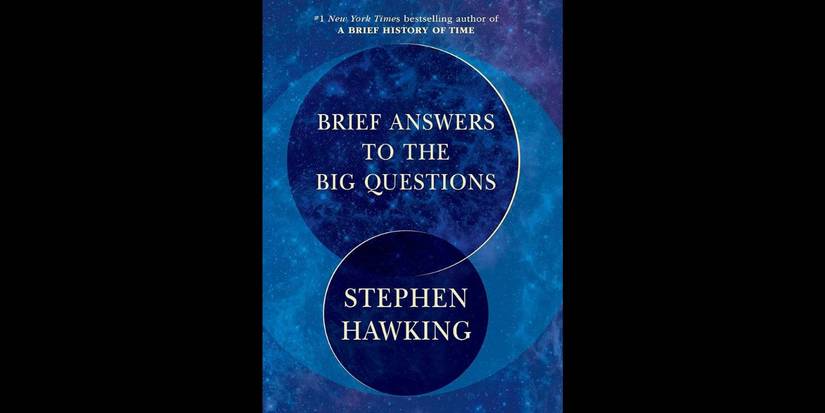 Image via Bantam Books
Stephen Hawking‘s final literary work, Brief Answers to the Big Questions, is a popular science book that explores humanity’s greatest mysteries. Described as “a selection of profound reflections,” this collection includes essays, lectures, and speeches addressing four main subjects: “Why Are We Here?” “Will We Survive?” “Will Technology Save Us or Destroy Us?” and “How Can We Thrive?” The book also features a foreword by Eddie Redmayne, who won an Academy Award for portraying Hawking in the film <em>The Theory of Everything</em>.
Published shortly after Hawking’s death, Brief Answers to the Big Questions reaffirms his deep faith in science as essential for solving humanity’s most pressing issues. The book is noted for making several striking predictions about humanity’s future regarding gene editing, artificial intelligence, and religion—highlighting how these changes could shape civilization’s trajectory. Although it did not win major awards, it ranks among the top nonfiction titles of the 2010s and has been widely praised as Hawking’s poignant final message to humanity.
5
‘The Girl with the Dragon Tattoo’ (2005)
…
…
…
…
…
…
…
…
…
…
…
…
…
…
…
…
…
…
…
…
…
…
…
…
…
…
…
Here you can find the original article. The photos used in our article come from this source. We are not their authors but have used them solely for informational purposes with proper attribution to their original source.[nospin]









