Few franchises are harder to discuss in today’s climate than Harry Potter. Once considered the defining literary saga of the 21st century and a cultural phenomenon beloved worldwide, Potter is now a far more contentious subject. There’s, of course, the behind-the-scenes, mounting controversies of its author, J.K. Rowling, which were enough to stain the saga for countless fans the world over. There’s also the fact that, looking back at it, the books aren’t exactly the peak of fantasy writing, attracting criticism for their worldbuilding, characterization, and perceived politics.
Yet, it’s also impossible to deny that Harry Potter remains a huge part of pop culture, with theme parks, video games, and even a reboot series coming to HBO later this year. But how do the books measure against that influence? Sure, they’re not perfect, and their many flaws have become more noticeable with age, but the story of the Boy Who Lived is quite riveting, enchanting an entire generation of readers. Here, we’ll rank all seven Harry Potter books based on their narrative, characterization, plot developments, and Rowling’s writing. None of the books are bad per se, but some are far stronger, and the weakest elements of the saga have only gotten more noticeable in the years since.
7
‘Harry Potter and the Half-Blood Prince’ (2005)
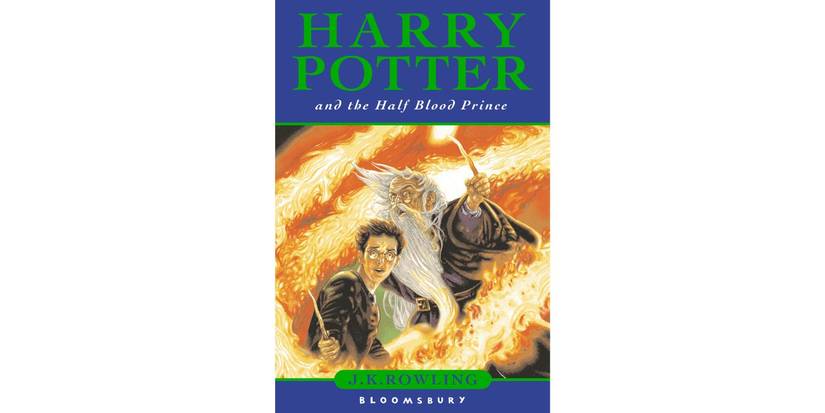 Image via Bloomsbury Publishing
The sixth book in the series is probably the most singular, too. Harry’s sixth year at Hogwarts sees him dealing with one of his toughest challenges yet: adolescent troubles. Mainly, he discovers his crush on Ron’s younger sister, Ginny, and navigates his complicated feelings about it. On a large scale, the plot also features most of Lord Voldemort’s backstory and introduces the concept of Horcruxes, items in which Voldemort has put a piece of his soul to effectively become immortal.
Harry Potter and the Half-Blood Prince is a curious and uneven book. On one hand, everything concerning Voldemort’s backstory is quite riveting, and the chapters centered on it are as close as Potter ever came to horror. On the other hand, most of the book is greatly focused on Harry, Ron, and Hermione’s romance woes and simply put, Rowling is rather bad at writing teen drama. Harry’s relationship with Ginny is never convincing, and the metaphor of him having a beast in his chest that reacts every time he sees her is uncomfortable at best and outright laughable at worst. The Horcruxes also come out of nowhere, and while the concept is good, it should’ve been introduced far sooner to make an even bigger impact; arriving at the sixth hour comes across as a convenience rather than a natural development. Half-Blood Prince is one of two Potter novels that’s entirely character-driven, and unlike the other one, the approach doesn’t entirely work.
6
‘Harry Potter and the Chamber of Secrets’ (1998)
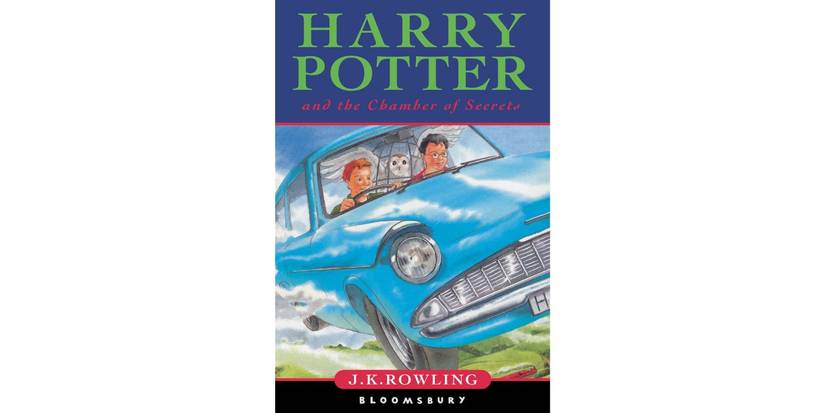 Image via Bloomsbury Publishing
Harry Potter and the Chamber of Secrets is the second novel in the series, focusing on Harry’s sophomore year at Hogwarts. It begins with the appearance of Dobby, the house elf who warns Harry not to go back to school and desperately attempts to sabotage the boy’s attempts. At Hogwarts, Harry discovers the Chamber of Secrets has been opened again, unleashing an unknown terror that’s targeting many of the school’s most vulnerable students.
This second book is still very much aimed at children, meaning the narrative is straightforward but with a few darker elements compared to its predecessor. The mystery behind the Chamber of Secrets is sufficiently compelling but it probably needed a few extra pages to actually land. New characters like Dobby, Lucius Malfoy, and Gilderoy Lockhart bring some color to the story, and the introduction of new locations also makes Hogwarts seem more inviting and immersive. Alas,Chamber of Secrets is also the most forgettable entry in the series,a transitional story to a tee meant to take Harry from childhood into early adolescence. The writing is solid even if it’s also justa rehash of everything Rowling had already done in the first novel.
5
‘Harry Potter and the Philosopher’s Stone’ (1997)
Introducing a new world isn’t easy. The fantasy books with the best worldbuilding must balance several key details from the world itself to systems that make it work. The first Potter book does it admirably well by introducing eleven-year-old Harry Potter who lives a hard life with his abusive aunt and uncle. When he learns he’s actually a wizard and a rather famous member of the magical community, Harry’s life changes forever. He attends Hogwarts School of Witchcraft and Wizardry makes new friends and stumbles upon a dangerous mystery.
Harry Potter and the Philosopher’s Stone is the shortest book in the series butit might also be the most effective of the bunch, especially considering how many things it introduces. Here we get basics of story: we meet main players are introduced to main setting conflict get key beats that overarching story will cover across next six books. Sure it’s still very much children’s book meaning writing simple engaging but never pedestrian. This first entry set tone for what would follow even if subsequent books would abandon its more whimsical approach.
4
‘Harry Potter and the Deathly Hallows’ (2007)
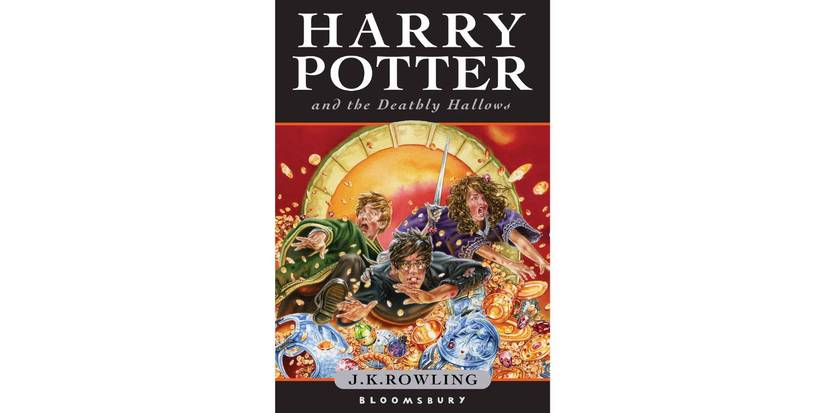
If starting a series is tough then ending it is that much tougher: expectations are sky-high
and chances satisfying everyone in your fanbase are slim to none.
The seventh last Potter book worked better than many other long-awaited conclusions but it’s far from series best effort.
In it Harry embarks on perilous arduous journey find destroy Horcruxes alongside Ron Hermione.
Meanwhile Voldemort keeps amassing power across Wizarding World.
Harry Potter and Deathly Hallows isa solid conclusion to Potter saga.The plot abandons formula used throughout previous six books becomes road book following Harry Ron Hermione on journey across UK.
For convenience sake plot takes few shortcuts like keeping all Voldemort’s Horcruxes within UK introducing all-too-convenient Deathly Hallows gimmick that ultimately works even if ends up feeling bit too much like deus ex machina.
The epilogue overkill though closing what has otherwise been somber coming-of-age story like sappy telenovela.
But hey no one can say Harry didn’t earn his happy ending.
3
‘Harry Potter and Goblet Fire'(2000)
<source media=(max-width:767px)
data-srcset=https://static0.colliderimages.com
/wordpress
/wp-content
/uploads
/2025
/12
/harry-potter-goblet-fire-cover
.jpg?q=
70&fit=crop&w=
800&dpr=
1'
srcset=https://static0.colliderimages.com
/wordpress
/wp-content
/uploads
/2025
/12 /
2
‘Harry Potter Order Phoenix’ (2003)
<source media="
(max-width:
480px)"
data-srcset="
"https:
// static0 collider images com wordpress wp content uploads
srcset="
"https:
// static0 collider images com wordpress wp content uploads

<a href=https:
// collider com /
Here you can find original article photos images used our article also come from this source. We are not their authors they have been used solely for informational purposes proper attribution their original source.[nospin]