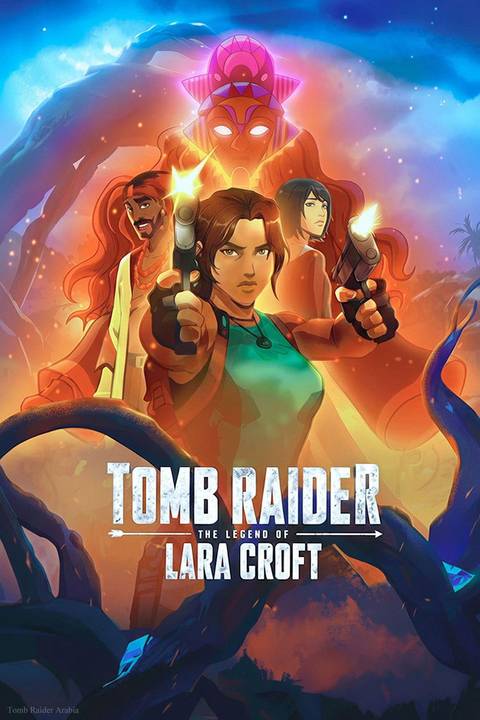

Netflix has emerged as a leading destination for fantasy adventure television, boasting an impressive catalog that includes both live-action and animated series. From the swashbuckling excitement of One Piece to the stunning world-building of Arcane, Netflix consistently demonstrates its understanding of what makes fantastical adventures captivating on screen. Whether targeting younger viewers or long-time fantasy enthusiasts, the streamer’s offerings in this genre have garnered a dedicated following. This makes it all the more surprising that one of Netflix’s strongest fantasy adventures has yet to receive the recognition it truly deserves.
Hidden behind the popularity of One Piece, Arcane, and The Witcher is a two-season animated adaptation of one of gaming’s most iconic franchises. Featuring Agent Carter‘s Hayley Atwell in the lead role, Tomb Raider: The Legend of Lara Croft premiered in 2024 and 2025 to far less fanfare than it warranted. Despite carrying one of entertainment’s most recognizable names, the animated series has remained criminally underrated, even as it quietly established itself as one of Netflix’s most enjoyable fantasy adventure offerings.
Tomb Raider: The Legend of Lara Croft follows Lara as she journeys around the globe recovering dangerous artifacts while confronting ancient myths, supernatural forces, and the emotional weight of her past. The series fits seamlessly alongside the rebooted timeline of the latest Tomb Raider games, although prior knowledge of them is not necessary. Its thrilling action, rich mythology, engaging character development, and globe-trotting sense of discovery offer an appeal that extends well beyond dedicated Tomb Raider fans, making it an entertaining fantasy adventure saga that stands on its own.
Tomb Raider: The Legend Of Lara Croft Is Pitch-Perfect Fantasy Adventure
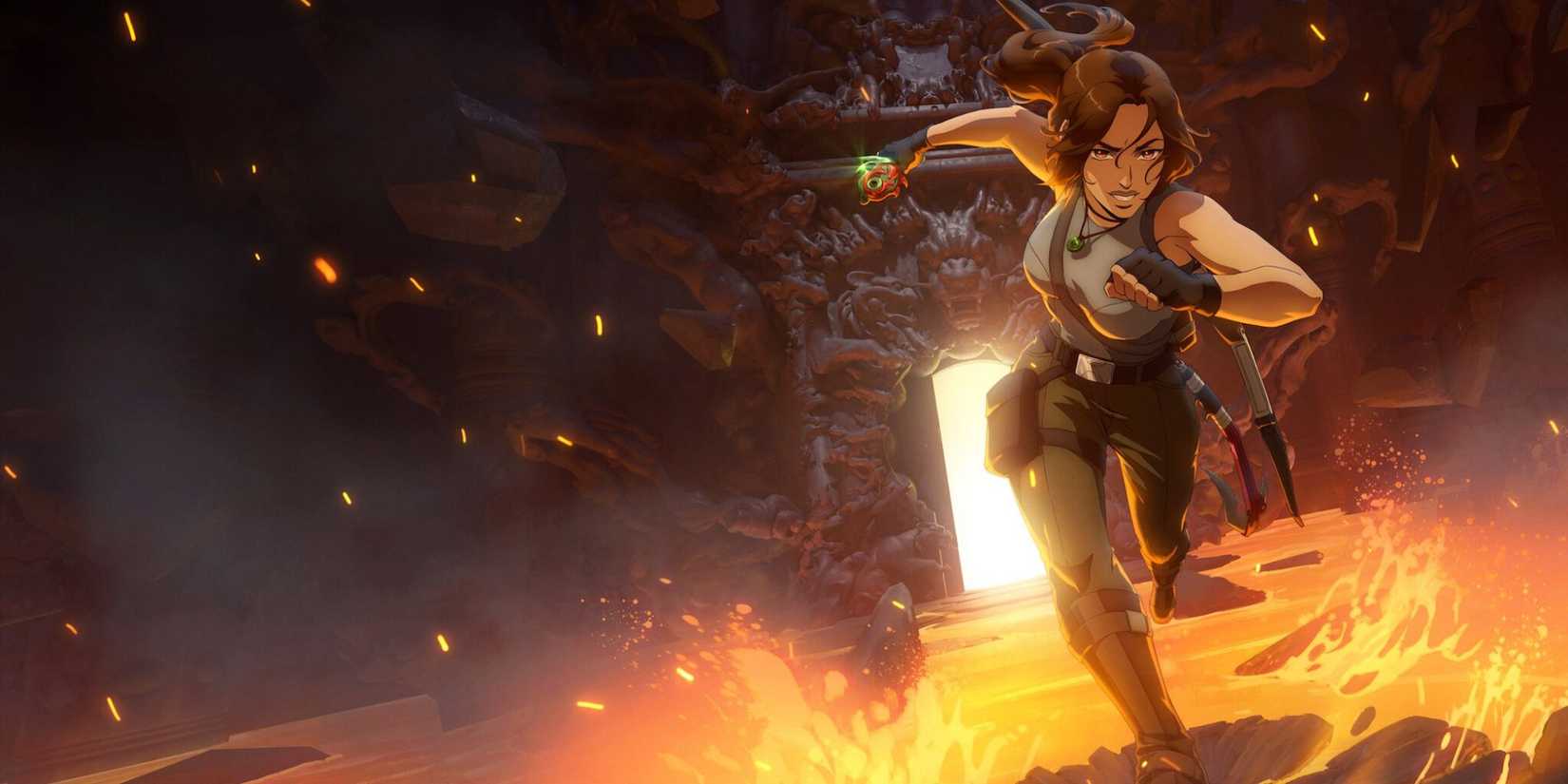
Tomb Raider: The Legend of Lara Croft deserves far more attention as one of Netflix’s best fantasy adventure series. It embraces everything that makes the genre so entertaining, combining ancient legends, mystical artifacts, dangerous ruins, and globe-spanning expeditions into a consistently thrilling story. Each episode balances spectacular action with genuine mystery, giving Lara’s adventures the same sense of wonder that defines the very best fantasy franchises.
The Legend of Lara Croft also excels in its portrayal of its central character, using Lara as more than just a typical action hero. Hayley Atwell delivers an outstanding performance that captures Lara’s intelligence, determination, vulnerability, and dry humor with equal conviction, ensuring she remains a well-rounded heroine who has become a video game icon. Atwell’s performance provides Lara with the emotional depth needed while maintaining the fearless confidence expected from gaming’s greatest adventurer.
The animated format proves to be ideal for the kind of adventure Tomb Raider: The Legend of Lara Croft offers. The series can fully embrace its elaborate ancient temples and cinematic action sequences without being limited by practical constraints. The result is a pulse-pounding 16 episodes of pure adventure that never loses sight of its characters, making it an accessible fantasy epic for viewers regardless of their familiarity with the Tomb Raider games.
Netflix’s Tomb Raider Show Did What Hollywood Couldn’t
There’s another reason that Tomb Raider: The Legend of Lara Croft deserves to be celebrated. It’s arguably the first successful adaptation of Tomb Raider after the somewhat lackluster feature-length attempts in 2001 and 2003 starring Angelina Jolie and the 2018 Alicia Vikander film that fell flat. While the live-action Tomb Raider films delivered memorable moments, neither fully captured the experience of actually playing the games.
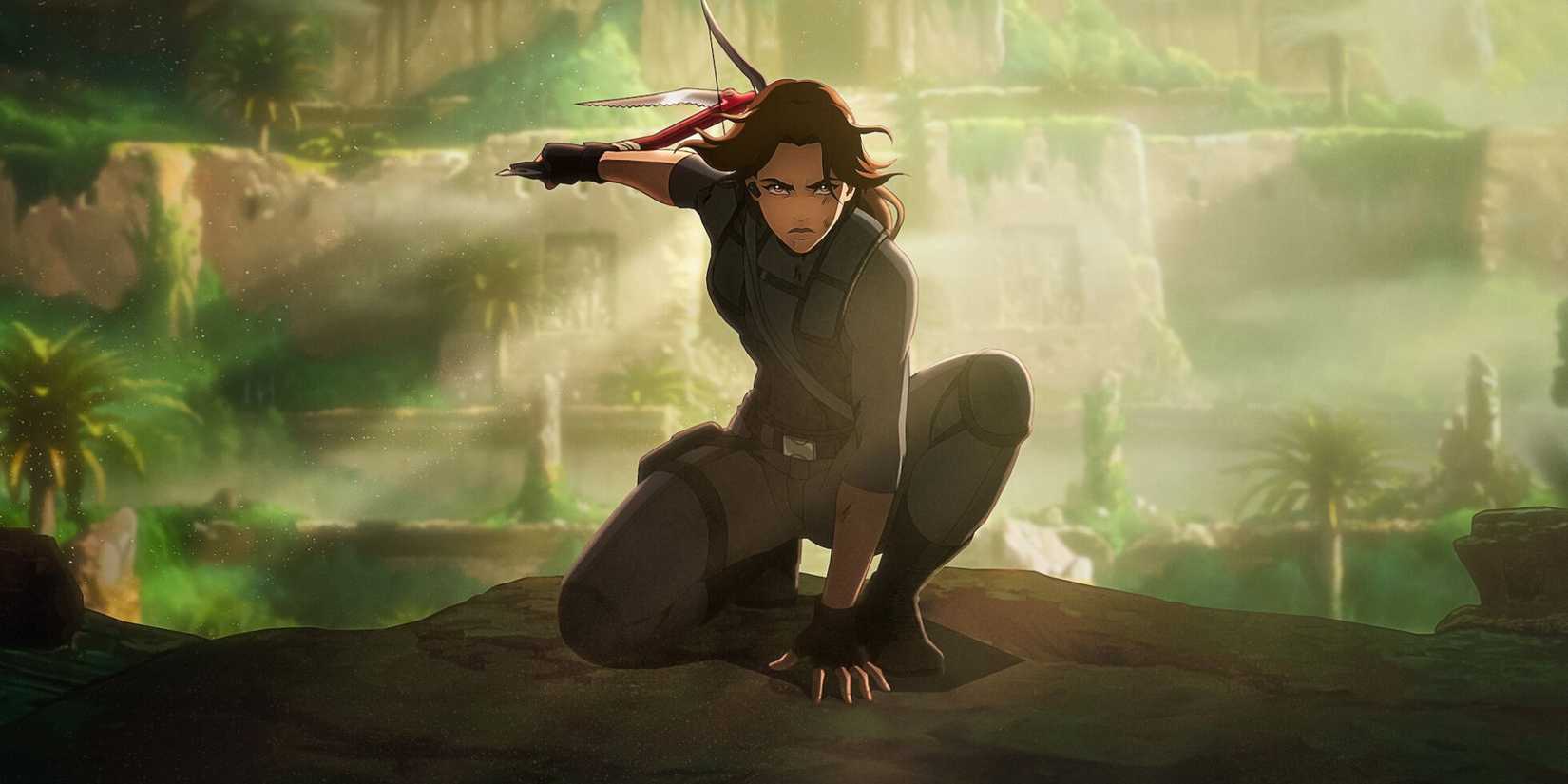
Netflix’s Tomb Raider: The Legend of Lara Croft succeeds where Hollywood struggled because it recognizes that exploration is just as crucial as action in Tomb Raider. Every forgotten tomb, elaborate puzzle, and well-hidden mythical artifact contributes to the thrill of discovery that defines the franchise. While they had their merits, these essential elements are something the live-action Tomb Raider movies simply lacked.
The animated format also captures the rhythm of the Tomb Raider games remarkably well. Instead of relying solely on large-scale set pieces, the series combines tense exploration with clever problem-solving and supernatural encounters while incorporating fast-paced combat when necessary to create an experience that mirrors the excitement found in the Tomb Raider video game franchise.
Perhaps most importantly, the Netflix series fully embraces both aspects of modern Tomb Raider. It retains the grounded emotional journey introduced by the game’s reboot trilogy while confidently leaning into larger fantasy concepts that have always been part of the franchise’s identity. This balance makes The Legend of Lara Croft not only an excellent adaptation but also one of the strongest examples of how to translate a beloved video game into a TV show, delivering an adventure that feels authentic to longtime fans while remaining accessible to newcomers.