
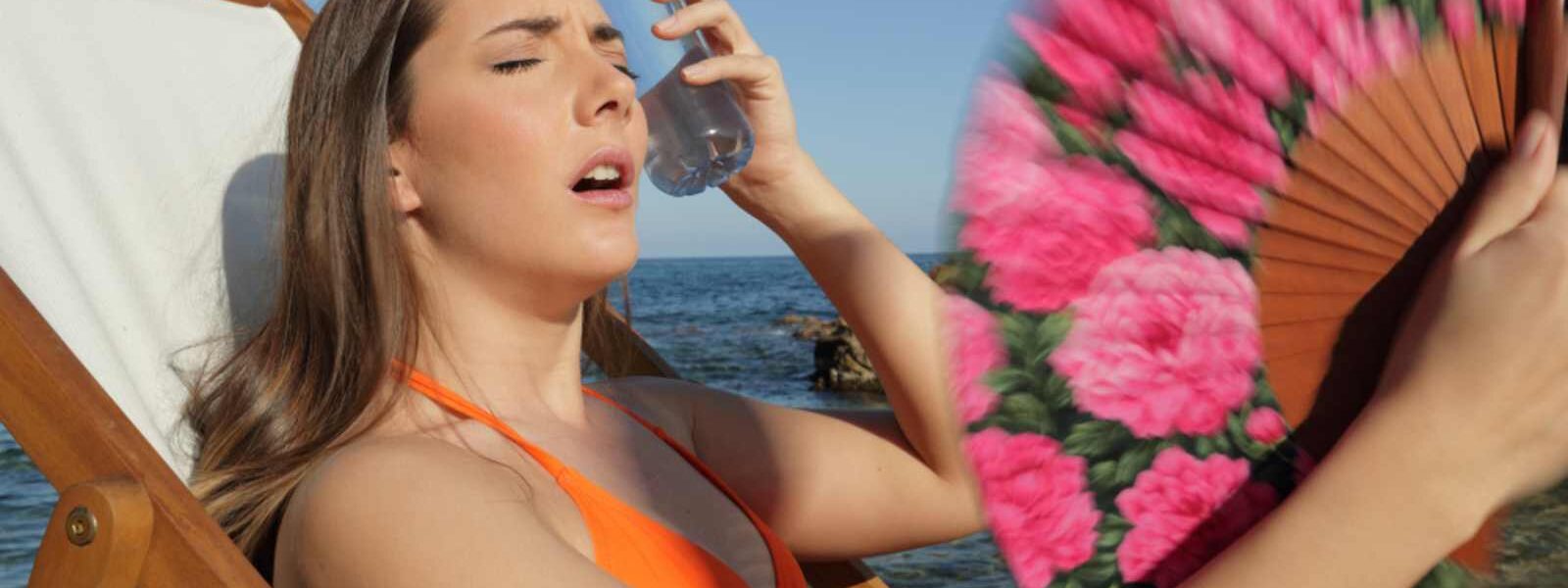
Extreme heat is now the deadliest weather hazard in the U.S., with heat-related deaths rising 117% since 1999 and reaching 2,394 in 2024, according to the CDC. Based on statistics from The World Data, the economic toll hit $162 billion in 2024, about 1% of GDP, while cities now face five times more heat events than in the 1960s and seasons lasting 46 days longer. Climate change has made record-breaking events, like Denver’s 85°F in March 2026, up to 800× more likely.
The National Weather Service (NWS) warns that heat remains the leading weather-related cause of death in the United States, contributing to hundreds of fatalities annually. Heat stress also increases emergency department visits, particularly among older adults, outdoor workers, and individuals with underlying health conditions.
Clothing cannot lower the air temperature, but it can significantly influence how efficiently your body cools itself. Fabric determines how quickly sweat evaporates, how much heat becomes trapped against the skin, how much ultraviolet radiation reaches your body, and how comfortable you remain after hours outdoors.
Laboratory testing shows that fiber structure, weave density, moisture absorption, and air permeability each affect thermal comfort. A shirt made with the wrong fabric may leave someone feeling hotter despite looking lightweight, while another textile can improve airflow enough to reduce perceived heat throughout the day.
Choosing summer clothing has therefore become less about fashion trends and more about performance. Here are 13 fabrics that continue performing when heat dome conditions push temperatures to uncomfortable, and sometimes dangerous, levels.
Linen
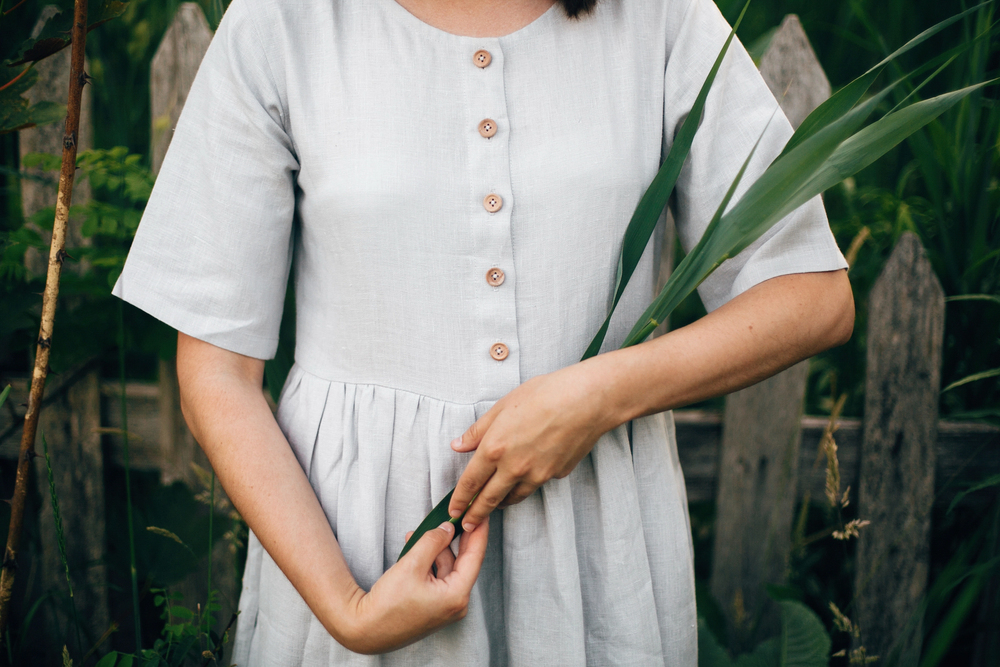
Linen consistently ranks among the best-performing natural fabrics during extreme heat because flax fibers create microscopic gaps that encourage continuous airflow. Those spaces allow warm air to escape while helping sweat evaporate more efficiently than many tightly woven materials.
Wrinkles remain linen’s most recognizable characteristic; yet those creases actually prevent large sections of fabric from sticking flat against the skin. Less surface contact means better ventilation during prolonged outdoor activities.
Loose linen shirts, dresses, trousers, and matching sets remain popular because they maintain comfort during long commutes, outdoor festivals, and extended walks even after temperatures climb into triple digits.
Lightweight Cotton
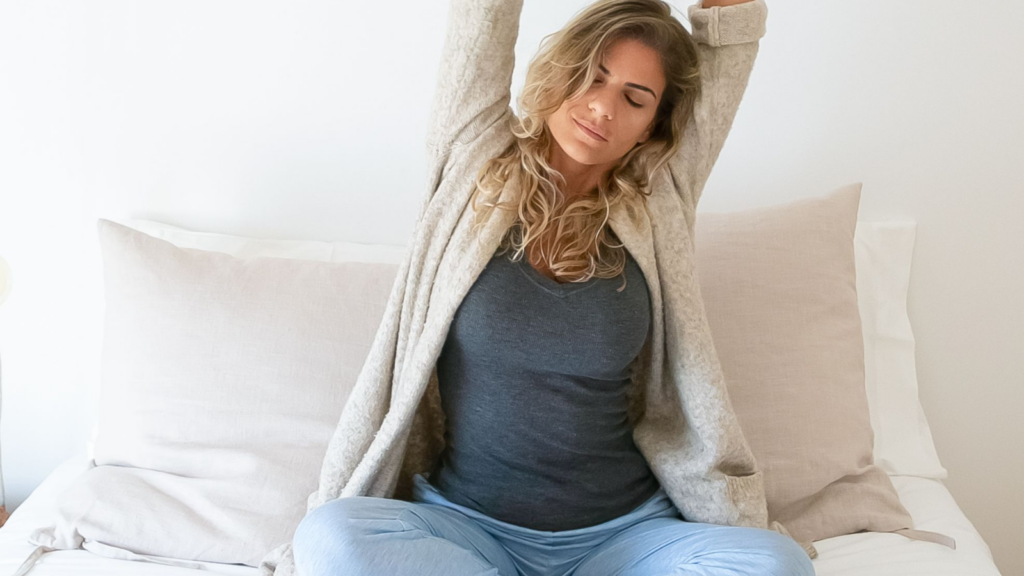
Cotton continues earning its reputation as a dependable summer fabric because its natural cellulose fibers absorb moisture while allowing reasonable airflow. The U.S. Department of Agriculture notes that cotton remains one of the world’s most breathable apparel fibers thanks to its structure and moisture-handling capability.
Fabric weight matters just as much as fiber type. Lightweight cotton poplin, voile, lawn, and gauze outperform heavy denim or thick fleece despite sharing the same raw material. Loose cotton T-shirts, sundresses, and button-down shirts allow circulating air to assist evaporation, making everyday errands considerably more comfortable during prolonged periods of excessive heat.
Hemp
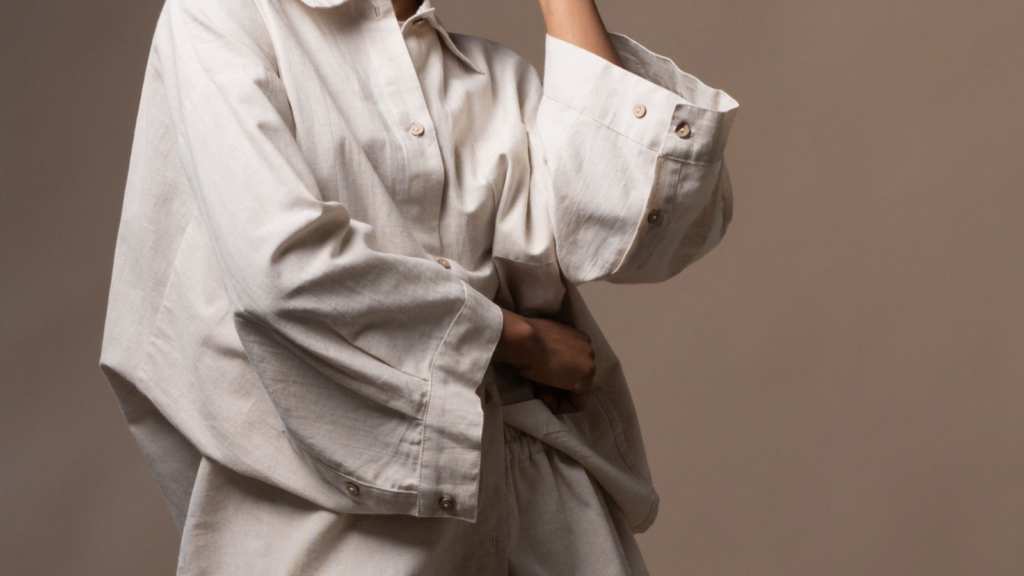
Hemp has quietly become one of the strongest competitors to linen because it combines excellent breathability with exceptional durability. Hollow fiber channels promote airflow while allowing moisture to move efficiently away from the skin.
Research published in textile science journals has found hemp fabrics provide high moisture absorbency while maintaining structural strength after repeated washing. Modern hemp garments also feel much softer than older versions thanks to improved textile processing.
Shirts, wide-leg pants, and lightweight jackets made with hemp blends deliver cooling performance while resisting stretching and wear—making them practical options for people spending long hours outdoors throughout the summer.
Bamboo Viscose
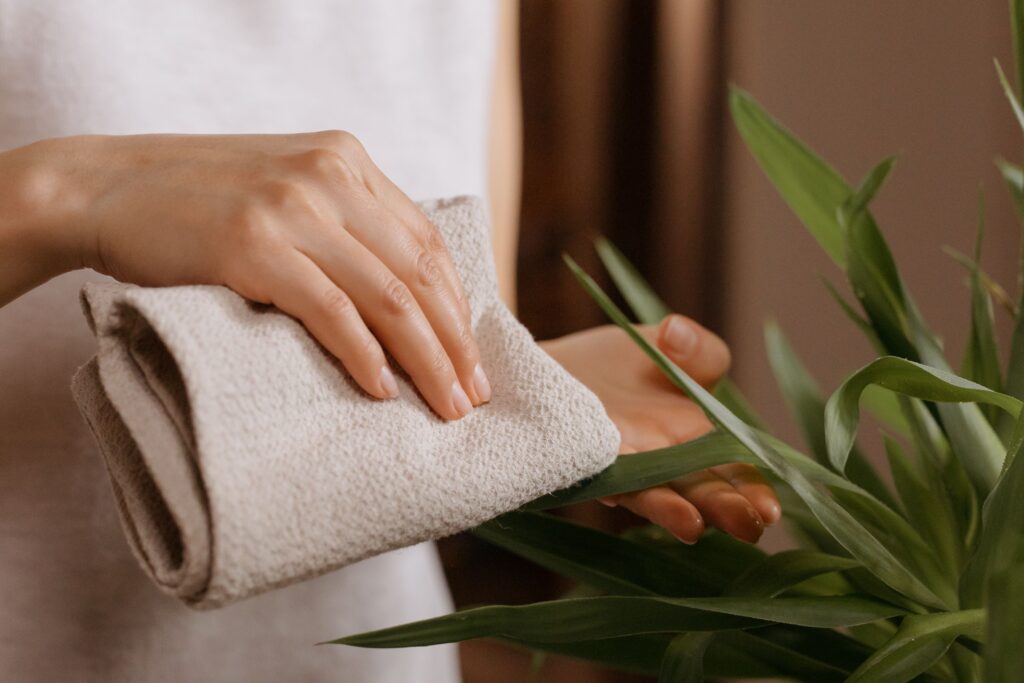
Bamboo viscose has gained popularity because many manufacturers engineer the fiber to feel exceptionally smooth against the skin while providing effective moisture management. Laboratory comparisons show regenerated cellulose fibers can transport moisture more efficiently than several synthetic alternatives under moderate activity.
Consumers should understand that bamboo viscose differs significantly from raw bamboo fiber because it undergoes extensive manufacturing before becoming fabric. Finished garments still offer soft texture and comfortable drape—making bamboo-blend T-shirts, pajamas, and casual dresses attractive options during humid evenings when sticky clothing quickly becomes uncomfortable.
TENCEL Lyocell
TENCEL Lyocell is produced using wood pulp through a closed-loop manufacturing process; it has become increasingly common in premium summer apparel because of its impressive moisture regulation.
Manufacturer testing supported by independent textile research shows lyocell fibers absorb and release moisture efficiently while maintaining a smooth surface that reduces skin irritation; this fabric also drapes naturally instead of clinging tightly to the body after perspiration develops.
Office workers appreciate lyocell because it combines professional appearance with technical comfort—allowing shirts and trousers to remain presentable throughout long workdays despite elevated outdoor temperatures.
Cotton-Linen Blends
 Image Credit: Tuba via Pexels
Blending cotton with linen combines two complementary strengths into one practical fabric; cotton reduces some of linen’s stiffness while linen increases airflow beyond what pure cotton usually delivers—resulting in a textile that often wrinkles less while maintaining excellent ventilation.
In summer consumers prioritize breathable wardrobes over heavier seasonal fabrics; button-down shirts relaxed trousers and casual blazers constructed using these blends transition comfortably between air-conditioned offices and hot outdoor environments without feeling excessively heavy.
Seersucker
 Image Credit: MART PRODUCTION via Pexels
Seersucker’s puckered texture serves a practical purpose beyond its recognizable appearance; raised sections lift portions of fabric away from skin creating continuous air channels that encourage cooling.
Greater airflow reduces the sticky sensation common with smooth fabrics during humid afternoons; originally popularized in warm climates seersucker continues appearing in summer shirts dresses shorts and lightweight suits because its structure naturally promotes ventilation.
Heat dome conditions amplify those advantages as evaporating sweat works more efficiently when fabric avoids prolonged contact with skin.
Chambray
 Image Credit: Jeff Denlea via Pexels
Chambray often resembles lightweight denim yet its construction makes it considerably cooler; plain weaving creates a softer thinner fabric that encourages greater air movement than traditional denim twill while preserving a polished appearance suitable for casual workplaces.
Many shoppers mistakenly avoid chambray because they associate its blue color with heavy jeans; fabric weight tells the real story—lightweight chambray shirts provide structure without trapping significant heat making them practical alternatives for people seeking versatile summer wardrobes.
Merino Wool
 Image Credit: HS Studio By Hussnain via Pexels
Wool may sound completely unsuitable during a heat wave yet fine merino wool behaves differently than thick winter sweaters; ultra-fine fibers regulate temperature remarkably well by absorbing moisture vapor before releasing it into surrounding air.
Textile performance research consistently shows merino maintains comfort across wider temperature ranges than many people expect; outdoor athletes and hikers frequently choose lightweight merino base layers because fabric remains breathable while resisting odor buildup during extended wear.
Thin merino shirts perform especially well during mornings that begin cool before afternoon temperatures rise dramatically.
Moisture-Wicking Polyester Performance Fabrics
<img loading='' lazy decoding='' async width='' ' ' ' ' ' ' ' ' ' ' ' ' ' ' ' ' ' ' ' ' ' ' ' ' '' '' '' '' '' '' '' '' '' '' '' '' '' '' '' '' '' '' '' '' '' '' '' '' '' '' '' '' '' '' '''''''' '''''''' '''''''' '''''''' '''''''' '''''''' '''''''' '''''''' '''''''' '''''''' '''''''' '''''''' '''''''' '''''''' '''''''' '''''''' '''''''' '''''''' '''''''' '''''''' '''''''' '''''''' '''''''' '''''''''''''''''''''''''''''''''''''''''''''''''''''''''''''''''''''''''''''''''''''''''''''''''''''''''''''''''''''''''''''''''''''''''''''''''''''''''''''''''''