Writing a book is no easy task; writing a good book even less so. After all, writing is an art, and it can be a difficult thing to master. Heck, some people spend years and years studying it before they ever publish anything, and even then, there’s no guarantee that it will be good. With self-publishing being easier than ever thanks to Amazon, it certainly won’t take long to find a slew of awful books out there.
This is especially the case in the high fantasy genre, a subgenre featuring stories that take place in worlds completely separate from our own. High fantasy is experiencing a significant boom right now, which has been going on since at least the 1980s. A lot of authors have tried their hand at the genre, only to fail miserably. Every so often, though, a writer comes along that totally nails it. Their books might have perfect pacing, perfect characters, perfect prose, perfect emotion; perfect everything. These are the most perfectly written books in high fantasy.
‘The Lies of Locke Lamora’ (2006)
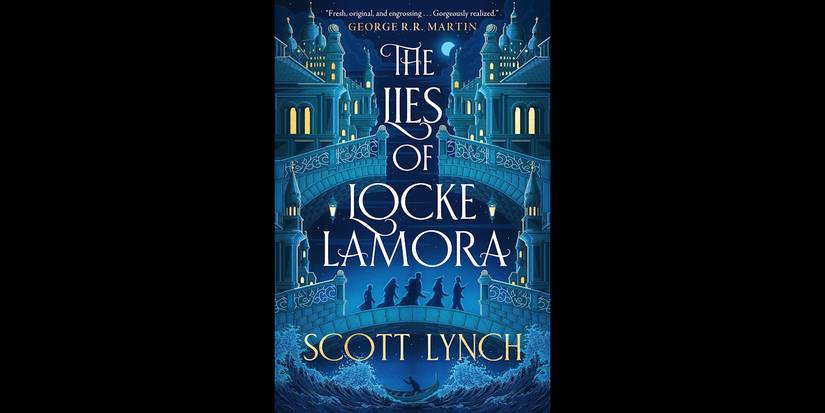
Image via Bantam Spectra
The Lies of Locke Lamora takes place in an unnamed fictional world, specifically in the city of Camorr, which resembles Renaissance Venice. In this weaving labyrinth of streets and canals, there exists a group of con artists calling themselves the Gentleman Bastards. These thieves have only one purpose: to rob the rich blind before they even realize they’ve been had. It’s kind of like Robin Hood, only without all the giving to the poor.
Chapters alternate between the present storyline’s acts of thievery and the history of the city and of the organization itself, which is actually a great way of worldbuilding and establishing lore without overwhelming the reader with info dumps. It keeps the story rolling forward but also provides some much-needed context at key points. With a crew reminiscent of Ocean’s Eleven and some fantastical heists, this book has garnered a lot of love amongst fantasy readers for its excellent writing.
‘The NeverEnding Story’ (1979)
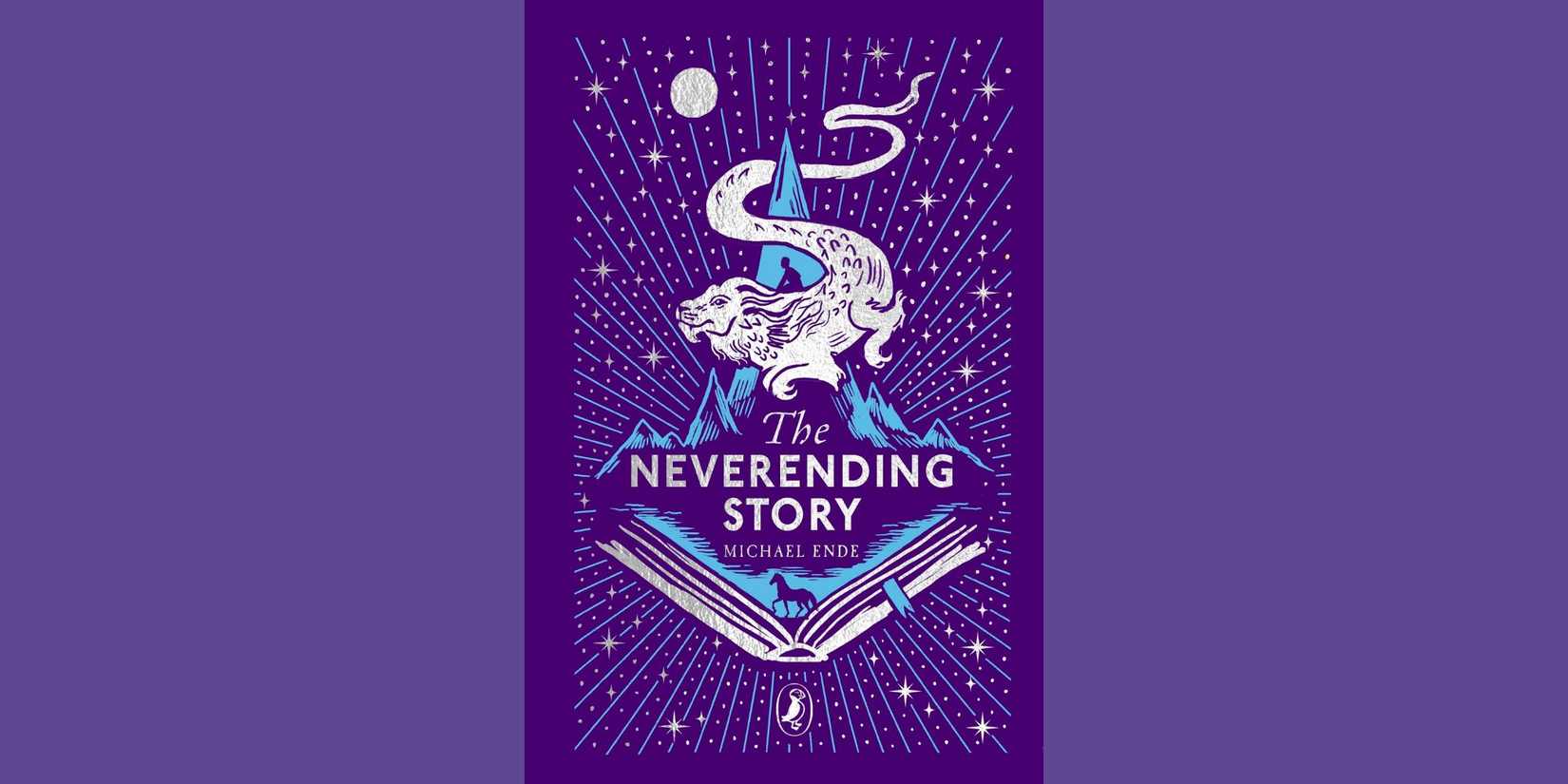
Image via Thienemann Verlag
The NeverEnding Story was written by German author Michael Ende and was adapted for the big screen just five years later. It’s sort of a frame story, acting as a bit of book-ception. The premise is that a lonely boy in the real world finds an old book and begins reading it, which happens to be pretty much The NeverEnding Story itself. The book is set in the realm of Fantastica, which is under threat from a dangerous, amalgamous force called “the Nothing.” Fearing destruction, a princess sends a boy warrior named Atreyu to stop it.
It’s a classic feel-good story, though it is not without its more depressing parts. The movie became a staple of ’80s fantasy cinema, even spawning a few sequels. As with pretty much any book-to-film adaptation, though, the original text is going to reign supreme. It feels like a nostalgic childhood fairytale, including dragons, adventure, and magic, which is pretty much everything one could want from a high fantasy story. The writing approach turned out to be the correct choice because it certainly helped the book stand out amongst others.
‘The Blade Itself’ (2006)
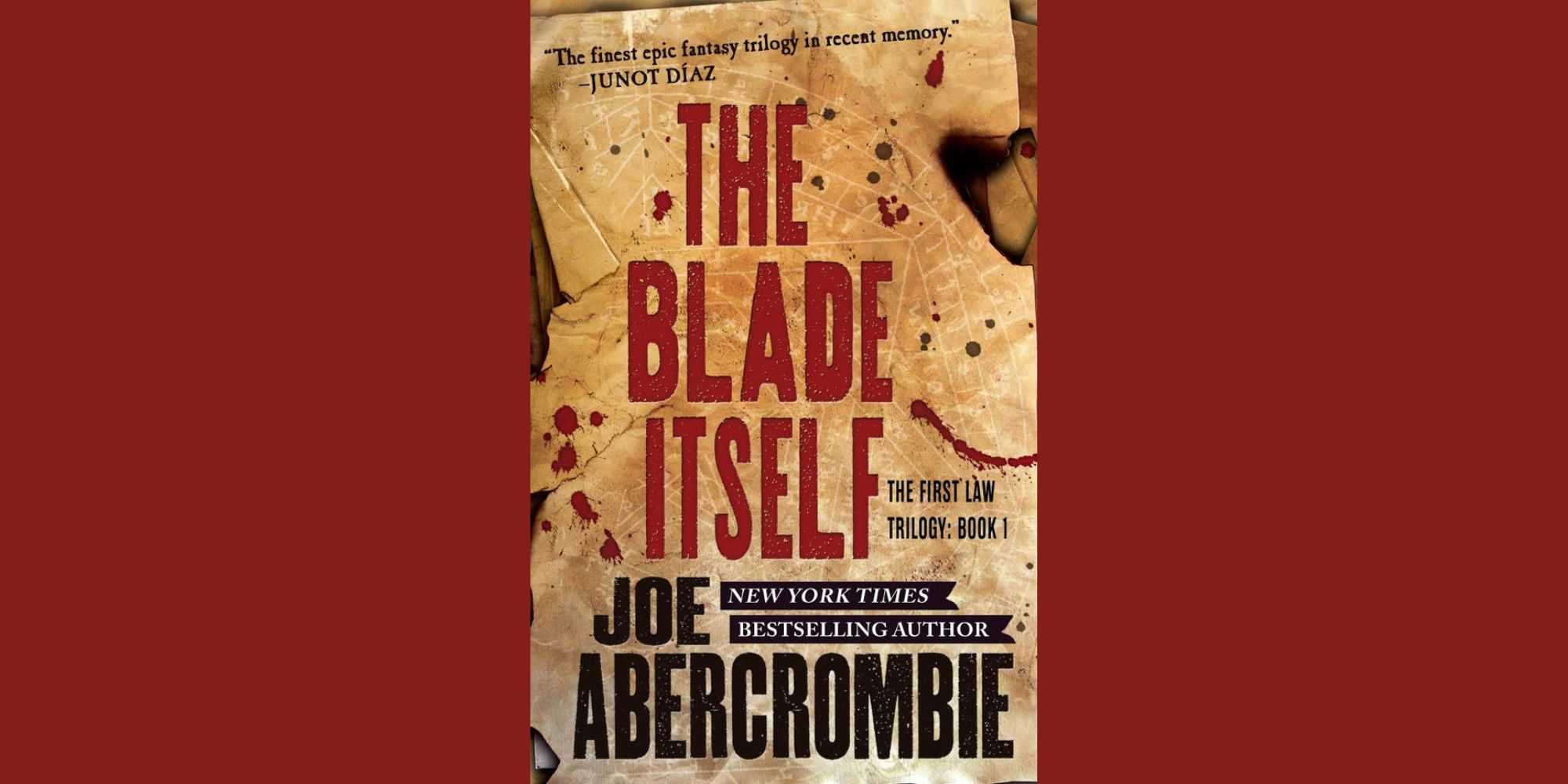
Image via Gollancz
The Blade Itself is the first book in The First Law trilogy by Joe Abercrombie. It’s a grimdark fantasy series, so don’t expect it to be all sunshine and daisies. This book is unapologetically bleak, with very few, if any, morally sound characters. The protagonists in question are pretty awful people, with one being a murderous barbarian, one being a fraudulent wizard, another being a hedonistic soldier, and the last being a literal torturer. Their fates become intertwined when conspiracies are unravelled and villains show up to exact revenge.
This book is basically what would happen if a tabletop RPG party was made up of the worst people you ever knew. Which… if you play games like that with your friends, maybe it’s the case anyway. Joking aside, the writing in this book is brilliant, largely because it feels so realistic. The characters feel like they could be genuine people because let’s face it there are a lot of corrupt and evil people out there. The way the characters are fleshed out is exceptional, and makes for an amazing reading experience.
‘A Wizard of Earthsea’ (1968)
A Wizard of Earthsea is the first in the popular Earthsea saga which became known for many things including its impeccable worldbuilding. The story is set on an ocean planet with only land being an archipelago of islands. This planet called Earthsea is inhabited by both humans and dragons. Most humans have some sort of magical abilities and have developed cultures and realms.
Ursula K. Le Guin wrote this book and won numerous awards for it and its sequels. Not only does it have a fascinating world that is incredibly easy to get lost in but it’s also a fantastic well-thought-out story. Of course what makes it all better is the writing itself.The prose immaculately flows reminding readers that writing is an art form.
‘Assassin’s Apprentice’ (1995)
Assassin’s Apprentice is the first book in Robin Hobb’s Farseer Trilogy which eventually expanded into a rather large shared universe consisting of multiple trilogies and one quadrilogy. Believe it or not this book is about an assassin’s apprentice.
This book came as a bit of a surprise to fantasy fans, because nobody had ever read anything quite like it before. Like any work it’s clear where its inspirations come from but it also did a lot to reinvent classic fantasy tropes so that it felt original.Assassin’s Apprentice is proof that Hobb is a master at crafting stories that capture imagination and emotions creating an unparalleled fantasy experience.
‘Gardens of the Moon’ (1999)
Gardens of the Moon is the first book in Steven Erikson’s Malazan universe as well as the first in the main sequence known as Malazan: Book of the Fallen.
The gist of this story is that there is an oppressive regime called Malazan Empire which has conquered much of known world intending to expand even further by conquering continent Genebackis.
‘A Storm of Swords’ (2000)
A Storm of Swords is third book in George R.R.Martin’s A Song of Ice and Fire series which famously got adapted into hit HBO original series Game of Thrones.
This book was so large that it actually needed two seasons to adapt whole thing like rest series story about nine royal families feuding over throne completely unaware primordial evil silently gathering strength far North preparing bring end humanity.
‘The Shadow Rising’ (1992)
The Shadow Rising is fourth book enormous Wheel Time saga spans fifteen novels.
The overarching narrative set Earth thousands years future about chosen one known Dragon Reborn who destined either destroy world or save it.
‘Oathbringer’ (2017)
Oathbringer third bookBrandon Sanderson’s Stormlight Archive saga series part shared literary universe known Cosmere.
The premise series about war between humans native Listeners race crustaceous humanoids resurrection old form magic hasn’t been seen over thousand years.
‘The Hobbit or There Back Again’ (1937)
The Hobbit probably doesn’t need introduction just case you somehow haven’t heard story wasJ.R.R.Tolkien’s debut novel first set enormous legendarium known commonly Middle-earth.
This story meant both kids adults serves small part truly enormous history Tolkien wrote about Middle-earth.
Here you can find original article photos images used our article also come from this source we are not their authors they have been used solely informational purposes with proper attribution their original source.[nospin]
[nospin]