
Magic is an integral part of the fantasy genre, and is often the driving force behind many of a fantasy story’s core events. In fantasy literature, these systems of magic are generally divided into two categories: hard or soft magic. Hard magic means it is a complex magic system with specific rules and drawbacks, with soft magic systems being freer, loosely defined, and easier to use.
Likewise, fantasy is commonly divided into two types: high and low. High fantasy is set in a world separate from that of our own, with its own set of rules, whereas low fantasy often intertwines with our own world. High fantasy tends to make use of hard magic systems a lot, and this is seen in movies, books, and TV shows. In fact, many high fantasy TV shows have really imaginative or interesting magic systems, which serve as one of the best parts of the series.
‘The Color of Magic’ (2008)
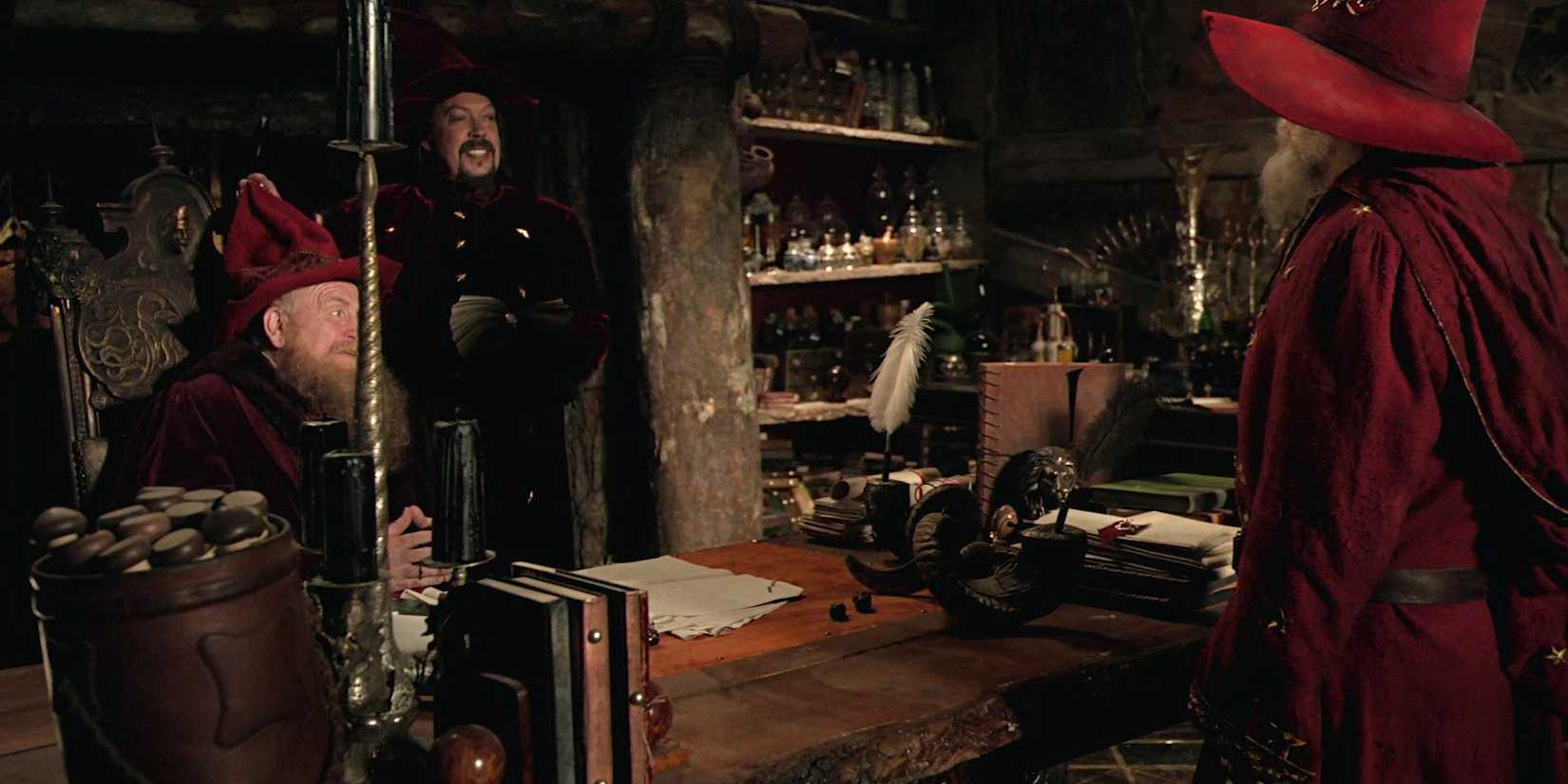
<em>The Color of Magic </em>is a two-part miniseries based on the first Discworld<em> </em>novel by Terry Pratchett. The series is primarily a fantasy-comedy, one that satirizes and parodies standard fantasy tropes to a ridiculous degree. The universe gets its name from the shape of the planet: it is a flat disc which sits on the backs of four giant elephants, which in turn sit on the back of a giant sea turtle flying through space. Sound absurd? It’s supposed to.
The Color of Magic is part of the wizard-themed subseries of the entire saga, meaning magic is delved into heavily. The magic system of Discworld is loaded with irony. First, the primary job of a wizard isn’t even to use magic, because magic is often extremely cumbersome to use, complex, and hard to control, often resulting in disaster. In this series, wizards treat magic like loading a musket. They go through a complex series of mathematical calculations to lock the spell in their brain for future use. When they need it, they use it, and it’s gone in seconds. Then they have to repeat the process all over again. Moreover, it often leaves one physically exhausted. It’s funny how lame magic actually is in Discworld, but it’s also an interesting and unique concept.
‘Dragon Age: Absolution’ (2022)
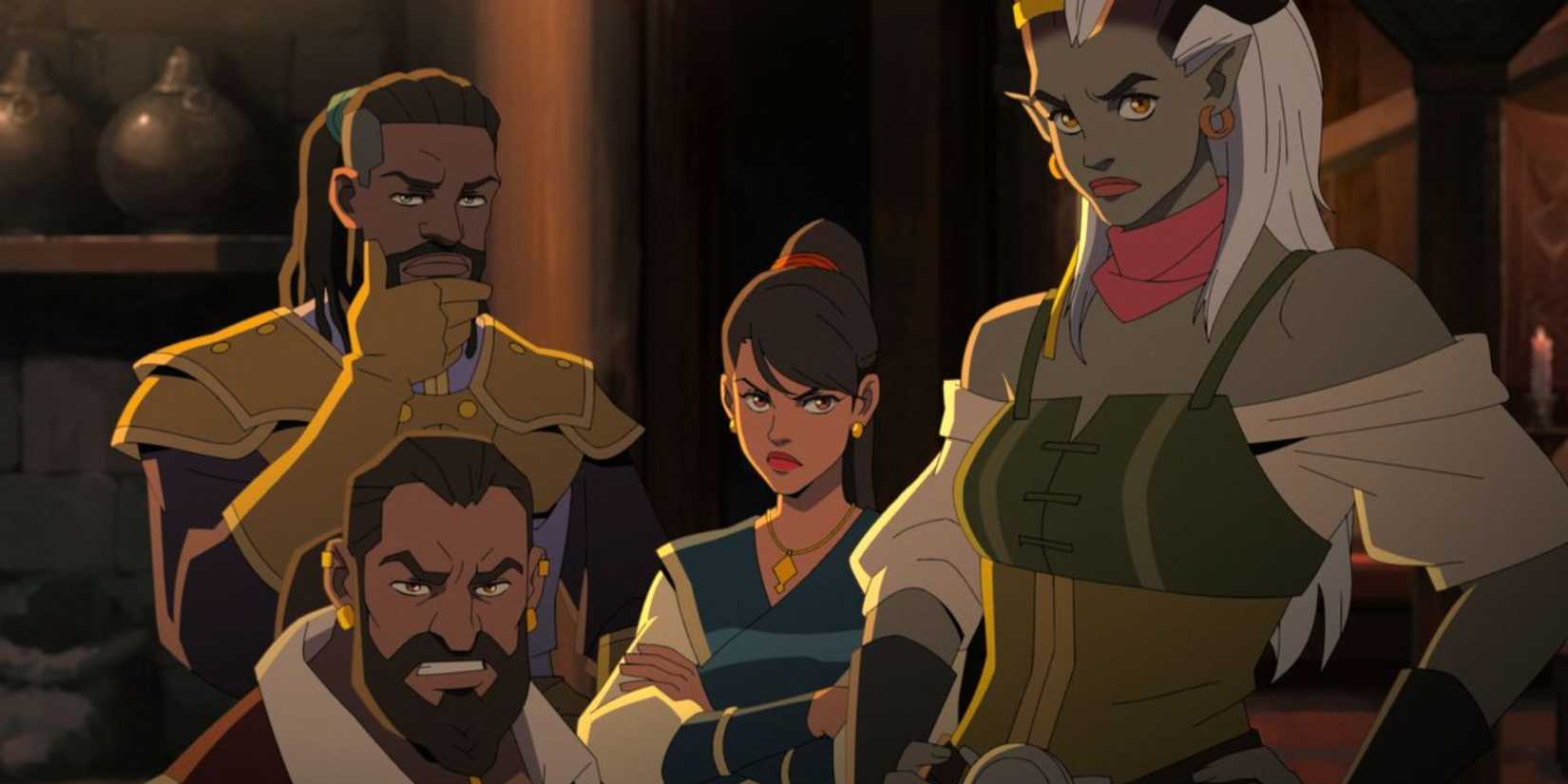
Dragon Age: Absolution received mixed reviews from audiences, since it is, after all, a video game adaptation. A lot of video game adaptations are pretty terrible. Whatever you think about this show, the magic system it borrows from the world of the games is pretty spectacular. See, in the Dragon Age universe, magic comes from a limbo-like dimension known as the Fade, which is tied to the world of dreams.
This means that only sapient species that can dream can use magic. Dwarves, for example, cannot dream, and thus cannot use magic. Those who can access magic are born with the innate gift of it — it is not something that can be learned or acquired. The way spells work is that the magic user reaches through the Veil, drawing energy from the Fade, and using it to warp reality and physics to their will. This, like many RPG games, comes at the expense of mana, a magical energy similar to one’s stamina. The miniseries doesn’t delve into this too deeply, but the games do, and while it might be very similar to other magic systems in fiction, it’s still interesting.
‘The Witcher’ (2019–Present)

The Witcher is one of those shows that’s had a less-than-impressive reception over the years, although it was loved during its first season. The series is based on the novels by Polish author Andrzej Sapkowski, so the show appropriately borrows its magic system from that. There are two major veins of magic in this world, which are used by two drastically different types of individuals.
The first is the magic used by the titular Witchers. This magic form is incredibly simple, with all Witchers having access to it, a privilege that they earn in the process of becoming a Witcher. To cast spells, they write a rune in the air, with each rune representing its own spell. For example, a fire rune will cast a fire spell. The second form of magic is that used by mages and sorceresses, which is a more classic magic system. These people tap into their own life force to cast spells,which are highly unstable and require exceptional control, so this is only limited to a few individuals. The magic isn’t too deep in this show,but it is fun to watch,and it really makes you feel the gravity and chaos of using it.
‘One Piece’ (1999–Present)
The debate around whether or not
‘The Wheel of Time’ (2021–Present)
The Wheel of Time
‘The Dragon Prince’ (2018–Present)
The Dragon Prince

[nospin]Here you can find the original article…