The origins of Judas Priest couldn’t have been further away from the metal-god reputation they would eventually enjoy.
Early frontman Al Atkins led a group called the Jug Blues Band in the late ’60s that also included bassist Bruno Stapenhill. They only played a few small-time gigs around the group’s hometown of Birmingham, England, before breaking up.
However, Atkins would continue working with Stapenhill – and the bassist was the one who turned over Bob Dylan’s 1967 album John Wesley Harding to find a song called “The Ballad of Frankie Lee and Judas Priest.” Soon, the group had a new name – and a very different future.

When Did Rob Halford Join Judas Priest?
The band struggled to get a record deal, and a frustrated Atkins left the group in 1973. By then, Judas Priest already included guitarist K.K. Downing and bassist Ian Hill. Downing would remain with the group through 2011, while Hill became the group’s longest-tenured member before stepping away in 2026.
Rob Halford replaced Atkins, breaking the career logjam. Judas Priest signed with an indie label, then with a major. They broke into the U.K. Top 40. They went gold in the U.S. with 1977’s Stained Class, then platinum with 1980’s British Steel, and eventually multi-platinum with 1982’s Screaming for Vengeance.
READ MORE: Top 10 Judas Priest Songs
The band ultimately earned induction into the Rock & Roll Hall of Fame, but not before Halford spent almost a decade – and two studio albums – away from the group that helped turn them into legends. Yet, they faced a much bigger issue over the years when it came to keeping this band together.
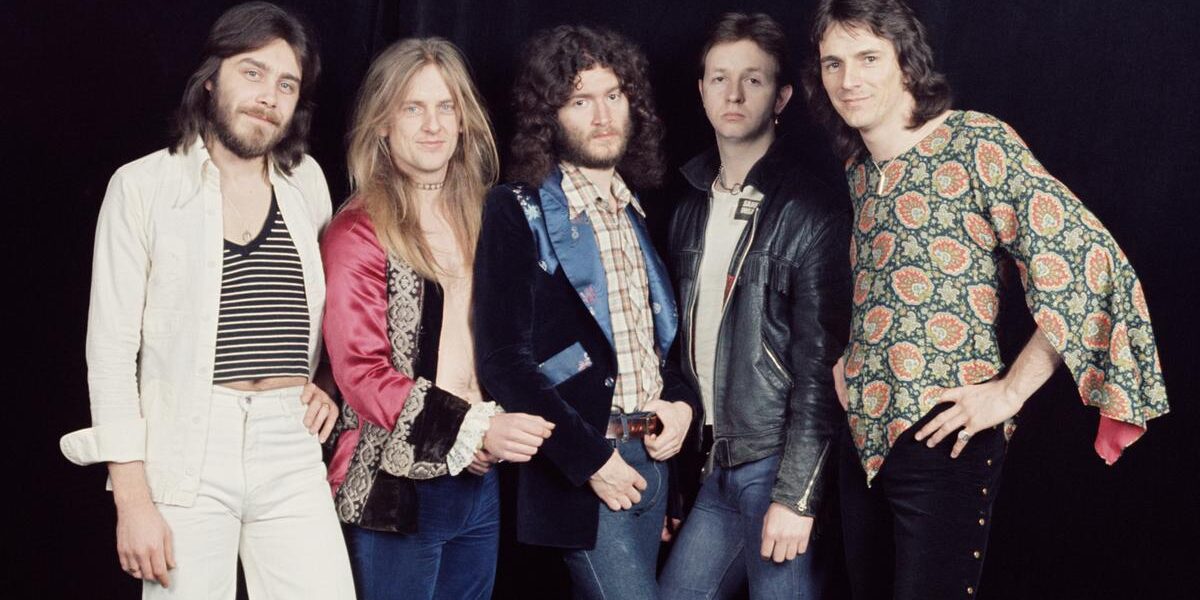
The following complete guide to Judas Priest lineup changes shows that they spent most of their career trying to hold onto a drummer. They had two in the first two years after settling on a name and three more in the first three years of the ’70s.
Should Rob Halford Have Given Solo Songs to Judas Priest?
One of them, Alan Moore, returned in time for 1976’s Sad Wings of Destiny, but soon left again. Another stayed for four years, and another for ten years before Judas Priest finally found one that stuck.
Both legacy guitarists ended up making sudden exits, though for very different reasons. See how it all unfolded through the following complete guide to Judas Priest lineup changes:
Judas Priest Lineup Changes: A Complete Guide
A chronicle of the changes Judas Priest has undergone during their reign as one of metal’s most influential and enduring bands.
Gallery Credit: UCR Staff
Listen to K.K. Downing and Tim ‘Ripper’ Owens on the ‘UCR Podcast’