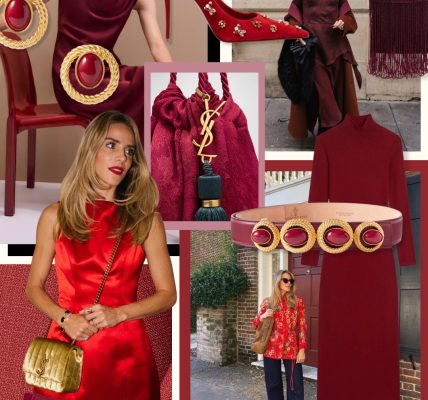
There is a theory circulating well beyond fashion circles that the swing toward low-effort, minimalist dressing is not really about comfort at all. Fashion historian Vincent Quan has pointed to muted, low-maintenance style shifts as an early economic signal, the kind of thing that shows up in closets before it shows up in a headline about the job market.
A whole genre has been made out of this, tagging blazers, quiet-luxury basics, and pared-back palettes as so-called recession indicators. The theory is that when people pull back on spending, they also pull back on the visual effort of getting dressed. Whether or not you buy the economics, the instinct tracks.
Low effort does not mean low-impact. It means the thinking happens once, in July heat, before 8 am ever asks you to make a decision you are too tired to make well. Here is how to build a summer wardrobe that runs on autopilot and still looks intentional.
Create a Capsule That Works for You
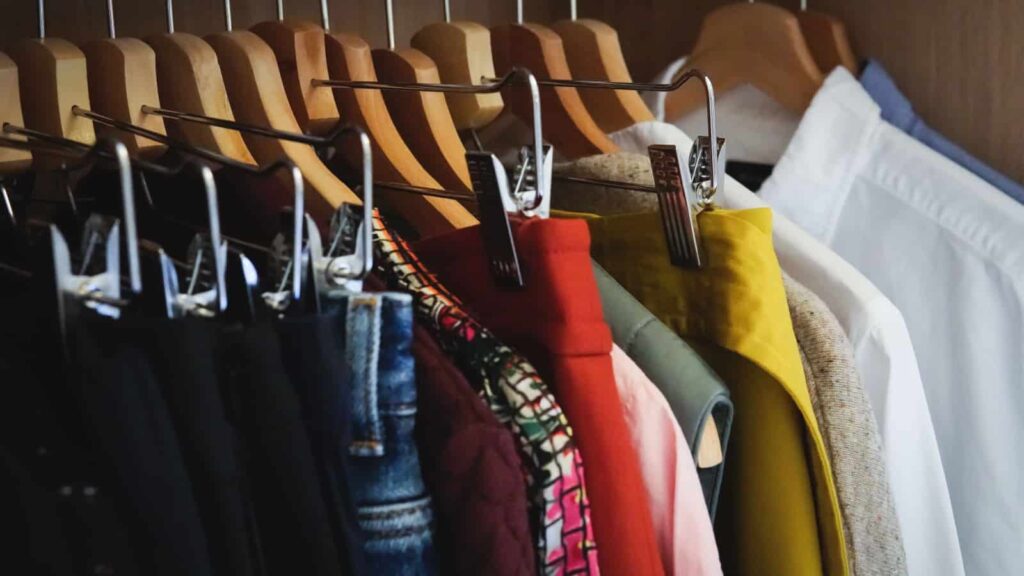
A capsule is not a restriction; it is math working in your favor. Editors at Editorialist built their 2026 summer capsule around thirteen anchor pieces, three tops, three bottoms, two dresses, two skirts, a sweater, a blazer, and a swimsuit, and pointed out that combination alone generates roughly thirty distinct outfits from that small set.
Start with a white button-down, one pair of wide-leg trousers, a slip dress, denim shorts, and a tank top; then let every new purchase earn its place by pairing it with at least four things you already own. The goal is not owning less for its own sake.
The goal is to remove the morning math so that getting dressed becomes a reflex rather than a negotiation.
Stick to a Simple Color Palette
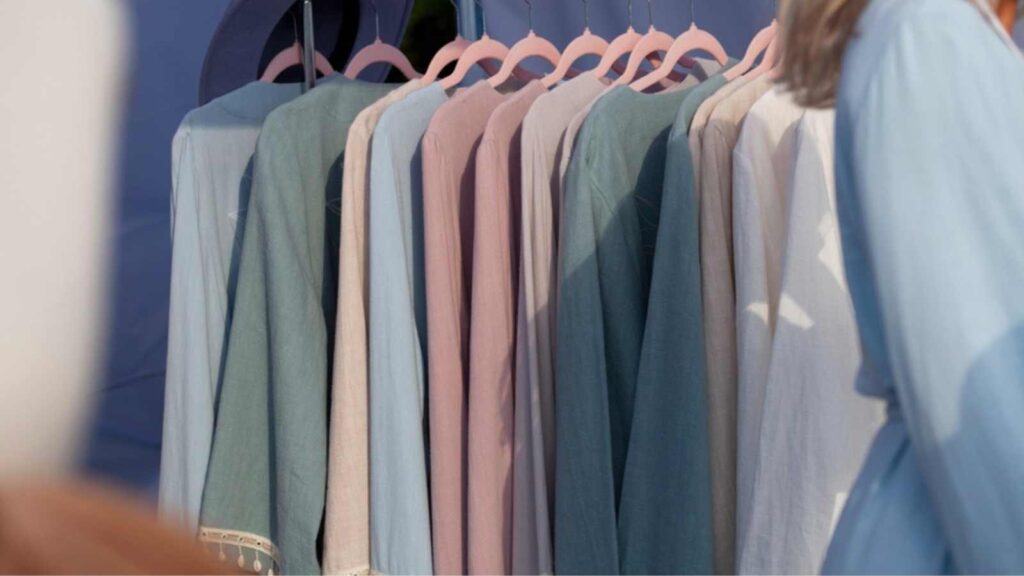
Color discipline is the quiet engine behind a wardrobe that always seems to match. Lean toward warm neutrals like cream, ivory, beige, and stone; add black and navy for grounding and an accent tone like butter yellow or sage green layered in for personality.
The logic holds regardless of your palette. Pick three neutrals and two accents; then refuse anything that cannot speak to at least two other pieces already hanging in the closet.
A tight palette lets you grab two random items at 6 am and trust they belong together—no swatch matching and no second guessing under fluorescent bathroom light.
Keep the five colors written down if you shop often since the rule only applies before checkout.
Let One-Piece Outfits Do the Heavy Lifting
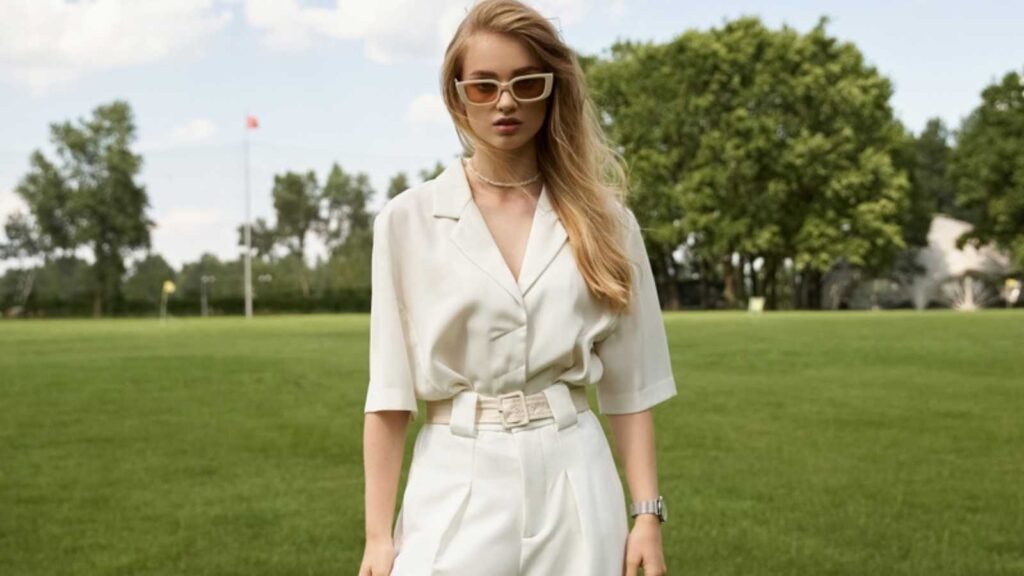
Rompers and jumpsuits solve dressing the way a good password manager solves logins: one decision unlocks everything else. The one-piece is a genuinely time-saving category because it eliminates the back-and-forth of matching a top to a bottom while reading as fashion-forward; unlike swimsuits, it holds up across seasons rather than vanishing after August.
Look for a jumpsuit with a defined waist and adjustable straps so the fit does the flattering work rather than relying solely on fabric. Add sandals and a bag—nothing else. The entire decision tree collapses into one hanger; this is precisely the point. A wide-leg jumpsuit in fluid fabric does more forgiving work through the midsection than a fitted romper; size up rather than sizing to the waistband alone.
Choose Fabrics That Beat the Heat

Georgia Tech textile researcher Sundaresan Jayaraman studied why some fabrics feel unbearable by 10 a.m., and others hold up until dinner; he found linen’s moisture vapor transport rate significantly outpaces both cotton and polyester because its rigid fiber structure keeps the weave from clinging to skin.
Cotton absorbs sweat effectively but holds onto it longer; this is why cotton tees feel damp by noon while linen dries against your body. This is not an argument against cotton entirely; it advocates for reading your closet by climate math instead of habit.
Reach for linen or linen blends on days above 85 degrees; save cotton jersey for air-conditioned indoor stretches; let the forecast pick the fiber before you choose your outfit.
Plan Outfits Before the Week Begins