Science fiction becomes truly captivating when the central idea is not the sole focus. Concepts like aliens, artificial intelligence, time travel, genetic manipulation, gender, empire, technology, and revolution can all draw interest. The stories that resonate most with readers are those that connect these concepts to the real-life choices individuals face.
This is the standard we uphold. Each book alters how readers perceive something beyond the narrative, whether it pertains to faith in progress, the longing for belonging, political allegiance, race, power, love, or the narratives societies construct to justify cruelty. You might be attracted by the concept but find yourself debating with the book long after reading it. Here are 8 sci-fi books that are masterpieces in my view.
8
‘The Three-Body Problem’ (2008)
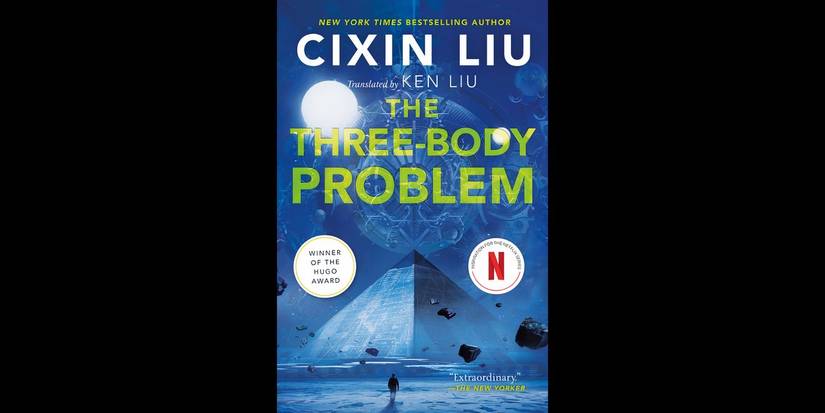
Image via Tor Books
The Cultural Revolution serves as a harsh backdrop for an alien-contact story, yet it provides context for the decisions that shape the narrative. The adaptation by Netflix fell short as it overlooked several subtleties. Liu Cixin’s original novel from 2008 follows Ye Wenjie as she witnesses her father’s death. Disillusioned with humanity, she sends a message into space inviting another civilization to Earth. Her choice stems from her experiences rather than mere villainy. She has observed people destroy knowledge and each other in the name of ideology. When an alien warning instructs her to remain silent, she defies it.
The contemporary mystery unfolds as Wang Miao navigates through scientific suicides, bizarre countdowns, a peculiar virtual-reality game, and mounting evidence of deliberate disruptions in human science. The concepts are vast, yet the most unsettling one is straightforward: first contact may come from someone who believes humanity is irredeemable. The English translation was released in 2014 and subsequently won the Hugo Award, propelling The Three-Body Problem into a global spotlight. This success is well-deserved as few books make physics, politics, and existential dread so compelling.
7
‘Do Androids Dream of Electric Sheep?’ (1968)
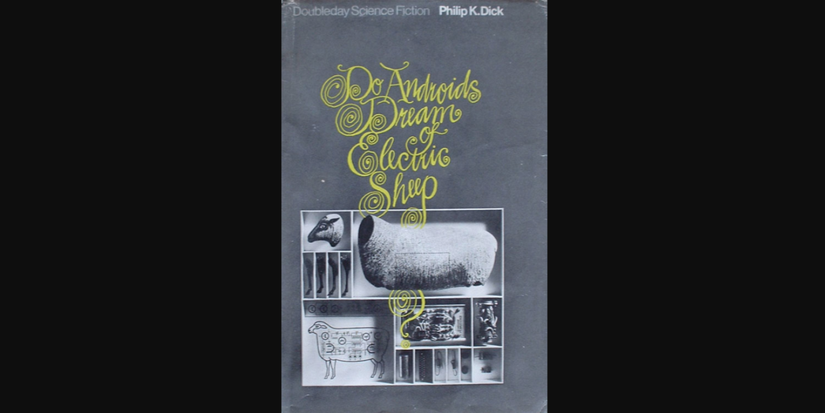 Image via Doubleday
Do Androids Dream of Electric Sheep centers on Rick Deckard, who earns a living by hunting androids and “retiring” them. The language is intentionally stark for a job that involves killing. Earth has suffered from nuclear devastation, most healthy individuals have migrated to Mars, and owning a real animal has become a symbol of empathy and social value. Rick desires enough bounty money to replace his electric sheep with a living creature. This seemingly innocent wish becomes troubling as the narrative questions whether people have turned compassion into yet another status symbol.
The androids are presumed to lack empathy, yet humans behave in cold and selfish manners. Rick gradually loses faith in the test designed to distinguish between humans and androids. Rachael Rosen complicates matters further both emotionally and morally. Philip K. Dick’s novel inspired Blade Runner, although the book delves much deeper into themes of religion, animals, Mercerism, and the complex nature of proving humanity through sanctioned behavior. Rick concludes his mission with less certainty than he began with—a discomfort that lingers long after reading.
6
‘Hyperion’ (1989)
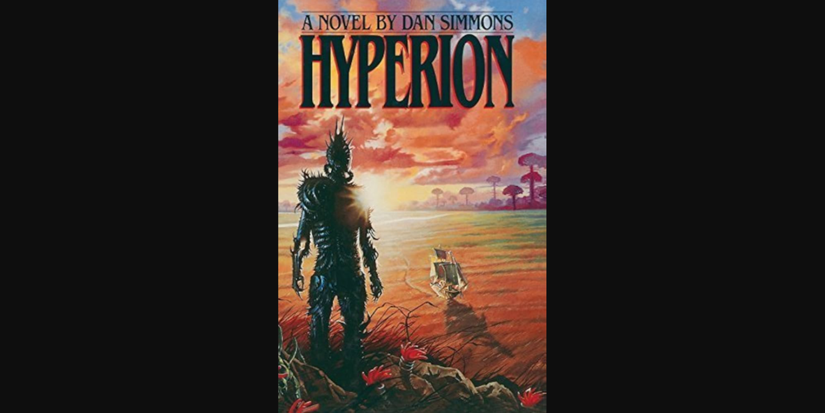
Image via Doubleday
Seven pilgrims journey towards the Time Tombs, aware that the Shrike may either kill them or grant one of them a wish. Rather than rushing headlong into confrontation, Dan Simmons’s Hyperion allows each traveler to share their reasons for undertaking this journey. These personal narratives shift the genre throughout the book—one section resembles military science fiction while another takes on detective elements or religious themes. Sol Weintraub’s tale about his daughter Rachel stands out as one of the most heart-wrenching uses of time within this genre.
Rachel begins aging backward after visiting the Tombs. Each day strips away part of her life and memory. Sol must reintroduce himself to his own daughter every morning while grappling with whether the Shrike truly desires her as a sacrifice. That narrative alone could sustain an entire novel on its own. Surrounding this story are elements like the Hegemony, TechnoCore, farcasters, Ousters, and an impending war that expand the narrative scope further. Though Hyperion won the Hugo Award, its enduring power lies in something less formal—each pilgrim reaches the same destination but for vastly different reasons.
5
‘Neuromancer’ (1984)
This is arguablyWilliam Gibson‘s finest work. Case has lost access to cyberspace and finds little interest in life outside it. Once a talented hacker until his employers damaged his nervous system after he stole from them, he receives an offer from a mysterious employer to repair him in exchange for one last job. Molly—a mercenary equipped with implanted lenses and retractable blades—keeps him alive while he attempts to uncover who hired them and what their true target is.
New readers are often shocked by how much modern technological terminology seems to originate from this book—terms like cyberspace, digital identity, corporate power, artificial intelligence, virtual environments, and body modifications are all woven into a narrative published before the internet became integral to daily life. YetNeuromancer never reads like a mere prediction exercise. Case is an addict while Molly has her own past struggles, and the artificial intelligences Wintermute and Neuromancer pursue objectives that humans barely comprehend. The novel garnered multiple accolades including Hugo, Nebula, and Philip K. Dick Awards due to its significant influence while maintaining a raw criminal energy that prevents it from becoming dated.
4
‘Kindred’ (1979)