
What matters most for adapting The Dark Tower?
- Story pacing The adaptation needs enough time to preserve the novels’ flashbacks, character development and intersecting adventures.
- Series structure The Expanse and One Piece show how an adaptation can follow the source material’s major installments without rushing toward an ending.
- Connected worlds The Dark Tower links Stephen King stories through Roland Deschain’s journey toward the Tower.
- Adaptation trade-off A book-by-book approach could protect the story’s pacing, even if the series does not reach all seven main books.
Mike Flanagan’s The Dark Tower adaptation is an ambitious project whose success depends on giving Stephen King’s fantasy series room to unfold. This article considers how the show could preserve the novels’ pacing, using The Expanse and One Piece as examples of adaptations structured around their source material. The central consideration is pacing.
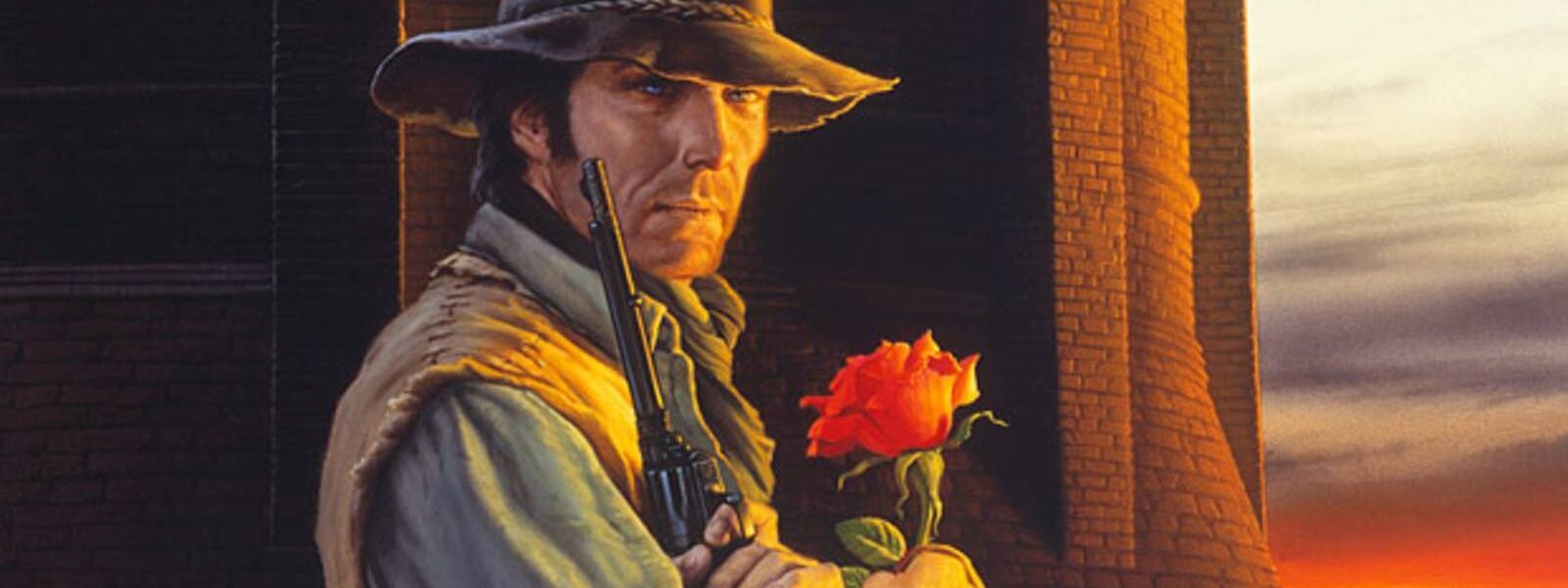
Mike Flanagan is developing a new universe with Prime Video based on King’s monumental series. The Dark Tower spans seven main books and follows Roland Deschain, a gunslinger in a post-apocalyptic fantasy Western world, as he tries to reach the Tower, a pinnacle connecting all realities. Roland travels with his ka-tet, a group drawn from different worlds and times, and the books position the Tower as connective tissue between many of Stephen King’s stories.
The series’ scope extends beyond its seven main books: an eighth book takes place in the middle of the tale, and other King stories, including The Stand, ‘Salem’s Lot and Hearts in Atlantis, connect directly to it. Flanagan’s Carrie TV show could also be understood as one level of the Tower, or a world within the larger fictional universe. That breadth makes pacing and structure central to adapting the story faithfully.
How can The Dark Tower adaptation match the books’ pacing?
The Dark Tower adaptation needs to preserve the novels’ deliberate pacing, including long flashbacks, multidimensional journeys and substantial character development. Flanagan has said he has a multiseason plan for the books, but the episode-by-episode structure must also give those elements time to work. The novels’ pacing depends on room for expansive adventures and developed characters.
The Dark Tower combines extended flashbacks, journeys across dimensions and deeply developed characters.
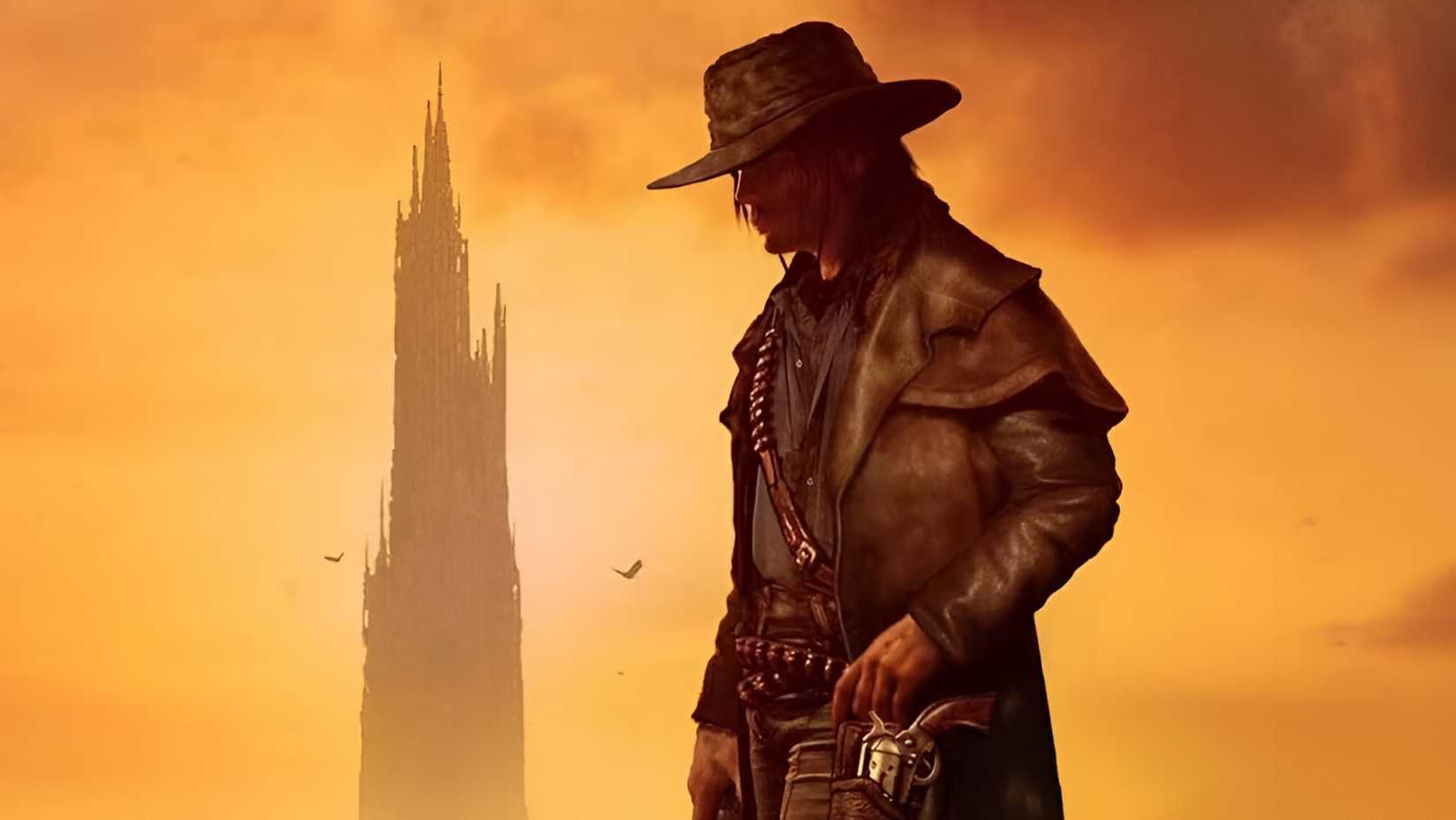
Without those qualities, the adaptation could lose what gives The Dark Tower its distinctive scale. A multiseason plan gives the story space, while careful episode pacing determines whether each book’s flashbacks, character arcs and journeys can be developed onscreen. Adapting the novels requires pacing their story elements, not simply spreading them across multiple seasons.
A season for each book could help the show follow the source material, although later books might require more episodes. That approach would make room for the novels’ detail, but it could also mean the series does not reach all seven books. The trade-off is between giving each installment sufficient space and completing the entire story.
What can The Expanse and One Piece teach The Dark Tower?
The Expanse and the live-action One Piece offer examples of adaptations that organize their stories around major source-material installments. The Expanse adapted the books book by book, while One Piece has generally covered one major story arc per season. Neither example guarantees a complete adaptation: The Expanse did not adapt its final three books, and the release pace described for One Piece means audiences may not see Luffy become King of the Pirates in live action. Both series prioritize installment-based storytelling over rushing to the conclusion.
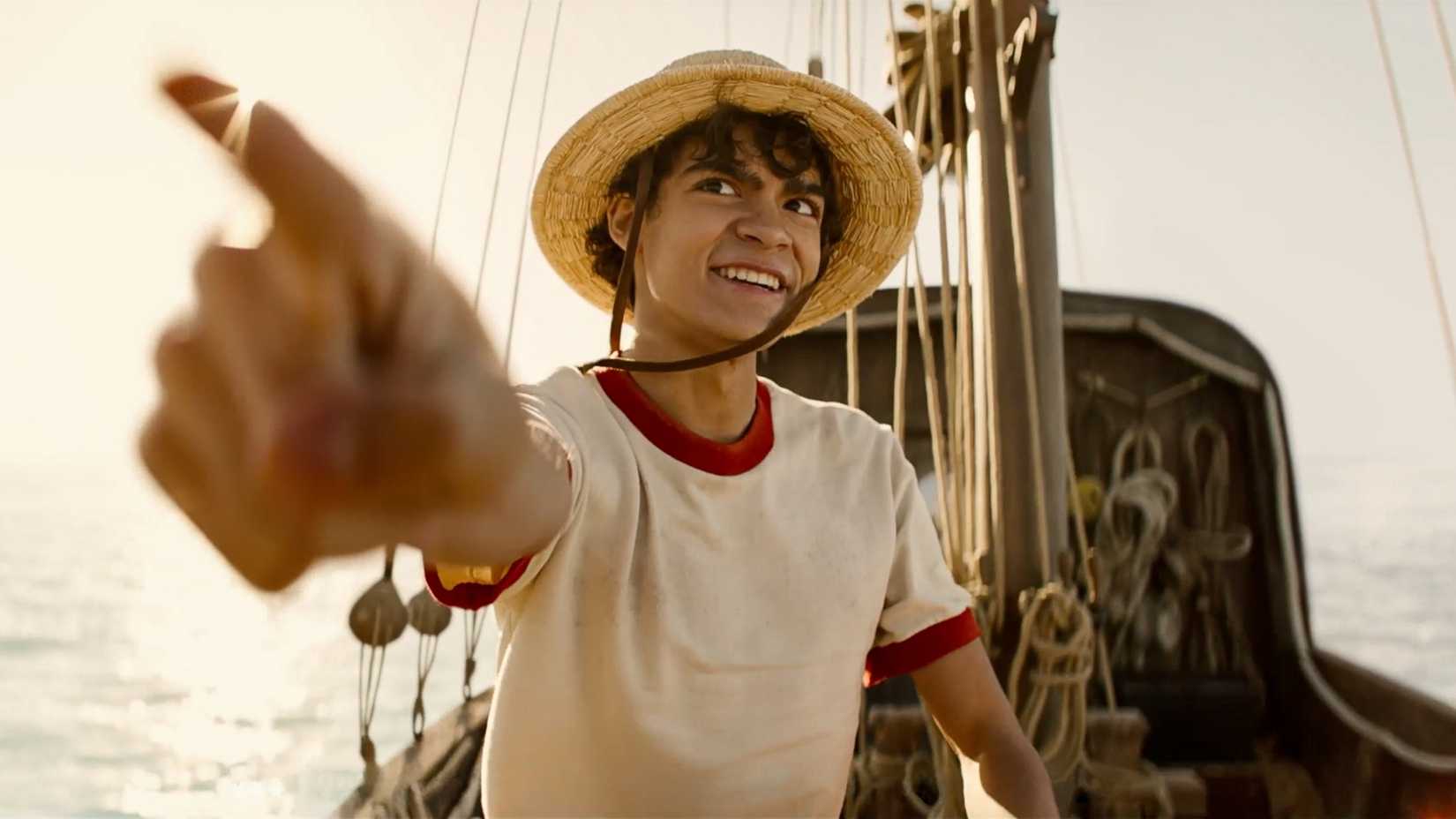
Both adaptations stayed close to their source material instead of accelerating later storylines simply to provide a quick ending. That approach could suit The Dark Tower, where a season for each book would let the television story follow the novels’ structure. A book-by-book approach favors faithful pacing over a guaranteed adaptation of every book.
Seven seasons would be a major commitment, and a season-per-book plan would not ensure the show reaches the end. Still, the examples of The Expanse and One Piece illustrate the trade-off: a series can preserve the pace and shape of its source material even when it does not adapt the complete story. For The Dark Tower, that structure would prioritize the novels’ storytelling over a rushed conclusion.

- Upcoming TV Shows
-
The Dark Tower
- Movie(s)
-
The Dark Tower
- Character(s)
-
Roland Deschain, The Man in Black, Jake Chambers, Eddie Dean, Susannah Dean, Oy, The Crimson King, Stephen Deschain, Sayre, Tirana
What is The Dark Tower about?
The Dark Tower follows gunslinger Roland Deschain and his companions as they journey toward the Tower, which connects multiple realities. The series also links to other stories by Stephen King.
How many main books are in The Dark Tower series?
The Dark Tower has seven main books, along with an eighth book that takes place during the main story. Other King stories also connect to the series.
Why do The Expanse and One Piece matter as examples?
The Expanse and One Piece structure their adaptations around major source-material installments. Their examples show how an adaptation can preserve story pacing without necessarily adapting the entire source.