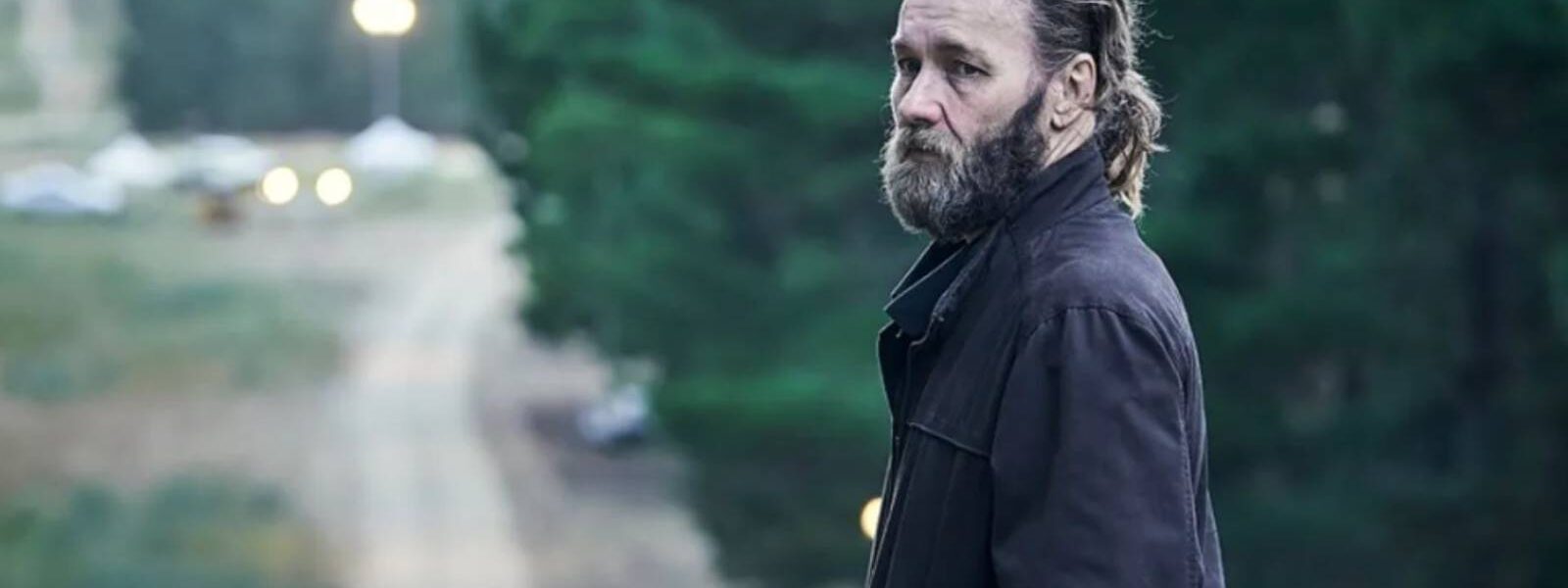
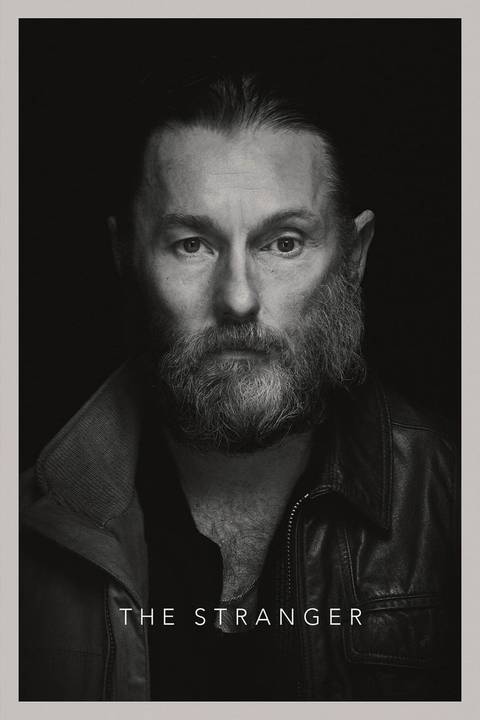
The Stranger arrived on Netflix quietly, much like its plot unfolds, leaving viewers with lasting chills and impressions long after the credits. This film about a serial killer is based on a true story, focusing on a person of interest (named Henry Teague in the film and portrayed by Sean Harris) who was suspected of abducting a child, prompting the Australian police to initiate a sting operation aimed at obtaining a confession. The real-life events are terrifying enough, but director Thomas M. Wright’s film is a masterclass in dread, permeating every aspect of the narrative, atmosphere, and characters. Joel Edgerton also stars as undercover cop Mark, who closely interacts with Henry, delivering a haunting performance that highlights the profound impact of crime on all involved.
‘The Stranger’ Is Based on a True Story
Everything about The Stranger envelops you in a cocoon of dread, starting from the moment the words “based on a true story” flash across a black screen. It draws inspiration from an actual Australian sting operation that took place during an eight-year manhunt for Brett Peter Cowan, who was investigated for the abduction and murder of 13-year-old Daniel Morcombe (James Liston in the film). As Edgerton shared with The Sydney Morning Herald, the identities of everyone involved were altered to protect them, and he did not meet with the real undercover officer “because we were investigating the truth, taking that truth and telling a fictionalized version of it, which is about protecting everyone involved.”

The 10 Best Movies Based on True Crimes, Ranked
Get to know some of history’s most prolific criminals.
Mark’s real counterpart indeed befriended the suspect and drew him into a fake crime ring set up by the police to record a confession, which is legal and admissible in court in Australia. The film is based on a book detailing this covert operation, The Sting: The Undercover Operation That Caught Daniel Morcombe’s Killer by crime reporter Kate Kyriacou, although much of the narrative is fictionalized. This allows The Stranger to convey the genuine dread that overshadowed every aspect of the investigation, enhanced by Wright’s strong direction. The film alternates between Mark and Henry working together and the background police efforts, constantly reminding us that Henry, who appears as an ordinary yet peculiar man, harbors something far more sinister beneath.
Dread Creeps Into the Atmosphere of ‘The Stranger’
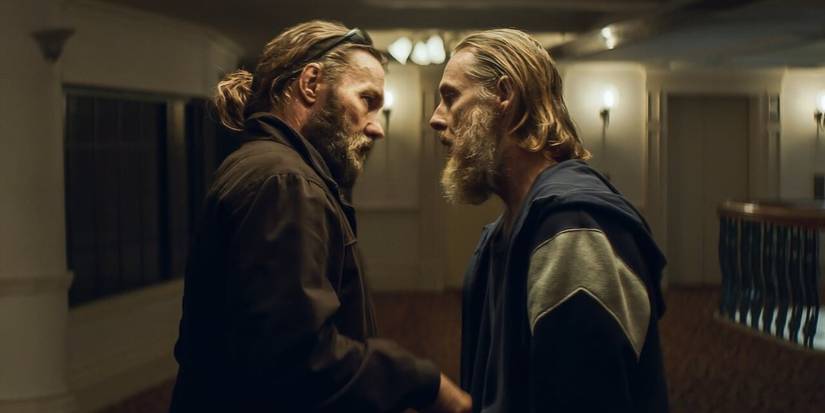
We are continually reminded of Mark’s objective and anticipate the confession, creating an impending sense of doom over their friendship and ordeal. When we first encounter Henry, he meets a stranger on the bus who introduces him to Mark and offers him a job within this elusive crime enterprise. Harris embodies the vacant stare of a haunted man, often muttering he “doesn’t do violence,” crafting an eerie presence that irresistibly draws our gaze. As the film progresses along with their central “friendship,” Harris combines his enigmatic demeanor with bursts of mania, sending shockwaves through us as he disrupts the film’s quiet gloom.
The dim lighting strains our eyes throughout the movie, primarily interrupted by cold and harsh scenes depicting police work led by Jada Alberts as the lead detective. The darkness imbues events with a sense of corruption and deceit, as if it is eroding the film from within under the weight of its material. Coupled with the unsettling score, each narrative beat leaves us profoundly unsettled. Meanwhile, the stark lighting during police scenes and Alberts’ somber narration serve as guiding truths that remind us of our purpose within this investigation.
Edgerton Plays a Haunted Undercover Cop in ‘The Stranger’
The dread generated by these events affects everyone involved, especially Mark, who grapples with the cost of maintaining a secret identity while dealing with Henry’s dark influence on him. Edgerton’s intense performance conveys the weight of this traumatic work through short sentences and an often-drifting gaze when not undercover. Even his disguise is unsettling, featuring a rugged beard and hunched posture that mirror Henry’s appearance, creating subconscious connections between them. This disquieting aspect is further emphasized by innocuous scenes featuring Mark with his son, which remind us of his internal struggle — he is attempting to befriend someone suspected of being a child killer.
Wright meticulously examines Mark’s inner turmoil through dream sequences seamlessly integrated into the narrative. He frequently awakens to Henry’s face invading his dreams, with one particular nightmare tapping into his paternal instincts where Henry sits calmly at his son’s bedside. Mark’s fears, uncertainties, and mounting pressures manifest in these ominous scenes, intensifying the inescapable dread as this sting operation ensnares Mark, Henry, police officers, and viewers alike in its dark grip.

Here you can find the original article; photos used in our article come from this source for informational purposes with proper attribution.[nospin]