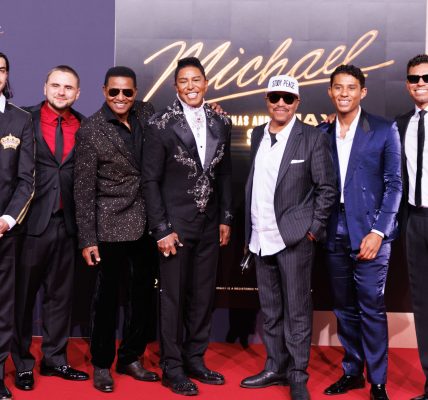


Atlanta is now the third-largest production hub in the United States, trailing only Los Angeles and New York. Marvel, Tyler Perry Studios, Netflix, and dozens of streaming productions have built infrastructure across the metro area, drawing celebrities and crew from around the world. The result has been a cultural shift in the city, with red carpet events, on-location shoots, and high-profile cast members becoming a routine part of life around Pinewood Studios in Fayetteville and the soundstages along the I-285 corridor. However, the boom in production has also brought a steady increase in on-set accidents, and many performers and crew arriving from out of state are not familiar with how Georgia handles personal injury claims.
How Atlanta Became Hollywood of the South
The transformation began in 2008 when the Georgia legislature passed one of the most generous film tax credit programs in the country. According to the Wikipedia overview of film in Georgia, the program offers up to a 30 percent transferable tax credit on qualified production expenditures, with no cap on the total dollar amount that can be claimed. This resulted in a tidal wave of investment, and by the mid-2010s Georgia had quietly become one of the busiest production states in the country.
That ecosystem now supports tens of thousands of jobs in lighting, camera work, stunts, hair and makeup, transportation, catering, and post-production. Atlanta-based crews often work seven-day shoot weeks across multiple shows. The infrastructure has matured to the point where major Marvel features, prestige series like Stranger Things, and big-budget streaming originals are routinely produced almost entirely within the state.
The Reality of On-Set Injuries
Film and television production carries real physical risks. Lighting rigs can fall, stunt sequences may misfire, set pieces can collapse, and vehicles used in chase scenes might spin out of control. The 2021 fatal shooting on the set of Rust, where cinematographer Halyna Hutchins was killed by a prop firearm, brought sustained public attention to safety standards governing the industry. Major outlets such as the Associated Press covered the fallout extensively, leading to ongoing conversations about set safety across union locals and producers’ guilds.
In Atlanta, the volume of production means that risk is distributed across dozens of active sets at any given time. Most accidents are relatively minor; however, more serious cases involve crew falling from scaffolding, drivers involved in motor pool collisions, and performers injured during stunts that were not adequately rehearsed or supervised. The Occupational Safety and Health Administration has jurisdiction over many of these workplaces, while Georgia provides its own workers’ compensation framework for crew employed by union or signatory productions.
The complication for celebrities and out-of-state crew is that they often arrive in Atlanta with insurance, agents, and a home-state legal team—none of whom may be familiar with Georgia law. The state has its own rules on comparative negligence, statute of limitations, and damages that govern any claim arising from an injury on a Georgia set, regardless of where the injured party normally resides.
Why Georgia Law Matters Here
Georgia follows a modified comparative negligence rule. An injured party can recover damages only if they are found to be less than 50 percent at fault for the accident; if they are at least 50 percent at fault, recovery is barred entirely. Any percentage of fault below that threshold reduces recovery proportionally. For high-stakes cases involving stunt performers, dancers, and on-set drivers, this rule can become a central battleground.
The statute of limitations for most personal injury claims in Georgia is two years from the date of injury. For minors and some wrongful death claims, different timelines may apply. Out-of-state cast and crew who return home after a shoot wraps sometimes discover an injury months later when the legal window has already started to close.
Georgia also handles workers’ compensation cases through a state administrative system that is generally faster than civil litigation but caps recovery available. A separate civil claim against a third party—such as an equipment manufacturer or a contracted stunt coordinator—can sometimes be pursued concurrently.
For an experienced perspective on production-related injury cases in metro Atlanta, Van Sant Law has handled personal injury matters across Georgia for years—including catastrophic injury claims and motor vehicle collisions. Their familiarity with Georgia procedures can significantly impact clients who are celebrities or out-of-state crew members whose primary representation is based elsewhere.
What Cast and Crew Should Do After an On-Set Injury
For anyone injured on an Atlanta set, immediate priorities should be medical attention and documentation.
Get evaluated by a qualified medical professional even if injuries seem minor; concussions or soft tissue injuries may present hours or days after an incident. While production-arranged medical care is acceptable to accept, it’s advisable to have an independent evaluation by a physician of your choosing.
Document the scene thoroughly; photos of equipment, location details, and any safety issues contributing to accidents are crucial. Statements from crew members who witnessed events can also be invaluable later.
Preserve all communications related to the incident; emails, call sheets, daily production reports, and safety briefings issued before incidents may all become part of future claims. Productions typically have detailed internal reporting requirements that can support strong cases.
Be cautious with social media; public statements about injuries—especially from recognizable performers—can be used during negotiations or trials. A recovery selfie or behind-the-scenes video may inadvertently affect claim value.
Atlanta’s film economy will continue expanding alongside increasing accident volumes that accompany it. For celebrities and crew passing through Atlanta, understanding how Georgia personal injury law works can mean the difference between fair recovery and permanent loss.