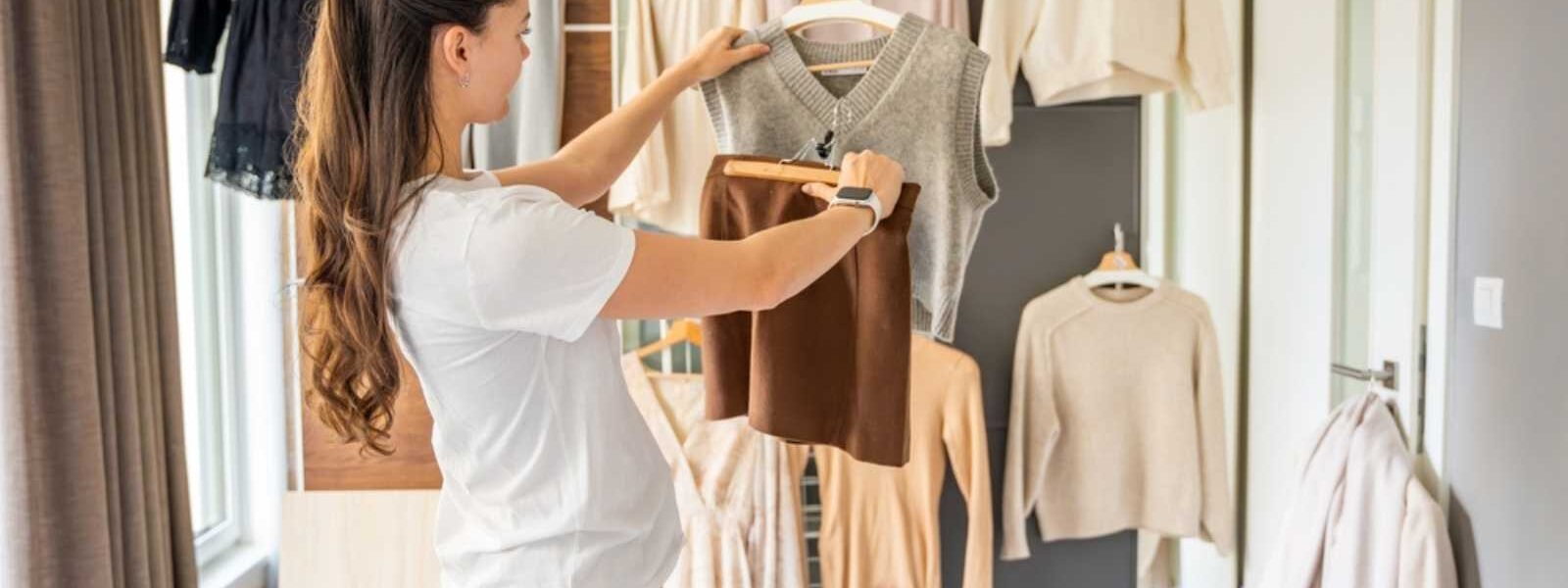
Psychologist Roy Baumeister coined the term “decision fatigue” to describe how the quality of choices declines as a person makes more decisions throughout the day.
Clothes count toward that tally whether anyone admits it or not: the tie between top and bottom, the fabric versus the forecast, the version of the outfit sturdy enough to survive a commute and still hold up at dinner. None of that feels dramatic in isolation, but it stacks up before eight a.m., on top of every other decision the day is already asking for.
A one-and-done outfit is a way of spending that budget somewhere better. The twelve picks below are built to survive a full day without a wardrobe change, chosen for construction as much as color, with real attention to how each one performs on a curvier body in actual heat, not just in a studio photo.
Key Takeaways
- One-and-done outfits save decision energy, not just time; fewer morning choices mean more mental bandwidth left for the day.
- Construction beats print: wrap ties, bias cuts and drawstring waists do the flattering work that fabric pattern can’t.
- Color has physics behind it; light shades reflect heat, so a white or pastel maxi runs measurably cooler than a dark one.
- History repeats for a reason: the caftan, wrap dress, jumpsuit, and slip dress all became staples by solving the same problem, versatility without a wardrobe change.
- A tonal uniform or a base dress, restyled with accessories, can yield a week’s worth of outfits from a single well-fitted piece.
Disclaimer: This list is solely the author’s opinion based on research and publicly available information. It is not intended to be professional advice.
Like our content? Be sure to follow us
Caftan
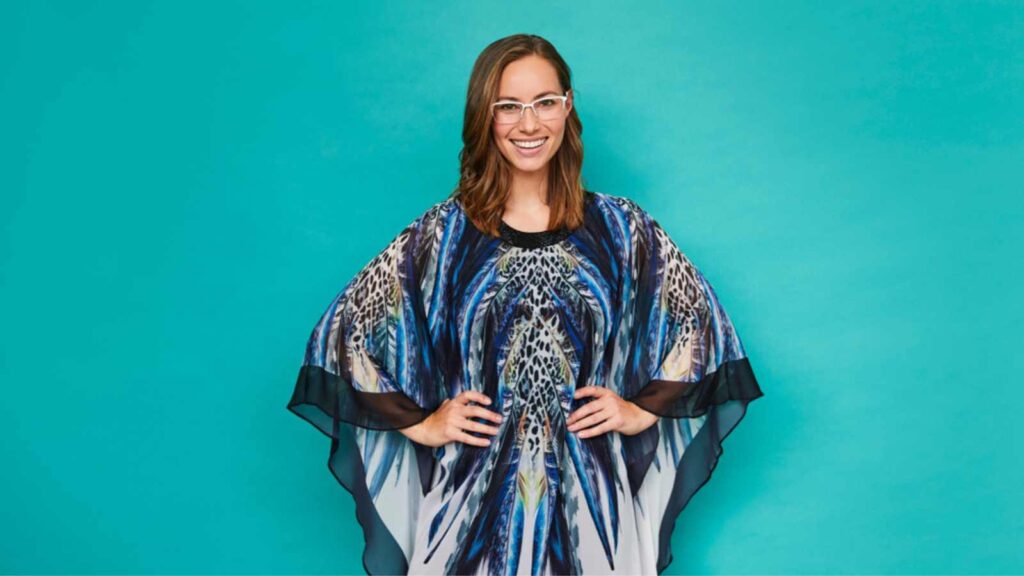
Diana Vreeland treated the caftan as one answer for every summer occasion rather than a beach afterthought. When Yves Saint Laurent’s fascination with Marrakesh met her own restless love of travel in the 1960s, the caftan crossed over from souvenir to staple, and Vreeland described it as one of the most versatile pieces a woman could own, suited to a backyard barbecue or a black-tie dinner without a costume change.
That logic holds especially well for curvier bodies: a caftan skims rather than clings, so the construction does the flattering rather than the restriction. Pick one in a heavier weave so it drapes with intention rather than floating shapelessly, then add a wide belt or waist tie wherever you want definition. One caftan, zero decisions, every plan covered.
Wrap Dress
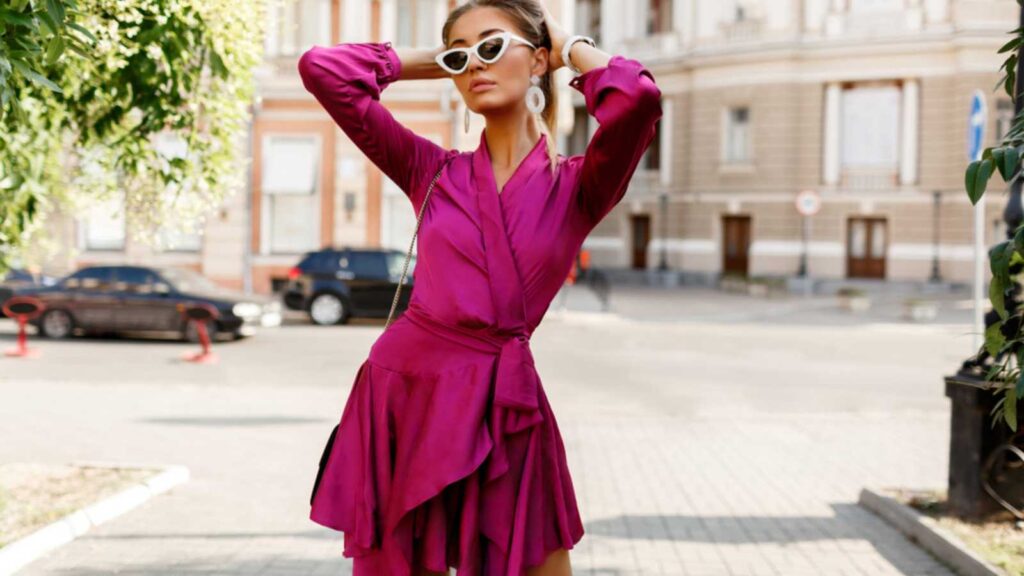
Diane von Furstenberg built her wrap dress in 1974 after seeing Julie Nixon Eisenhower on television in a matching wrap blouse and skirt, then turned that image into a single garment a woman could tie on for the office and untie into evening wear.
Oprah Winfrey has said she saved up as a young reporter just to own one because owning a DVF meant something beyond fabric. The wrap’s real power sits in its self-adjusting waist tie, which finds an actual waistline instead of guessing from a size chart; this detail plus-size shoppers know solves fit problems that a zipper cannot address. Choose a jersey knit so the dress moves through a full day instead of fighting it.
White and Pastel Maxi Dresses
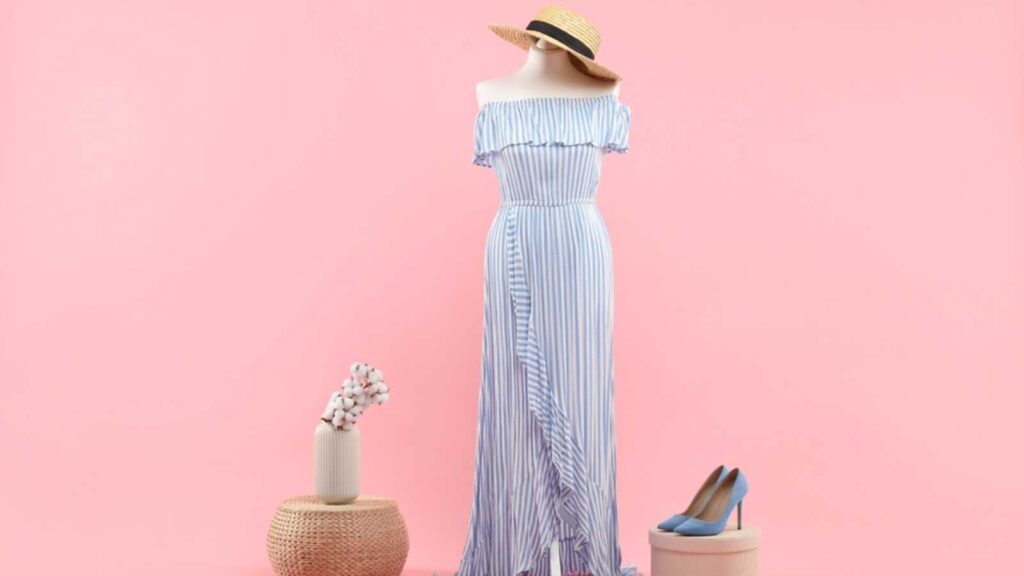
Color behaves according to physics before it behaves according to style through a mechanism called albedo; this is the same principle that keeps snow cooler than dark soil.
Light colors reflect most incoming sunlight instead of converting it into heat; this is why a white or pastel maxi dress genuinely runs cooler against skin than the same dress in black or navy—this difference is measurable and not just felt.
For a plus-size body moving through direct sun for hours, that difference is significant. Pair a soft coral or sky-blue maxi with natural fibers like cotton or linen since color handles reflecting while weave manages airflow; neither does the full job alone.
Shirtdress
Claire McCardell spent the 1940s arguing that clothing should move the way American women actually lived; her popover dress—a wrap-style shirtdress built for wartime fabric shortages—proved that one garment could carry an entire day.
She told an interviewer in 1955 that clothes had to be designed for the lives women lead now—not those French couture imagined for them; this practicality translates directly to plus-size dressing: A shirtdress with defined shoulder seams and button plackets gives structure without gripping—letting the body set the silhouette rather than relying on corsets.
Roll up your sleeves and cinch your self-belt; this same shirtdress works at both farmers’ markets and client lunches.
Slip Dress

When Calvin Klein sent bias-cut slip dresses down the runway for spring 1994—this look borrowed openly from lingerie and pajamas yet somehow became almost overnight’s new definition of elegance.
Fashion journalist Lisa Marsh has argued that no one wears slip dresses today without owing Klein debt since his clean lines replaced eighties excess with something that required almost no styling.
For fuller figures—a bias cut does real structural work following body curves instead of fighting them—so this dress needs no shapewear architecture underneath to read as put-together.
Layer it under linen shirts during daytime; let it stand alone once the sun drops.
Wide-Leg Jumpsuit

The jumpsuit began in 1919 as safety gear for parachutists—and by the 1930s Elsa Schiaparelli had reworked it for women who wanted freedom of movement without waiting for permission.
World War II cemented this style further when women stepping into factory jobs wore utility jumpsuits durable enough for full shifts—the garment now recognized through Rosie the Riveter images.
That workwear DNA still shows up in well-cut wide-leg jumpsuits where drop crotches and elastic or drawstring waists were engineered for real movement rather than runway walks.
Look for interior snaps at crotch seams so bathroom breaks don’t require undressing entirely—a detail worth more than any print.
Linen Top-and-Trouser Set

Georgia Tech textile researcher Sundaresan Jayaraman has pointed out that cotton absorbs sweat effectively but holds onto it—leaving fabric clammy in real heat—while linen’s structure lets moisture move through and evaporate faster.
That difference matters more than marketing when one outfit has to survive humid commutes and outdoor lunches without changing clothes.
A linen trouser-and-top set delivers fiber breathability without cling some knits create across midsections—and wide-leg trousers skim rather than outline.
Buy sets slightly oversized on top; let natural wrinkles read as texture—not mistakes—since linen was never meant to look pressed.
Printed Co-Ord Set
 Image Credit: Franklin Santillan A./Pexels
Searches for matching separates have climbed sharply in recent years—and coverage tracking summer 26 points to coordinated sets in linen and cotton blends as dominant stories in warm-weather retail this season.
The appeal is mechanical rather than purely aesthetic; when tops and bottoms already match in color and fabric—the outfit is finished before any styling decisions get made!
A printed co ord set works especially well on curvier frames because unbroken patterns across both pieces read as single continuous lines rather than two silhouettes competing for attention!
Add sandals and sunglasses—and outfit needs nothing else—no second guessing required!
Curve-Friendly Tank Dress
Image Credit: ali Shot80/Pexels
Grading size eight patterns up to twenty by widening every measurement equally does not produce garments fitting because bodies do not expand at same rates everywhere—the bust waist hip grow at different rates as sizes increase!
Pattern technicians address this through cut-and-spread methods adding volume at specific points rather than stretching whole shapes uniformly—which is technical difference between garments built curves versus merely enlarged ones!
Structured tank dresses cut this way sit at natural waist rather than riding up—and armholes stay close rather than gaping! Fit engineering precedes style—and well graded dresses prove every time they’re worn!
Versatile Structured Dress
Image Credit: Vera Petrunina/Shutterstock
Psychologists Sheena Iyengar Mark Lepper found their well-known jam study shoppers faced fewer choices bought more felt satisfied what they picked—a finding applies directly summer dressing!
One structured dress neutral color restyled through accessories removes overload packed closet while still producing five distinct outfits! Swap leather belts woven ones trade sandals espadrilles layer denim jackets once sun drops same dress reads five separate decisions already made!
Plus-size dressing specifically means fit only has solved once—not five separate times!
Vertical Color Blocking
Image Credit: Nia Mkela/Pexels
Stylists who work specifically plus-size clients often use specific trick open contrasting overlay worn atop monochrome base builds two unbroken vertical lines down body—effect stylist called architectural way lengthen frame rather conceal!
Visual logic simple eye follows longest unbroken line silhouette color blocking within single hue family does work without demanding diet size change!
A tonal dress paired sheer open cardigan slightly different shade achieves same column effect far less effort hunting single perfect print! Geometry does flattering here—not fabric itself!
Tonal Summer Uniform
Image Credit: Thirdman/Pexels
Barack Obama said deliberately wears only gray blue suits saving mental energy decisions matter more than outfits!
Applied summer wardrobes tonal uniforms core palette repeated across top bottom accessories works same way suit does outfit turns automatic instead debated every morning!
Build uniform around single flattering neutral like olive terracotta every piece coordinates with every other piece! Dress gets decided once checkout—not daily after that!

Here you can find original article photos images used our article also come from this source We are not their authors they have been used solely informational purposes proper attribution original source .