Airlines mishandled roughly 24 million bags worldwide in 2025, and transfer connections, the layovers most international trips depend on, caused 39 percent of those cases, according to the aviation technology firm SITA’s 2026 Baggage IT Insights report.
Frequent travelers learn to treat that risk as math rather than bad luck, which is why those who fly the most tend to check exactly one bag, kept under 20 kilograms, rather than gambling on three separate pieces of luggage with three separate chances of delay or damage.
Clothes built for a larger frame often take up more physical space per item than straight-size counterparts, which makes the instinct to overpack even stronger and the cost of getting it wrong even higher, both in baggage fees and in what happens if that one bag never shows up.
The fix isn’t fewer options, it’s smarter ones, built to survive a jet-lagged arrival in a country where the rules and the help desk both work differently. These 12 strategies get you there in one bag.
Create a Capsule Wardrobe
Image Credit: Alxcrs/Shutterstock
Most overpacking happens because plus-size travelers have been burned by clothes that looked fine in the mirror and fought them by hour three, so the instinct is to bring options as insurance.
A capsule wardrobe kills that instinct at the root by forcing every piece to answer to every other piece before it goes in the bag.
Ten items built around one palette can produce more than a dozen distinct outfits, so the suitcase gets lighter while the options expand.
Nicole Russo, lead stylist and CEO of the styling firm Let’s Get You, builds her travel capsules around two questions: what will the weather demand and what will the itinerary demand.
Get those two answers right and the wardrobe stops being a guessing game.
Pack One Great Jean
Image Credit: JACKREZNOR/Shutterstock
Denim is the item most plus-size travelers get wrong, either sizing up into something baggy through the waist or settling for a stiff fabric that never breaks in before the trip ends.
That means prioritizing stretch content, rise, and a wash dark enough to double for both daytime and dinner, rather than buying whatever fits off the rack. A single well-fitted pair replaces the three mediocre ones most people pack out of doubt.
The fit conversation matters more than the fabric conversation for extended sizes, since a great stretch denim in the wrong rise still creates the gap or dig that makes travel days uncomfortable by hour six.
Choose Merino Wool
Image Credit: j.chizhe/Shutterstock
Cotton feels like the safe choice for travel because it is familiar, but it holds onto sweat and odor in a way that becomes a real problem by day three of a trip with limited laundry access. Merino wool solves this at the fiber level rather than through a chemical treatment since its structure absorbs moisture into its core while resisting the bacteria that cause smell.
The fiber traps odor molecules until the garment is actually washed, making it useful for anyone who has to wear the same garment a few days in a row. That property alone can cut a travel wardrobe by a third since a merino tee or base layer stretches across multiple wears without a visit to a hotel sink.
For plus-size travelers packing fewer pieces by necessity, that kind of built-in durability changes what counts as enough.
Buy Better-Fitting Clothes
Image Credit: New Africa/Shutterstock
The plus-size market has grown into a genuine commercial force and industry analysis increasingly distinguishes the brands doing real design work from those still coasting on an old shortcut. Grading up means taking a pattern designed for a straight-size body and scaling every measurement by the same percentage which ignores how weight is distributed differently across a larger frame.
Market research firm Mordor Intelligence points to brands moving away from that shortcut toward patterns built from scratch for extended sizes; a shift the firm links directly to reduced returns and stronger customer loyalty.
For a traveler, the practical difference shows up in the seams. A dress built specifically for a curve fits through the hip and underarm without pulling while a graded-up version fights the body in exactly the places a long travel day will punish.
Reading a brand’s fit notes before a trip is worth more time than most people give it.
Packing light used to be about comfort and mobility but in 2026 it became abudget line item Every major U.S carrier raised checked bag fees this year with United Delta and Southwest all landing on $45 prepaid for first bag and jumping to roughly $200 for third.
For plus-size travelers who sometimes need slightly larger case to accommodate bulkier fabrics or second pair of shoes for foot comfort that math adds up fast on round trip.
A capsule wardrobe built to fit one carry-on is no longer just packing preference; it is way to dodge fee that has climbed by ten dollars or more across nearly every domestic airline in single year.
Pack One Jumpsuit
Image Credit: Israel Torres/Pexels
One piece that solves an entire outfit is closest thing packing has to cheat code and jumpsuit does that job better than almost anything else in plus-size capsule.
It skips top-and-bottom matching problem entirely moves with body through full day of walking can shift from museum dinner with nothing more than belt or jacket swapped in.
Fabric choice determines whether it earns its space since stiff or clingy jumpsuit will fight plus-size frame all day while fluid knit or crepe moves like wrap dress.
One strong neutral does more work per square inch of suitcase than three separate tops bottoms combined.
Stick to One Color Palette
Image Credit: JoannaTkaczuk/Shutterstock
Math behind small wardrobe producing dozens outfits comes down color discipline rather clever styling.
Pick one neutral base black navy camel add two accent tones complement each other suddenly every top pairs every bottom without single clash This where plus-size packing benefits rule smaller wardrobes have used decades tighten palette before adding single piece suitcase rather buying items first hoping coordinate later.
Proportion plays role here too since busy print jacket can visually compete busy print bag shoe flattening overall look Saving prints one two statement pieces worn against solids keeps eye moving through outfit instead stalling on it.
Disciplined palette difference between capsule reads intentional one reads random leftovers.
Blazer trouser bought rack plus size rarely fits every part body needs fit since extended sizing still runs standardized proportions assume specific ratio waist hip shoulder.
Plus-size stylist Susan Moses recommends tailoring near-mandatory step rather optional splurge noting fit affects garment reads far more fabric quality price point For travel specifically tailored blazer hits correctly waist can replace cardigan jacket suitcase since works daytime layering evening dinner without looking like either.
Twenty thirty dollars good tailor charges adjust hem take waist usually pays itself within trip once traveler stops packing backup piece compensate one never fit right first place.
Pack Smart Shapewear
Image Credit: LightField Studios/Shutterstock
Foundational layers treated afterthought most packing lists tossed last chosen whatever happens clean rather what outfit actually needs That approach backfires travel days specifically when hours walking sitting expose exactly where shapewear piece digs rolls overheats.
Plus-size innerwear fastest-growing segments $21 billion women’s clothing sector accounting for sales Brands investing specifically supportive pieces designed comfort throughout day rather two-hour event.
Smarter approach treats shapewear like any other capsule item choosing single seamless piece works under dress trousers rather packing separate option every outfit.
Breathable fabric matters more here anywhere else suitcase since piece traps heat becomes reason great outfit falls apart early afternoon.
Limit Yourself Two Shoes
Image Credit: New Africa/Shutterstock
Shoes heaviest least flexible items suitcase plus-size otherwise which makes first place packing list should get disciplined One walking shoe built genuine distance dressier option still tolerates few hours feet cover nearly every travel scenario museum days dinner reservations.
Temptation pack third fourth pair specific outfit almost always goes unworn since comfort wins out second day trip Choosing both pairs neutral matches wardrobe’s color story rather matching individual outfits means either shoe works anything already packed.
Weight space saved cutting four pairs two often makes difference between bag fits under seat one gets checked cost keeps climbing every few months.
Shop Plus Size Carefully
Photo Credit: Serezniy/D eposit Photos
Global plus-size clothing track reach nearly $340 billion in market expanding well ahead broader apparel industry growth tied directly demographic reality documented CDC obesity prevalence above %40 among US adults recent years.
That scale should make plus-size shopping easier ever but study ecommerce platform Fast Simon found persistent gap between retailers advertise deliver %85 retailers returning search results plus-size clothing %43 items genuinely built extended sizes.
That gap matters before trip when time return mislabeled order start Checking brand actual size range fit notes before adding anything travel capsule saves time money during packing.
Pack What Already Works
Image C redit: Dragon Images/Shutterstock
Every packing guide sells idea dedicated travel wardrobe but plus-size travelers logged real miles tend push back Prefer pack pieces already proven comfortable home
That instinct holds up since garment tested full day normal wear survived conditions cause travel clothes fail digging waistbands chafing seams heat-trapping fabric
Clothes shopped specifically trip worn first time day one trip carry more risk reward Most reliable plus-size travel wardrobe rarely new purchase closet audit pulls already earned keep
Key Takeaways
Image C redit: Ground Picture/Shutterstock
One suitcase under beats multiple bags since more luggage means chances delay damage loss arrival.
Fit matters more fabric price so tailoring denim built plus-size frame outperform anything sized straight-size pattern.
Merino wool cuts number pieces you need resisting odor wrinkles across multiple wears.
Checked bag fees run $45 $200 per bag making tight one-bag capsule financial decision much style one.
A single neutral color story turns small wardrobe dozens outfits so pack coordination not options.
Disclaimer:This list solely author’s opinion based research publicly available information intended professional advice.
Sarah Parker is a research analyst and content contributor with a strong interest in business strategy, organizational behavior, and social development. With a background in sociology and public policy, she focuses on exploring the intersection between research and real-world application. Sarah regularly contributes articles that bridge academic insights and practical relevance, aiming to foster critical thinking and innovation across sectors.

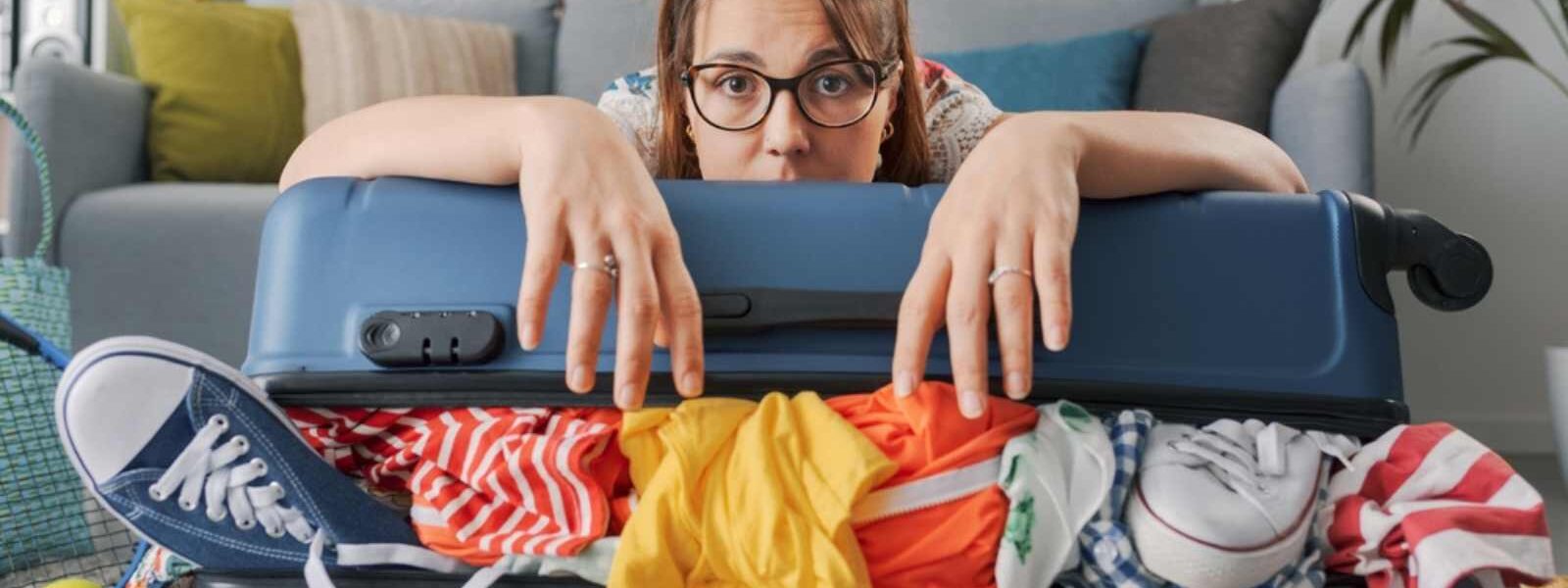
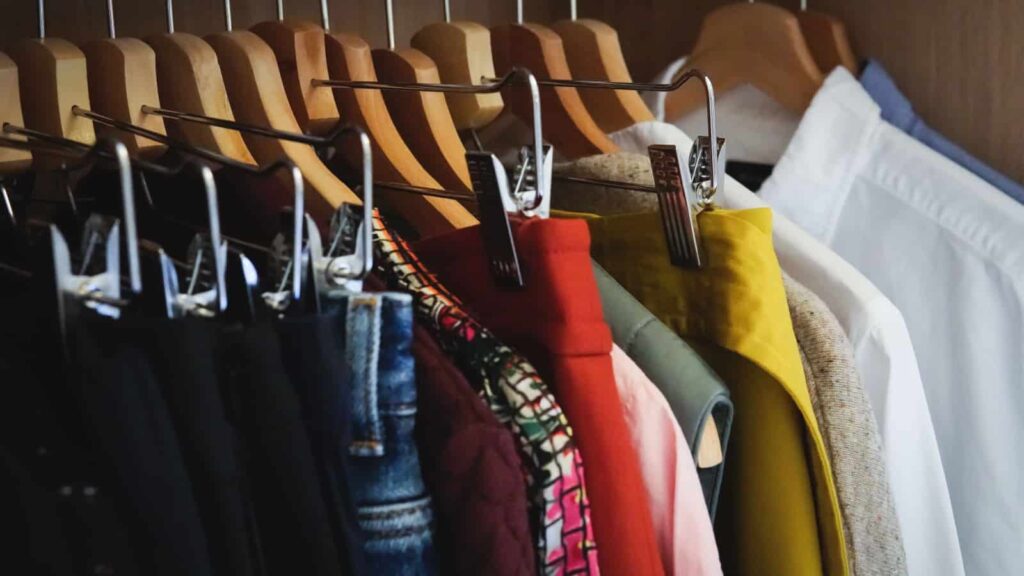
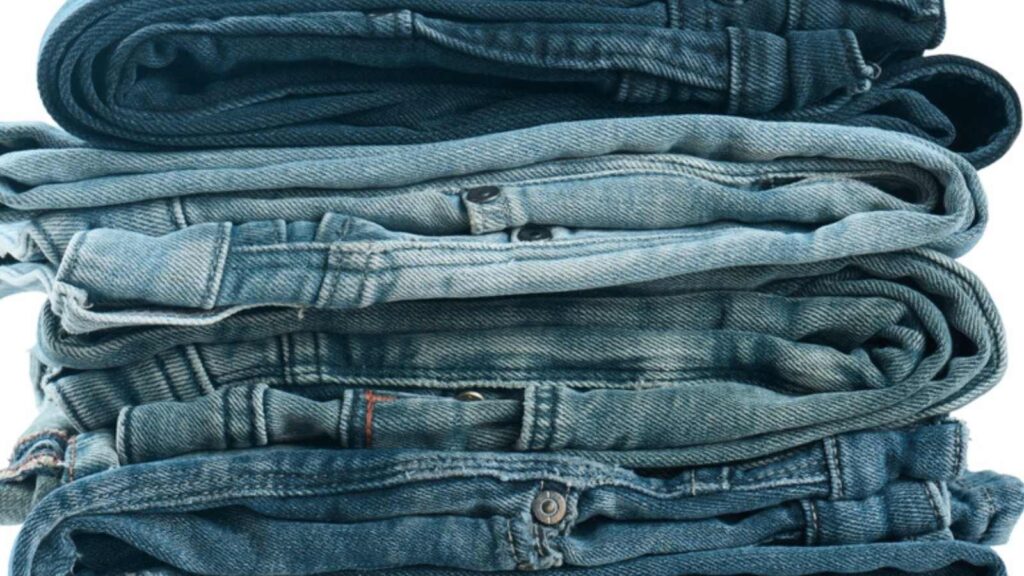
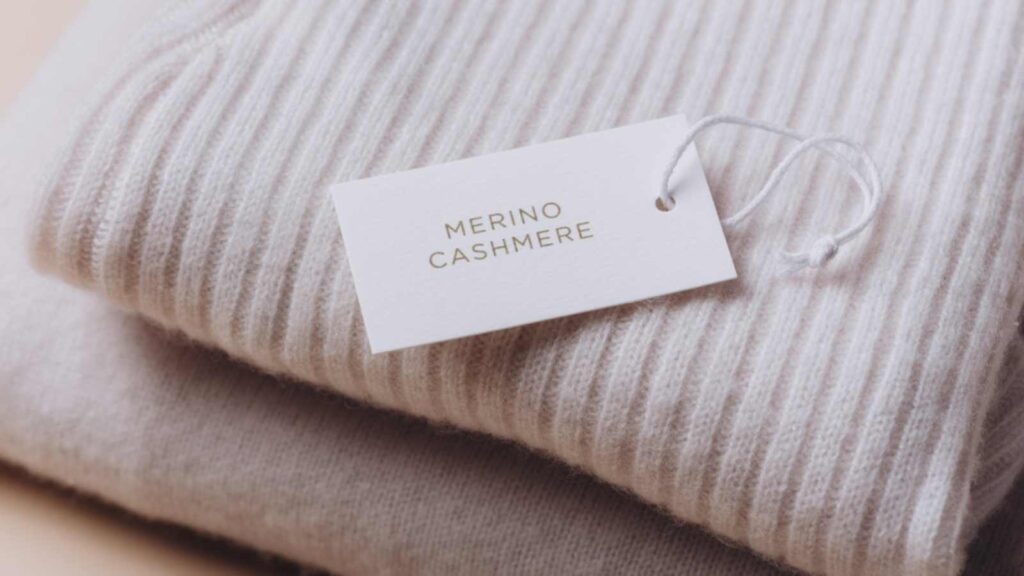

 Image Credit: Eder Paisan/Shutterstock