
There’s a version of plus size shopping that most of us know well.
You find something that fits. Not something you love. Something that fits. And because finding something that actually fits your body can feel like winning a small lottery, you buy it. You buy it in a second color. You chase the sale because the original price already felt like a stretch. You order three sizes because the brand’s sizing is inconsistent and you’ve been burned before.
None of these moves feel like mistakes in the moment. They feel like survival skills for navigating an industry that still hasn’t fully figured out how to dress us well.
But these “smart” plus size shopping tips? They’re quietly the most expensive ones you have.
Let’s break down what’s actually costing you. And what to do instead.
Plus Size Shopping Tips to Rethink
Buying It Just Because It Fits
This is the trap with the most emotional pull, and it makes complete sense why we fall into it.
When you spend years shopping in a market where finding something that fits your body is genuinely hard, where the size you need isn’t carried in store, where extended sizes are an afterthought with limited options, and “this almost works” becomes the standard, finding something that actually fits feels like a win worth banking immediately.
But fit is the floor, not the ceiling.
A piece that fits but that you don’t love, doesn’t work with anything you own, or makes you feel meh every time you put it on is not a win. It’s a placeholder. And placeholders pile up fast. They’re the stuff crowding your closet while you still feel like you have nothing to wear.
Before you add something to your cart based purely on fit, pause and ask two more questions: Do I actually like this? Does it work with what I already own? If the answers are no and no, put it back. Something that fits but doesn’t serve you is not a deal. It’s a donation waiting to happen.
Settling for Fast Fashion Quality
Fast fashion has gotten better at offering plus size options. The range has expanded, the styles have improved, and the price points are genuinely accessible. That’s real progress worth acknowledging.
But accessible isn’t the same as valuable.
A $15 top that pills after two washes, loses its shape by week three, and develops a split seam by month two isn’t a $15 top. It’s a $45 top by the time you’ve replaced it three times. For plus size bodies specifically, fast fashion quality often struggles at stress points like seams, zippers, and waistbands that see more tension. The math on cheap-and-frequent almost always loses against considered-and-durable.
This isn’t about buying expensive. There are genuinely good quality pieces at mid-range price points from brands that actually design for plus size bodies rather than scaling up straight-size patterns. It’s about buying with quality in mind, not just price.
Ordering Multiple Sizes to “Figure It Out”
This one feels like the responsible move. Brand sizing is genuinely inconsistent. A 2X at one retailer fits completely differently than a 2X at another, and online shopping makes it impossible to try before you buy. So you order the 1X, the 2X, and the 3X, planning to keep one and return the rest.
Here’s what actually happens: the returns sit in a corner for three weeks. Then six. You miss the return window on one of them. The return shipping costs $8 on another and suddenly the savings evaporate. Or you convince yourself the slightly-too-small size will work if you just wear it differently, and it never does.
The better move takes more upfront effort but costs less overall: read the size chart carefully, not just the generic one but the specific measurements for that garment. Look for reviews from people with similar measurements. Check if the brand has a fit community or a Reddit thread. Commit to one size. If it doesn’t work, return it promptly and move on.
Chasing Sales Without a Shopping List
Summer sale season is here. Prime Day is coming. Every plus size retailer with an email list is about to flood your inbox with 40% off, buy two get one, end of season clearance.
Sales are genuinely a great opportunity to pick up pieces you’ve already identified as gaps in your wardrobe. The problem is most of us don’t shop sales with a list. We shop them with a dopamine response to the word “off.”
That’s how you end up with a closet full of sale items that don’t work together, don’t work for your life, and weren’t things you actually needed. The discount made them feel necessary. The moment the excitement wore off, they became clutter.
Before any major sale event, spend twenty minutes auditing your wardrobe for actual gaps. What are you constantly reaching for that you don’t have? What occasion or situation leaves you stumped every time? Write those things down. Shop the sale for those things. Leave everything else on the rack no matter how good the deal is.
A piece you don’t need at 60% off is still a piece you don’t need.
Buying with “I’ll Get It Tailored” in the Back of Your Mind
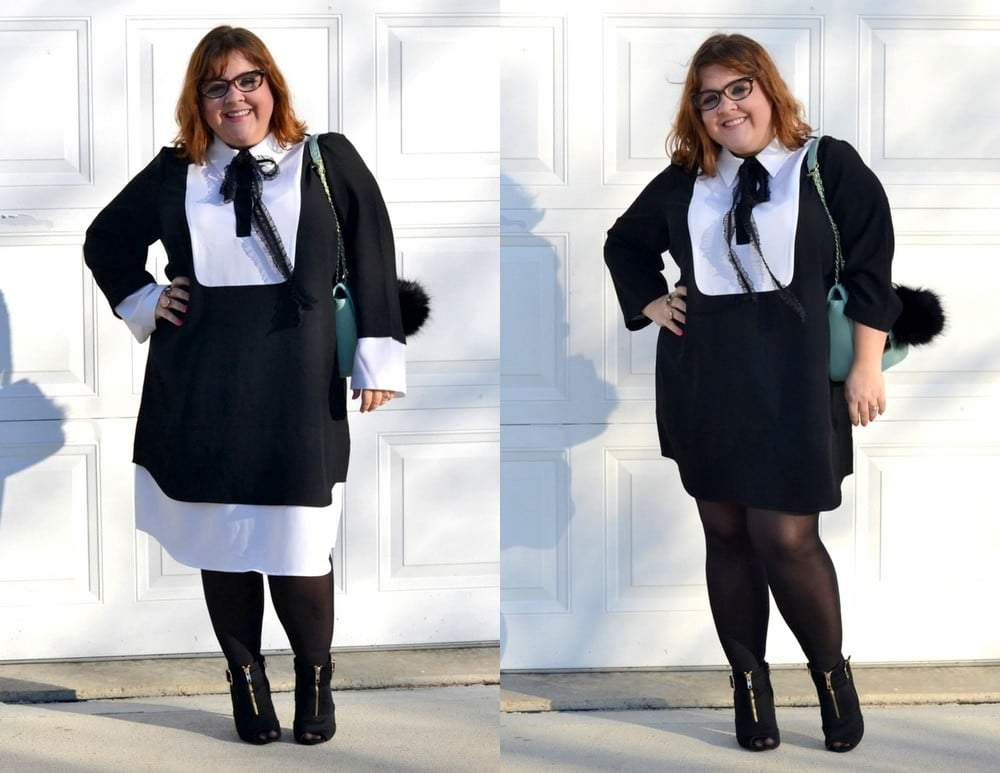
Tailoring is a legitimate tool and knowing how to use it well is genuinely useful. But “I’ll get it tailored” as a shopping justification is almost always a lie we tell ourselves in a dressing room.
Here’s the honest version: most of us don’t regularly take things to the tailor. We mean to. The piece goes on the “to tailor” pile, which is a real physical pile in most of our homes, and it stays there for months while we continue not wearing it. Meanwhile we keep shopping for something that actually works right now.
If you’re buying a piece that requires significant alteration to be wearable—not a quick hem but restructuring the shoulders or taking in the waist two inches—factor the full tailoring cost into the purchase price before you decide it’s worth it. Sometimes it still is; more often it makes a $60 dress a $110 dress and suddenly the math looks different.
And if the piece needs tailoring to become something you might like rather than something you already love, walk away. Potential is not a wardrobe strategy.
Building Your Wardrobe Around Trends
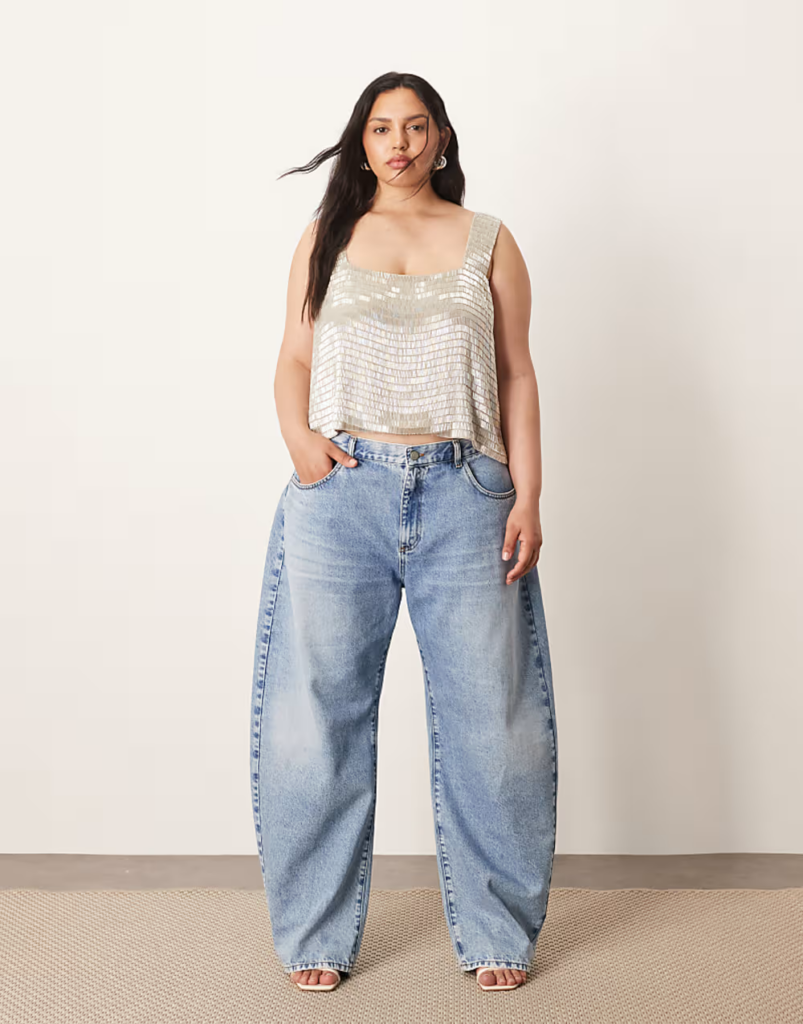
Trends are fun to engage with; they’re not a foundation to build on.
For us plus size shoppers, who already face more limited options than straight-size shoppers chasing trends can be particularly expensive. By the time a trend filters through to extended sizing meaningfully; it’s often already peaking which means you’re spending money on something with a shorter wearable window than if you’d caught it earlier.
The smarter approach: build a core wardrobe of pieces that reflect your personal style and that you’d wear regardless of what’s trending—classic silhouettes; fabrics that hold up; brands that fit your body consistently—then use lower-investment pieces like an accessory or trend-forward top to stay current without betting your budget on it.
Your foundation should be able to outlast any trend cycle; trends are garnish, not the meal.
Shopping Without Knowing Your Numbers

This last one sounds basic but it’s one that saves money when done properly.
Most plus size shoppers know their tag size across brands they’ve shopped before; far fewer know their actual body measurements: bust; waist; hips; thigh; inseam—and have them written down somewhere accessible.
Knowing your measurements turns online shopping from gamble into system; cross-reference size charts confidently; filter out brands whose proportions don’t match yours before ordering; shop internationally without constant sizing confusion—it takes twenty minutes to measure yourself properly and pays for itself first time saved from return.
The Real Cost of Shopping on Autopilot

None of these plus size shopping tips are about failing at fashion; they’re about navigating an industry historically making shopping harder for plus-size women than necessary—the shortcuts developed for good reasons.
But they’re costing more than saving: in money; mental energy; closet space; low-grade frustration getting dressed every morning feeling like nothing works even though plenty clothes exist.
Shopping intentionally isn’t about being precious or spending more—it’s about spending less; bringing home less; wearing what own more—that’s wardrobe working effectively!
Which of these shopping habits hits closest home? Drop comments below—we’ve all been there!

<a href=https://…original article…source…used solely informational purposes proper attribution original source…