What makes The Boys a standout comic adaptation?
This overview explains how Prime Video’s The Boys reworks its sci-fi comics, so readers can compare the series’ satire, characters, and themes with the source material. The central difference is that the adaptation changes the comics’ story and perspective rather than simply reproducing them.
The Boys reshapes its comic-book source through updated satire and deeper character development.
- Modern satire: The series shifts the comics’ focus on post-9/11 cynicism toward corporate power and entertainment culture.
- Story changes: Prime Video’s adaptation reimagines major story arcs, character beats, and themes from the comics.
- Character depth: The show explores trauma and unchecked power while portraying many supes as tragic figures.
- Source comparison: The adaptation is less graphic than the comics but takes a different approach to their themes.
Many screen adaptations of sci-fi comics and books lose relevance without expanding their source material or reimagining its story. The Boys takes a different path: the Prime Video series substantially rewrites the original comics’ lore and updates their satire.
The Boys premiered on Prime Video in 2019. The series stood out amid competition from major superhero franchises and continued to deliver new seasons as superhero fatigue affected other popular properties.
The adaptation changes the comics’ core story arcs and character beats while reworking their themes for modern audiences. Its differences from the source material make The Boys a useful example of how a comic adaptation can reinterpret rather than simply reproduce its original story.
How does The Boys update the comics’ satire for modern audiences?
The Boys updates the comics’ political cynicism by turning Vought from a defense contractor into a vast conglomerate tied to entertainment and other industries. The shift lets the series satirize corporate influence, superhero franchises, and celebrity culture.
The Boys connects corporate power with the management of superheroes and media.
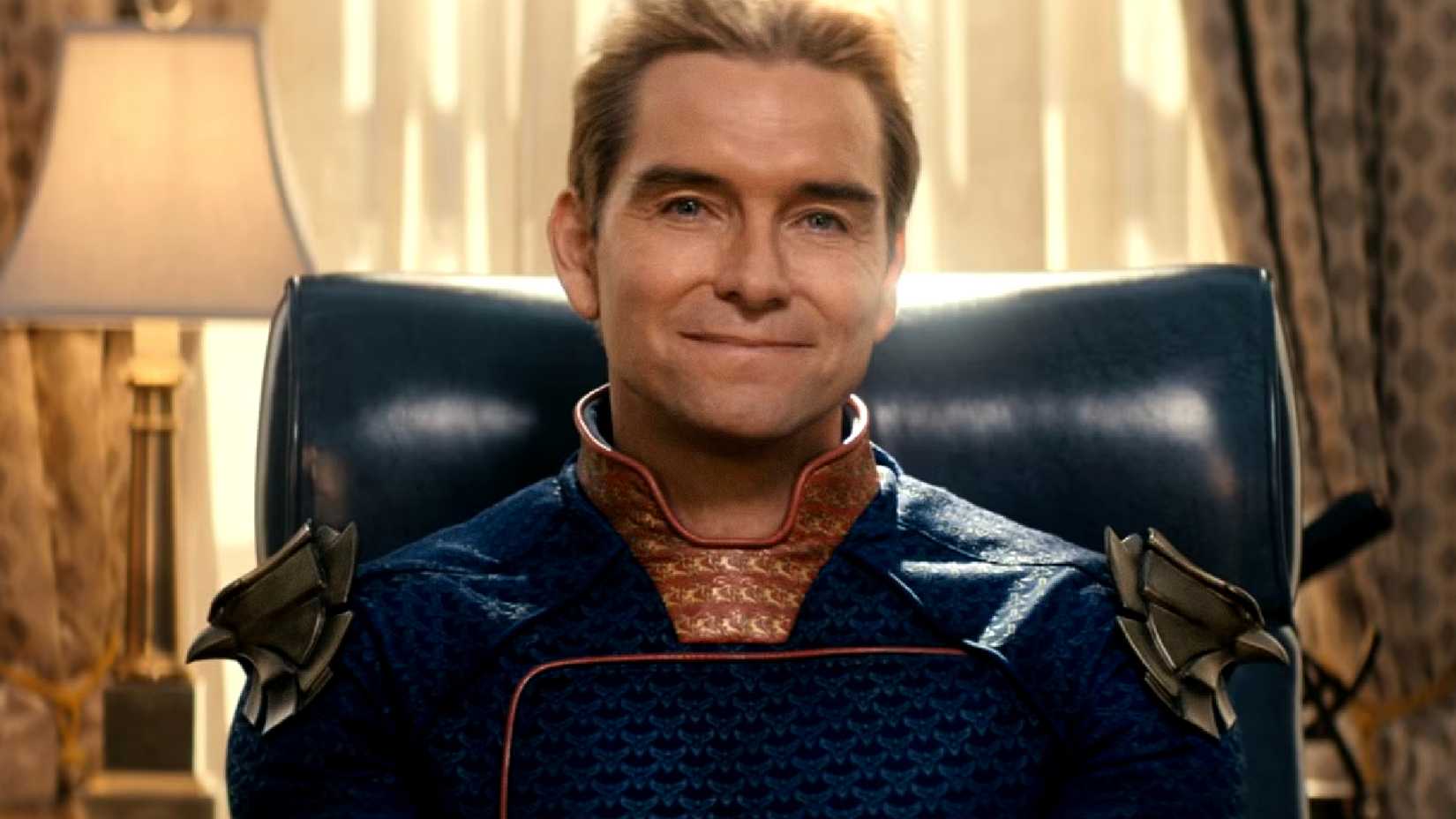
Garth Ennis and Darick Robertson’s original The Boys comics drew on post-9/11 cynicism. Published in the mid-2000s, the comics reflected anger at the American administration and the privatization of defense contracts.
In the comics, Vought is portrayed primarily as a morally bankrupt defense contractor that sells flawed weapons, in the form of supes, to the Pentagon. The series instead makes Vought International a massive conglomerate, broadening its satire to include corporate power across entertainment and other industries.
The television series shows how Vought manages morally compromised superheroes and uses them to influence streaming, news, pharmaceuticals, and fast food. This change shifts the satire from defense contracting toward the broader reach of a modern corporation.
Before superhero fatigue peaked in the 2020s, The Boys was already making fun of expanding cinematic universes and oversized press tours. Its fictional superhero film, Dawn of the Seven, spoofs movies such as Zack Snyder’s Justice League, while the series also satirizes celebrity and influence culture.
At times, the series’ superhero satire echoes real-world conspiracy culture and political events. Its social media accounts further the effect by presenting themselves as news outlets and corporate accounts.
How does Prime Video’s The Boys differ from the comics?
Prime Video’s The Boys is less graphic in its violence and adult content than the comics, including in its treatment of the Herogasm arc. The series takes a different route by emphasizing character development and a broader exploration of power and trauma.
The Boys trades some of the comics’ graphic content for greater focus on character and institutional themes.
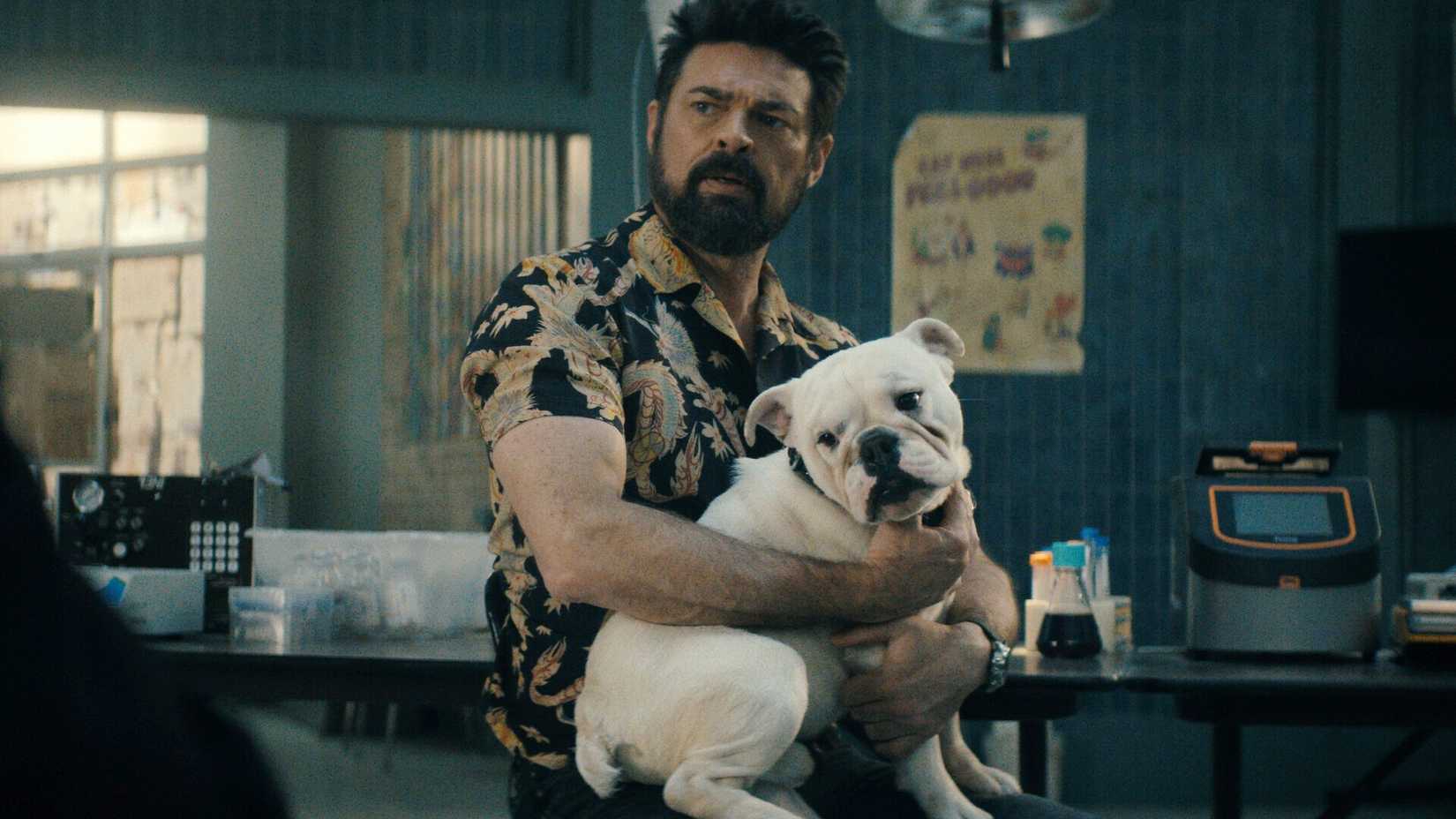
Rather than focusing only on superhero absurdity, Prime Video’s The Boys develops into an exploration of trauma, unchecked power, and institutional decay. These themes give the adaptation a different emphasis from the comics’ more graphic approach.
Many supe characters are depicted as tragic figures rather than one-dimensional villains. Homelander receives a painful childhood backstory that helps explain the morally lost antagonist, while Hughie, Butcher, and Starlight are not presented as flawless heroes.
The Boys and Invincible share thematic similarities, but their adaptations take different approaches to their source material. The Boys significantly reimagines its comics, while Invincible is described as successful in part because it remains loyal to its source.
What should viewers know about The Boys adaptation?
The Boys is a substantial reinterpretation of its comic-book source, not a direct retelling. The show updates the satire and develops its characters while retaining the core interest in corrupt power and superheroes.
The Boys pairs comic adaptation changes with modern corporate satire.
How is the television series different from The Boys comics?
The series changes major story arcs and character beats, and it is less graphic than the comics in its violence and adult content. It also shifts the satire toward corporate influence in entertainment and other industries.
What does Vought represent in The Boys?
In the comics, Vought is presented as a defense contractor selling flawed superhero products to the Pentagon. The television series recasts Vought International as a conglomerate with influence across several industries.
Does The Boys follow the comics closely?
No. The adaptation substantially reimagines the comics’ stories, characters, and themes rather than following them closely.
How does The Boys portray its superheroes?
The series depicts many supes as tragic characters and explores trauma and unchecked power. It also avoids presenting the central team as wholly heroic.