



What makes these psychological thrillers worth reading?
- Genre essentials: These novels build suspense through obsession, paranoia, manipulation and uncertainty about what is true.
- Classic foundations: Wilkie Collins and Daphne du Maurier show how psychological suspense grew from Gothic and sensation fiction.
- Modern tension: Paula Hawkins and Gillian Flynn explore unreliable perspectives, trauma and danger in ordinary relationships.
- Choosing a read: Pick The Talented Mr. Ripley for identity and obsession, or Before I Go to Sleep for memory and distrust.
This ranked guide helps readers choose among psychological thriller books by highlighting the central mystery, characters and themes of each novel. The selections range from Gothic classics to contemporary suspense, with unreliable narrators, secret identities and psychological manipulation at the heart of many stories.
Psychological thrillers create suspense by testing characters’ perceptions and relationships.
Rather than relying on shootouts or chase scenes, these books draw tension from human psychology: a seemingly perfect marriage may conceal secrets, while a friendship can curdle into dangerous fixation. Several have also reached audiences beyond the page through film adaptations and their wider cultural influence.
10
‘The Woman in White’ (1860)
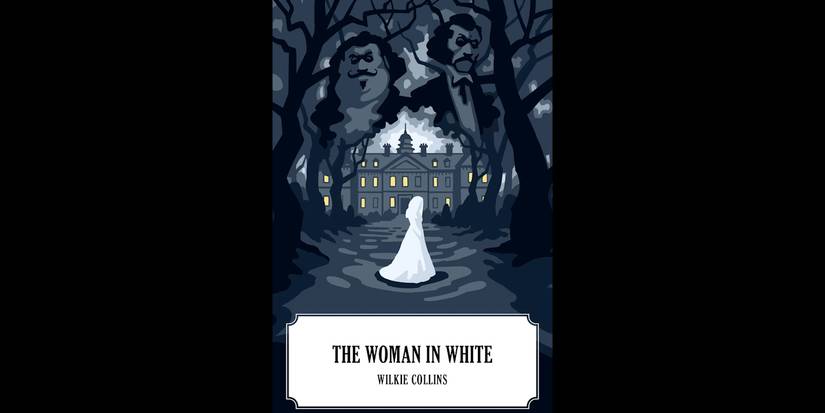 Image via Canon Classics
Published in 1860, The Woman in White helped establish conventions later associated with the psychological thriller. Wilkie Collins’ novel follows Walter Hartright, a young art teacher travelling to a post at Limmeridge House. On his final night in London, he meets a distressed woman dressed in white and helps her; he later learns that she has escaped from a mental asylum.
The novel turns that encounter into a story of secret identities, manipulation and betrayal, as Walter struggles to separate truth from lies. Often described as a sensation novel, a nineteenth-century form that placed crimes inside respectable Victorian homes, the book combines domestic secrets with mounting paranoia.
The Woman in White links Victorian domestic crime with psychological suspense.
9
‘The Lagos Wife’ (2023)
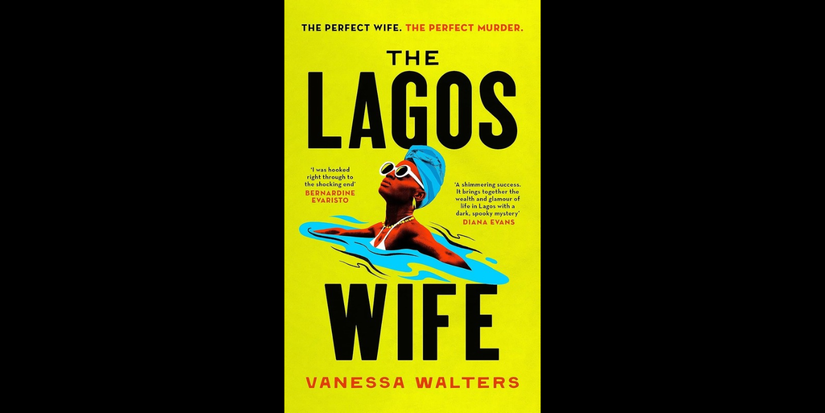 Image via Penguin
Nicole Oruwari appears to have an enviable life as a wealthy wife in Lagos, Nigeria, with a successful marriage, two sons, a grand home and a circle of expatriate friends. Then Nicole leaves for a boat trip and never returns. With few leads and little help from the police, her aunt Claudine travels to Nigeria to investigate.
Vanessa Walters centres the story on infidelity and patriarchal control, asking how a woman might respond when she feels trapped in a life she did not choose. The novel’s slow-burn, character-driven suspense also makes Lagos central to the story and examines the risks associated with a money-focused lifestyle.
The Lagos Wife turns Nicole’s disappearance into a mystery about marriage, control and money.
8
‘The Girl on the Train’ (2015)
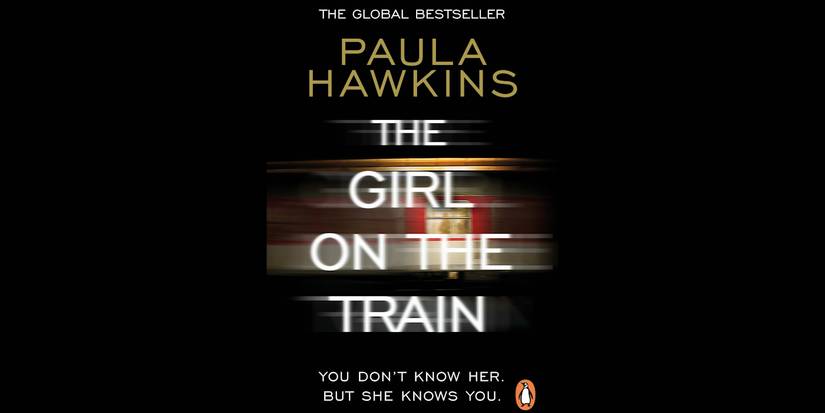
Image via courtesy of Penguin Books
Paula Hawkins’ The Girl on the Train, adapted into a film in 2016, is a defining psychological thriller of the 2010s. The novel draws suspense from gaslighting, domestic instability and urban isolation, while its shifting uncertainties bring envy, self-loathing and trauma into the story.
Rachel Watson, unemployed and unsettled after her divorce, rides a commuter train to London each day and watches a couple whose life seems idyllic. One day, Rachel sees something she should not. When the woman disappears, Rachel becomes involved in the investigation, and details from her own past begin to emerge.
The Girl on the Train uses Rachel’s observations and personal history to complicate a disappearance investigation.
7
‘Before I Go to Sleep’ (2008)
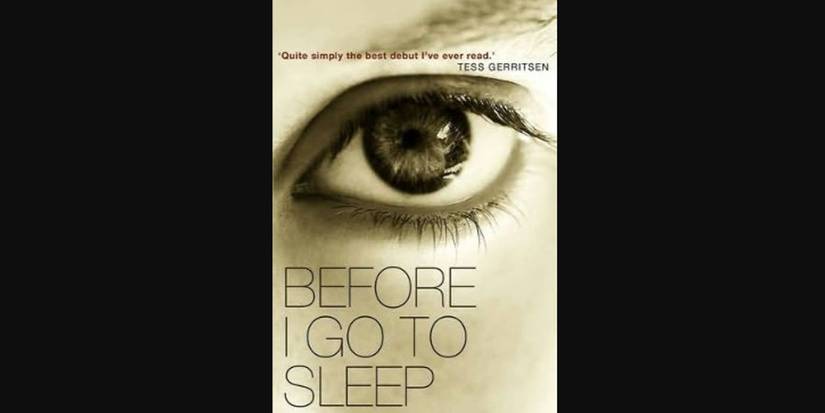 Image via Black Swan
Before I Go to Sleep by S. J. Watson makes memory the source of its suspense. Christine Lucas wakes each morning with no knowledge of her life, so she depends on her husband, Ben, to help her piece together what has happened.
When Christine’s neurologist recommends keeping a journal, she begins to notice inconsistencies in Ben’s accounts. Told through Christine’s journal, the novel asks how well anyone can know the people closest to them when memory and trust are uncertain.
Before I Go to Sleep builds its mystery around Christine’s memory loss and the contradictions in her husband’s story.
6
‘Sharp Objects’ (2006)
 Image via Crown
Gillian Flynn’s Sharp Objects follows a journalist, a small Missouri town and a series of violent crimes. Newspaper writer Camille Preaker, who works in Chicago, returns to her hometown of Wind Gap, Missouri, to report on one girl’s death and another’s disappearance.
The assignment draws Camille into the lives and history she left behind. As she investigates the crimes, the psychological damage caused by the people closest to her becomes inseparable from the case. Flynn’s novel combines a tightly drawn small-town mystery with trauma and family tension.
Sharp Objects connects Camille’s investigation to the emotional damage of returning home.
5
‘We Have Always Lived in the Castle’ (1962)
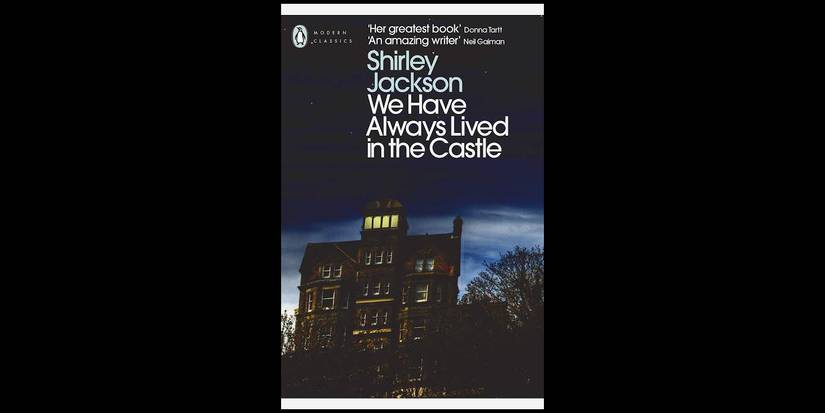 Image via Penguin Books
Shirley Jackson’s 1962 novel We Have Always Lived in the Castle is a Gothic story narrated by Mary Katherine “Merricat” Blackwood. It follows two sisters and their uncle in an isolated home, with inheritance, trauma and a sense of the uncanny shaping the family’s story.
Merricat lives with her older sister, Constance, and their disabled Uncle Julian. Years earlier, the rest of the Blackwood family, including the sisters’ parents, died after arsenic was put in their food. Constance was suspected but acquitted, and the villagers continued to distrust the family. Their isolation is disrupted when their estranged cousin Charles arrives, leaving his motives uncertain.
We Have Always Lived in the Castle uses a secluded family home to explore suspicion, trauma and inheritance.
4
‘Strangers on a Train’ (1950)
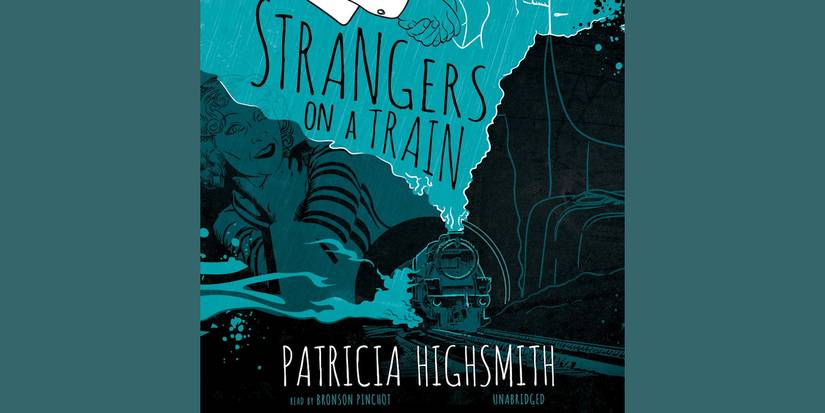
Image via Blackstone Audio, Inc.
Patricia Highsmith’s Strangers on a Train begins with a chilling proposal: two men agree to murder someone the other wants dead. First published in 1950, the novel introduces Guy Haines and Charles Anthony Bruno, who meet aboard a train and discuss a plan they believe would leave investigators unable to identify the killer.
Guy assumes Bruno is joking, but Bruno acts on the scheme, setting off consequences for both men. Alfred Hitchcock adapted the novel in 1951, bringing its premise of chance, complicity and escalating danger to the screen.
Strangers on a Train turns a murder-for-murder proposal into a study of complicity and consequence.
3
‘Shutter Island’ (2003)
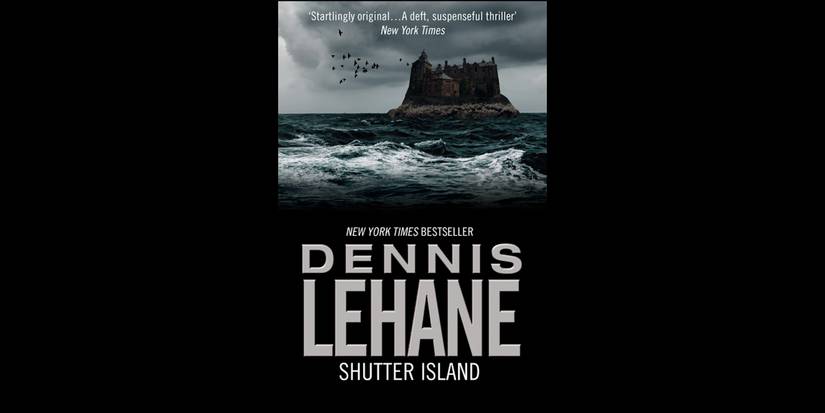 Image via William Morrow / Abacus Books / Little, Brown
Dennis Lehane’s Shutter Island sustains its suspense through paranoia and the experience of following its characters, even for readers familiar with the 2010 film adaptation. The novel’s isolated setting and uncertain reality keep the focus on the psychological journey as much as the final revelation.
Set in 1954, the story follows U.S. Marshal Teddy Daniels to a psychiatric hospital on a remote island, where he investigates a patient who has vanished. A storm cuts off the island from the mainland just as Teddy begins to suspect that the staff is hiding a dark secret. The confined setting reinforces the novel’s atmosphere of suspicion.
Shutter Island pairs a missing-patient investigation with an isolated hospital and growing paranoia.
2
‘Rebecca’ (1938)
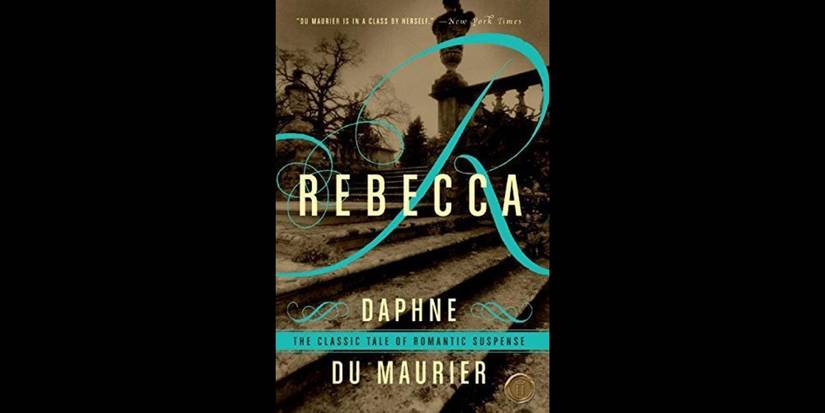 Image via William Morrow Paperbacks, 2006
Daphne du Maurier’s 1938 novel Rebecca follows an unnamed narrator who marries the wealthy widower Maxim de Winter and moves to the English estate of Manderley. The new Mrs. de Winter struggles to find her place while the memory of Maxim’s first wife, Rebecca, seems to fill the house.
As the servants show their resentment and Maxim’s warmth gives way to suspicion, the narrator questions her own understanding of events. She must discover what happened to Rebecca and whether Manderley is haunted. The novel draws its unease from marriage, memory and the persistent influence of an absent person.
Rebecca makes a vanished first wife the source of tension in a new marriage.
1
‘The Talented Mr. Ripley’ (1955)
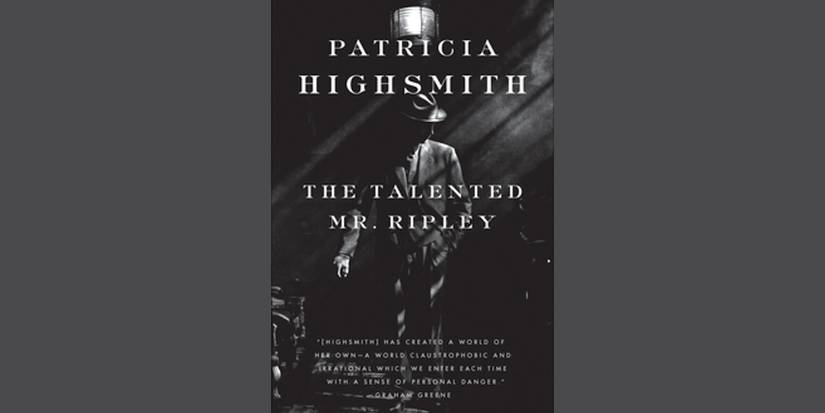
Image via W. W. Norton & Company
Patricia Highsmith’s 1955 novel The Talented Mr. Ripley follows Tom Ripley, a clever fraudster whose story launched a book series and inspired multiple film adaptations. The novel’s suspense grows from Tom’s shifting identity, his manipulation of others and the choices he makes as the story unfolds.
Tom is hired by a wealthy businessman to travel to Italy and persuade the man’s son, Dickie Greenleaf, to return to America. Instead, Tom becomes infatuated with Dickie and his glamorous life of sex, champagne and jazz. His admiration develops into dangerous obsession, leaving the central question: does Tom love Dickie, or want to become him?
The Talented Mr. Ripley makes identity and obsession the engines of its suspense.
Which psychological thriller should you read first?
Choose a book according to the kind of suspense you enjoy: memory loss, a disappearance, family secrets or identity and obsession. These novels offer different routes into the genre, from Gothic unease to contemporary domestic mystery.
The best starting point depends on whether you prefer psychological uncertainty, domestic secrets or criminal schemes.
- Memory and trust: Try Before I Go to Sleep.
- Disappearance and domestic tension: Try The Girl on the Train or The Lagos Wife.
- Gothic atmosphere: Try Rebecca or We Have Always Lived in the Castle.
- Identity and manipulation: Try The Talented Mr. Ripley or The Woman in White.
This quick guide sorts the recommendations by their central source of suspense, making it easier to choose a first read. The distinctions come from the plots and themes described above.
What defines a psychological thriller?
A psychological thriller creates suspense through characters’ thoughts, memories, motives and relationships. Uncertainty about what a character knows or believes often matters as much as the external mystery.
Psychological thrillers make the characters’ perceptions part of the suspense.
Which books on this list feature unreliable perspectives?
The Girl on the Train, Before I Go to Sleep and Shutter Island make uncertainty about perception, memory or reality central to the reading experience. Each uses that uncertainty differently to sustain suspense.
These novels make uncertainty about perception a key part of their mysteries.
Are any of these psychological thrillers adapted into films?
The Girl on the Train was adapted into a film in 2016, and Shutter Island has a 2010 film adaptation. Alfred Hitchcock adapted Strangers on a Train in 1951.
Several books on this list have film adaptations, including three with dates noted here.






