
The Resident Evil franchise has made its return to the big screen.
As films based on major video games have been tackled in Hollywood throughout the decades, the genre is currently experiencing its strongest era, following massive successes like A Minecraft Movie and the recent Super Mario animated films, both with their commercial results and response from critics and moviegoers. With the fall season underway, another major video game IP is now coming back for a new theatrical experience.
Zach Cregger’s Resident Evil film, which marks the eighth live-action movie based on the Capcom property, has been released in theaters, and following the strong critical reception from members of the press, viewers have now made their voices heard. The 2026 entry has officially debuted to a 91% audience score on Rotten Tomatoes, making it the most well-received project based on the video game with filmgoers.
|
Resident Evil Movies |
Audience Score |
Rotten Tomatoes Score |
|---|---|---|
|
Resident Evil (2026) |
91% |
97% |
|
Resident Evil: Damnation (2012) |
70% |
100% |
|
Resident Evil (2002) |
67% |
36% |
|
Resident Evil: Welcome to Raccoon City (2021) |
65% |
30% |
|
Resident Evil: Death Island (2023) |
63% |
71% |
|
Resident Evil: Apocalypse (2004) |
60% |
18% |
|
Resident Evil: Extinction (2007) |
58% |
24% |
|
Resident Evil: Retribution (2012) |
51% |
28% |
|
Resident Evil: Afterlife (2010) |
48% |
21% |
|
Resident Evil: The Final Chapter (2017) |
47% |
39% |
The 2026 Resident Evil is also the highest-rated live-action movie, as it is holding 97% on Rotten Tomatoes, based on 144 submitted reviews. With both scores being high, they are still subject to change as more critics and viewers continue to register their respective ratings on the platform.
The film’s box office performance remains to be seen, but given the massive success that horror movies are having in Hollywood, it wouldn’t be shocking to see Resident Evil emerge as another winner for the genre. As this is also a reboot, it makes it easier for many audience members to jump into it without having seen the past movies or ever played the games.
In ScreenRant’s Resident Evil movie review, Brandon Zachary, who gave it 9/10, praised Cregger’s feature for how, “more than anything, what makes Resident Evil stand out in a modern landscape is the commitment to being firmly its own thing.” He added that “almost none of the Easter eggs or deep-cut references are to the recognizable lore, to the point where even the infected are largely and recognizably different sorts of monsters than the zombies in the games.”
The cast features Austin Abrams as Bryan, Paul Walter Hauser as Paul, Kali Reis as Maxine, Zach Cherry as Carl, Johnno Wilson as Wilson, while Sara Paxton voices Michelle. Cregger, who co-wrote the script with Shay Hatten, has spoken about the possibility of a sequel, sharing with ComicBook, that “this movie was designed to be a one-off, so that itch was scratched, yes. But I can’t help myself. Like there are always ideas percolating, and I already have some thoughts of like what could happen… going forward. So who knows, dude; anything can happen.”
The Resident Evil film is now playing in theaters.
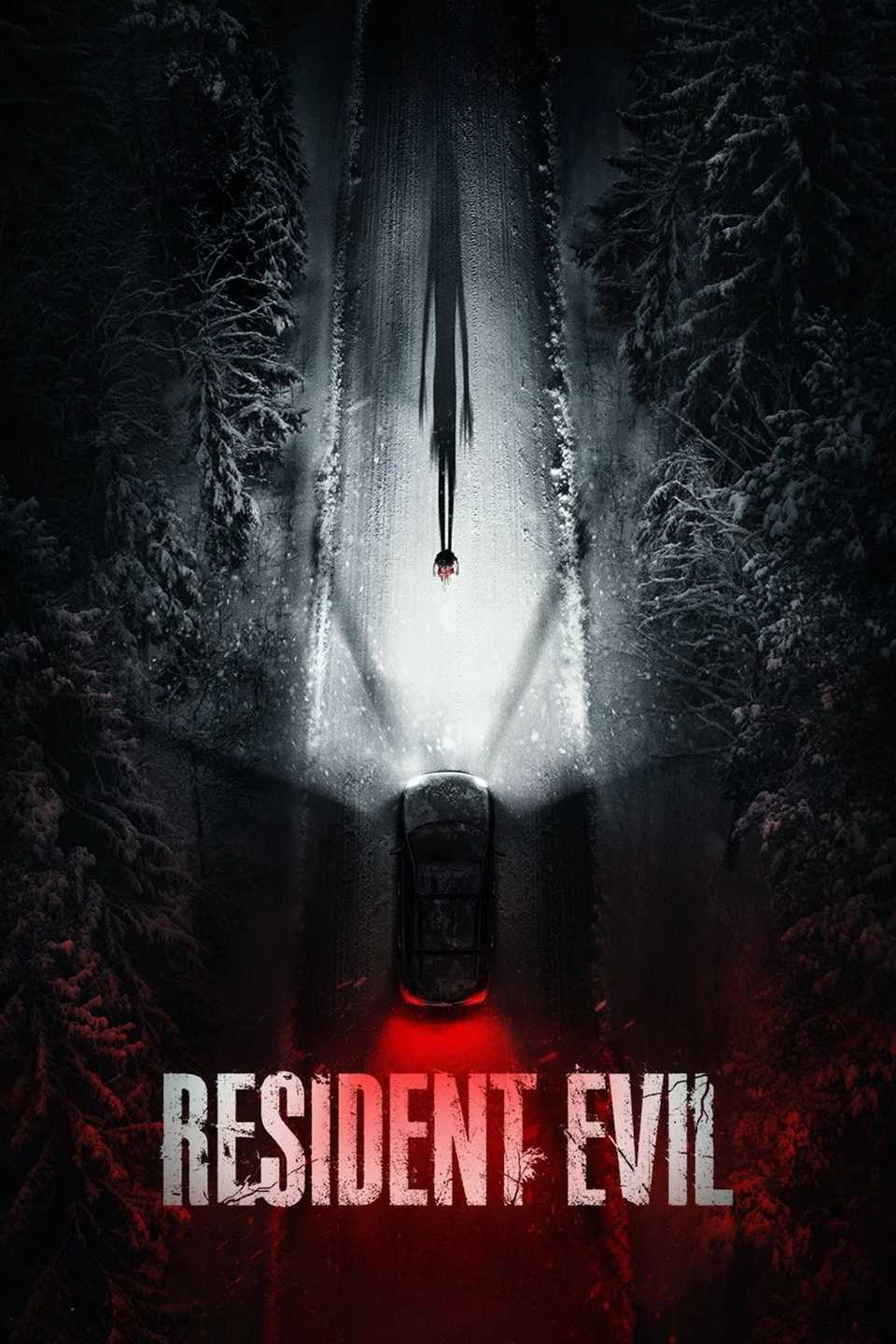
- Date de sortie
-
September 18, 2026
- Duree
-
90 Minutes
- Metteur en scène
-
Zach Cregger
- Auteurs
-
Shay Hatten, Zach Cregger
- Péroduteurs
-
Asad Qizilbash, Carter Swan, Miri Yoon, Robert Kulzer, Roy Lee, Zach Cregger, David Minkowski

[nospin]Here you can find the original article; the photos and images used in our article also come from this source. We are not their authors; they have been used solely for informational purposes with proper attribution to their original source.[/nospin]