
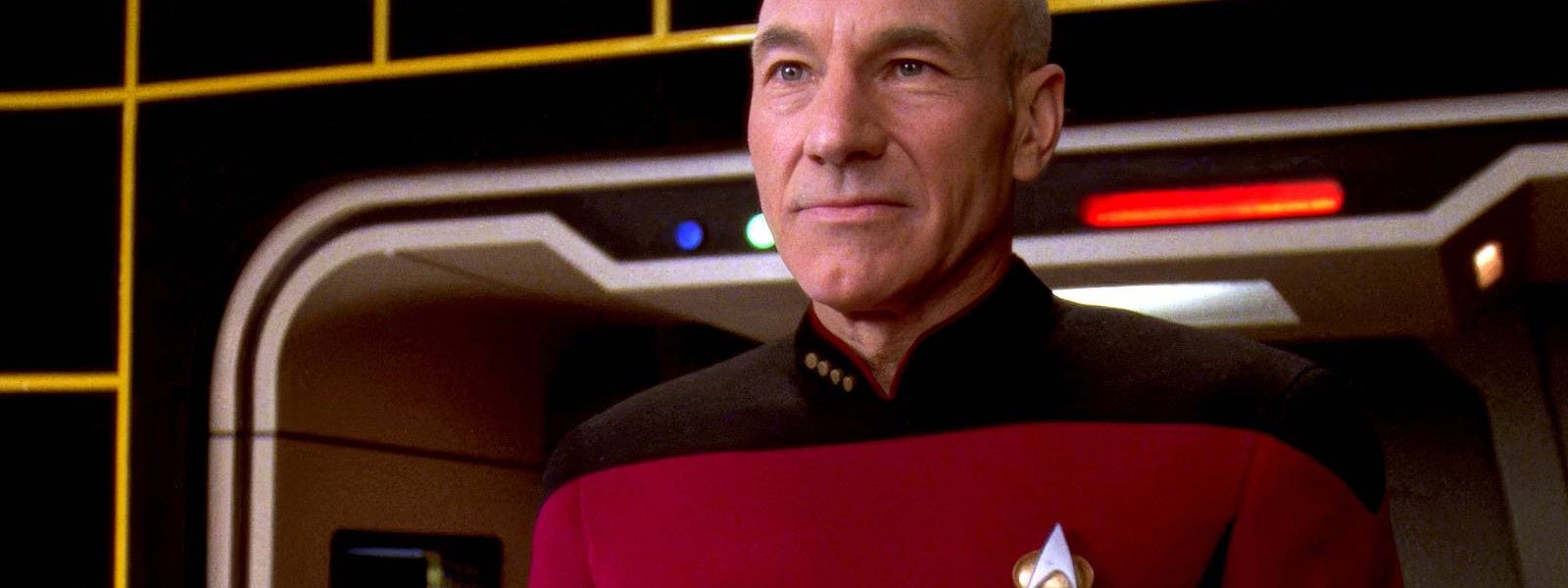
After almost 60 years on the airwaves, Star Trek has mastered a formula that both entertains and educates. The visionary and sometimes endearingly silly franchise embodies what science fiction does best: interrogate universal experiences through sleek, allegorical spectacle. Although Star Trek: The Original Series pioneered the franchise’s principles, its successor, Star Trek: The Next Generation, doesn’t hit its stride until it shakes off one of Gene Roddenberry‘s restrictions. Star Trek‘s late creator posited a Utopian future where humanity has evolved beyond our collective and individual flaws. Although an enviable idea, the notion deprives Roddenberry’s universe of the alchemy every compelling drama needs: conflict, transformation, and depth.
While never a fully serialized series, The Next Generation‘s later seasons inject lasting character growth into its episodic formula. As a standalone that grafts permanent ripple effects onto Captain Jean-Luc Picard (Patrick Stewart), Season 5’s “The Inner Light” deserves the glowing superlatives fans, critics, the Hugo Awards, and Stewart himself have sent its way since 1992. Often regarded as the already sophisticated series’ pinnacle achievement, “The Inner Light” is an arresting and resonant example of everything sci-fi’s genre trappings can offer, swapping out epic scale for a character study that’s as psychologically contemplative as it is philosophically driven.
What Is “The Inner Light” About?
When the Enterprise investigates an unidentified space probe, the device targets Picard with a mysterious energy bolt. Struck comatose, he wakes upon the planet of Kataan, where every stranger recognizes him as Kamin, a local iron weaver. Kamin’s wife, Eline (Margot Rose), assures Picard that his memories of French vineyards and starship corridors are delirious inventions caused by a week-long fever. As years pass without answers, Picard makes the most of his unwelcome circumstances. He falls in love with Eline, grows old with her while raising their children, and practices the flute in his leisure time.
02
< cw-question-text’>What is your greatest strength in a crisis?
< cw-question-sub’>The quality that keeps you alive when everything else fails.
<
<
<
<
<
<
<
<
<
03
<What is the thing you’d sacrifice everything else for?
<Your deepest motivation is your truest compass.
<
<
<
<
<
<
<
<
<
04
<How do you relate to the people around you?
<Who you are to others under pressure is who you really are.
<
<
<
<
<
<
<
<
<
05
<You’re facing a threat that no one else believes is real. What do you do?
<How you respond when you’re the only one who sees it defines everything.
<
<
…
…
…
…
…
…
…
…
…
…
…
…
…
…
…
…
However, Kataan’s scientists determine that a nearby exploding star will annihilate the planet within their lifetimes. Since Kataan dwells outside the Federation’s borders, they lack access to the cutting-edge resources that might reverse its inevitable demise. During this civilization’s final moments,Picard learns the last four decades were an interactive mental simulation induced by the probe’s beam. Kataan’s long-dead citizens didn’t want to be forgotten, and their floating time capsule chose Picard as the best person to safeguard their legacy. Its purpose fulfilled, the program returns Picard to theEnterprisebridge; his body never left. The 40 years Picard experienced have been just 25 minutes for his concerned crew.
The Inner Light Is a Balanced Character Study for Star Trek: The Next Generation’s Captain Picard
“The Inner Light rises above its classic what if? structure thanks to its laser-focused purpose and restrained execution.” Written byMorgan Gendeland directed byPeter Lauritson, they share a kind of harmonious understanding over which emotional beats to imply and which need lingering with. The episode’s broad concepts about our fleeting mortality and cherishing humble joys are straightforward enough not to court sentimentality; they are conveyed through an earnest accessibility that stands the test of time. What could be an overt laundry list of ideas instead gracefully flows through legacy identity second chances environmental decay what determines a well-lived life and resolved wisdom required to carve out that existence while facing imminent destruction.
And who’s a better thematic avatar thanThe Next Generation’s leading man? This experience alters space-faring captain in subtler if no less self-reflective ways than Picard’s traumatic assimilation by Borg in Seasons 3 and 4. Reminiscent of how Family screenwriterRonald D. Moore’s coda to that drastic mini arc doesn’t neatly erase Picard’s terror fury guilt nor stubborn effort it takes to break through his dignified exteriorThe Inner Light both reinforces character’s substance offers fresh insight by exploring what he could have become in alternate setting.
Even though he acclimates Kamin’s name Jean-Luc Picard retains Jean-Luc Picard’s core qualities: stalwart altruistic cultured insatiably curious scientist natural mentor He yearns keep exploring stars he can’t reach butwaking mile then some someone else’s shoes Picard flourishes He discovers equally valuable pursuits couldn’t take root without less distracting regimented environment Instead leading diplomatic example serves others contributing community peers Once wife children grandchildren become greatest happiness Enterprise biggest get these kids off my lawn guy even finds fulfillment through one lifestyle he’d assumed didn’t crave At risk sounding trite nurtures inner light.
Patrick Stewart’s Devastating Performance Cements The Inner Light as a Sci-Fi Masterpiece
…
…
…
…
…
…
The tender wrenching final scene in Picard’s quarters best exemplifies this dissonance Drawn into himself gathering forgotten bearings half-clutches half-cradles flute one tangible relic confinement became world like it’s precious lifeline Stewart diminished physicalitytransforms Picard’s silent mourning responsibility keeping extinct society memory alive into physical weight His tragic burden doesn’t vanish once expertly plays familiar refrain setting eulogy music says more lengthy monologue moment almost feels invasive like audiences shouldn’t privy intimately somber moment.
This flute almost didn’t make final cut according Gendel’s retrospective with Star Trek official website Then now closing scene impact speaks itself Later episodes feature Picard playing instrument whileThe Star Trek: Picard opening melody includes flute Even if continuity hadn’t incorporated Stewart’s astute instincts poignant dedication illustrate how experience ramifications echo throughout rest Picard natural lifea stirring exquisitely vulnerable performance cradled genre jewel.
The Star Trek: The Next Generation is available stream Paramount+.
…
…
…
…