Heat causes perfume molecules to evaporate quickly, leading to heavy base notes (such as oud, amber, or rich vanilla) projecting too strongly. When combined with perspiration and the skin’s natural oils, these intensified notes can smell heavier, sweeter, or even slightly sour compared to their performance in cooler weather.
Perfumer Jean-Claude Ellena has long observed that perfume is dynamic on the skin, continuously evolving with body chemistry and environmental conditions. Instead of remaining constant, prolonged exposure to high temperatures can also degrade delicate aromatic compounds inside the bottle, dulling top notes and altering the fragrance’s intended balance.
The twelve fragrances listed below excel because they harmonize with summer’s chemistry rather than oppose it.
Eau de Cologne

Eau de Cologne is not a trend-driven summer choice; it originated the category. In 1709, Italian perfumer Johann Maria Farina began selling a light citrus water in Cologne, Germany, describing his creation as capturing the freshness of an Italian spring morning after rain.
Farina kept his formula secret even under pressure from Napoleon, who demanded ingredient disclosure for anything marketed as medicine. Nearly a century later, a rival house created its own version at house number 4711 on Glockengasse, a numbering system imposed by French occupying forces frustrated with Cologne’s building-name chaos; that address became the brand name still sold today.
The format’s low oil concentration and citrus-forward structure were intentional. They were designed for bodies needing refreshing rather than warming, which is exactly what is required in July.
Vetiver
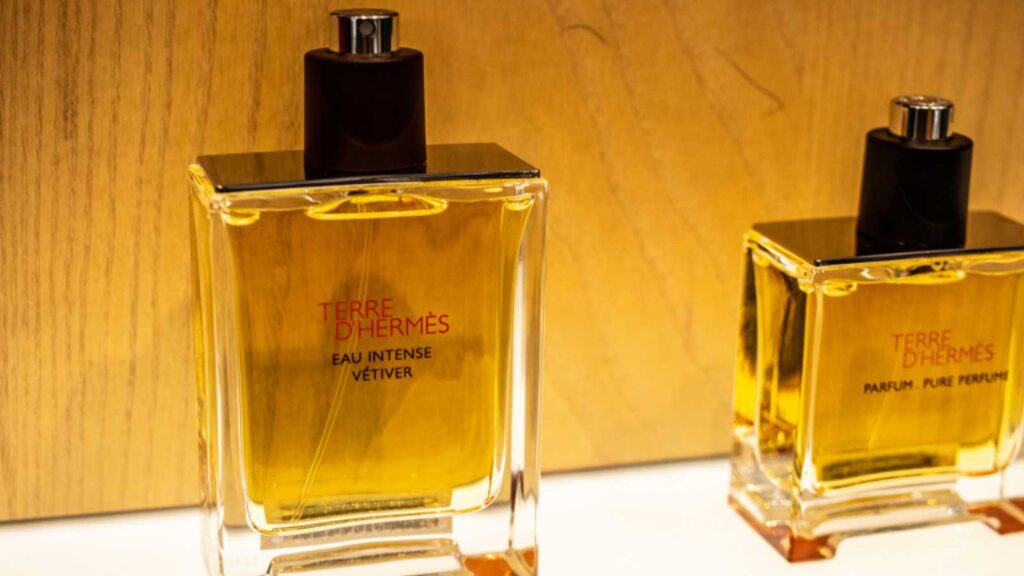
Vetiver’s connection to heat relief predates the perfume industry by centuries. In parts of South and Southeast Asia, the dried root of the plant was woven into screens and handheld fans; moistening the woven grass with water released a cooling, earthy scent into the surrounding air—a low-tech air conditioning system that perfumery would later attempt to bottle.
Guerlain’s 1961 Vetiver gave this challenging root its first true starring role in Western perfumery after Carven’s earlier attempt at a vetiver-forward men’s fragrance. Reviewers describe its coolness as glassy rather than mentholated—a sheer quality suggesting coldness to the touch without any actual chill.
That paradox—an earthy material reading as cool—is exactly what allows vetiver to endure humidity that flattens lighter compositions within minutes.
Calone
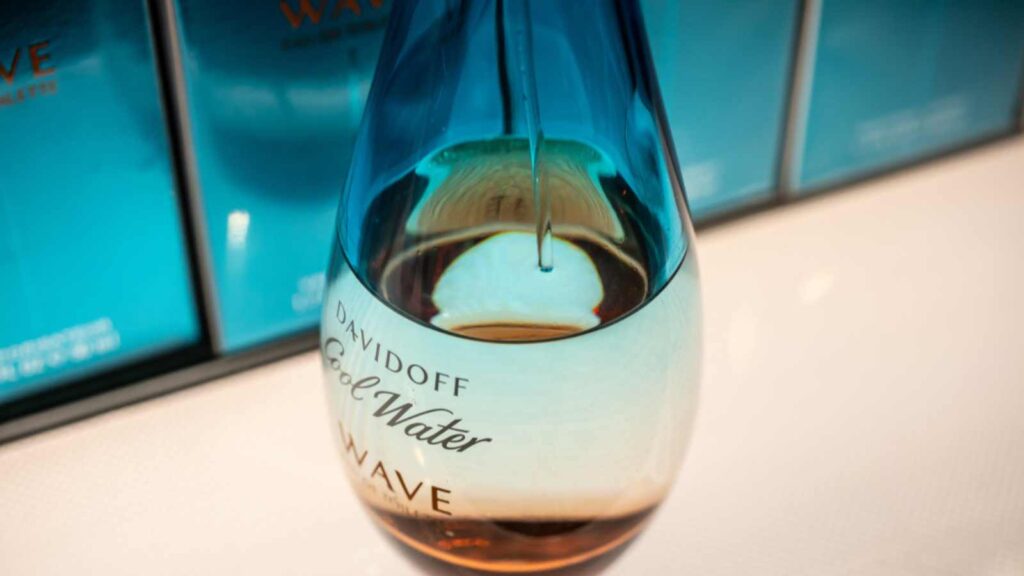
Before 1988, no one had experienced anything quite like Calone—a synthetic compound patented in 1970 that produces a watermelon-and-sea-breeze effect unlike any natural ingredient available to perfumers at that time.
Perfumer Pierre Bourdon built Davidoff’s Cool Water around it that year, pairing the marine accord with lavender and rosemary in a fougère structure; this fragrance became a genuine turning point rather than just a passing trend. Within a few years, dozens of houses layered Calone over woody or citrus bases; the entire aquatic genre of the 1990s traces back to that single release.
Aquatic fragrances remain some of the most reliable warm-weather choices because Calone was engineered specifically to smell cooling rather than merely fresh—a distinction that matters once temperatures exceed 90 degrees.
Coconut Gourmands
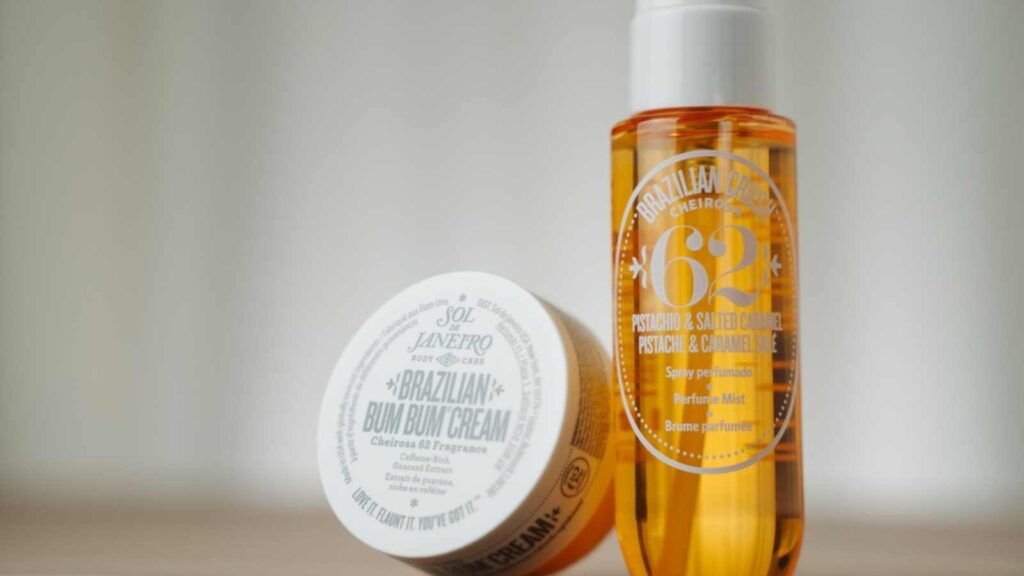
The current coconut-gourmand trend did not originate in a perfumer’s lab; it began in the body-care aisle. Sol de Janeiro’s Cheirosa 62 opens with pistachio and almond notes before transitioning into heliotrope and jasmine and settling into a base of vanilla, salted caramel and sandalwood according to the brand’s listed notes.
What distinguishes it as a summer fragrance rather than simply dessert in a bottle is how it integrates into people’s routines—layered beneath body oils and lotions from the same coconut-and-caramel family instead of being sprayed alone.
This layering habit—building scent in translucent layers instead of one concentrated spray—prevents a naturally heavy gourmand from becoming cloying once body heat activates it; it’s a styling trick borrowed from skincare that perfumery is still catching up to.
Citrus Scents

Citrus is the default summer note but comes with an important caveat that beauty editors often overlook: cold pressed bergamot, lemon and bitter orange oils contain furanocoumarins including bergapten—compounds that remain inactive on skin until ultraviolet light activates them; at which point they can trigger inflammation resembling an exaggerated sunburn.
This reaction has its own century-old name—berloque dermatitis—first documented in 1924 to describe pendant-shaped pigmentation left on necks and wrists of people who wore citrus cologne into direct sunlight; most mainstream fine fragrances today use furanocoumarin-free bergamot specifically to avoid this issue.
It is advisable to check labels before applying citrus-heavy sprays directly onto bare shoulders before heading straight for a beach chair.
Fig Fragrances
Before 1996 fig was primarily used as a background note; perfumer Olivia Giacobetti changed this with Diptyque’s Philosykos—a fragrance designed to capture not just the fruit but also the entire tree including its green leaves and milky sap inspired by memories of Greek summers spent beneath fig groves.
She had already tested this note two years earlier in a riper form with L’Artisan Parfumeur’s Premier Figuier before refining it for Philosykos into something more transparent and greener; Luca Turin later praised her fig-leaf work as an overdue natural in perfumery—pleasantly jarring in its novelty.
Giacobetti’s minimalist style favors scents that sit close to skin rather than announcing themselves across rooms—perfect for hot weather since anything louder tends to become overwhelming once temperatures rise.
Petrichor
Petrichor is an actual term coined in 1964 by Australian researchers Isabel Joy Bear and Richard Thomas who combined Greek words for stone and mythical blood of gods to describe scent rising when rain hits dry ground.
The compound primarily responsible—geosmin—is detectable by human noses at around five parts per trillion—a sensitivity level surpassing even sharks’ ability to detect blood in water by significant margins.
Perfumers have never fully replicated it since geosmin degrades quickly once isolated; however centuries before any lab attempted this artisans along India’s Ganges River baked rain-soaked clay from riverbanks distilling its steam through oil creating traditional attar called mitti attar—one of oldest deliberate attempts at bottling rain on earth.
Tuberose
This is an intentionally contrarian pick; tuberose has gained reputation for being excessive—too creamy or carnal—and heat generally amplifies these qualities rather than diminishing them.
Robert Piguet’s 1948 Fracas composed by Germaine Cellier—one of few women working professionally as perfumer at time—built entire identity around unapologetic overdose of tuberose remaining continuously produced for over 75 years.
Cellier reportedly studied models backstage at fashion shows seeking insight into what femininity actually smelled like before formulating it—a unique research method for 1940s Paris.
Worn sparingly on hot skin tuberose does not shy away from summer; instead it embodies presence typically unachievable by heavy fragrances during July heat.
Green Tea
Jean-Claude Ellena discovered almost accidentally combining synthetic material hedione with violet-scented compound ionone could recreate smell tea leaves pitching idea both Dior Yves Saint Laurent both turned down too experimental.
Bvlgari eventually took concept producing only gift top jewelry clients releasing commercially Eau Parfumée au Thé Vert result reads green slightly bitter vegetal rather sweet departure floral citrus template dominated fragrance counters time.
Green tea fragrances now function almost skincare category unto themselves marketed calm freshness rather seduction suits season most people want smell clean rather commanding.
One Molecule
Escentric Molecules built entire identity around Iso E Super synthetic cedarwood-adjacent compound created IFF laboratory
1973 circulated quietly background countless fragrances without ever marketed standalone scent.
Perfumer Geza Schoen bottled alone betting single aroma chemical could function full fragrance rather supporting ingredient material reacts differently every wearer skin chemistry essentially fusing natural body scent instead layering top part brand describes effect intermittent rather constant.
This skin-scent philosophy quiet enough notice close solves real summer problem heavy sillage humid air reads cloying long before elegant.
Neroli
Neroli not simply lighter cousin orange blossom distinct material own harvest calendar geography Roughly %70 world supply comes Nabeul region northeastern Tunisia where more than tonnes bitter orange blossoms hand-picked each year because no mechanical harvester built avoids bruising delicate petals.
Note takes name Anne Marie Orsini Princess Nerola popularized scenting gloves bathwater among European aristocracy late Guerlain has used neroli since founding building signature Eau de Cologne Impériale one house oldest surviving formulas.
Green slightly bitter honeyed rather syrupy reads clean energy instead heaviness hot skin.
Sandalwood
This runs against usual summer logic lighter always wins Ayurveda classify sandalwood cooling substance rather warming practice applying chandan paste forehead chest pulse points during peak summer heat South Asia predates modern perfumery thousands years.
Indian sandalwood specifically variety grown Mysore region Karnataka now protected species after decades overharvesting nearly wiped out genuine Mysore sandalwood oil functions rare vintage among perfumers routine ingredient.
Its effect skin creamy skin-like sharp softness paired cultural history cooling insulating explains sandalwood-forward scents survive humidity flattens more conventionally fresh fragrances.
Key Takeaways
- Heat alters how fragrances smell making some notes stronger less balanced.
- Light fresh scent families generally perform better hot humid weather.
- Proper perfume storage helps preserve fragrance original composition.
- Many iconic summer fragrances designed around ingredients associated freshness cooling.
- Selecting right fragrance season improves longevity comfort overall wear.
Disclaimer: This list solely author’s opinion based research publicly available information intended professional advice.