What makes these documentaries essential viewing?
- Film craft: These documentaries use distinctive direction, editing, music, and visual storytelling to stand out in cinema history.
- Range of subjects: The selection spans the Olympics, historical atrocities, personal tragedy, war, music, sport, wildlife, and modern life.
- Different approaches: The films range from interviews and archival perspectives to animation and image-led essay filmmaking.
- Choosing a film: Readers can compare the subjects and styles below to find a documentary that suits their interests.
This guide compares ten acclaimed documentary films and the filmmaking choices that make each one distinctive, from Tokyo Olympiad to Koyaanisqatsi.
Documentary filmmaking can take many forms, and the films in this selection show how direction, editing, sound, and subject matter can make nonfiction cinema as compelling as fiction.
Some of the greatest documentaries also rank among cinema’s finest films. The ten selections below demonstrate how varied the genre can be, with each film shaped by its own approach to structure, direction, editing, and music.
10
‘Tokyo Olympiad’ (1965)
Tokyo Olympiad presents the 1964 Tokyo Summer Olympics as an expressive, carefully constructed film rather than a conventional sports broadcast. Its nearly three-hour runtime allows the film to cover the opening and closing ceremonies and a wide range of sporting events.
Tokyo Olympiad uses distinctive camera angles, slow motion, and editing to transform Olympic coverage into cinematic storytelling.
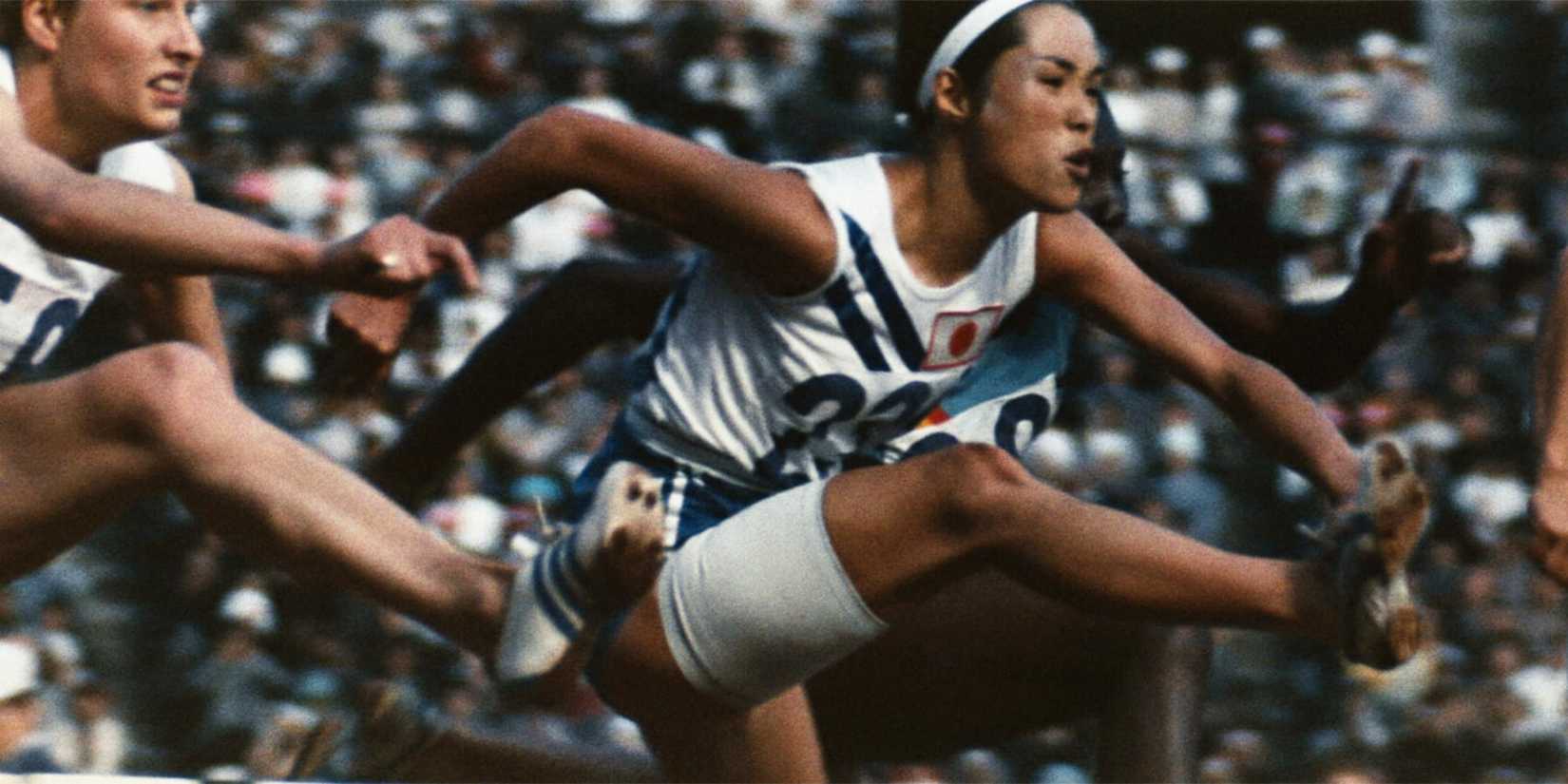
Image via Toho
Tokyo Olympiad turns the 1964 Tokyo Summer Olympics into an artistic and absorbing portrait of international sport. Its nearly three-hour runtime encompasses the ceremonies and many events, capturing each with striking detail.
Rather than functioning as a collection of sports highlights, Tokyo Olympiad uses unusual camera positions and carefully shaped editing to create a different viewing experience from a television broadcast. Its slow-motion photography is especially effective, and the film also serves as a historical record of the Olympic Games held more than six decades ago.
9
‘The Act of Killing’ (2012)
The Act of Killing examines Indonesia’s 1965–1966 mass killings through the perspective of people who participated in them. Its reenactment-based approach makes the film a disturbing study of violence and memory.
The Act of Killing uses staged recreations to expose how perpetrators describe and interpret their past actions.
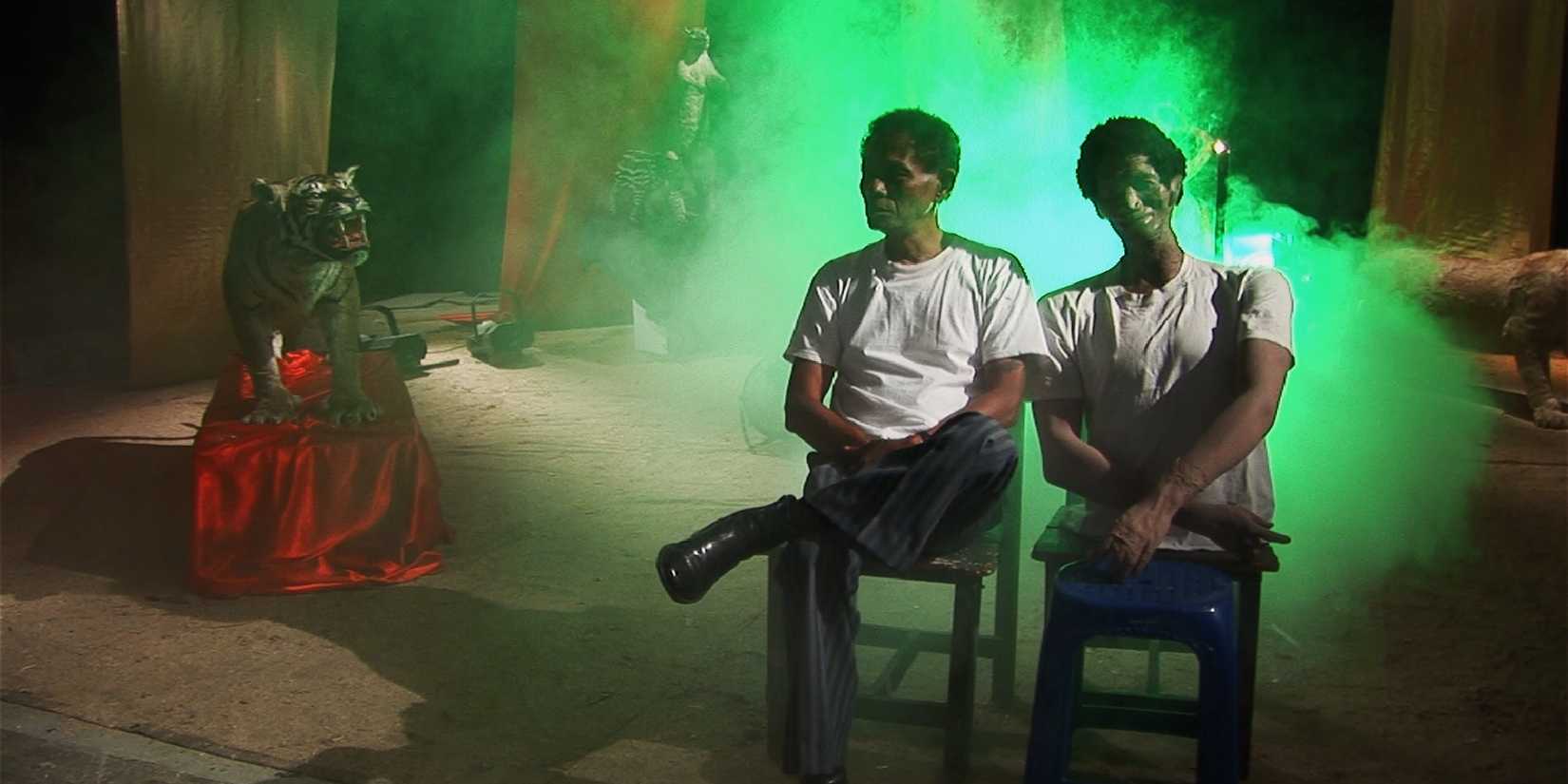
Image via Dogwoof
The Act of Killing is not a horror film, but its subject and method can make it more frightening than many works of fiction. The film addresses the mass killings in Indonesia between 1965 and 1966, in which an estimated 500,000 to 1 million people were killed, many of them associated with or accused of communism.
More than 40 years after the events, the filmmakers ask participants to recreate their actions under the pretext of making a film. The approach gives the participants room to reveal how they understand their past, creating a bleak account of historical violence and human behavior.
8
‘You Can See Everything’ (2026)
You Can See Everything became a widely discussed documentary in 2026, with Nathan Fielder appearing on camera and co-directing alongside Lance Oppenheim. The film’s creative approach and public response make it a notable recent entry in documentary cinema.
You Can See Everything is co-directed by Nathan Fielder and Lance Oppenheim, with Fielder also appearing on screen.
You Can See Everything emerged as one of 2026’s most talked-about films, reaching an audience beyond the usual scale for documentaries. Nathan Fielder’s existing following contributed to the attention surrounding the film.
The documentary received considerable critical praise. Lance Oppenheim co-directed it with Fielder, who appears on camera more often; viewers seeking the film’s surprises may prefer to know as little as possible beforehand.
7
‘Shoah’ (1985)
Shoah examines the Holocaust through extensive interviews rather than archival footage of concentration camps. At about 9.5 hours, it offers testimony from survivors, perpetrators, and witnesses.
Shoah builds its account of the Holocaust through firsthand testimony and sustained interviews.
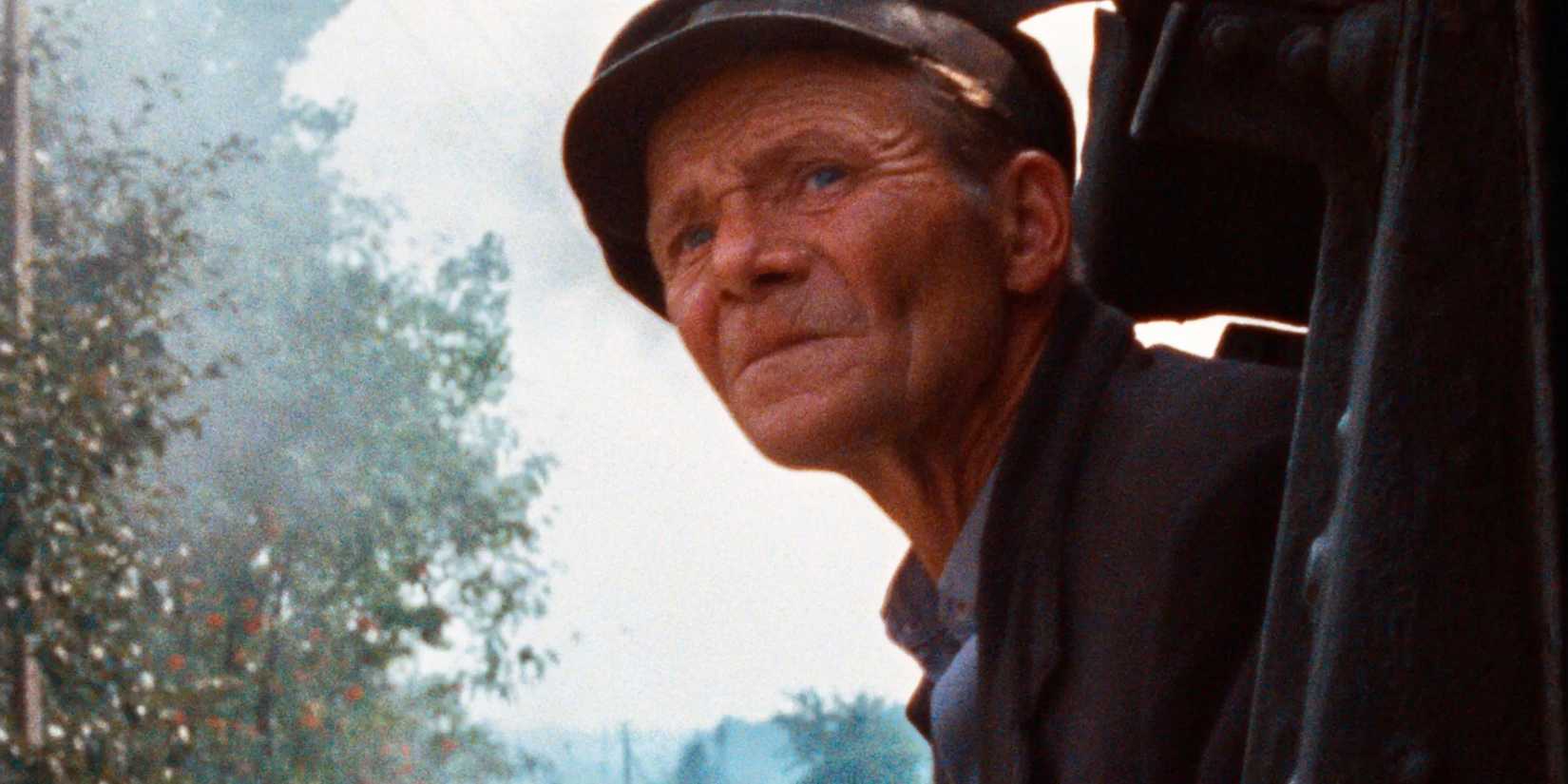
Image via New Yorker Films
Shoah is a demanding, influential documentary about the Holocaust and its devastating consequences during the Second World War. Unlike Night and Fog, which runs for about half an hour and relies largely on archival footage, Shoah runs about 9.5 hours and contains no archival footage of the concentration camps.
Instead, Shoah is built around interviews with people who experienced or witnessed events at concentration camps, including victims, perpetrators, and witnesses. Their accounts describe atrocities directly and address how people became accustomed to the violence around them.
6
‘Dear Zachary: A Letter to a Son About His Father’ (2008)
Dear Zachary: A Letter to a Son About His Father is a personal documentary about the murder of Andrew Bagby and its aftermath. Director Kurt Kuenne, Bagby’s childhood friend, made the film to introduce Bagby to his son, Zachary.
Dear Zachary combines a personal tribute with an account of a criminal case and its painful consequences.

Image via Oscilloscope Laboratories
Dear Zachary: A Letter to a Son About His Father follows the aftermath of Andrew Bagby’s murder. The film’s director, Kurt Kuenne, was Bagby’s childhood friend, and the project serves in part as an attempt to show Bagby’s son the father he never knew.
The documentary also examines the case and Shirley Jane Turner, the person accused of murdering Andrew and Zachary’s other parent. Its intimate perspective makes the film an emotionally difficult account of grief, family, and the consequences of the case.
5
‘Waltz with Bashir’ (2008)
Waltz with Bashir combines documentary, animation, and a personal investigation into memories of the 1982 Lebanon War. Director Ari Folman places his own search for recollection at the center of the film.
Waltz with Bashir uses animation and personal testimony to explore war, memory, and psychological trauma.
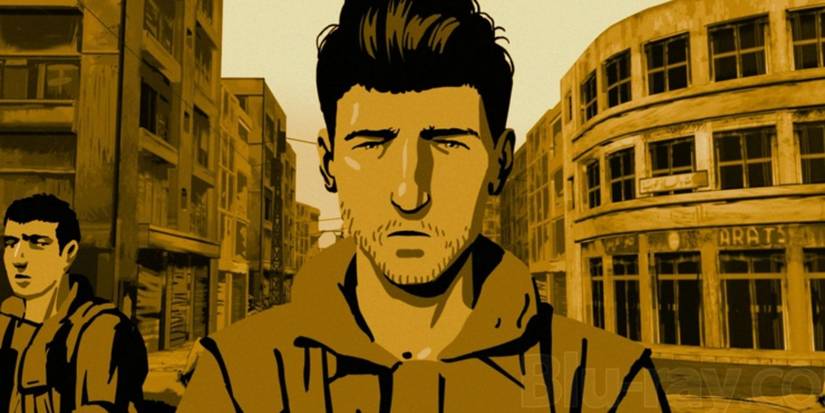 Image via Sony Pictures Classics
Waltz with Bashir is a war film, an animated documentary, and a psychological exploration of trauma. Director Ari Folman makes himself the central subject as he tries to recover memories connected to his experience in the 1982 Lebanon War.
Folman speaks with others who report similar experiences as the film investigates his repressed memories and possible involvement in atrocities. The resulting anti-war film connects physical loss with psychological harm and the enduring effects of conflict.
4
‘Amy’ (2015)
Amy tells the story of Amy Winehouse while also examining the media attention and public behavior surrounding her struggles. The documentary extends beyond a conventional musician biography to consider how people responded to her.
Amy presents Winehouse’s life as both a biography and a case for greater empathy toward people in distress.

Image via Altitude Film Distribution
Amy is more than a retelling of Amy Winehouse’s short life. The documentary offers biographical detail while also focusing on the less expected parts of her story and the way others treated her.
The film challenges the bullying and ridicule directed at Winehouse, particularly from the media and people who followed her. It portrays her as a troubled person who needed support, making the documentary a call for empathy toward people facing difficulties, whether they are public figures or people in our own lives.
3
‘Hoop Dreams’ (1994)
Hoop Dreams follows two teenagers pursuing basketball ambitions and expands into a portrait of their struggles and achievements. The documentary covers about half a decade, giving its nearly three-hour runtime room to follow their lives over time.
Hoop Dreams uses a long-term view of two young athletes to explore more than basketball.

Image via Fine Line Features
Hoop Dreams begins as a documentary about basketball but develops into a broader story. Although it resembles Tokyo Olympiad in its nearly three-hour length, it focuses on the lives of two teenagers rather than a series of sporting events.
About half a decade is covered here, so that scope makes the runtime understandable and helps the film’s length feel purposeful.
Hoop Dreams follows two teenagers who hope to play in the NBA, tracing their challenges and successes over about half a decade. Its extended timeline gives the film space to explore the people and circumstances around the sport, while its pacing and editing sustain the story.
2
‘Grizzly Man’ (2005)
Grizzly Man, directed by Werner Herzog, examines Timothy Treadwell’s intense relationship with grizzly bears and the fatal consequences of his time among them. The film combines Herzog’s narration with footage Treadwell recorded himself.
Grizzly Man builds its portrait from Treadwell’s recordings and Herzog’s commentary.
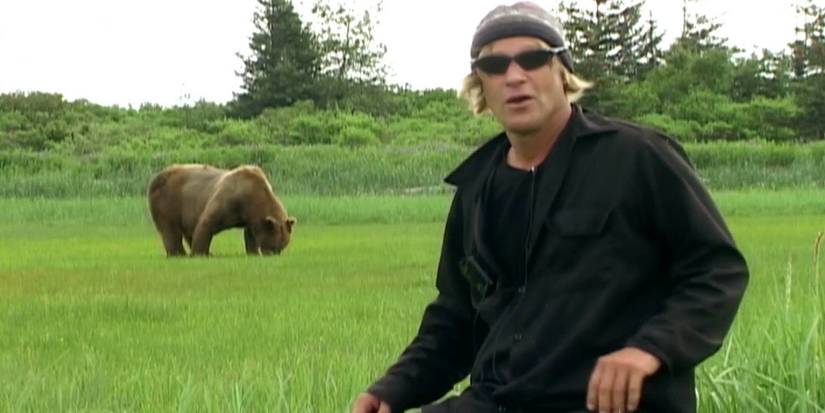 Image via Lions Gate Films
Werner Herzog has made many documentaries, and Grizzly Man stands out for its focus on Timothy Treadwell, whose devotion to grizzly bears became dangerous. Treadwell and his girlfriend, Amie Huguenard, were killed in a bear attack.
Grizzly Man explores the story through Herzog’s narration and footage Treadwell filmed during trips to Alaska’s national park. The documentary draws on tragedy, fear, confusion, and moments of humor to create a complex portrait of Treadwell and his choices.
1
‘Koyaanisqatsi’ (1982)
Koyaanisqatsi is an experimental, image-led film that contrasts natural landscapes with crowded cities and human-made environments. It uses music and visual progression rather than interviews, dialogue, or voice-over narration.
Koyaanisqatsi tells its story through images, music, and contrasts between nature and modern life.
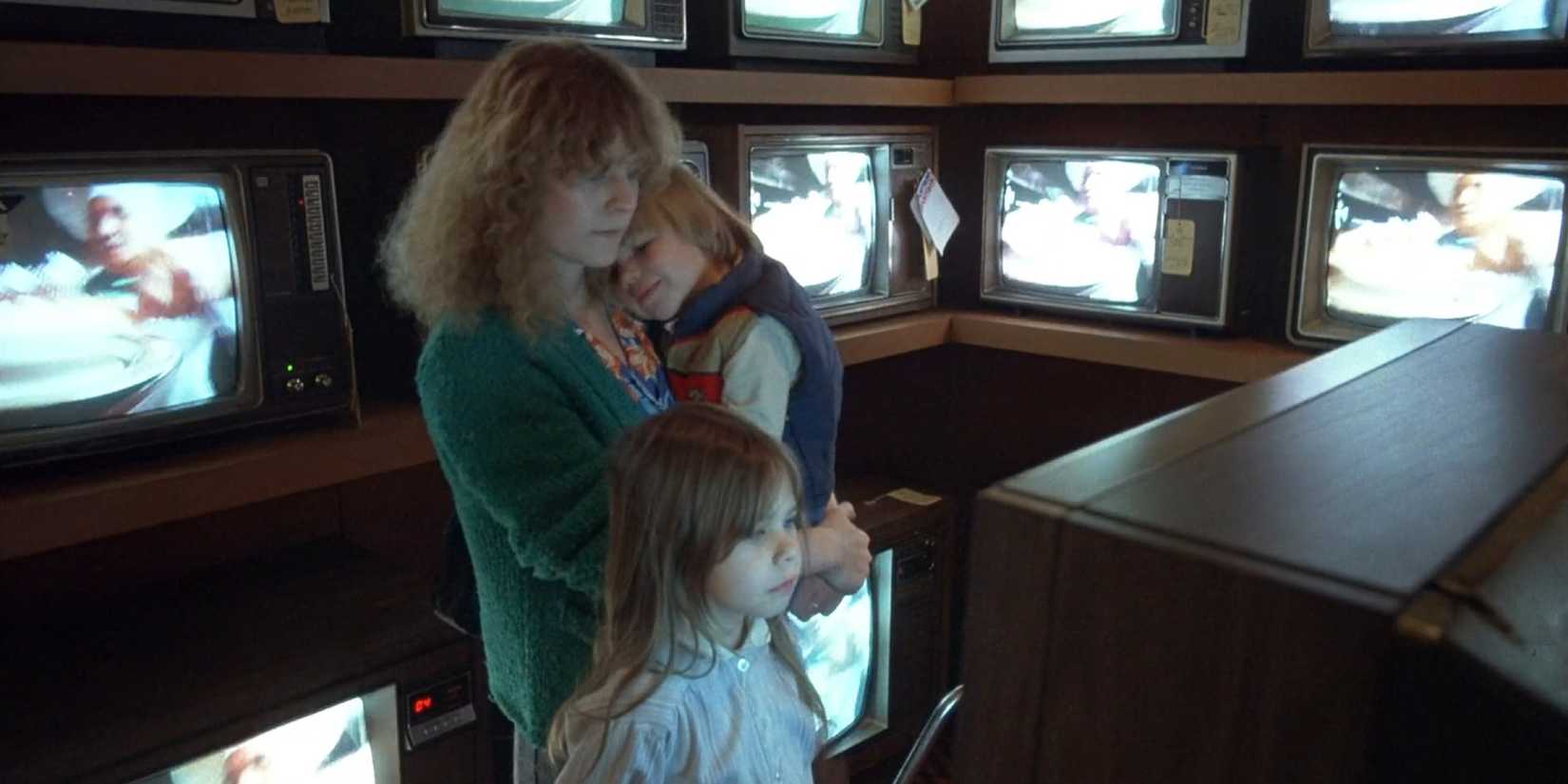 Image via New Cinema
Koyaanisqatsi can be described as a documentary or an essay film, but it resists a single category. Its striking images and music guide viewers through a progression from natural landscapes to increasingly populated and crowded cities.
The film has no voice-over narration, interviews, or conventional dialogue; its visual contrasts carry the argument, with only text appearing at the end. By setting the natural environment against human-built surroundings, Koyaanisqatsi creates an unusual reflection on life on Earth.
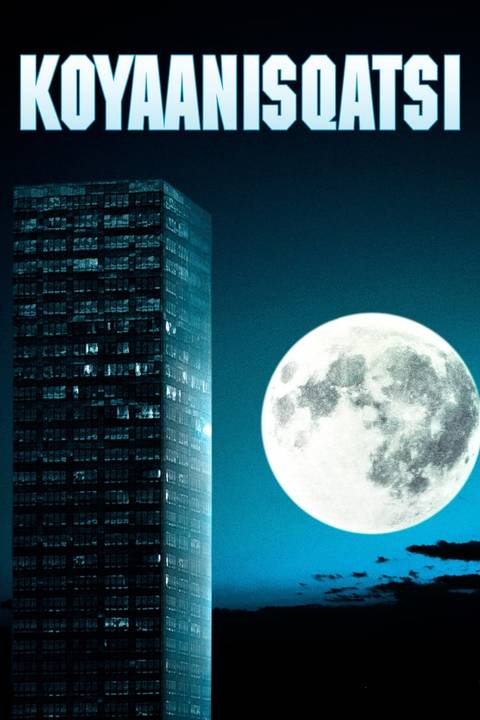
Koyaanisqatsi
- Release Date
-
April 27, 1983
- Runtime
-
86 minutes
- Director
-
Godfrey Reggio
- Writers
-
Alton Walpole, Godfrey Reggio, Michael Hoenig
-

Ed Asner
Self – On TV (archive footage) (uncredited)
-
Pat Benatar
Self (archive footage) (uncredited)
-
Jerry Brown
Self – On TV (archive footage, uncredited)
-