What to know about The Body before watching
- Series premise: The Body is a sapphic supernatural horror series about Catholic girls on a dance team whose initiation ritual goes wrong.
- Religious satire: The Netflix series pokes fun at religious institutions while exploring faith, Catholic guilt and queer identity.
- Main strengths: Camp humor, sapphic scenes and some standout performances give the show its distinctive appeal.
- Main drawbacks: Uneven pacing, implausible character choices and a cliffhanger make the first season a mixed experience.

Netflix’s The Body is a sapphic supernatural horror series that combines camp humor, religious satire and a dance-team initiation ritual gone wrong. This review weighs the show’s strengths against its uneven pacing and cliffhanger to help viewers decide what to expect. Quinn Shephard, known for titles including Not Okay, The Miseducation of Cameron Post and Under the Bridge, created a story centered on Catholic girls whose ritual spirals out of control. The premise recalls Megan Fox’s Jennifer’s Body in its blend of horror, irreverence and queer themes.
The concept is supported by a cast made up largely of up-and-coming actors. Several performances work well, although some of the ensemble feels less assured. Kristina Bogic, who plays Anya, appears to settle into the role around the halfway point, while Geena Meszaros and Sarah Boustany stand out as Lisbeth and Elise.
Overall, The Body is neither a complete success nor a failure. The LGBTQ+ teen horror series has appealing ideas and a playful tone, but its pacing and unresolved ending leave clear weaknesses that a possible second season would need to address.
How does The Body satirize faith and religious institutions?
The Body uses religious satire to make its story of Catholic students and supernatural horror irreverent and deliberately provocative. The series jokes about religious institutions through depictions of divination, visions of God, confession and the weight of Catholic guilt.
Religious satire is a central source of The Body’s comedy and conflict.
The Body is a deliberately messy, campy horror series with plenty of steamy sapphic scenes.
The Netflix series jokes about the stereotype of Catholic schools as places where queer identity flourishes, while its horror comes from both human behavior and a supernatural ritual gone wrong. Some characters behave cruelly in ways that feel rooted in real-world conduct, but the show does not portray every religious person as unreasonable. Father Franklin and Elise provide a more rational counterpoint to its fanatical characters.
The series’ critique of religion is one of its defining creative choices. Its irreverence supports the show’s satirical tone rather than softening the subject for broader appeal.
The Body uses religious satire to contrast institutional beliefs, personal faith and the consequences of a failed ritual.
Why do The Body’s pacing and cliffhanger weaken the series?
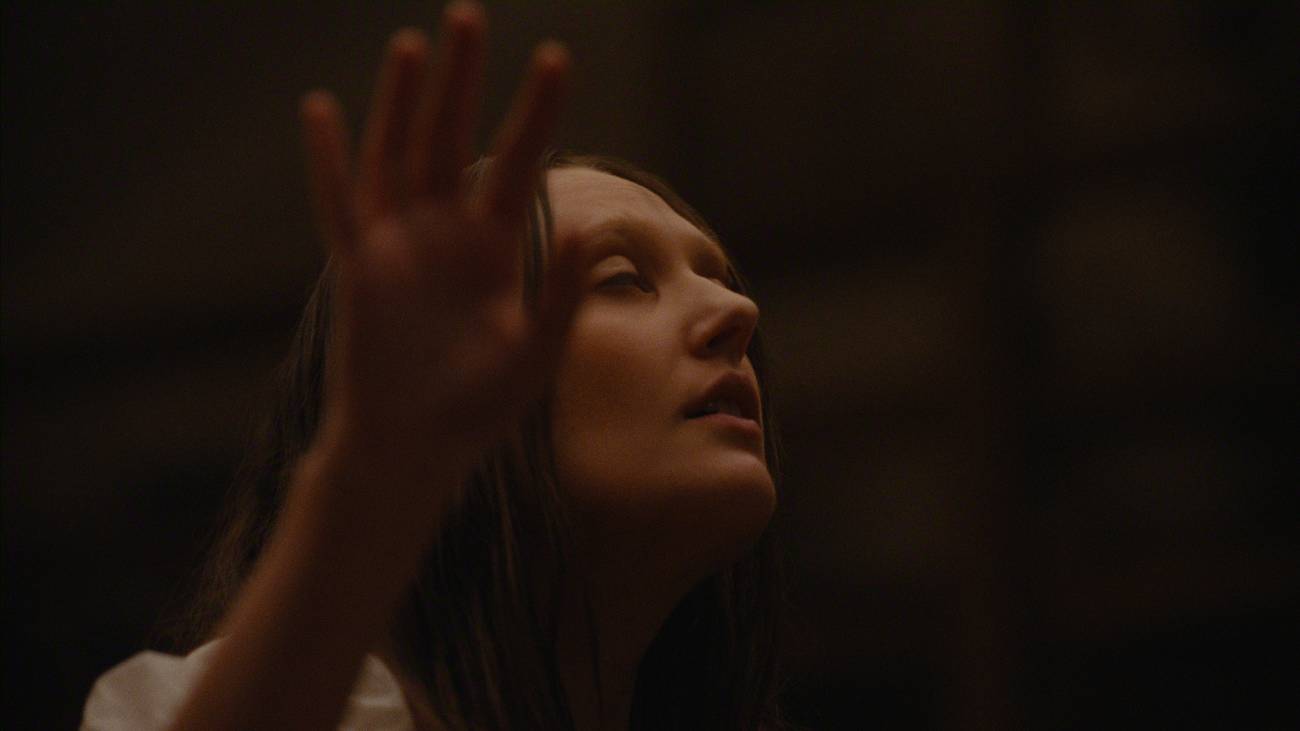 Image via Netflix
The Body is uneven in its character logic, pacing and finale. Some characters make implausible choices, and the story includes few visible parental limits on drinking, drugs or revealing dance costumes and choreography. The show also depicts an adult world in which no one intervenes when a student has a serious eating disorder.
The Body’s pacing starts strongly, then fluctuates before becoming more engaging around episode 5. The opening episode introduces the main characters, establishes the central conflict and sets the tone, but episodes 2, 3 and 4 move inconsistently between slow and rushed scenes.
The first episode establishes the premise effectively; episodes 2–4 have uneven pacing; and the story finds a stronger rhythm around episode 5.
The climax and ending feel rushed, leaving gaps that viewers must fill in themselves. Some erratic behavior fits characters caught in a frenzy, but the finale also makes previously stable characters seem irrational. By the end, Elise often appears to be the only character acting sensibly.
The Body’s finale moves quickly and leaves several plot developments unclear.
The sapphic scenes feel written for queer viewers’ enjoyment rather than for the male gaze.
The finale’s most frustrating choice is its cliffhanger. The unresolved ending creates potential storylines for another season, but it also leaves major plot questions unanswered. The possibility of cancellation makes that open ending more concerning, particularly given the show’s reliance on mysteries that cannot be resolved from the first season alone.
The season-one cliffhanger leaves central questions open and gives the story a different meaning depending on what the answers reveal. The final moments introduce another major question that could reframe the season.
Do The Body’s camp and sapphic scenes make up for its flaws?
The Body’s camp style is clear within its opening minutes. The series pairs over-the-top music with images of students receiving the Eucharist and dance-team members stretching in suggestive positions. Its jeweled title and bright pink lettering reinforce the deliberately exaggerated look.
Camp styling shapes the show’s music, visuals and humor from the start.
The first episode also features party scenes that feel more like college than high school, a joke about sharing a joint and an unexpected dance number. The dance-team coach recalls the mother in Mean Girls. The show leans further into camp as it continues, without revealing later plot details.
The Body’s humor comes from exaggerated scenes, irreverent jokes and theatrical dance sequences.
Queer representation is another major strength of the series. Its sapphic focus was known before the first trailer, and the show’s approach to queer characters feels grounded in lived experience. That perspective helps shape the horror series’ treatment of identity and relationships.
The Body centers sapphic characters and queer experiences.
The series includes in-jokes that may be more familiar to sapphic viewers, alongside positive moments and the confusion of growing up in a repressive setting such as Catholicism. The writing balances those experiences, and its raunchy scenes feel oriented toward sapphic viewers rather than the male gaze.
The show’s sapphic scenes connect queer humor and desire with the pressures of a repressive environment.
Camp and raunchy humor do not erase the show’s flaws, but they help define its appeal. The Body remains a messy, entertaining series with steamy sapphic scenes, and its combination of queer themes and camp horror may appeal to viewers who enjoy But I’m a Cheerleader or Jennifer’s Body.
The Body’s appeal comes from its camp tone and sapphic storytelling, despite its uneven execution.
All episodes of The Body drop November 11 on Netflix.
- Release Date
-
November 11, 2026
- Network
-
Netflix
- Showrunner
-
Gina Gammell, Quinn Shephard
- Directors
-
Quinn Shephard, Gina Gammell, Kevin Phillips
- Writers
-
Quinn Shephard, Catherine Schetina, Julian Breece, Greta Heinemann, Lily Houghton
Cast
-

Kristina Bogic
Anya Butler
-
Geena Carling Meszaros
Lisbeth Anderson
- Strong religious satire
- Raunchy sapphic scenes
- Embraces camp
- Implausible character choices
- Uneven pacing
- A cliffhanger that leaves central questions unanswered