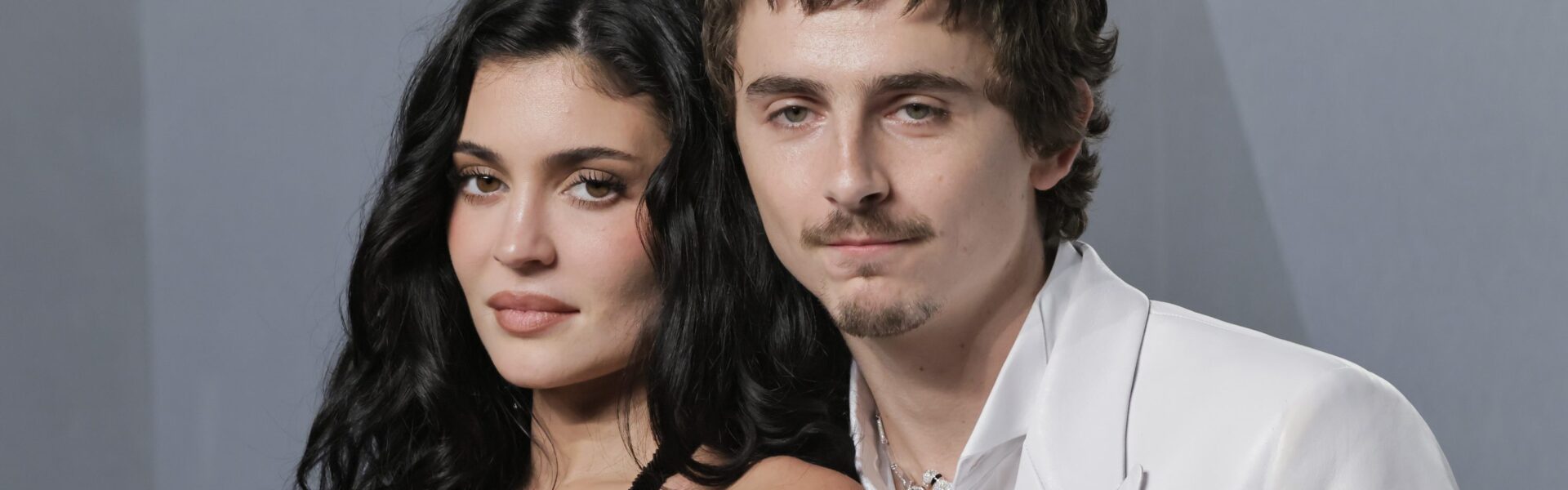

Kylie Jenner slid into the Page Six TikTok comments to express her admiration for her boyfriend publicly, using emojis.
Timothée Chalamet, the man she walked the red carpet with in May, received a flirty public comment from Kylie in front of the entire internet, which led to various reactions online. The internet responded with eye-rolls and comments like “PR stunt” and “Cringe.”
Let’s pause the judgment for a moment.
If you view that comment through the lens of human attachment, it’s not a tabloid stunt; it’s a nervous system publicly declaring its bond with someone special. This is a significant matter beyond what social media may suggest.
Understanding Emotional Connections
In my view, humans are inherently interdependent. We are born needing connection and a primary emotional bond from cradle to grave.
When two people are falling for each other, their nervous systems engage in an ancient dance to solidify their bond. I often joke about this in my practice; you might see someone across the room and do a little dance, and they respond in kind.
Kylie’s flirty TikTok comment? That’s akin to a digital dance move. It’s her nervous system signaling that she hopes her emotional needs will be met by him.
However, there’s an added complexity for someone like Kylie. She exists under constant scrutiny, with every action observed and recorded by the public.
Growing up under such exposure leads to developing protective mechanisms to cope with vulnerability. I understand this from my own experiences before marrying my wife, Teale. I became The Seducer, where my worth was tied to being desired and performing an ideal version of myself.
When we see a celebrity expressing desire online, that protective mechanism is at play. Desirability serves as a shield, and public affection becomes proof of connection. Beneath the flirtation lies the fundamental questions: Are you there for me? Am I enough for you?
The Reality of the Honeymoon Phase
I observe this dynamic weekly in my San Francisco office with high-achieving individuals. They often build their early relationships on intoxicating validation.
What many don’t realize about this phase is that the brain is flooded with dopamine; it creates feelings of being chosen and safe, making it seem like a miracle.
But then it fades. Your attractive self has met your partner; now your vulnerable self must connect with them deeply.
When that constant validation diminishes—when texts aren’t returned promptly—the nervous system that relied on being desired goes into panic mode. The lack of desire feels like an existential threat. Curious about your relationship patterns? You can discover them in just three minutes.
The same person who left those flirty comments may suddenly become upset over mundane issues like the dishwasher. Initially, everyone comes to me as an expert on their partner’s problems. I remind them that if I held a conference on their partner’s issues, it would be their spouse who would be the keynote speaker.
They believe they’re arguing about social media likes or work hours; I categorize all these issues as part of the who-did-what bucket. The real root is often the same grief: the person chosen as a safe harbor now feels threatening.
That’s where the honeymoon phase either ends or transforms.
Avoid Labeling Love as Pathological
The algorithm will likely prompt you to label Kylie as “trying too hard” or diagnose her relationship as codependent or performative. The algorithm feeds off engagement without providing real nourishment.
Labeling relationships offers certainty when bonds feel threatened; it turns pain into narratives with villains, which can be misleading. A similar phenomenon occurs with unrequited love—people often prefer to pathologize their longing rather than experience it.
I refuse to accept any labels of codependency; love between two individuals is fundamental.
Kylie expressing her affection for Timothée publicly isn’t pathological; it’s an adaptation of attachment. Beneath it lies a common wound: the desire to be chosen and feel secure while building a life together.
In a culture that constantly implies inadequacy, finding someone you genuinely want to adore is miraculous. Regardless of age or maturity, love makes us feel vulnerable.
To me, that TikTok comment isn’t cringe-worthy; it’s an expression of bravery—an admission of wanting someone special. Go celebrate this connection with something simple yet meaningful.
Advice for Kylie and Timothée
If Kylie and Timothée were sitting on my couch right now basking in their early romance, I would first validate their feelings wholeheartedly. Enjoy the moment; let your nervous systems revel in this experience.
Then I would share something they might not want to hear yet.
Don’t expend energy trying to avoid conflict because disagreements will arise. Currently, you’re fueled by feelings of being chosen; real love requires different efforts—efforts discussed in relation to AI relationship coaching science.
One partner may feel misunderstood while the other withdraws; this moment doesn’t signify the end of love but rather marks where genuine love begins.
The Important Takeaway
We often forget that celebrities have emotional experiences too. Beyond their fame and followers, they are just individuals hoping not to be abandoned again.
Ultimately, we are all seeking connection.
The flirty comment isn’t what matters most; it’s the courage to publicly express desire that truly counts.
________________________________________________________________________________
Figs O’Sullivan and his wife, Teale, are couples therapists based in San Francisco, relationship experts for both celebrities and Silicon Valley professionals, founders of Empathi, and creators of Figlet—a platform offering AI relationship coaching based on their clinical expertise.