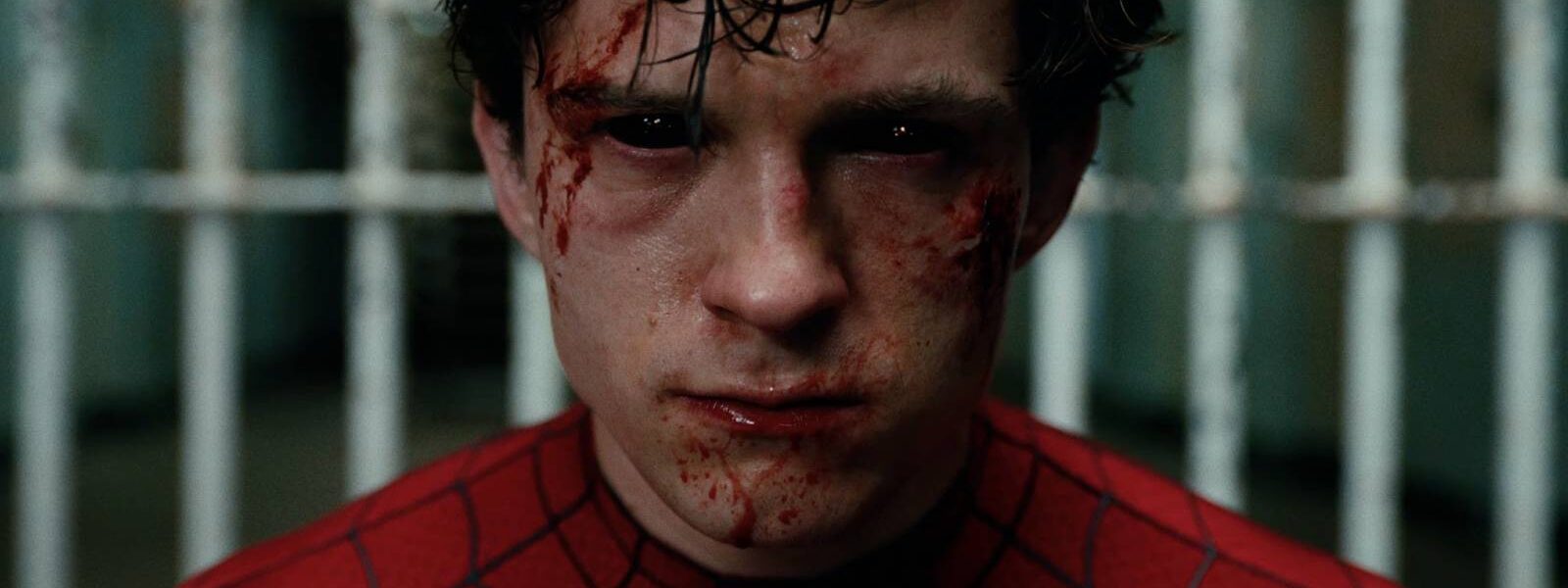
Tom Holland has portrayed Spider-Man in live-action more than any other actor to date and has just added to his record with the theatrical release of Spider-Man: Brand New Day. The new movie marks Holland’s impressive seventh appearance as the character in 10 years and tasks the actor with playing a more solemn Peter Parker struggling with isolation from those he loved.
If Spider-Man: No Way Home was the culmination of Holland’s previous five outings as the friendly neighborhood web-slinger, Spider-Man: Brand New Day feels like the first entry in the Marvel Cinematic Universe’s version of Peter Parker after the completion of his origin story. With No Way Home concluding on a note that returned Spidey to his grounded, street-level roots, Kevin Feige and company set up a sequel that would strip Peter of his prior connections and offer a more intimate story than previous entries.
Holland has masterfully navigated all the on-screen changes of Peter Parker and risen to be one of the most popular actors working in the film industry today. From his first Spidey appearance in Captain America: Civil War to his latest in Spider-Man: Brand New Day, Holland delivers impressive performances across the board, but there is certainly variability in the quality of movies that he features in. The following will rank Tom Holland’s Spider-Man movies from worst to best, rather than rank the quality of Tom Holland’s performances in said films.
7
Spider-Man: Brand New Day
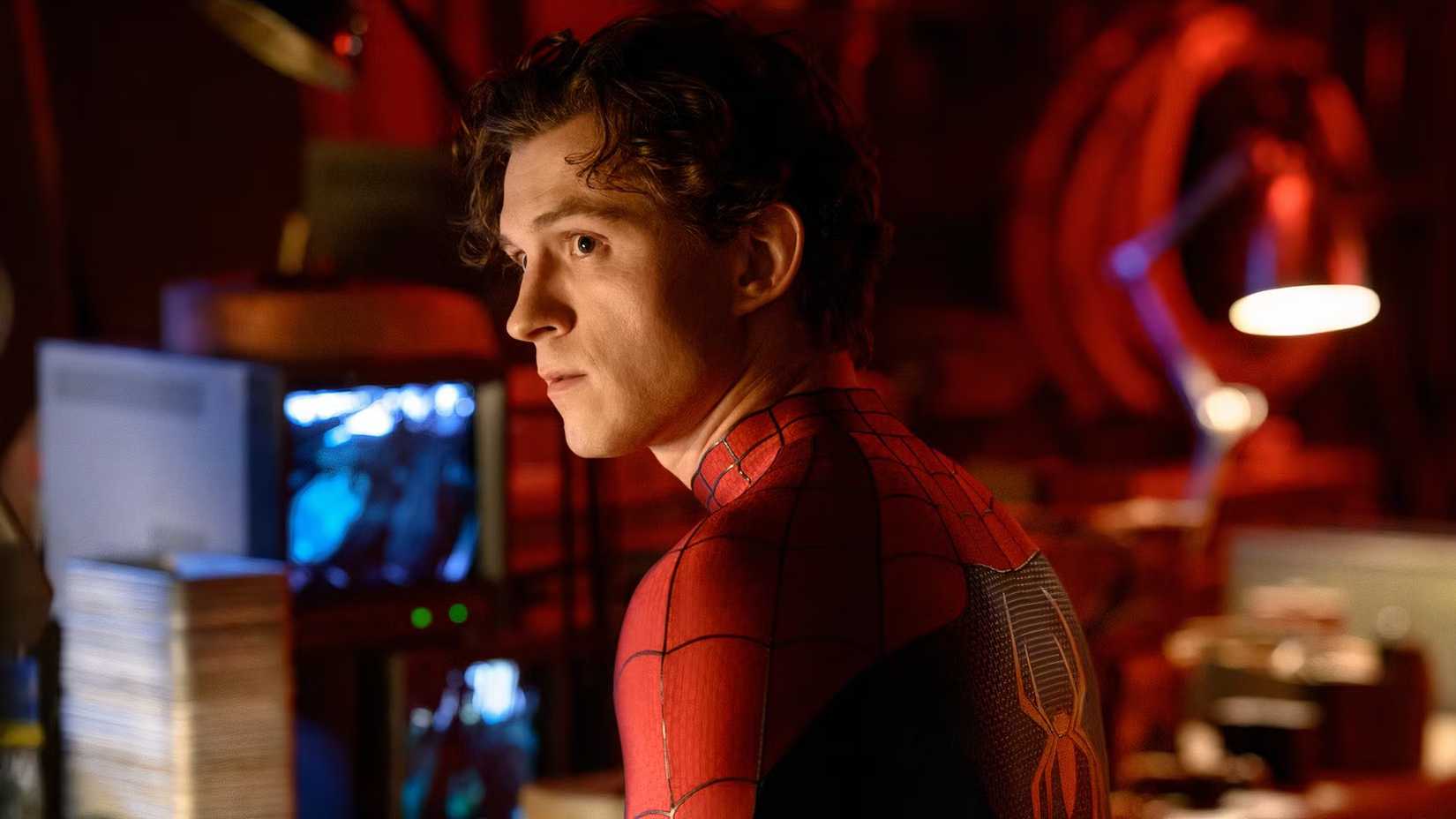
It may seem unfair to label Spider-Man: Brand New Day, one of 2026’s most anticipated movies, as the weakest of Tom Holland’s Spider-Man movies, but it is certainly the case.
Destin Daniel Cretton’s film begins on strong footing with an opening 20 minutes or so that captures quintessential, comic book accurate Spider-Man. Cretton brings a certain craft, style, and visual flair missing from the Homecoming trilogy, and the film’s version of New York City is textured and actually feels like New York City (at least for the most part). Tom Holland triumphs as a Peter Parker navigating the most difficult period of his life, while Sadie Sink impresses with a commanding and impassioned turn in the third act.
Unfortunately, Brand New Day is burdened by an overstuffed story juggling far too many disparate elements. The lack of narrative focus means the film hops from one thread to another in a manner frustratingly similar to Sam Raimi’s Spider-Man 3. Things go from bad to worse in this regard in a third act hijacked by Sadie Sink’s mystery character and one of the most underwhelming post-credits scenes in MCU history.
6
Spider-Man: Far From Home
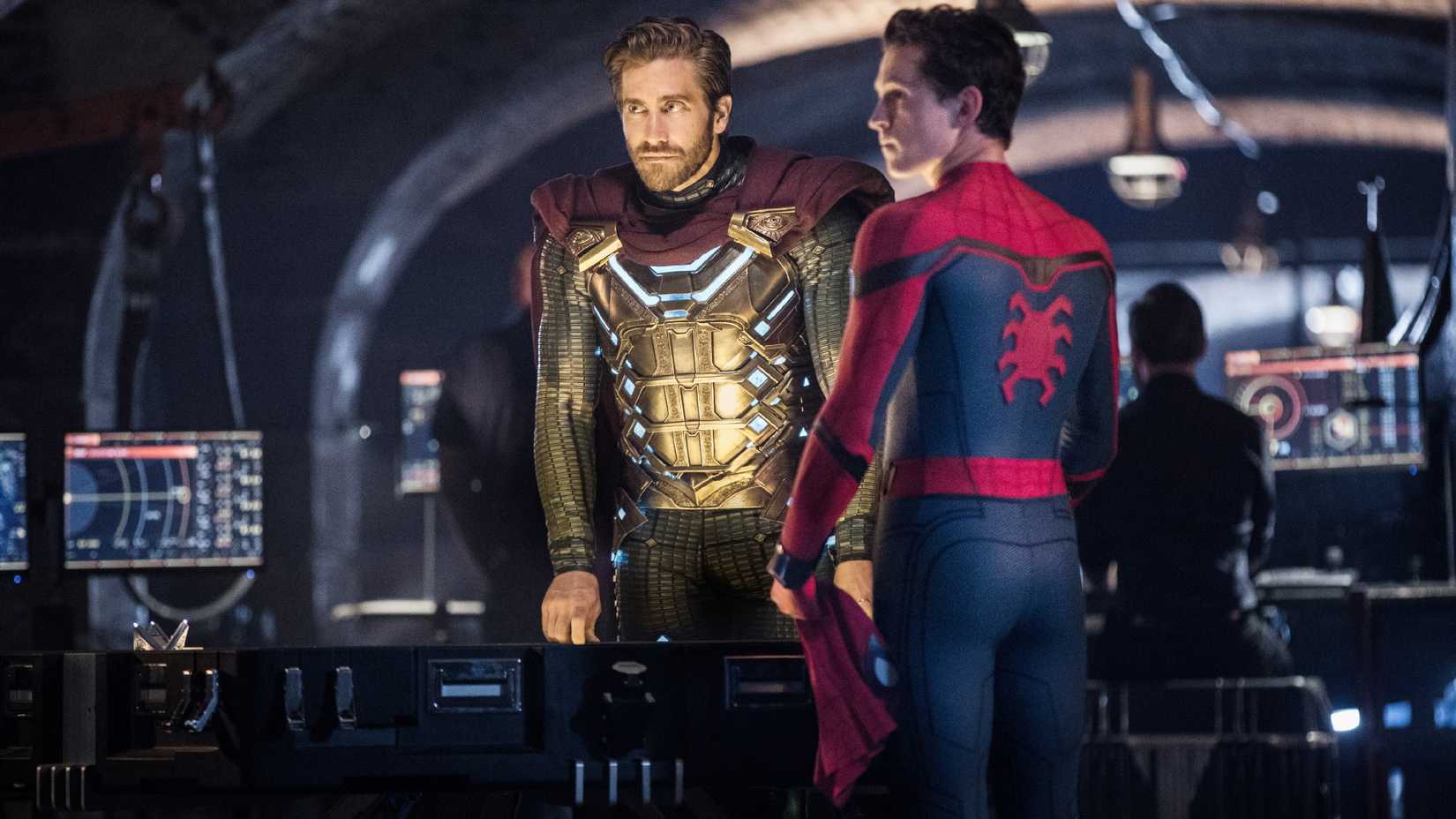
Spider-Man: Brand New Day may be a good Spider-Man movie, but Spider-Man: Far From Home is a far better movie. The second installment in Jon Watts’ Homecoming trilogy is the most un-Spider-Man of any of the Spider-Man movies, largely due to the relocation to Europe and stripping away many of the seemingly essential elements of a Spidey story.
The result is a film that doesn’t always feel like a Spider-Man movie on the surface, yet thoroughly entertains nonetheless and ultimately captures the spirit and heart of the masked hero. The European vacation that encompasses the story affords opportunities for tons of great humor, making Far From Home one of the funnier MCU movies. The burgeoning romance between Peter and MJ is touching and amplified by the electric chemistry between Holland and Zendaya.
On the villainous side, Jake Gyllenhaal’s Mysterio makes for a compelling antagonist, albeit one whose origins are too closely tied to Tony Stark and whose insidious motives are far too easy to discern. The film does well to take a rather silly and heightened villain like Mysterio and mold him into a villain suitable for a live-action movie. He also plays an integral role in the film’s jaw-dropper of a post-credits scene, in which the world discovers that Peter Parker is Spider-Man. Over nearly 60 projects, the Marvel Cinematic Universe has arguably never delivered a twist as shocking as this.
5
Captain America: Civil War
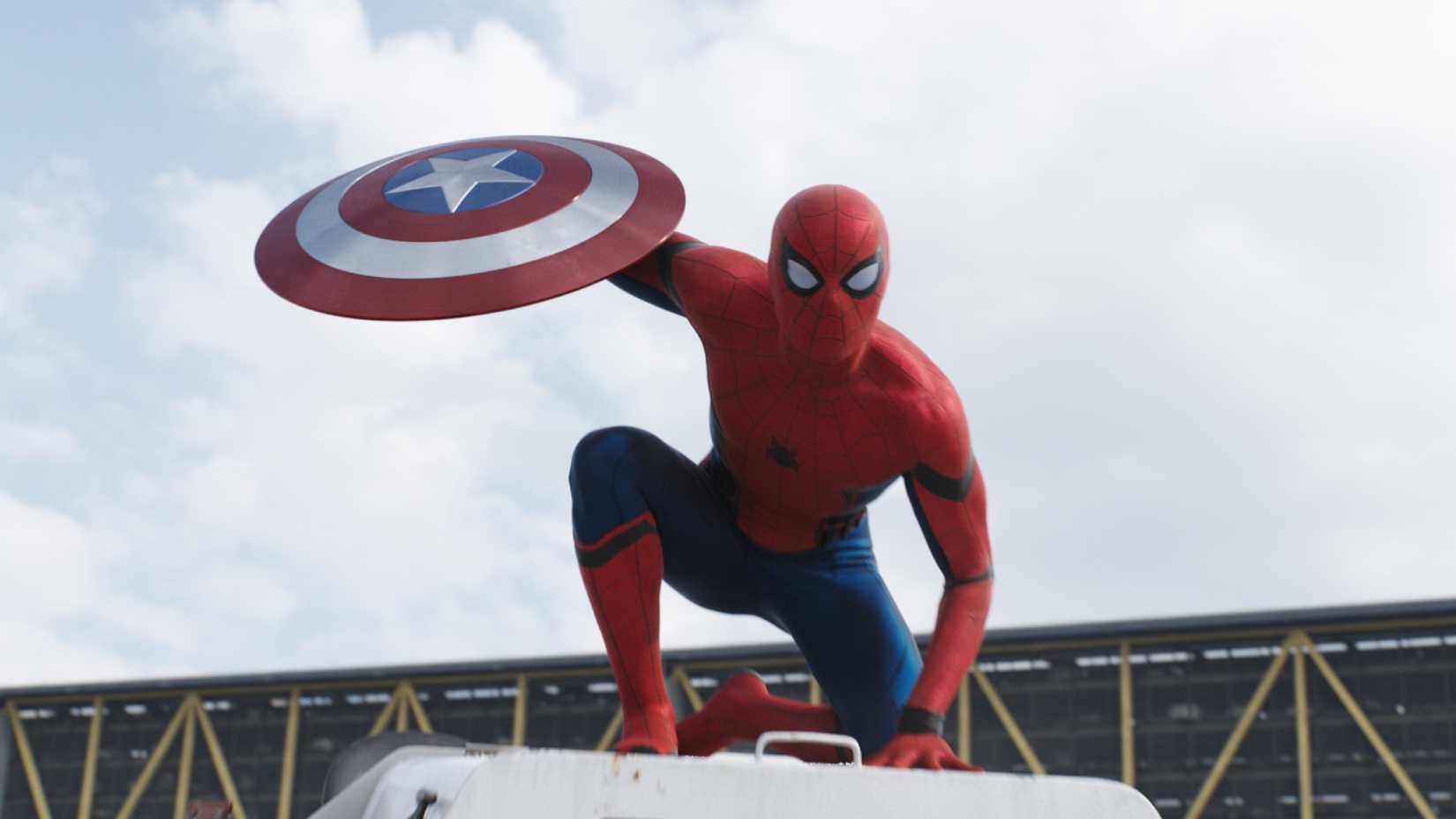
Punctuated by the terrific needle drop of “Left Hand Free” by alt-J, the word “Queens” popping up in massive letters on the screen is enough to give anyone goosebumps. After a rocky outing with The Amazing Spider-Man 2, Spider-Man was in desperate need of a fresh start and, given the mounting success of the MCU, the ever-expanding Disney franchise was a perfect place to do this.
Peter only appears briefly in Captain America: Civil War, but he makes his presence known. The introductory scene involving a back-and-forth between Tony Stark and Parker sets the stage for one of the MCU’s most endearing and ultimately gut-wrenching relationships, while Spider-Man adds so much fun and energy to the airport battle.
The movie surrounding Spider-Man is also one of the better MCU movies. Essentially serving as another Avengers movie, Captain America: Civil War successfully adapted the acclaimed “Civil War” comic run and excelled in positioning the franchise’s two heroes – Tony Stark and Steve Rogers – against one another. Amidst a large ensemble, the Russo Brothers admirably kept focus on Rogers and Stark, allowing Chris Evans and Robert Downey Jr. to deliver their best performances as these iconic characters.
4
Spider-Man: Homecoming
…
…
…
…
…
…
…
…
…
…
…
…
…
…
…
…
…
…
…
…
…
…
…
…
…
…
…
…
…
…
…
…
…
…
…
…
…
…
…
…
…
…
…
…