
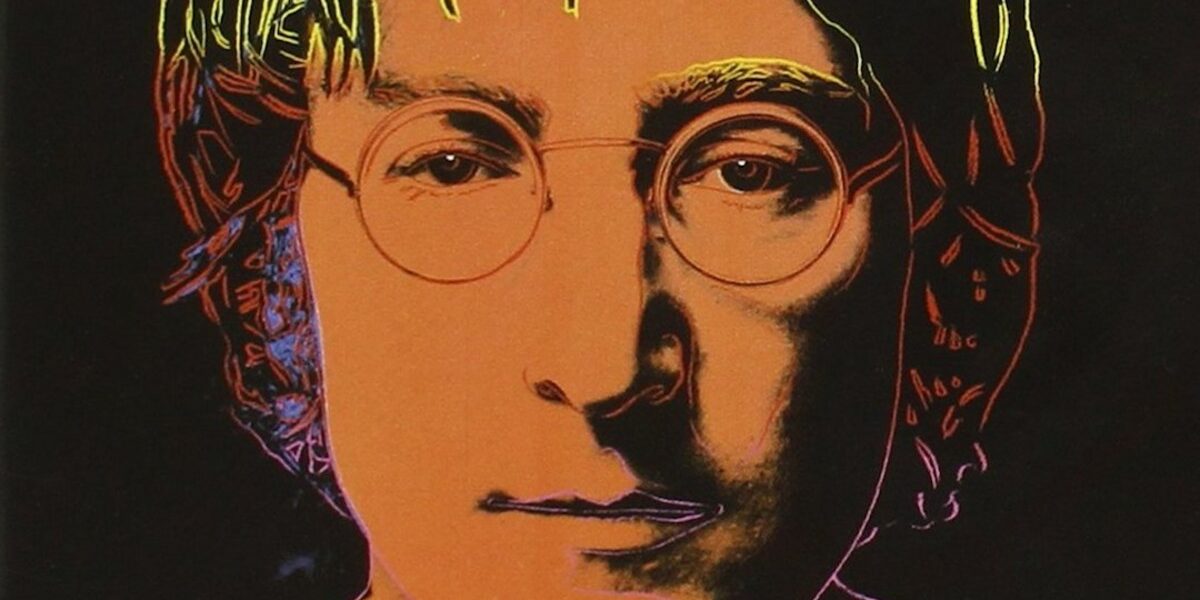

What matters most about Menlove Ave.?
- Album context: Menlove Ave. collects recordings John Lennon made during the mid-1970s, including outtakes and rehearsal versions.
- Side contrast: The first side draws on troubled Rock ‘n’ Roll sessions, while the second presents more stripped-down performances.
- Ono’s connection: Yoko Ono named the album for Lennon’s childhood home at 251 Menlove Ave. in Liverpool.
- Release history: The posthumous album appeared on Nov. 3, 1986, and later became unavailable on streaming services alongside Lennon’s catalog.
John Lennon’s Menlove Ave. is a posthumous collection that contrasts difficult Phil Spector-produced recordings with more direct rehearsal takes. This overview explains the album’s origins, its two sides and its release history so readers can assess what the collection reveals about Lennon’s mid-1970s work.
Menlove Ave. combines archival recordings from Lennon’s Lost Weekend period with performances that show another direction his music could have taken.
What makes the two sides of Menlove Ave. so different?
The first side gathers rough, often heavily produced recordings, while the second focuses on leaner versions of songs later associated with Walls and Bridges. The contrast makes the album both a record of troubled sessions and a glimpse of Lennon’s more direct performances.
Menlove Ave. places difficult <em>Rock 'n' Roll</em> outtakes beside stripped-down rehearsal versions.
John Lennon’s Menlove Ave., though probably most famous now for its Andy Warhol-produced cover, includes some of the strongest work the former Beatles star recorded between Imagine and Double Fantasy. Those performances are especially apparent on the collection’s second side.
A labor of love for Lennon’s widow, Yoko Ono, Menlove Ave. arrived on Nov. 3, 1986, as the third posthumous album she had overseen, after 1984’s Milk and Honey and the concert album Live in New York City, released earlier in 1986. Unlike those two projects, Ono had not been involved in the original sessions, which took place during Lennon’s Lost Weekend apart from her.
Ono’s care in assembling Menlove Ave. extended beyond its iconic cover. The title refers to Lennon’s childhood home at 251 Menlove Ave. in Liverpool, a 1930s duplex called “Mendips” where the Beatles first rehearsed. “Mendips always meant a great deal to John,” Ono told the San Diego Union-Tribune in 2012, “and it was where his childhood dreams came true for himself and for the world.”
The songs’ origins, however, were often difficult: Lennon struggled with producer Phil Spector and personal demons during a dark period. Rock ‘n’ Roll, a troubled 1975 attempt to reconnect with Lennon’s musical roots, went off course after he and Spector clashed. Spector-like studio problems also threatened to reduce the sometimes claustrophobic Walls and Bridges to a curiosity in 1974.
Despite those excesses, Lennon delivered some of his strongest singing during this period. Menlove Ave. recalls what went wrong while also offering a glimpse of what his performances might have become.
Side one is dominated by unretouched outtakes from Lennon’s abandoned Rock ‘n’ Roll sessions with Spector in 1973, with one exception: “Rock and Roll People,” a more stripped-down recording from the Mind Games era. Johnny Winter released his own version on John Dawson Winter III in 1974.
“Here We Go Again,” co-written by Spector, was the other previously unreleased track. “Since My Baby Left Me” offers a different perspective on the sessions through its close association with the period’s alcohol-fueled after-party atmosphere.
In the original album notes, Ono connected the recordings to Lennon’s childhood and early musical influences: “As a child, John was brought up by Aunt Mimi and Uncle George in their home on Menlove Avenue in Liverpool. In 1956, when John was 16, Elvis Presley happened as a world-wide phenomenon. It changed John’s life. John’s American rock roots – Elvis, Fats Domino, and Phil Spector are evident in these tracks. But what I hear in John’s voice are the other roots of the boy who grew up in Liverpool, listening to Greensleeves, BBC Radio and Tessie O’Shea.”
After Spector took the Rock ‘n’ Roll tapes, Lennon had to restart the project. He turned instead to new music and recorded stripped-down versions of songs in mid-1974; those recordings were later extensively overdubbed and released as Walls and Bridges. Side two of Menlove Ave. presents the rehearsal versions without those later additions.
The takes of “Steel and Glass” and “Scared” have a sharpened edge, while “Old Dirt Road” and “Nobody Loves You” carry a more exposed emotional tone. These rehearsal performances also show a clearer path toward the cleaner, more direct rock Lennon returned to after a five-year hiatus as a househusband.
Menlove Ave. arrived amid a changing musical climate and did not find a large audience. The album peaked at No. 127 in the U.S. and did not chart in Lennon’s native U.K. Some of its songs later appeared on a 2004 reissue of Rock ‘n’ Roll and on collections including 2006’s The U.S. vs. John Lennon and 2010’s Gimme Some Truth. By then, Menlove Ave. had long been out of print and was not included when the rest of Lennon’s catalog became available on streaming services.
Ono later purchased 251 Menlove Ave. in 2002 and donated it to the National Trust. The organization also protects the childhood home of former Beatles bandmate Paul McCartney at 20 Forthlin Road. Both homes have received Grade 2 listing, which means they cannot be altered without government approval.
What does Menlove Ave. reveal about Lennon’s recording sessions?
The collection shows how production choices changed the character of Lennon’s songs. Its outtakes preserve the difficulties of the Rock ‘n’ Roll sessions, while the rehearsal versions let listeners hear arrangements before extensive overdubbing.
Menlove Ave. documents the contrast between Spector-associated studio excess and Lennon’s stripped-down performances.
What is the best song from every John Lennon album?
John Lennon, one of the 20th century’s most significant artists, left a solo catalog that can be as challenging as it is revealing.
See John Lennon in rock’s craziest conspiracy theories









