It seems like everyone has an opinion on the direction the next Legend of Zelda game should take. Should it be more like Breath of the Wild, or return to form like Ocarina of Time? Which unique new features of the Switch 2 should it utilize for its central mechanic? And most importantly, when will it be released?
However, perhaps no topic is more hotly debated than the art style. The art style of Zelda has repeatedly shifted throughout 40 years of franchise history: from NES pixel art to highly stylized cartoon, and everything in between. How the next game will look is anyone’s guess, but everyone has their preference — and many fans are misguided about what they truly want from Zelda‘s aesthetic.
Why Do Gamers Want A Realistic Zelda?
The Great Zelda Art Style Debate
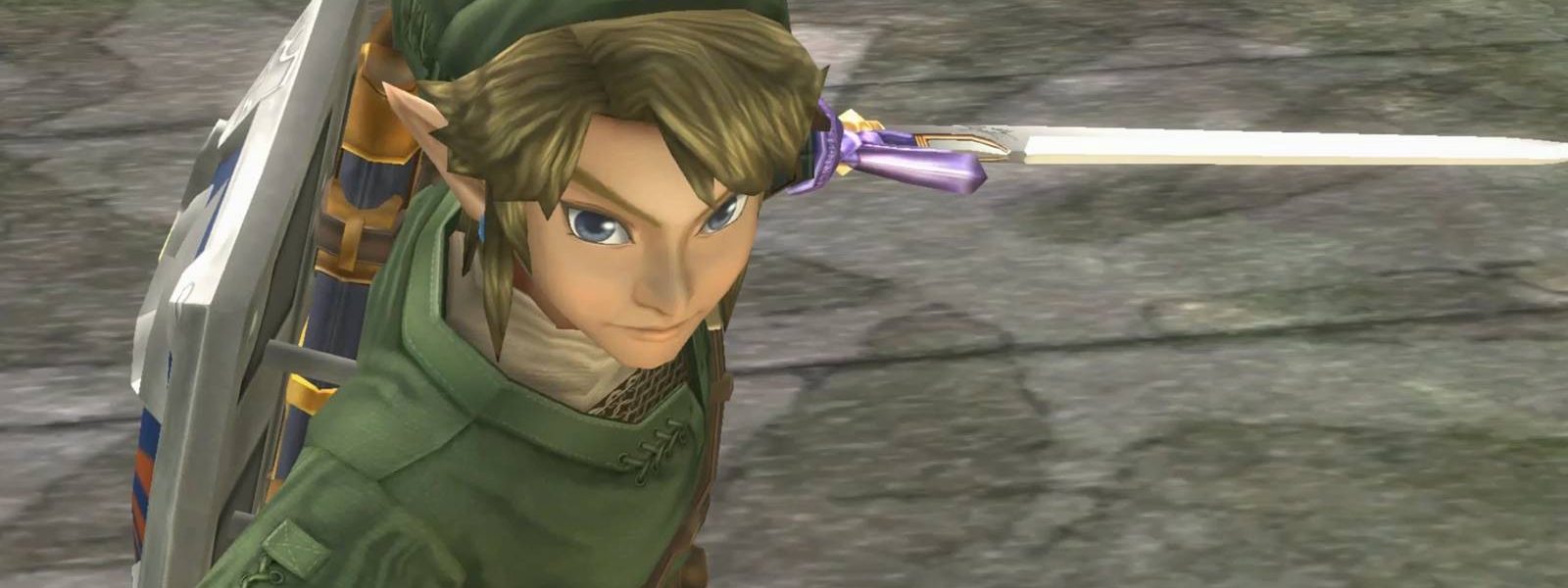
The Zelda art style debate goes back to the turn of the millennium when, at the 2000 edition of its long-defunct Space World trade show, Nintendo debuted a tech demo for its upcoming GameCube home console. Building on the early 3D Zelda experiments of Ocarina of Time and Majora’s Mask, this was the introduction of what many now call a “realistic” Zelda art style: detailed textures, characters with human proportions, immersive lighting in environments, clothing with physics, etc.
Whether this was intended as a demo for a Zelda game that never materialized or just a showcase of the GameCube’s graphical capability isn’t entirely clear. Still, it gained traction. Many fans praised the demo’s “realistic” art style, hoping for a full Zelda game with a similar aesthetic.
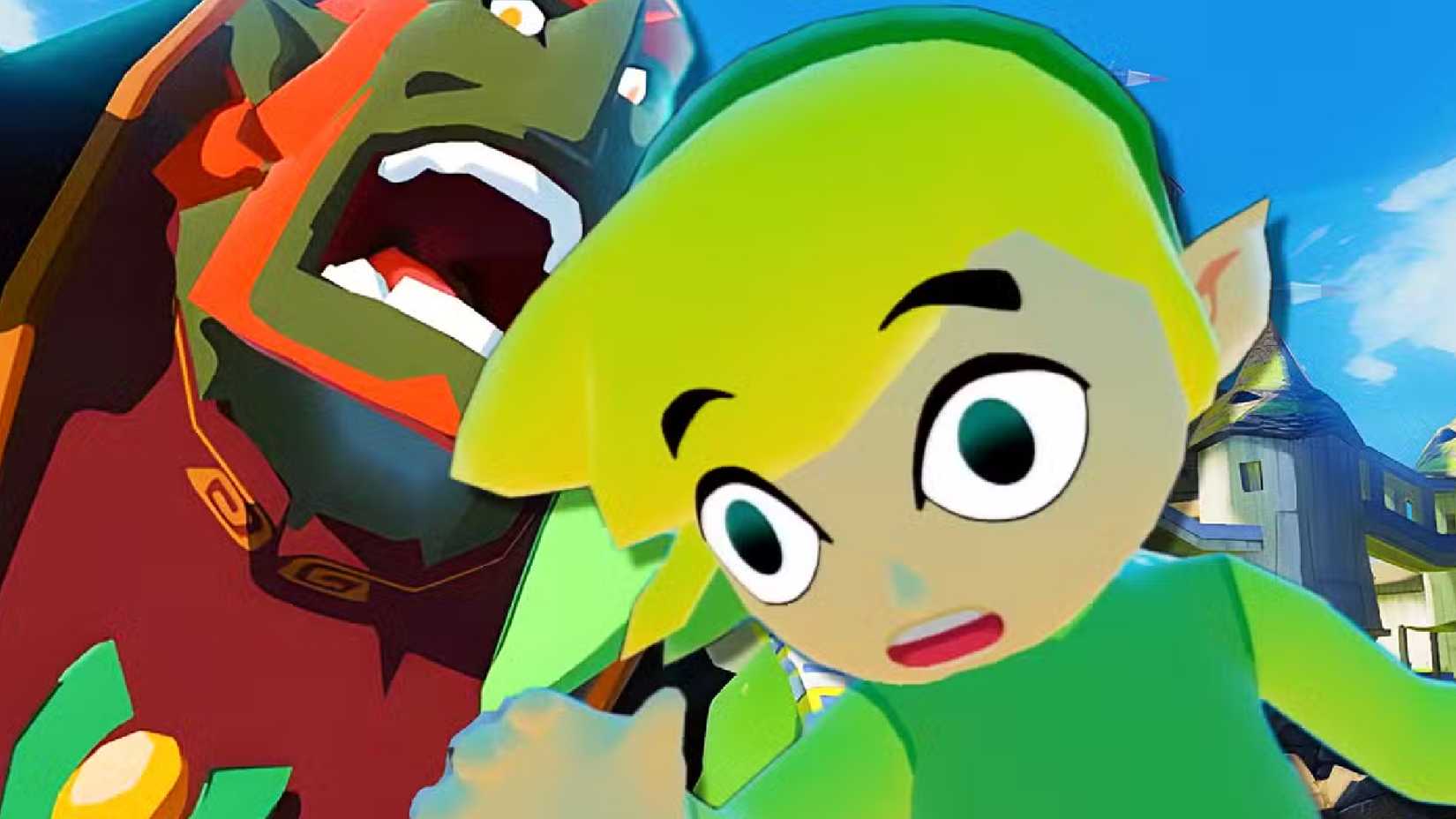
Then, Nintendo revealed something completely different: The Wind Waker, a new 3D Zelda game set for release in 2003. Crucially, Wind Waker introduced an entirely new aesthetic to the franchise: overtly cartoonish, with bright colors, cel-shaded character models, and exaggerated expressions.
This version of Zelda‘s protagonist would eventually be known as “Toon Link,” named after the Super Smash Bros. echo fighter it later inspired. Meanwhile, Wind Waker itself became a critical and commercial success, spawning two direct sequels — a rare feat for any Zelda game.
However, it also had its detractors. In a 2011 Zelda Universe thread, one user expressed their grievances thusly: “I hate him. He looks like a toddler. He’s comical, he jumps up and down after beating bosses… he’s generally just an immature moron who I can never associate myself with as the player.”
Kotaku notes that many older Zelda fans viewed this new art style as Nintendo pandering to children rather than appealing to more mature audiences like themselves. It quotes one forum poster who referred to the game as “a frigging puppet show for 5-year-olds” after seeing the trailer for Wind Waker in 2001. Some fans even put together a petition addressed to Zelda creator Shigeru Miyamoto, which garnered 11,680 signatures and read:
Dear Miyamoto-san,
We the fans of Zelda plead with you to realize that not all Zelda fans are kids, nor do we all enjoy your new animated/anime designs. Seeing as you have shown both a mature and a cartoon graphical Zelda, we ask that both be made and released worldwide.
The people who have signed this petition are not necessarily saying that they are not looking forward to the cartoon graphical Zelda game but would appreciate a Zelda game resembling the Space World 2000 demo.
But Zelda kept moving forward regardless, releasing stylized hit after stylized hit. Then, at the now-also-defunct E3 expo in 2011, Nintendo debuted another tech demo for the Wii U that once again drew inspiration from the The Legend of Zelda franchise.
This was effectively an interactive cutscene: you would watch a video where Link explores an ancient temple and fights a giant spider while using the gamepad to manipulate lighting and camera angles or view an interactive dungeon map.
Again, this likely wasn’t a real game that Nintendo was developing but rather a one-off tech demo for the Wii U’s dual-screen functionality. Still, it managed to reignite the debate around Zelda‘s art styles once more, with many clamoring for the realistic Zelda that never came to fruition.
Zelda Is Embracing Realism Again
What Does This Mean For The Next Zelda Game?
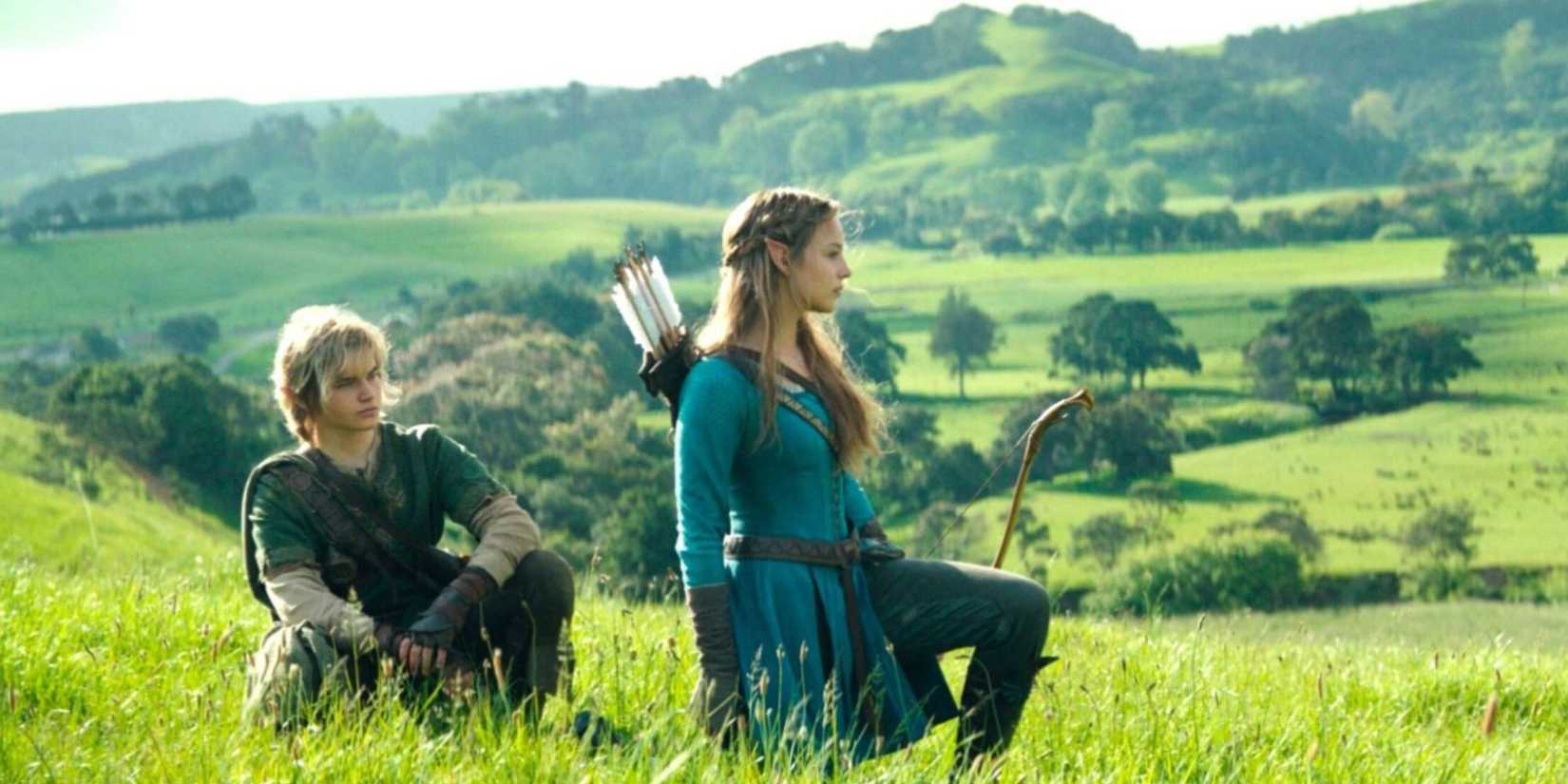
Today, the broader Zelda franchise is finally embracing realism, although not in the way these fans desired: it’s a live-action movie. This is, however, the final word in the Zelda art style debate — featuring real actors in real locations, this movie isn’t just realistic; it’s real.
Many have interpreted this to mean that Zelda‘s next game will take a similar direction by employing a more realistic art style to align with the movie. Commenting on the r/truezelda subreddit, user Point_A_Forgot_B theorizes that “Considering the new movie is going for live action, I take that as a sign that we will be getting a more grounded art-style with the game.”
But that’s not necessarily true: Nintendo movies haven’t historically influenced their corresponding games significantly. For instance, Nintendo didn’t release a gritty, realistic Mario game to coincide with its live-action film in 1993. Nor did the immediate follow-up to The Super Mario Bros. Movie, titled Super Mario Bros. Wonder, have any connection to the animated film.
Others argue that Switch 2 is perfectly suited for a more realistic Zelda. “Nintendo now has a console out that can actually handle really good-looking realistic graphics,” says Espurreyes. “I am praying they decide to capitalize on this with the next Zelda.
“I personally have been wanting something like this ever since the Wii U tech demo and knowing they can actually achieve even higher fidelity with this new console really excites me about whether they will finally return in that direction.”
This may hold true: Switch 2 is Nintendo’s most powerful console yet and it’s only natural to expect significant technical advancements from its first mainline Zelda game. Breath of the Wild represented a similar leap for the original Switch by introducing an expansive open world larger than anything else in the franchise.
The original Switch was also capable of more realistic graphics — perhaps not as much as Switch 2 — but you can still play games like FIFA. However, Nintendo didn’t seize that opportunity then. It made Breath of the Wild‘s graphics more detailed but not necessarily more realistic by borrowing fromSkyward Sword’s wash watercolor-inspired art style.
This isn’t because Switch 2 couldn’t support greater realism but rather because the franchise has consistently made deliberate choices — even while changing its visual identity — to avoid stark realism in favor of stylization.
Zelda Has Never Really Been “Realistic”
Fans Aren’t Sure What They Want
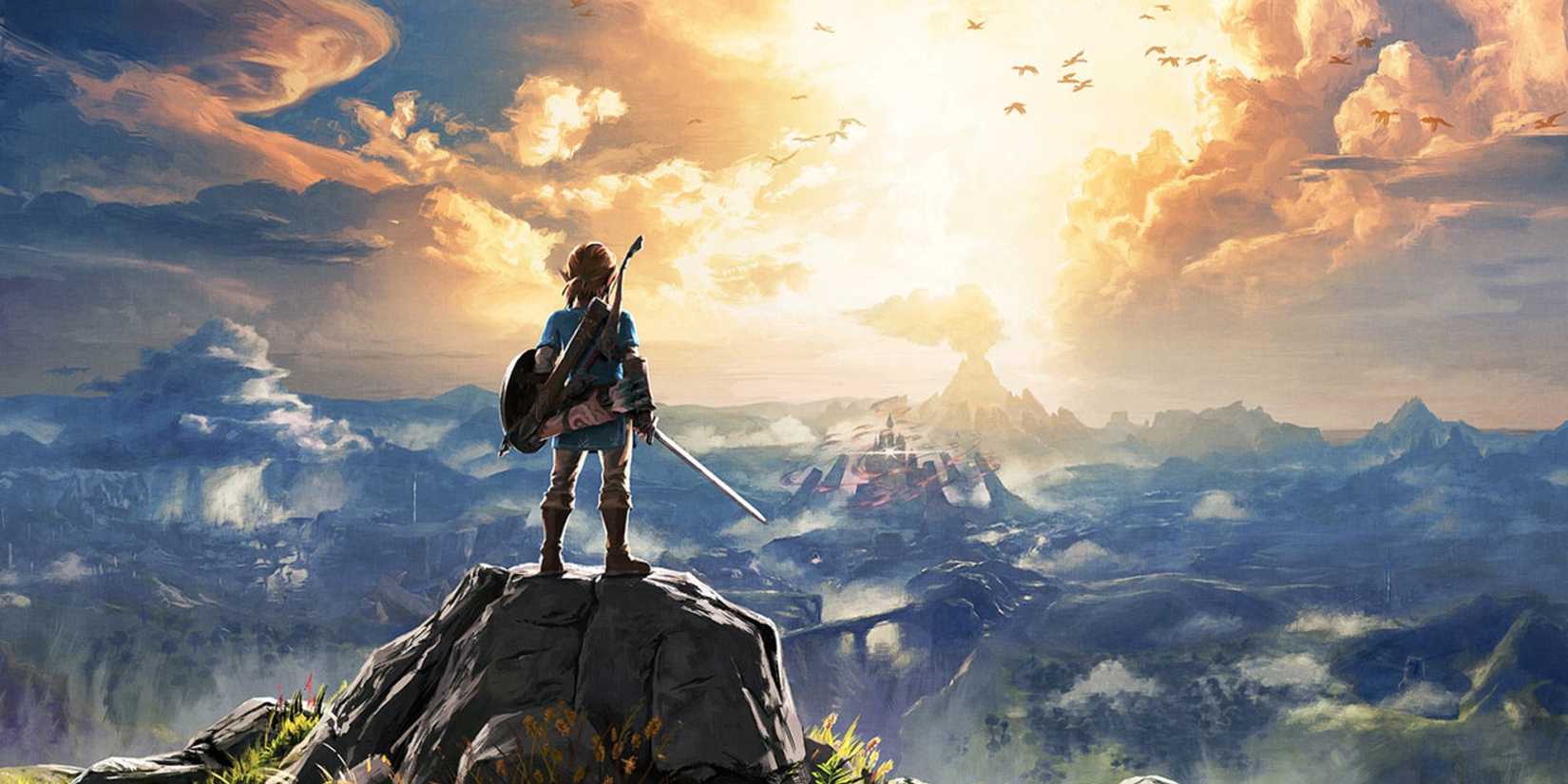
The issue is that Zelda has never had a truly realistic art style and was probably never meant to. The franchise has always been and likely always will be incredibly stylized.
The demand for lifelike visuals often assumes that Nintendo has always aimed for realism within limited console specs. But that’s not accurate. While it may have seemed especially realistic due to its pioneering use of 3D graphics when released in 1998,<b Ocarina of Time wasn’t trying to reflect real life perfectly but rather translating two-dimensional art styles — mostly borrowed from anime — into three dimensions.
The tech demos themselves are also stylized: The Space World demo clearly draws inspiration from<b Ocarina of Time's visual style while updating it to suggest greater detail achievable by GameCube rendering capabilities. The E3 demo aligns much closer with Twilight Princess’s moody aesthetic which is far from cartoonish yet not entirely realistic either.
Evidently,<b Espurreyes revised their request for a “realistic”<b Zeldagame stating in an edit to their original post,"Seeing feedback has made me realize I was vague about what I meant by 'realism.' I don’t necessarily want realism akin to something like<b Red Dead 2 — which isn’t really what this series ever did or should do— but rather something not cel-shaded…for our next installment.”
Taking everything into account,<b Zeldahas never fully embraced realism even if its upcoming movie succeeds or if Switch 2 can handle it. Regardless of how many fans insist otherwise,<b The Legend of Zelda is simply not about stark realism.
…
…
…