Key Takeaways
- Alternative rock is an anti-genre that promotes artistic independence and nonconformity.
- Historical roots of alt-rock trace back to the 1960s, influenced by psychedelic rock and counterculture.
- David Bowie exemplified the genre’s spirit, prioritizing creativity over commercial success.
- The Velvet Underground is recognized as one of the first alternative rock bands, pushing boundaries with their avant-garde style.
Alternative rock, in many ways, is an anti-genre. The musical style is varied and widespread, hinging upon themes of nonconformity and artistic independence – labels and markers are not conducive to creative freedom. Alt-rock fractures off into subgenres such as grunge, post-punk, shoegaze, and britpop. It incorporates a plethora of musical styles that have come before, bridging the music of the past with the sound of the future. Alt-rock dissolves the boundaries of genre, allowing ample room for innovation and experimentation.
While it is commonly thought that alternative rock began in the late ’80s or early ’90s, the roots of the style actually go back much further. It traces its roots all the way back to the 1960s, when psychedelic rock and the counterculture were flourishing in communities across the world. Without the experimentation and boundary-pushing of artists during this time, alternative rock as we know it would never have come to fruition. Here are seven songs from the 1960s that made the genesis of alt-rock possible.
7
“Space Oddity” (1969) – David Bowie
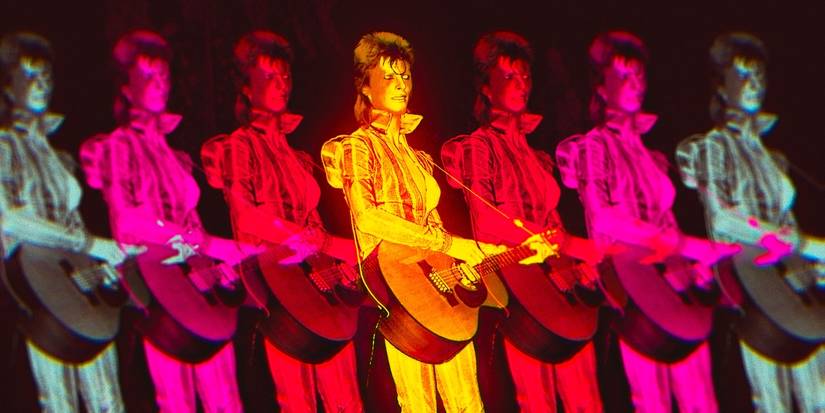 Image via Neon
For a mainstream artist, David Bowie was incredibly alternative. Known as the “chameleon of rock,” he was constantly changing and evolving, bending gender and genre to his will. Bowie had his finger on the pulse of emerging music styles, and he wanted to try them all. He set a precedent for musicians to be true to themselves and nourish their individuality. Bowie prioritized creativity over career success, and managed to achieve both. His unique approach to music is directly responsible for the millions of records he has sold.
One of his most out-of-the-box tracks is “Space Oddity.” Released as a single in 1969, this song was partially inspired by Stanley Kubrick’s 1968 film 2001: A Space Odyssey. The song defies genre, falling somewhere in the realm of psychedelic folk/progressive rock. The lyrics tell the story of fictional character Major Tom and his journey into space, resulting in his tragic demise. Through this character, Bowie explores feelings of isolation and anxiety, both of which are recurrent themes in the alt-rock of later decades.
6
“She’s Not There” (1965) – The Zombies
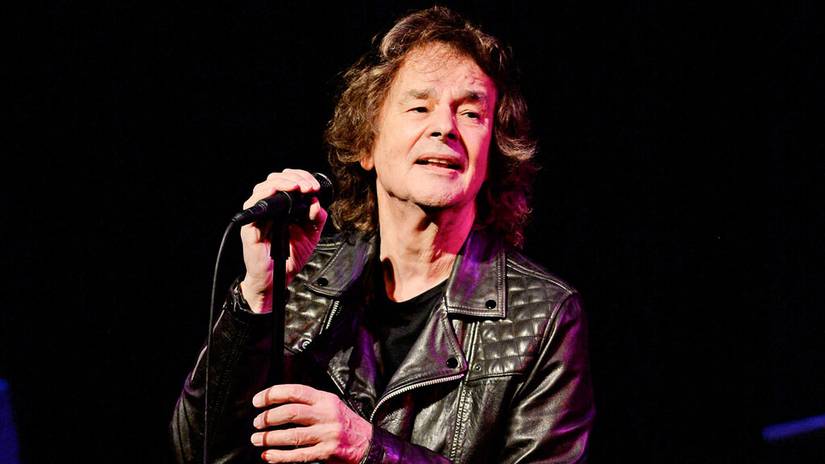 Image via INFphoto.com
English rock band The Zombies broke onto the scene with their 1965 hit single “She’s Not There.” The song is about an adolescent breakup, written from the perspective of a boy who has been dumped by a beautiful –– yet allegedly disingenuous –– woman. The group was praised for their unique take on rock and roll, incorporating jazz and classical influences in new and exciting ways. Their willingness to mix and match genres made them stand out amongst the countless other rock bands emerging in England in the mid-60s.
“She’s Not There” features electric piano and folk influences as well — The Zombies did not allow themselves to be pigeonholed into a specific genre. The breathy vocals and delicate harmonies make this track hauntingly unforgettable, revolutionizing the sounds and styles of the past. Furthermore, the title and lyric “She’s Not There” investigates the idea of depersonalization – emotional numbness and loss of control over oneself and their situation. Depersonalization is a keystone in both psychedelic and alternative rock, and The Zombies were one of the first to incorporate it into popular music.
5
“Somebody to Love” (1967) – Jefferson Airplane
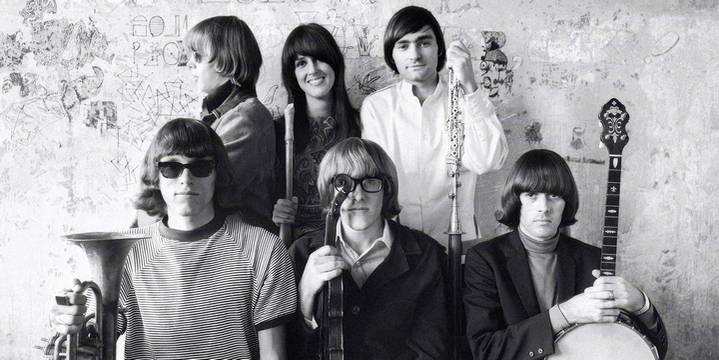
Image via Herb Green
Jefferson Airplane was incredibly instrumental to the evolution and popularization of psychedelic rock. Formed in 1965 in San Francisco, they blossomed at the epicenter of the counterculture movement. Without the creative and societal unrest during this time, the rebellion and angst of ’90s alt-rock would never have come into vogue. Jefferson Airplane’s 1967 release Surrealistic Pillow was a very significant album for the Summer of Love and the movement, successfully bringing fringe music and culture to the mainstream.
“Somebody to Love” was featured on that album, though it was not the original version. The song was written by Darby Slick, frontwoman Grace Slick‘s former brother-in-law, a couple of years prior. It was initially performed by a short-lived band called The Great Society, of which Grace was also the lead vocalist. When she joined Jefferson Airplane, she presented the song to the rest of the band. The Great Society version of the song was fairly mellow – the Jefferson Airplane rendition is a far cry from that. Packed with power, anger, and accusation, this version of the song unleashes a tidal wave of emotion upon the listener.
4
“All Along the Watchtower (1968) – Jimi Hendrix
The Velvet Underground, achieved very little commercial success throughout their careers but pushed boundaries in ways few other bands dared to attempt even today. They tackled dark subject matter unapologetically which became a hallmark of alternative rock across decades.Their debut album,The Velvet Underground & Nico, remains pivotal in alternative rock history.
Their song “I’m Waiting For The Man”, written by singer/guitaristLou Reed, presents a raw perspective on drug culture through messy instrumentals that parallel its themes.This innovative approach solidifies their status as one of alternative rock’s most important bands.

<a href=https://collider.com/"[nospin]Here you can find the original article with proper attribution."[/nospin]