
Tom Cruise achieved the highest box office success of his career with Top Gun: Maverick in 2022. After a 36-year wait to reprise his role as Maverick (and maintaining a strong commitment during the pandemic to secure a theatrical release), Top Gun‘s sequel became the summer’s blockbuster event. It earned $1.5 billion, making it Cruise’s most successful film by a significant margin.
This is why Top Gun: Maverick‘s record-breaking success is often viewed as Cruise’s pinnacle achievement at the box office. No other film he has starred in has surpassed $900 million globally (not adjusted for inflation). Maverick provided Cruise with his largest opening weekend at $126.7 million, which climbed to a then-Memorial Day weekend record of $160.5 million.
It is reasonable to consider Top Gun: Maverick as the moment when Cruise reached the height of his status as a bankable, A-list star. The film cemented his unique position in Hollywood and in the minds of audiences, as viewers have become captivated by watching the star take risks for their entertainment. However, the truth is that Cruise was an even bigger and more dependable star 16 years prior.
This is because Cruise had an astonishing seven-movie streak where all films opened at #1. This streak lasted from 2000 to 2006, beginning with Mission: Impossible II and concluding with Mission: Impossible III. To make this achievement even more remarkable, Mission: Impossible II topped the global box office, marking the only time one of Cruise’s films has done so.
Tom Cruise’s Consecutive #1 Openings Streak Was A True Sign Of His Starpower
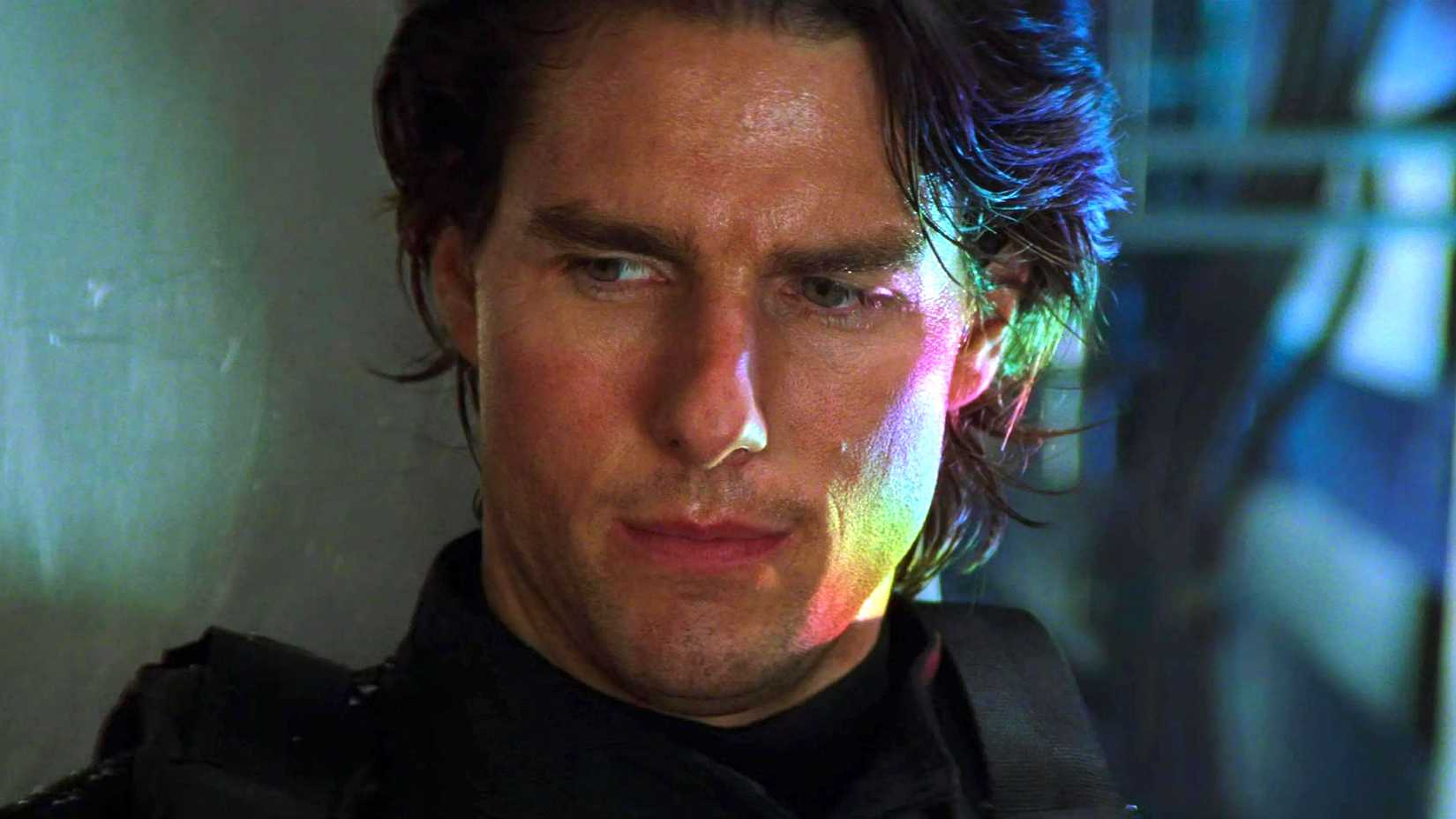
The films responsible for Cruise’s #1 opening streak are Mission: Impossible II, Vanilla Sky, Minority Report, The Last Samurai, Collateral, War of the Worlds, and Mission: Impossible III. There is no doubt that Cruise was the main attraction for audiences, with these films averaging an opening weekend of $40 million, or $75 million when adjusted for inflation.
|
Tom Cruise Movie |
Dom. Opening |
Dom. Opening (Adjusted For Inflation) |
|---|---|---|
|
Mission: Impossible II |
$57.8 million |
$121.3 million |
|
Vanilla Sky |
$25 million |
$50 million |
|
Minority Report |
$35.6 million |
$69.5 million |
|
The Last Samurai |
$24.2 million |
$45.5 million |
|
Collateral |
$24.7 million |
$44.9 million |
|
War of the Worlds |
$64.8 million |
$114.4 million |
The most impressive aspect is that he remained relevant despite the films having various differences. All but one film, namely, Vanilla Sky, included some form of action, aligning perfectly with Cruise’s strengths. However, these action films varied widely in genre, including spy adventures, sci-fi thrillers, period war dramas, and crime stories.
Some were released during summer while others debuted in winter. Most were rated PG-13 and targeted a broad audience, although a few were rated R and intended solely for adults. Additionally, there were familiar franchises alongside entirely original narratives. Regardless of what Cruise was engaged in during this period, audiences were captivated.
Cruise’s consecutive #1 openings streak could have been even longer. He had a six-film streak of weekend victories from 1992 to 1999 between A Few Good Men and Eyes Wide Shut, but this was interrupted by Magnolia. Had it not been for his role in the Paul Thomas Anderson film that earned him an Oscar nomination, he would have achieved 13 consecutive #1 openers over a span of 14 years.
Tom Cruise Hasn’t Come Close To Beating His #1 Opening Streak Since