

We all love a good plot, but the really great books cast a spell through the writing itself. They’re beautiful on a sentence-by-sentence level, full of striking images or perfectly crafted turns of phrase, balancing description and character work with pure, almost lyrical prose. Every word is a crucial part of the experience.
With that in mind, this list looks at some phenomenal books that are brilliantly written. They go beyond simply having solid worldbuilding or memorable characters; here, the flow of the words is what’s special. Whether lyrical, restrained, philosophical, or emotional, the titles below represent literature at its finest.
‘All the Light We Cannot See’ (2014)
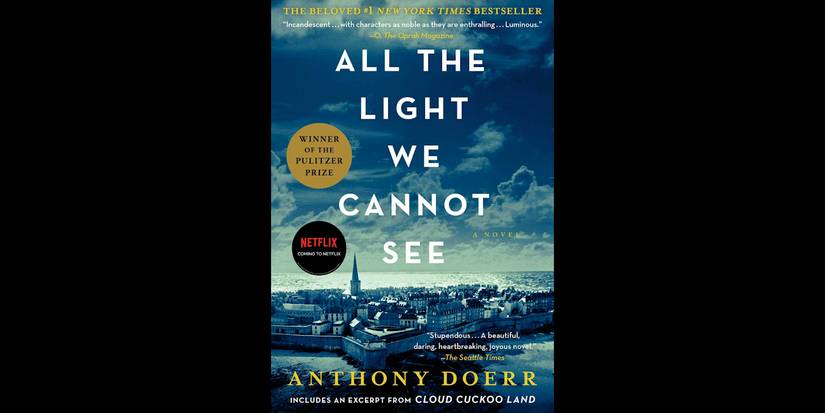
Image via Scribner
“Open your eyes and see what you can with them before they close forever.” This one was made into a TV series, but the book is a lot better. It introduces us to Marie-Laure, a blind French girl, and Werner, a gifted German orphan whose talent for engineering draws him into the Nazi war machine during World War II. Their seemingly separate journeys gradually converge amid the destruction of occupied France.
The writing style in All the Light We Cannot See is very lyrical, made up of short, striking sentences and chapters (often just a few pages long), and with a focus on sensory details. In particular, Anthony Doerr vividly brings to life Marie-Laure’s impressions of sound, taste, touch, and smell. Character-wise, the novel paints all of the main players in shades of gray; even the good ones are flawed, and even some on the bad side are tragic rather than outright evil.
‘A Gentleman in Moscow’ (2016)
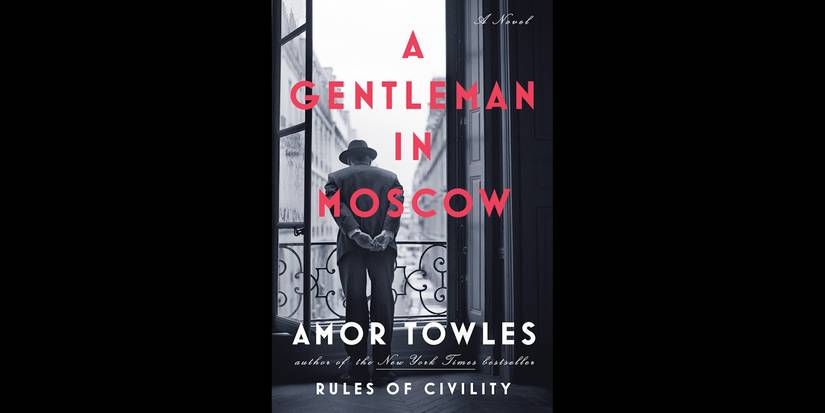
Image via Viking
“We are the books we read and the things we love.” This one was also made into a series (featuring a fantastic Ewan McGregor), though, again, reading the novel is a more rewarding experience. The main character here is aristocrat Count Alexander Rostov, who, after the Russian Revolution, is sentenced to lifelong house arrest inside Moscow’s luxurious Metropol Hotel. Over decades, he watches Soviet history unfold beyond the hotel’s walls.
Although cut off from the outside world, Rostov has a surprisingly full life in his confined environment. He discovers purpose, friendship, and love in the hotel, forming a particularly close bond with the nine-year-old Nina and, years later, her daughter Sofia. Rather than plot machinations, the book keeps us engaged through tone, pacing, characterization, and warm prose, as ornate as the hotel itself. Rostov thinks and speaks in a refined, literate way, brought to vivid life by author Amor Towles‘ skilled pen.
‘The Book Thief’ (2005)
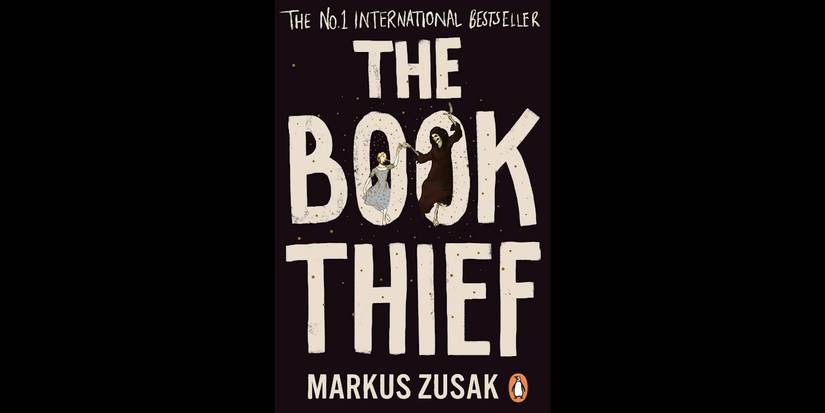
Image via Knopf Books for Young Readers
“I have hated the words, and I have loved them.” This one has some parallels to All the Light We Cannot See, though it’s a little more fantastical and colorful. Narrated by Death itself, The Book Thief tells the story of Liesel Meminger, a young girl growing up in Nazi Germany whose love of books becomes both a source of comfort and an act of quiet resistance after her foster family begins sheltering a Jewish refugee in their basement.
The framing device is the most striking aspect of the book. Choosing Death as narrator could easily have become a gimmick, but author Markus Zusak makes it an intrinsic part of the story and themes. The Grim Reaper’s weary compassion and dark humor add another emotional layer to the novel. At the same time, Zusak’s descriptions and metaphors are vibrant and memorable, with a treasure to be found on almost every page.
‘Life of Pi’ (2001)
“I must say a word about fear. It is life’s only true opponent.” Yann Martel recently published a great new novel called Son of Nobody, though Life of Pi remains his undisputed masterpiece. It centers on sixteen-year-old Pi Patel, who is stranded on a lifeboat in the Pacific Ocean after a cargo ship sinks, his only companions a hyena, a zebra, an orangutan, and a Bengal tiger.
This premise sets the stage for an unusual survival story as well asa meditation on faith, truth, and the stories people choose to believe. Martel’s storytelling here isphilosophical but lively, full of rich descriptions and intense naturalistic imagery that nimbly fuses adventure and religious allegory. The narrative structure is inventive too—unfolding in three different sections and times—each casting the previous one in a new light while shifting our understanding of the plot.
‘East of Eden’ (1952)
…
…
…
…
…
…
…
…
…
…
…
…
…
…
…
…
…
…
…
…
…
…
…
…
…
…
 [nospin]Here you can find the original article…
[INPUT_HTML_END]







