
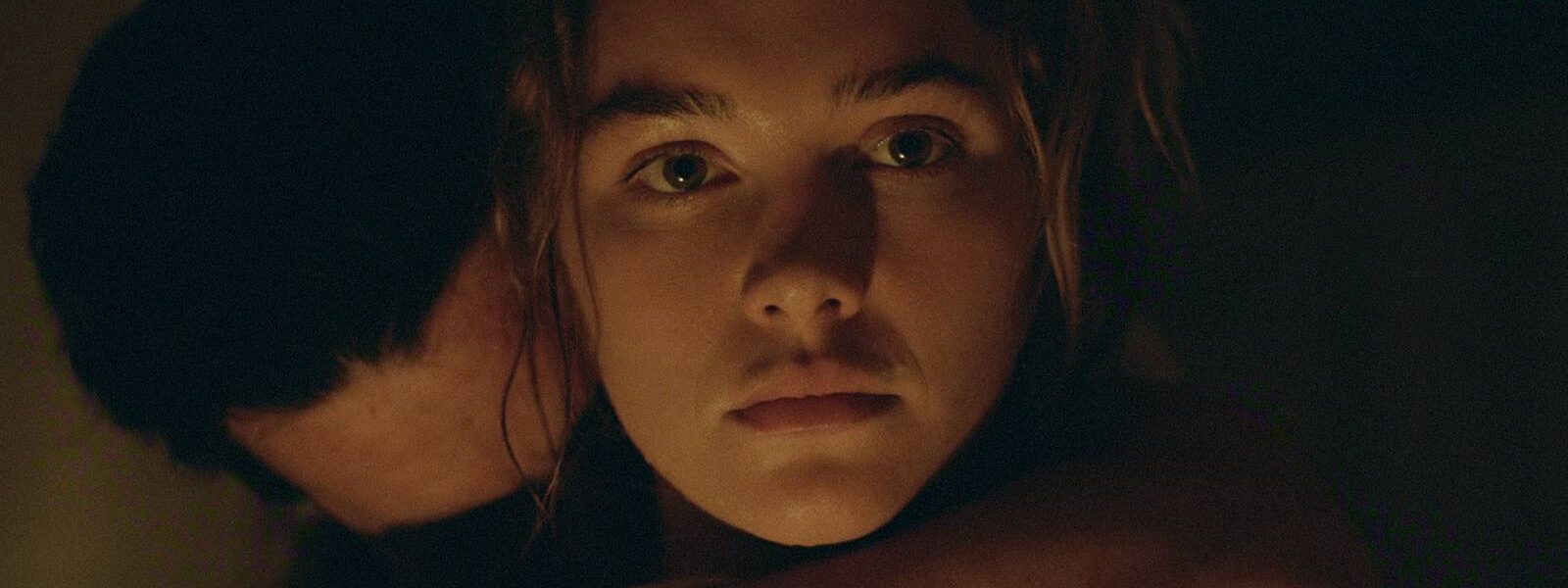
Adapting a book like East of Eden, the influential novel by American author John Steinbeck, is no simple task. This challenge is particularly significant for creator, showrunner, and writer Zoe Kazan, whose grandfather Elia directed his own adaptation of the book in 1955, a condensed version of Steinbeck’s epic narrative. Netflix allows Kazan seven episodes to explore this biblical tale, primarily set in the Salinas Valley in Northern California after establishing its story in New England.
Kazan’s adaptation of East of Eden, while more comprehensive, still omits certain elements of Steinbeck’s novel to streamline the narrative. The Hamilton family plays a lesser role, and Cathy Ames, portrayed by Florence Pugh, takes center stage, emphasizing arguably the most compelling aspects of the novel. However, in its differences, East of Eden struggles to maintain the thematic depth of Steinbeck’s text, becoming a formulaic adaptation that suffers from its adherence to the source material even as its strengths shine through.
Florence Pugh Stuns In East Of Eden
In the logline for the series, Kazan indicates that her version of East of Eden aims to “[focus] draw new attention on its indelible antihero” Cathy Ames. This perspective introduces a nuanced interpretation of how Cathy is perceived by both the show’s creator and within the broader narrative. Steinbeck portrays Cathy as the embodiment of evil, describing her as a monster who appears normal while viewing normality as inherently evil and evil as inherently normal. Despite this complexity, the adaptation manages to resonate—at least to some extent.
A significant factor in this success is Pugh’s performance. Renowned for her expressiveness, Pugh adopts a more restrained approach here, showcasing her trademark intensity only when necessary while otherwise embodying an unsettling calm. In Kazan’s East of Eden, Cathy emerges as a woman challenging societal norms, fighting for her freedom and using it to create chaos in her life as a means of control.
This modern interpretation of Cathy is likely to provoke mixed reactions among viewers. It complicates her portrayal as a pure villain—a nuance that seems aligned with Steinbeck’s original characterization. By framing Cathy as a victim of circumstance rather than someone who wields power for its own sake, the adaptation diminishes her agency—a paradox that underlies the modernization of one of literature’s most intricate female characters. A key alteration to her backstory may raise eyebrows; however, Pugh’s performance adeptly navigates these changes, providing Cathy with the multifaceted representation she warrants. Both Kazan and Pugh exhibit a clear investment in Cathy’s character but approach it from distinctly different angles.
It can’t help but feel as if something is missing, especially when Cathy isn’t onscreen…
This sentiment rings particularly true when Pugh shares scenes with Mike Faist as Charles, Adam’s brother, whose tumultuous relationship with Cathy proves far more engaging than her interactions with Adam. Although Faist’s limited screen time does not detract from his impactful performance, it highlights Christopher Abbott’s shortcomings as Adam in this context. Typically a strong actor, Abbott appears somewhat adrift within the material—partly due to Steinbeck’s original text and Kazan’s focus on other narrative elements that sometimes feel like digressions rather than intentional enhancements to an already expansive story.
This focus on Cathy ultimately becomes the central issue with East of Eden. The series prioritizes Cathy’s character at the expense of others. The standout episodes revolve around Pugh’s character, dedicating entire hours to Cathy’s journey—including her violent origins and transformation into the formidable figure she becomes upon meeting Charles and Adam Trask.
East Of Eden Is Still A Powerful Series Despite Its Flaws
Despite its emphasis on Cathy, East of Eden has much more to address as it progresses beyond its extended prologue—culminating in Cathy’s escape from her circumstances. The birth of twin boys does little to anchor her down; here is where Kazan’s version aligns with that of her grandfather’s adaptation. Unfortunately, the show rushes through this storyline in two episodes. While it feels more complete than earlier adaptations, there remains an impression that East of Eden is somewhat truncated—both thematically and narratively—diminishing the series’ emotional climax potential.
Joseph Zada and Joe Anders portray Cal and Aron Trask, Cathy and Adam’s twin sons. Zada enjoys a more substantial role while also captivating audiences as a counterpart to his mother and uncle. Hoon Lee also shines in this segment as Lee—the Trask family’s housekeeper and a surrogate father figure for Cal, Aron, and even Adam—who grapples with his feelings toward his own father (Tracy Letts portrays Cyrus Trask with his characteristic bluster) years later.
The series’ quickly-paced final episodes struggle to wrap up all these elements satisfactorily. Nevertheless, East of Eden stands out as a solid period piece: its lush costumes, intricate set designs from the era, and layered performances across all seven episodes effectively convey Kazan’s meticulous dedication to this project. Yet there remains an undeniable feeling that something essential is absent—especially during moments when Cathy is not present.
All episodes of East of Eden are now streaming on Netflix.
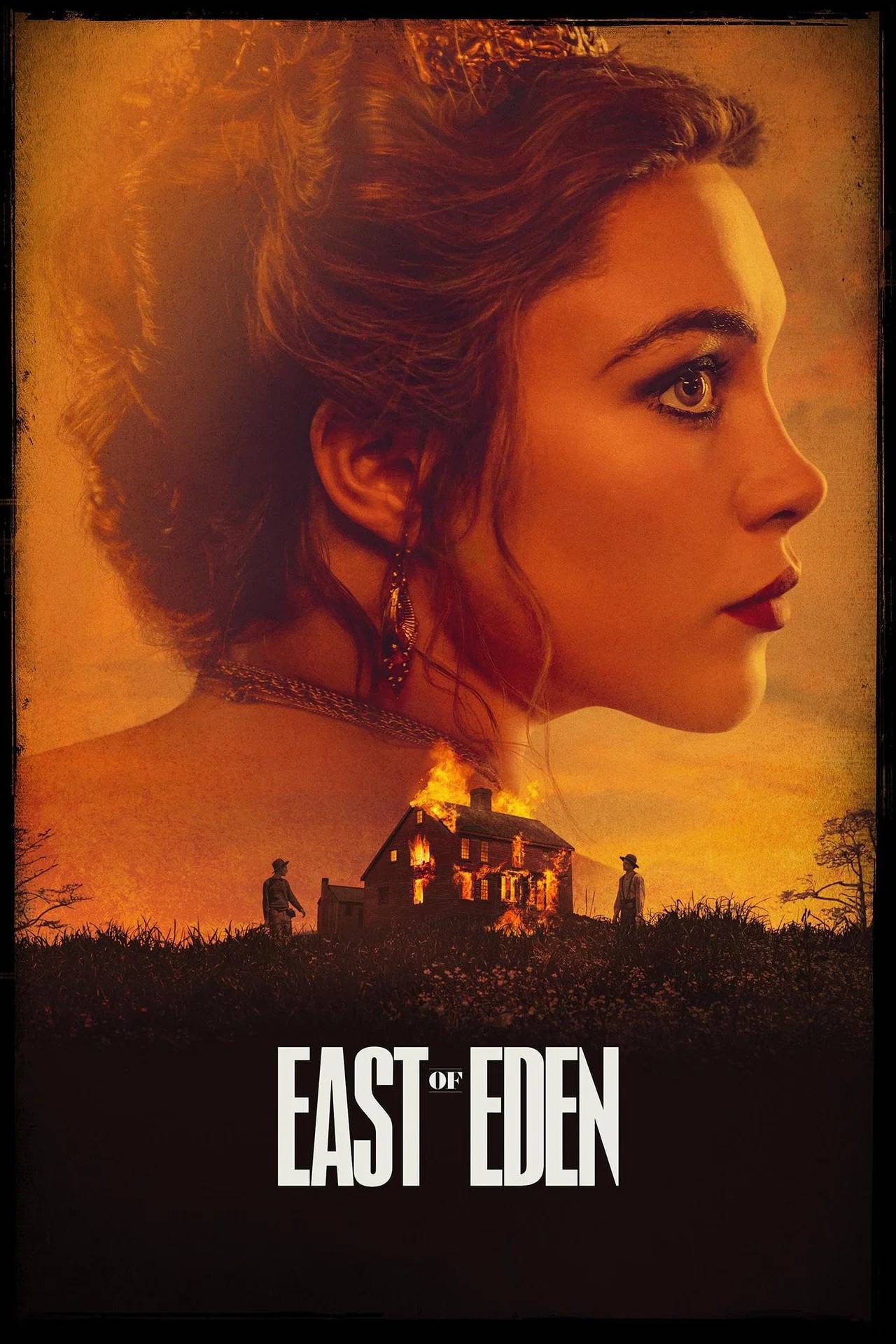
- Release Date
-
2026 – 2026-00-00
- Network
-
Netflix
- Directors
-
Garth Davis
- Florence Pugh’s performance as Cathy anchors the series.
- The world of East of Eden is beautifully brought to life in its sets, costumes, and more.
- East of Eden can’t help but feel like a paint-by-the-numbers adaptation, with some choices feeling lifeless.
- Some changes to the text leave little to no impact.









