People are likely to turn to sitcoms or comedy movies if they want something to laugh at before considering books for the same purpose, but yes, books can also provide laughs. While there may not be as many funny books as there are genuinely humorous movies or TV shows (with the latter medium, some of the best dramas of all time – like The Sopranos and Deadwood – have genuinely funny moments), there are still excellent comedy books available.
The books listed below are among the funniest of all time, and they also qualify as great literature in their own right, or by other standards, having merit beyond merely being humorous. Some are dark comedies, so they aren’t all easy reads or comfort books, but some certainly are. It’s also refreshing to read something that aims for laughs, as opposed to just engaging with more dramatic literature.
8
‘Guards! Guards!’ (1989)
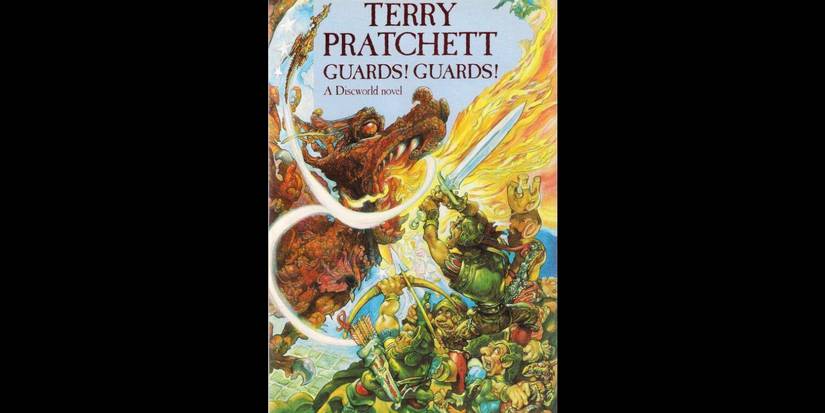
Image via Victor Gollancz Ltd
People might riot if there was ever an attempt at discussing funny books that didn’t mention at least something by Terry Pratchett. He’s one of the most noteworthy and prolific authors of his time, or perhaps all time, and he’s further notable for infusing comedy into nearly everything he wrote, including the works in his famed (and lengthy) Discworld series.
The Discworld novels are also fantasy, and the challenge here comes from singling out just one to highlight as Pratchett’s potential funniest or most significant work. So, here’s Guards! Guards!, which is the eighth novel in the series, but there are 41 Discworld novels, placing it near the front of the series. It revolves around a police force (the Ankh-Morpork City Watch) within the universe of the series, which allows it to function as something of a crime novel (or a parody of one) alongside being a fantasy/comedy book. If you don’t feel you have time to read all 41 novels and want to get to the best ones in the Discworld series, Guards! Guards! might be a good starting point.
7
‘Catch-22’ (1961)
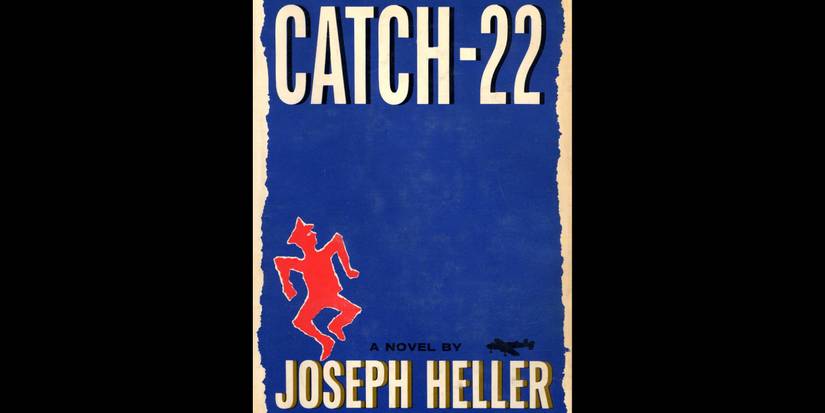
Image via Simon & Schuster
Catch-22 is one of its century’s defining books, comedy or otherwise, making its mention here appropriate in more than one way. It’s a satirical novel about World War II and also addresses the general madness of war and conflict on any scale, which makes it undoubtedly dark in places and not exactly a laugh riot throughout. Much of it is indeed funny. However, it’s humor about (and around) a very bleak topic.
This book transcends mere comedy. Catch-22 effectively conveys its anti-war sentiment repeatedly, making it hard to miss its point or misinterpret its message. Still, it’s a message worth reiterating, and Catch-22‘s ability to find some undeniably creative ways to convey that sentiment has always been – and continues to be – appreciated.
6
‘The Disaster Artist’ (2013)
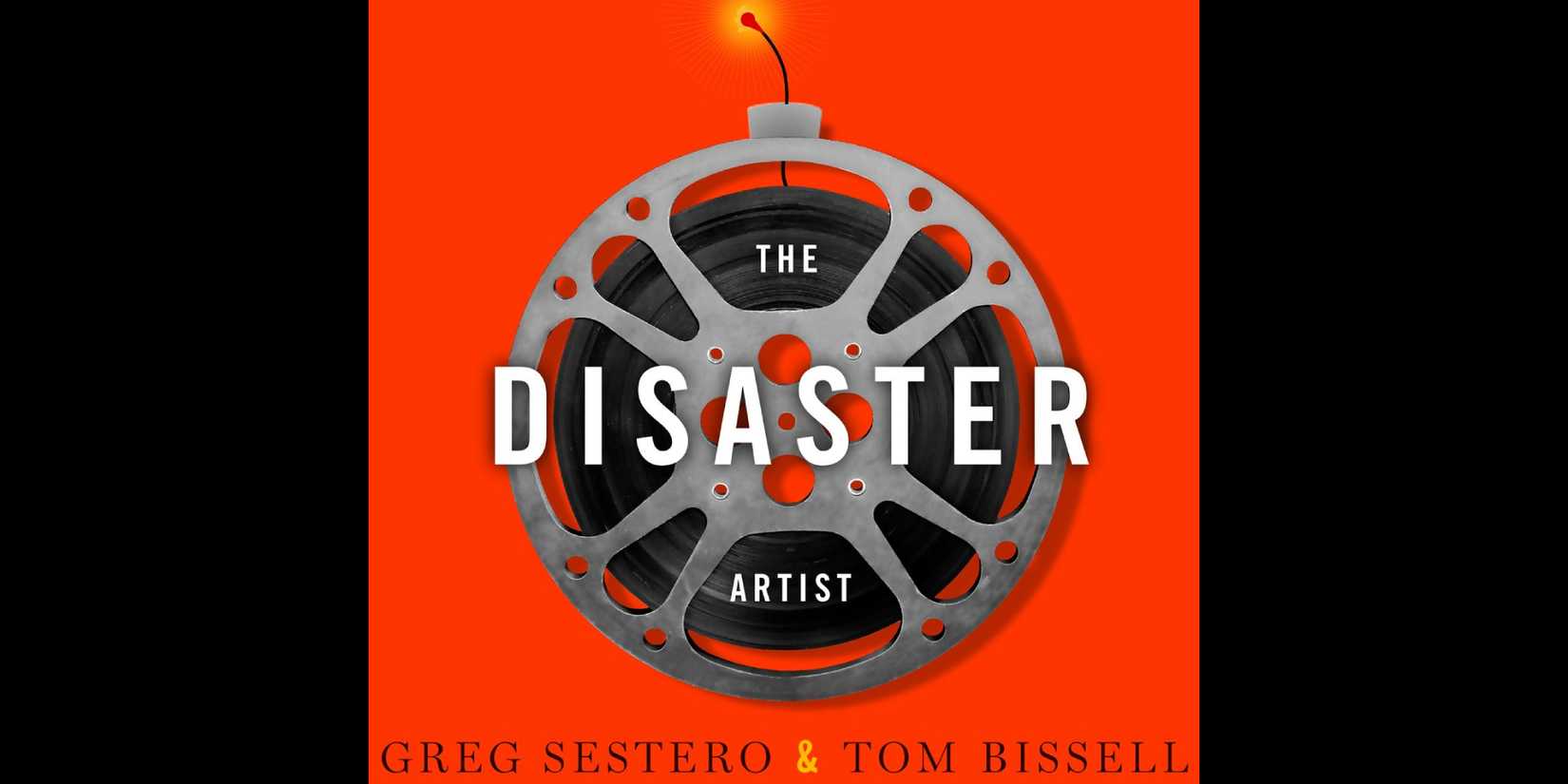
Image via Simon & Schuster
This book chronicles the making of one of the funniest movies of all time (even if it’s the kind of film that wasn’t meant to be funny), making The Disaster Artist quite humorous itself. The movie in question is The Room, which tells a tragic story about a man whose life unravels when his girlfriend cheats on him with his best friend. The production of The Room was also somewhat tragic, as illustrated by The Disaster Artist.
There are some uncomfortable and sad parts to this story that prevent it from being entirely humorous, but The Disaster Artist (2013) is essentially the book equivalent of a dramedy.
Nevertheless, The Room found an audience, and Tommy Wiseau became famous because of it, for better or worse. Additionally, The Disaster Artist emerged successfully from the disastrous production of this infamous film, with Greg Sestero, who played the film’s “best friend,” being right on the front lines and thus more than qualified to report on all the chaos. There are some uncomfortable and sad aspects to this narrative that prevent it from being entirely funny,, butThe Disaster Artist(2013) is essentially the book equivalent of a dramedy, which is mirrored by its movie adaptation from 2017.
5
‘Inherent Vice’ (2009)
Thomas Pynchon has remained active into the 21st century while maintaining his mysterious and private persona even in this new era when staying off-grid seems more challenging than it might have been in the past. His novels often retreat into history (with only Bleeding Edge, from 2013, set at the very start of the 21st century), and this applies to Inherent Vice, which takes place in the early 1970s.
This novel is relatively approachable by Pynchon’s standards but remains dense and occasionally incomprehensible by most other authors’ standards. However, it plays confusion for laughs quite often,, which makes it more broadly comedic than most of Pynchon’s other works, which tend to provoke discomfort and anxiety instead. It tells an offbeat neo-noir story that is generally entertaining.
4
‘White Noise’ (1985)

[nospin]Here you can find the original article. The photos used in our article come from this source. We do not claim authorship over them—they have been used solely for informational purposes with proper attribution.[nospin]