


Fantasy is such an expansive, storied, and prolific genre that there exists a myriad of subgenres under its umbrella, but it can all be broadly categorized into two boxes. Low fantasy is set in the real world, or a highly realistic historical setting, and magic in it tends to intrude upon an otherwise quite normal world. High fantasy, on the other hand, is all about vast fictional worlds where magic is a regular part of everyday living. Both low and high fantasies can have exceptionally written magic systems (the set of rules that dictates how magic works in a story), but it’s more common to find these sorts of legendary systems in high fantasy.
For proof, one needn’t look any further than classics like A Wizard of Earthsea and modern gems like Shadow and Bone, groundbreaking books that display some of the most fascinating worldbuilding the fantasy genre has ever seen on the printed page. Many elements define whether a book’s worldbuilding is widely considered great, including a good magic system. As long as it makes sense, is well-integrated into the fictional world’s culture, and serves the tone and characters of the story well, a high fantasy book’s magic system can be counted among the best.
‘Shadow and Bone’ (2012)
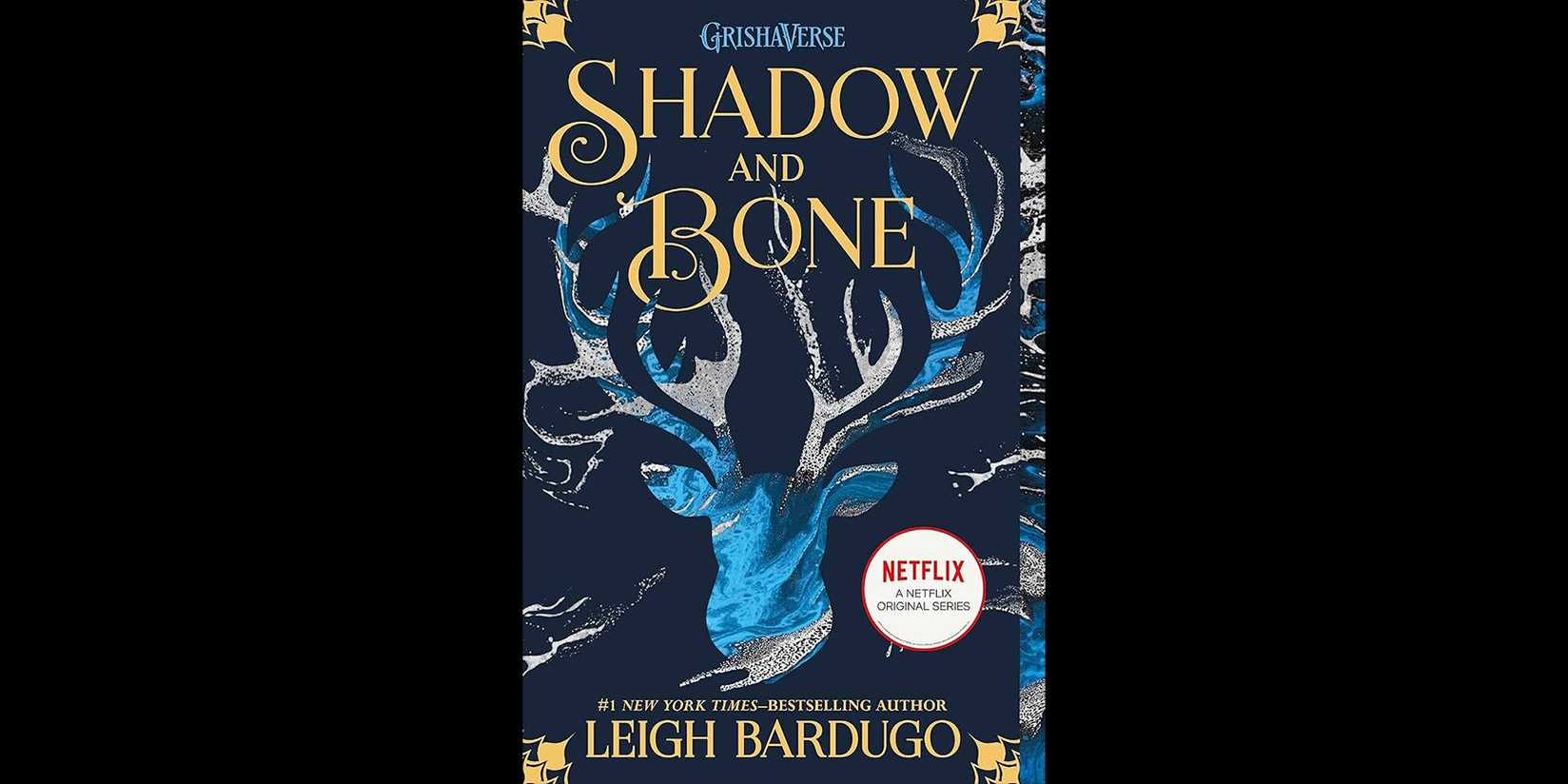 Image via Henry Holt and Company
Young adult fantasy has given bookworms several of the most compelling magic systems in the genre’s history, and Leigh Bardugo’s magic system for Shadow and Bone is right up there as one of the best. The first installment in the trilogy of the same name, this YA gem was Bardugo’s debut novel, and what an introduction it was. Wonderfully plotted and elevated by some exceptional worldbuilding, it may not be particularly juicy or substantial fantasy, but it’s more than entertaining enough for those who tend to enjoy the genre’s YA variety.
For all its minor flaws, however, Shadow and Bone is one of the modern fantasy books with the best magic systems. Known as the Small Science, this magic is practiced by users called Grisha, who are able to manipulate matter on a molecular level. It’s a hard and logical system whose tangible limitations make it drive the plot and character development forward in all sorts of meaningful ways.
‘Blood of Elves’ (1994)
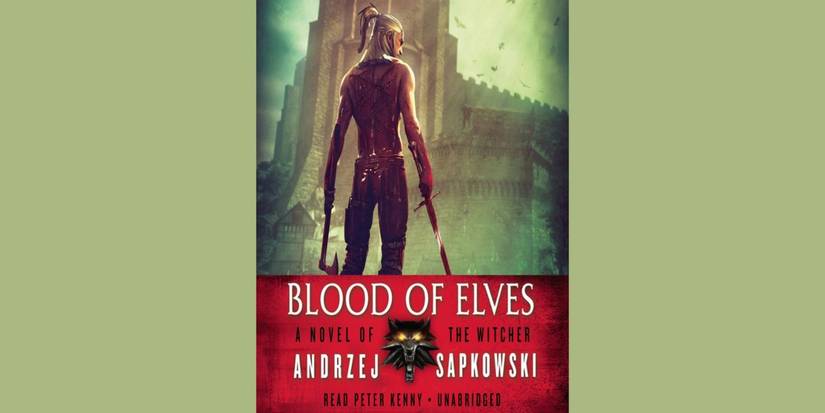 Image via superNOWA / Andrzej Sapkowski
Polish fantasy writer Andrzej Sapkowski was the mind behind the Witcher series of books. They were well-known in Poland from the start, but it wouldn’t be until CD Projekt Red’s video game adaptations saw the light of day that the series was launched into proper international prominence. Though Blood of Elves (which was first translated into English in 2008, 14 years after its original publication) was predated by the short story books Sword of Destiny and The Last Wish, this is the first novel in the series—and what an introduction it is, considering that it’s among the best dark fantasy books of all time.
Sword of Destiny and The Last Wish were technically the introduction to the magic system of the Witcher universe, but it’s Blood of Elves that turns it into a far more structured, logical, and rigorous system. Ideal for those who love hard magic systems (those that have much stricter mechanics), Blood of Elves shows magic as both an art and a science that requires immense discipline, sacrifice, and rigorous study. It’s a fascinatingly complex and layered approach to high fantasy.
‘The Way of Kings’ (2010)
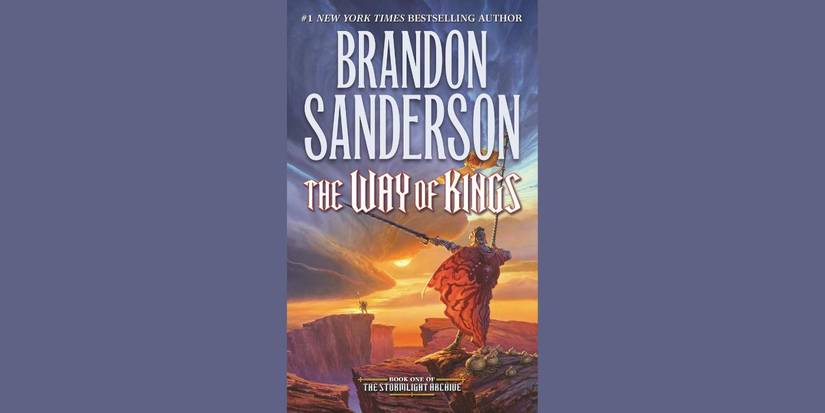 Image via Tor Books
There are few fantasy authors working today who are more prolific than Brandon Sanderson. But far from just being immensely productive, Sanderson is also an exceptional master of speculative fiction, particularly skilled at crafting some of the coolest and most memorable magic systems in the history of fantasy. There is, for instance, The Stormlight Archive, one of the most essential fantasy book series of the 21st century. The series contains several distinct but interconnected magic systems, which lovers of hard magic should immediately fall in love with.
There’s the Surgebinding that allows users to manipulate ten fundamental forces of nature. There’s also magitech through Fabrials, along with darker alternatives such as Voidbinding and Old Magic. Sanderson, crafts this tapestry of magic systems with admirable rigor and perfectly logical rules, making sky-high stakes clear while tying magic to character growth. The Way of Kings is a phenomenal introduction to The Stormlight Archive, one of those rare books with better worldbuilding thanHarry Potter, largely thanks to how its different magic systems shape the entire world within this series.
‘A Wizard of Earthsea’ (1968)
The Earthsea Cycle’s high fantasy masterpieces by Ursula K. Le Guin are regarded as one of the most influential children’s fantasy classics in history.
This book works on several levels: as a coming-of-age story, as a traditional fantasy epic, and as a phenomenal way to introduce younger readers to high fantasy. It’s one prominent example where at no point does Le Guin treat its magic system like a scientific textbook. Rather,, magic is largely psychological and heavily influenced by Taoist philosophy.
‘The Name of the Wind’ (2007)
The charm comes from its magic system—a brilliant blend that boasts some enrapturing worldbuilding found in modern novels. Sympathy is hyper-logical hard magic that’s, fascinating to learn about while fun to watch in action.
‘The Eye of the World’ (1990)
The Wheel of Time series was originally planned as a trilogy but ended up spanning 14 volumes—some legendary works since J.R.R. Tolkien—particularly worthy for how it introduces readers to its groundbreaking magic system.
‘Gardens of the Moon’ (1999)
You can never go wrong with classics—Canadian author Steven Erikson’s epic series Malazan Book of The Fallen contains perfectly written novels—Gardens may or may not be among them depending on fan opinion—but serves as an impressive introduction to its world’s complex magic system.
‘Mistborn: The Final Empire’ (2006)
The Mistborn series—an essential part—begins with The Final Empire which may be one best hard magic systems ever printed on page—whether high or low fantasy discussed—its Allomancy concept tightly constructed with socioeconomic implications making it engrossing.






