
It is uncommon for a limited series to transition into an ongoing TV show, and for valid reasons. One of the main attractions of the miniseries format is that it provides viewers with a complete, satisfying story without the need to commit to multiple seasons. Limited series are typically not designed for longevity, so extending them beyond their original conclusions poses a creative risk. Even the most successful miniseries may find it challenging to justify a return for additional installments.
However, while rare, there are several notable examples of acclaimed limited series that eventually evolved into ongoing shows. Good Omens, Beef, and The White Lotus all started as self-contained narratives before their success led to further seasons. Now, Hulu is following this trend with one of its most celebrated original productions. The historical 2024 action epic Shogun was initially conceived as a single-season adventure, but its remarkable success quickly altered its trajectory.
Shogun is adapted from James Clavell’s 1975 novel of the same name and explores the political conflicts of feudal Japan through the eyes of an English navigator. Originally developed as a 10-episode miniseries, Shogun was renewed for season 2 in May 2024, just three months after its February premiere. Hulu has produced numerous excellent limited series over the years, but few have shown as much potential to expand as Shogun.
Shogun Always Deserved To Be A Full Series
 Katie Yu / FX / Courtesy of FX via Everett Collection
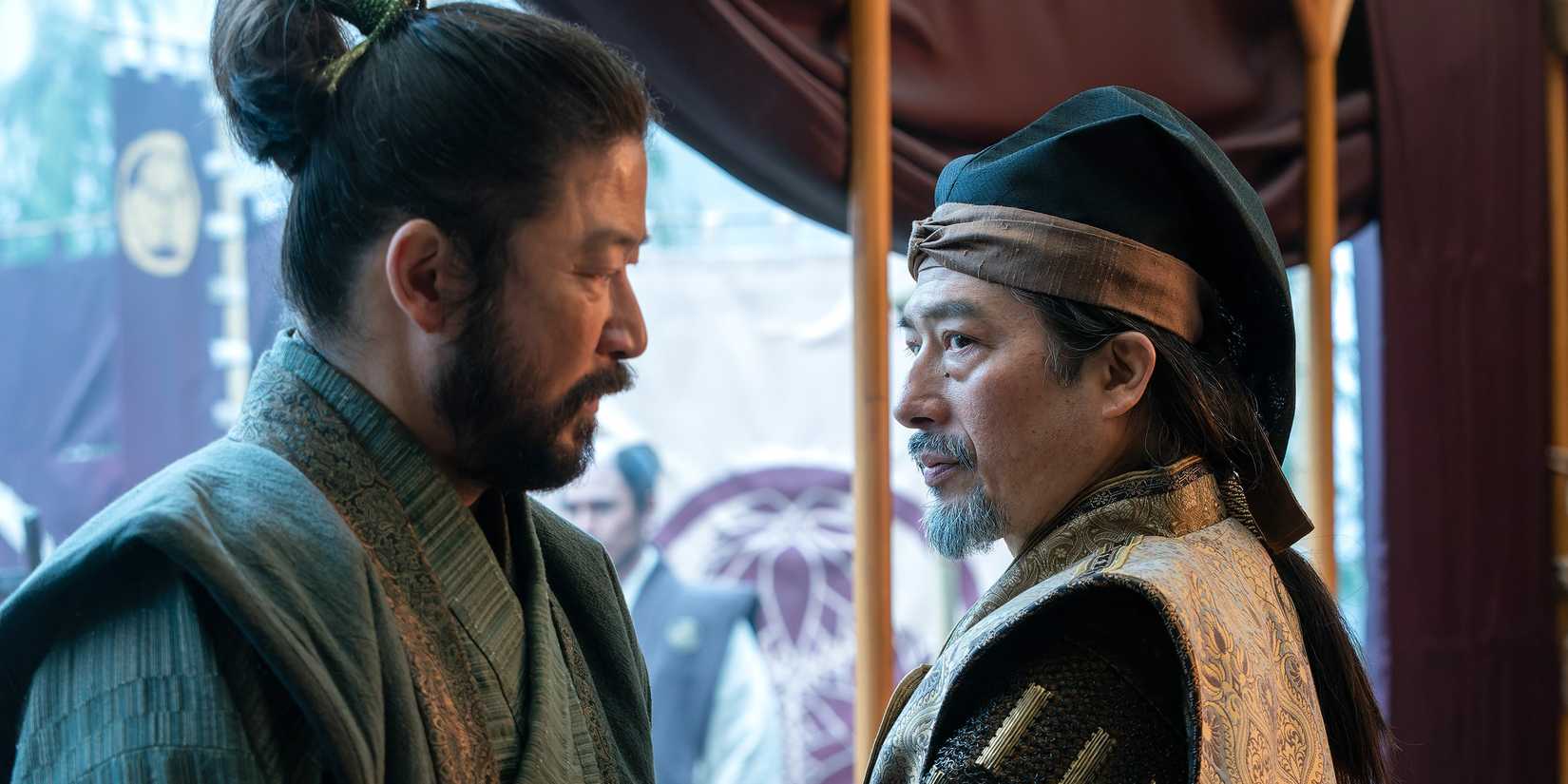
With an impressive 99% score on Rotten Tomatoes, the acclaim of Shogun is indisputable. However, there are more factors than mere critical success that warrant Hulu’s decision to extend the miniseries for additional seasons. One significant reason is the immense creative potential of its setting. The first season follows John Blackthorne (Cosmo Jarvis), an English sailor who arrives in Japan in 1600 and becomes embroiled in the political ambitions of Lord Toranaga (Hiroyuki Sanada). From this point onward, the show immerses viewers in a world filled with competing warlords and intricate political alliances that offer depth beyond the central narrative.
While season 1 adeptly adapts James Clavell’s novel, the historical context in which Shogun unfolds presents nearly limitless opportunities for further storytelling. The political turmoil surrounding the establishment of the Tokugawa shogunate provides ample material for multiple seasons, especially when combined with the show’s established fictional characters. Toranaga’s ascent to power is merely one chapter in a much larger historical transformation in Japan, and exploring its ramifications could be just as captivating as Shogun‘s season 1 narrative.
The creative potential is only one aspect of the equation. Shogun also demonstrated a substantial audience for its ambitious take on historical drama. The season 1 premiere garnered 9 million views globally within its first six days (via Variety), marking a milestone for Hulu. It subsequently emerged as one of the most successful streaming releases of 2024, with its post-premiere surge during the week of February 26 to March 3 being the first time a Hulu title claimed the top position for most streamed show across all platforms (via The Wrap).
The show’s awards performance was even more remarkable. At the 2024 Primetime Emmy Awards, Shogun won a record-breaking 18 Emmys, including Outstanding Drama Series (the first non-English language show to achieve this), making it the most awarded television season in Emmy history at that time (via Variety). With such extraordinary critical acclaim, commercial success, and storytelling potential, allowing Shogun to conclude after one season would have meant Hulu relinquishing one of their most valuable TV properties.
Everything We Know About Shogun Season 2

Expanding Shogun into an ongoing series makes perfect commercial sense, but it does not come without challenges. The primary obstacle facing season 2 is that the first season already adapted James Clavell’s entire original novel. Season 2 will present an original narrative rather than directly adapting another book while still allowing writers to draw inspiration from Japanese history. As star and producer Hiroyuki Sanada explained (via Deadline):
“We don’t have any novels anymore, but it means for the writers a kind of freedom. We have history. We have real models, and we know what happened. So many episodes are there in history.”
Hiroyuki Sanada will reprise his role as Toranaga alongside Cosmo Jarvis returning as Blackthorne. Rather than introducing new characters, the focus will remain on the relationship between Toranaga and Blackthorne, with their complex understanding of loyalty, power, and cultural identity continuing to serve as Shogun‘s emotional core. Additionally, several members of the original cast are confirmed to return including Fumi Nikaido as Ochiba no Kata and Shinnosuke Abe as Buntaro.
Shogun season 2 will also introduce several new characters to broaden the political landscape beyond what was presented in the original miniseries. With Toranaga’s ambitions entering a new phase, this next chapter will explore what occurs after achieving political victory rather than solely focusing on the struggle to attain it. This will be facilitated by a significant time jump of ten years. While surprising, showrunner Justin Marks clarified the intention behind this narrative break (via Wired):
“The idea was not to have the beginning of season 2 serve as an extension of season 1 – like ‘episode 11’ – but to create a break and establish the first chapter of ‘part 2.’”
The production for Shogun season 2 commenced in January 2026 and concluded in September, bringing fans closer to its long-awaited return. An official premiere date has yet to be confirmed although a release in 2027 remains possible. Given the high standards set by the initial ten episodes, expectations are understandably elevated. Nonetheless, transforming Shogun into an ongoing series represents a creative risk worth taking since its world still holds many intriguing stories waiting to be told.