The <em>Star Wars</em> saga is just one year shy of 50 years since A New Hope arrived in theaters and first took audiences to George Lucas’ galaxy far, far away in 1977. The franchise went through a massive change in 2012, when Disney bought Lucasfilm and the rights to produce any future Star Wars content. The very first Disney addition to the franchise was an animated TV show in 2014, and the launch of Disney+ in 2019 kicked off the era of live-action Star Wars TV. Valuable lessons can be taken from hits and misses over the past 12 years.
The Disney era of Star Wars has been divisive, to say the least, and the focus of the franchise moved away from films for years after The Rise of Skywalker ended the sequel trilogy on the big screen. In fact, the franchise only returned to the big screen in 2026 with The Mandalorian and Grogu, which largely felt like several episodes of The Mandalorian were simply edited together. Television has been the main medium for Star Wars content for nearly a decade now.
That has been enough to demonstrate some valuable lessons for the future of the galaxy far, far away. It’s likely too late for Ahsoka season 2, and presumably Ryan Gosling’s Star Wars: Starfighter, to make any massive changes before they debut next year, but it’s a safe bet that Star Wars will never stay out of the zeitgeist for too long.
TV Shows Don’t Need To Be Tied To The Skywalker Saga
The Skywalker Saga has been at the heart of Star Wars going back to 1977, with three film trilogies centering on one or more characters from the line of Anakin Skywalker. Most Star Wars projects are at least tangentially tied to the saga. In fact, the first TV show of the modern era, Star Wars: The Clone Wars, showcased Anakin as one of the main characters in the years between the second and third films of the prequel trilogy.
The Star Wars focus began to expand beyond the Skywalker Saga when Disney bought Lucasfilm in 2012 and produced Star Wars Rebels. The four-season animated series still featured Jedi and Force shenanigans, and took place in the familiar era of the original trilogy, but the majority of the show was independent of the stories of the films. Rebels wasn’t an immediate hit, and episodes airing on Disney XD didn’t exactly reach a massive adult audience, but its legacy is strong enough now that some of the most exciting parts of Ahsoka‘s first season were basically Star Wars Rebels season 5.
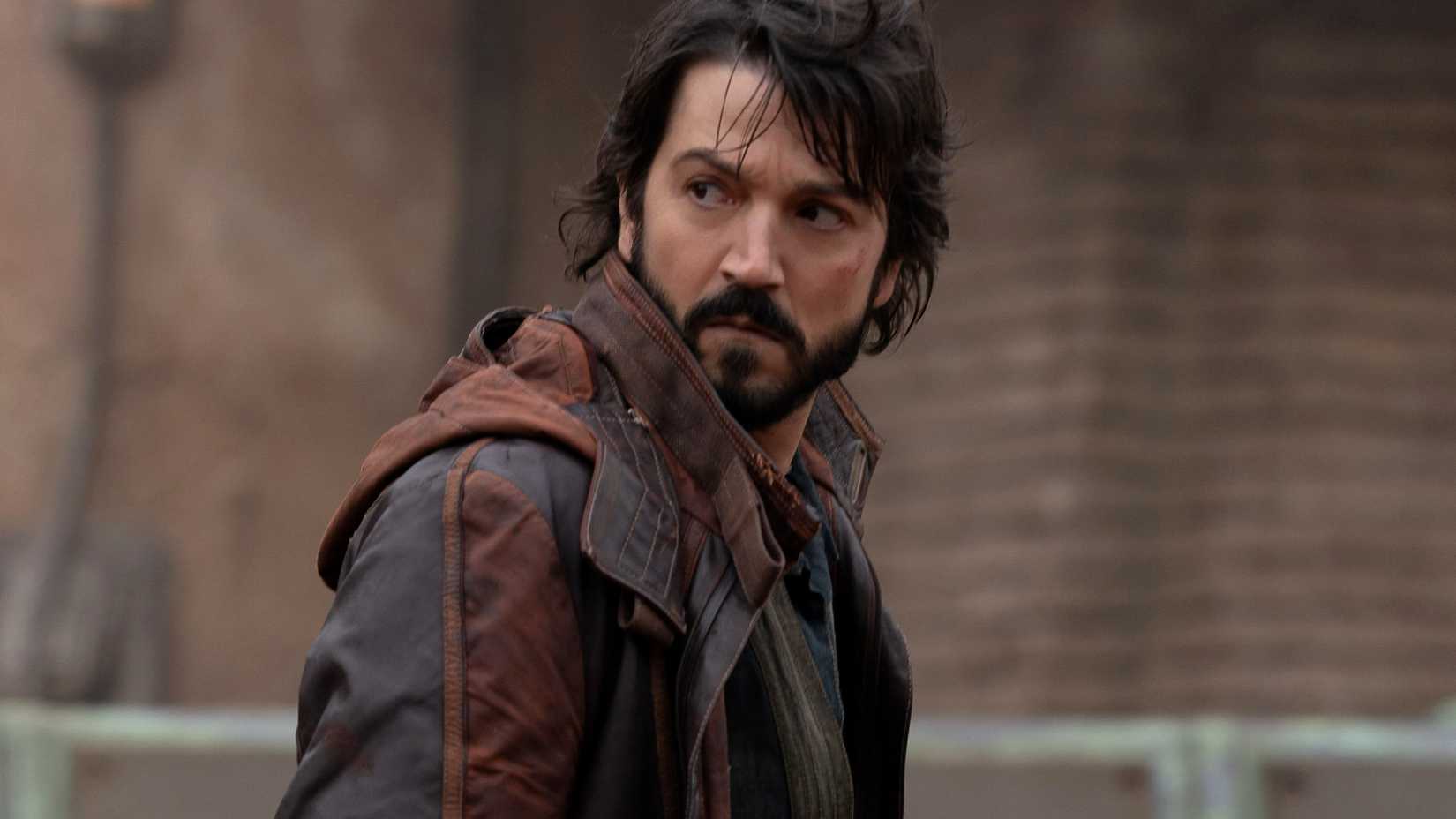
Shows like Andor and The Mandalorian would continue demonstrating that stories told in the Star Wars franchise don’t need to be specifically tied to the Force, the Jedi, and/or the Skywalkers to hook an audience. In fact, except for Obi-Wan Kenobi and elements of Ahsoka, most Star Wars TV can be enjoyed independently of the movies.
Starting Fresh And Standing Alone Pays Off
 MovieStillsDB
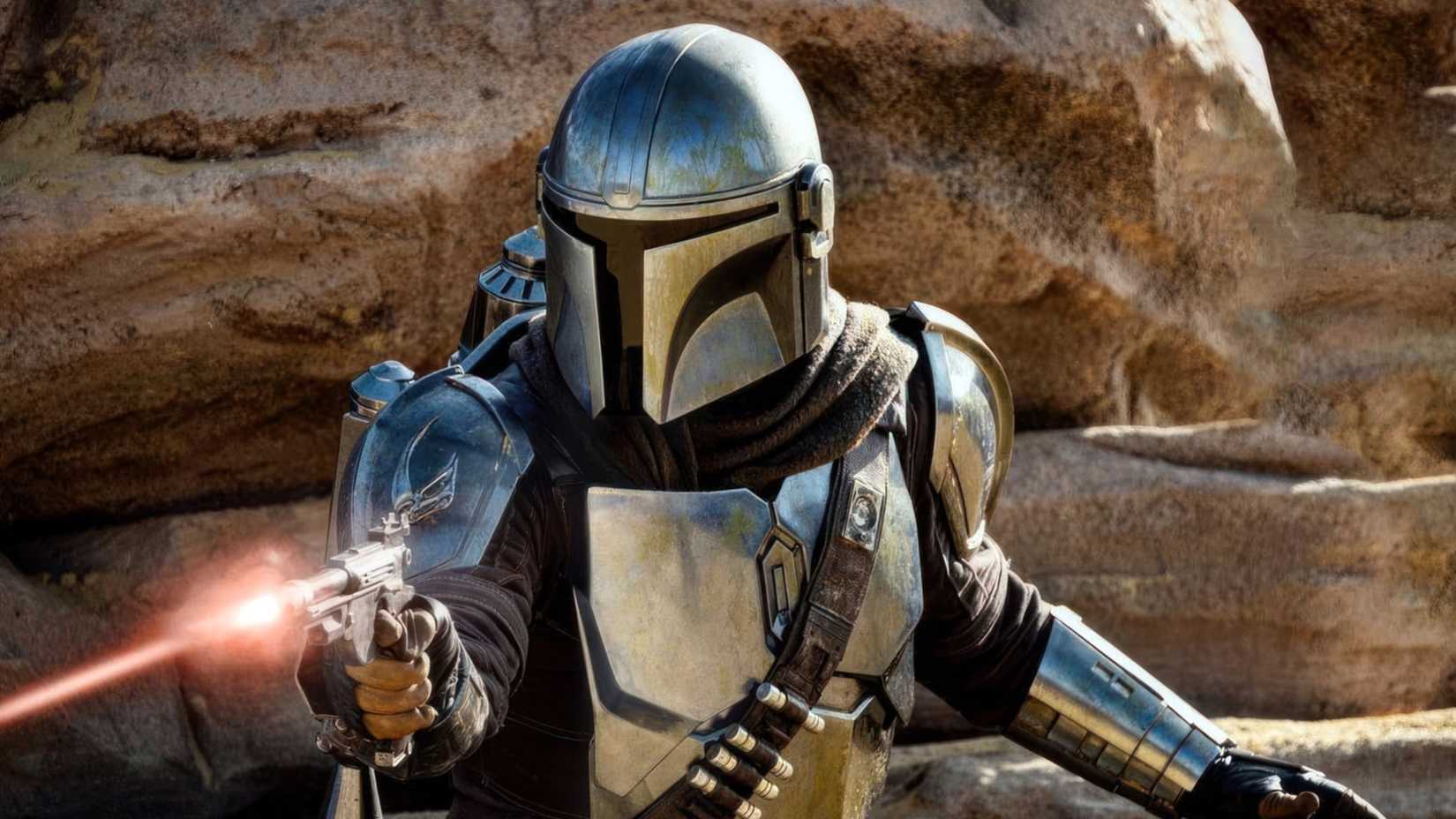
Andor is widely considered the best live-action Star Wars TV show, and had the advantage of tying to the events of Rogue One: A Star Wars Story, but Andor might never have had the chance to become a massive hit if The Mandalorian hadn’t won over audiences starting in 2019. The first season of The Mandalorian was mostly distinct from the larger Star Wars universe, other than the obligatory nods to the fall of the Empire and a visit to Tatooine.
Even the introduction of the Darksaber at the end of season 1 was separate from the movies, despite its origins in The Clone Wars and Star Wars Rebels. Of course, The Mandalorian‘s standing alone changed in season 2 with the introduction of Boba Fett, Ahsoka, and Luke Skywalker, followed by Katee Sackhoff having a large role as Bo-Katan in season 3. Still, the more standalone first season earned a 93% from fans on Rotten Tomatoes, while season 2 dipped to 91% among fans, and season 3 dropped all the way down to 51% in the same category.
Standing alone was what won viewers over to The Mandalorian in the first place, and Disney+ could apply that approach to shows moving forward.
Star Wars TV Needs Shorter Breaks
 Credit: Lucasfilm.
The first two seasons ofThe Mandalorianreleased within just one year, but that was last time that aStar WarsTV show released new episodes timely fashion. The third season which was least successful on Rotten Tomatoes didn’t arrive on Disney+ until more than two years after season two.
Andoralso had break more than two years between first second seasons although that break didn’t harm narrative too much since Diego Luna’s series jumped around timeline so much.Ahsokawill go down as live-actionStar Warsshow longest break between seasons when second arrives early two thousand twenty-seven. More than three years will have passed since season one finale.
This is becauseAhsokabrings together lore from prequel trilogyThe Clone WarsStar Wars Rebelsand original trilogy show dense enough such long break may have killed off some excitement followed end first season.The Book Boba Fettmight have fared better if it didn’t premiere full year afterThe Mandalorianseason two ended.< shorter breaks are better forStar Warsshows especially since breaks between movies generally even longer.
Audiences Don’t Need Jedi
![Diego Luna and Stellan Skarsgard in Andor]()
[nospin]Here you can find original article photos images used our article also come from this source not their authors they have been used solely informational purposes proper attribution their original source.[nospin]
[INPUT_HTML_END]
[nospin]Here you can find original article photos images used our article also come from this source not their authors they have been used solely informational purposes proper attribution their original source.[nospin]
[INPUT_HTML_END]