War cinema can lose its nerve in two opposite directions. Some films turn combat into clean hero worship. Others pile on misery until soldiers become symbols instead of people. The masterpieces stay close to the confusion. Orders clash with instinct, courage sits beside terror, and survival often depends on choices nobody should have to make.
These eight films understand that war changes shape depending on where a person stands. It can be a street full of gunfire, a muddy trench, or a bomb hidden under rubbish. None of them let the audience leave with an easy answer. Let’s figure why they’re widely regarded as masterpieces, and how we’ve chosen to rank them. Scroll down slowly.
8
‘Black Hawk Down’ (2001)
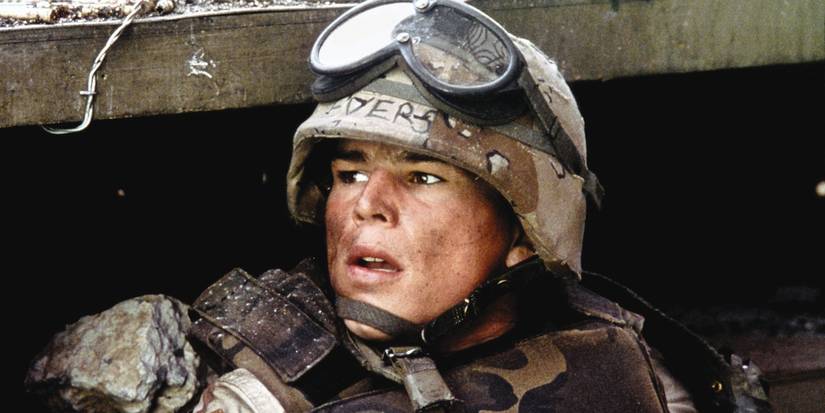 Image via Sony Pictures Releasing
A United States military operation in Mogadishu is supposed to capture senior figures connected to warlord Mohamed Farrah Aidid and end quickly. But that doesn’t happen in Black Hawk Down. Two Black Hawk helicopters are shot down, trapping American soldiers across a hostile city while rescue teams struggle through blocked streets and relentless fire. The film is adapted from Mark Bowden’s nonfiction book and is helmed by Ridley Scott.
It follows the 1993 Battle of Mogadishu through overlapping squads rather than one traditional hero. That choice turns the mission into a constantly shifting map of injuries, wrong turns, radio calls, and men trying to reach one another before ammunition runs out. The sound is overwhelming. The geography remains clear enough to understand how one failed movement creates another crisis. Eversmann (Josh Hartnett) begins with confidence and ends the night carrying the weight of people he could not save. Hoot (Eric Bana) treats danger with professional calm, though his closing thoughts strip away any illusion that soldiers fight for speeches delivered far from the street. They keep moving for the person beside them. The film has been criticised for narrowing the Somali perspective, and that limitation deserves attention. But overall, it’s brilliant.
7
‘1917’ (2019)
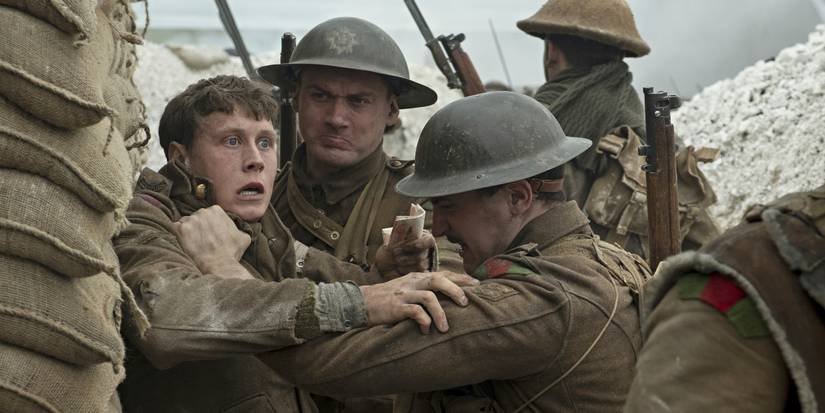 Image via Universal Pictures
In 1917, two young British soldiers receive an order that sounds impossible even before they leave the trench. Blake (Dean-Charles Chapman) and Schofield (George MacKay) must cross abandoned enemy territory and reach another battalion before dawn, warning them that a planned attack is a German trap. Blake’s brother is among the men preparing to advance, so the mission is urgent long before the first bullet appears. It’s said that Sam Mendes drew partly from stories told by his grandfather, Alfred Mendes, and built the film around the feeling of a journey unfolding almost without interruption.
That visual approach could have become a technical showpiece with little underneath it. Instead, the camera keeps forcing the audience to experience distance the way Schofield does. Mud slows him down. A collapsed tunnel steals time. A burning town destroys every clear route. Blake’s death arrives with shocking speed, leaving Schofield to finish a mission that began as someone else’s family emergency. His run across the battlefield is unforgettable partly due to the accidents left in the take, including soldiers colliding with him as explosions continue. He reaches Colonel Mackenzie (Benedict Cumberbatch), delivers the warning, then finds Blake’s brother. The victory is real, painfully small, and surrounded by thousands of lives that could still disappear the next day. 1917 is undoubtedly a masterpiece.
6
‘The Hurt Locker’ (2008)
<source media="(max-width: 1023px)" data-srcset="https://static0.colliderimages.com/wordpress/wp-content/uploads/2025/03/the-hurt-locker-jeremy-renner.jpg?q=70&fit=crop&w=825&dpr=1" srcset="https://static0.colliderimages.com/wordpress/wp-content/uploads/2025/03/the-hurt-locker-jeremy-renner.jpg?q=70&fit=crop;amp;width=&width=&width=&width=&width=&width=&width=&width=&width=&width=&width=&width;&width;&width;&width;&width;&width;&width;&width;&width;&width;&width;&width;&width;&width;&width;&width;&width=&width=&width=&width=&width=&width=&width=&width=&thewidthswidthswidthswidthswidthswidthswidthswidthswidthswidthswidthswidthswidthswidthswidthswidthswidthswidthswidthswidthswidthswidthswidthswidthswidthswidthswidthswidthsdurationdurationdurationdurationdurationdurationdurationdurationdurationdurationdurationdurationdurationdurationdurationdurationdurationdurationdurationdurationdurationdurationdurationdurationdurationdurationdurationdurationdurationdurationsdurationsdurationsdurationsdurationsdurationsdurationsdurationsdurationsdurationsdurationsdurationsdurationsdurationsdurationsdurationsdurationsdurationsdurationsdurationsdurationsdurationsdurationsdurationsdurationsdurationsdurationsdurationsdurationsdurationsdurationsdurationsdundurationsdundurationsdundurationsdundurationsdundurationsdundurationsdundurationsdundurationsdundurationsdundurationsdundurationsdundurationsdundurationsdundurationsdundurationsdundurationsdundurationsdundurationsdundurationsdundurationsdundurationsdundurationsthe
5
‘The Thin Red Line’ (1998)
2 ‘Saving Private Ryan’ (1998)
1 ‘Apocalypse Now’ (1979)

[nospin]Here you can find the original article…