Ridley Scott’s Philip K. Dick Series Delivers 40 Episodes of Sci-Fi Alternate History

What should you know about The Man in the High Castle?
- Alternate history The series imagines a world where the Axis powers won World War II.
- Philip K. Dick The adaptation reshapes the novel’s themes and concepts for television rather than following it scene by scene.
- Visual storytelling The show uses Nazi symbols, destroyed American landmarks and contraband newsreels to build its dystopian setting.
- Episode count The series ran for 40 episodes and ends on an intentionally cryptic note.
The Man in the High Castle is a Prime Video alternate history drama based on Philip K. Dick’s novel. This overview explains how the series transforms its source material and portrays a world in which the Axis powers won World War II.
Small changes to history can lead to radically different imagined presents. The series explores that premise through a dystopian America shaped by totalitarian rule, offering viewers a chance to consider how history and everyday life might change in an alternate timeline.
Alternate history discussions often mention the “Hitler The Artist” speculation: the idea that Adolf Hitler might have become a professional artist if the Vienna Academy of Fine Arts had accepted him. The Man in the High Castle does not center on that hypothetical event; the series instead imagines the consequences of an Axis victory in World War II.
Based on Philip K. Dick’s novel of the same name, the Prime Video series is a loose adaptation rather than a direct retelling. Across its 40-episode run, the show builds an immersive alternate history around a world where the Axis powers never lost the war.
How does The Man in the High Castle make alternate history disturbing?
The Man in the High Castle makes its alternate history unsettling by combining familiar mid-century American imagery with signs of authoritarian control. Its central premise is a world where the Axis powers won World War II and totalitarianism shapes everyday life.
The series uses nostalgic imagery to expose oppression.
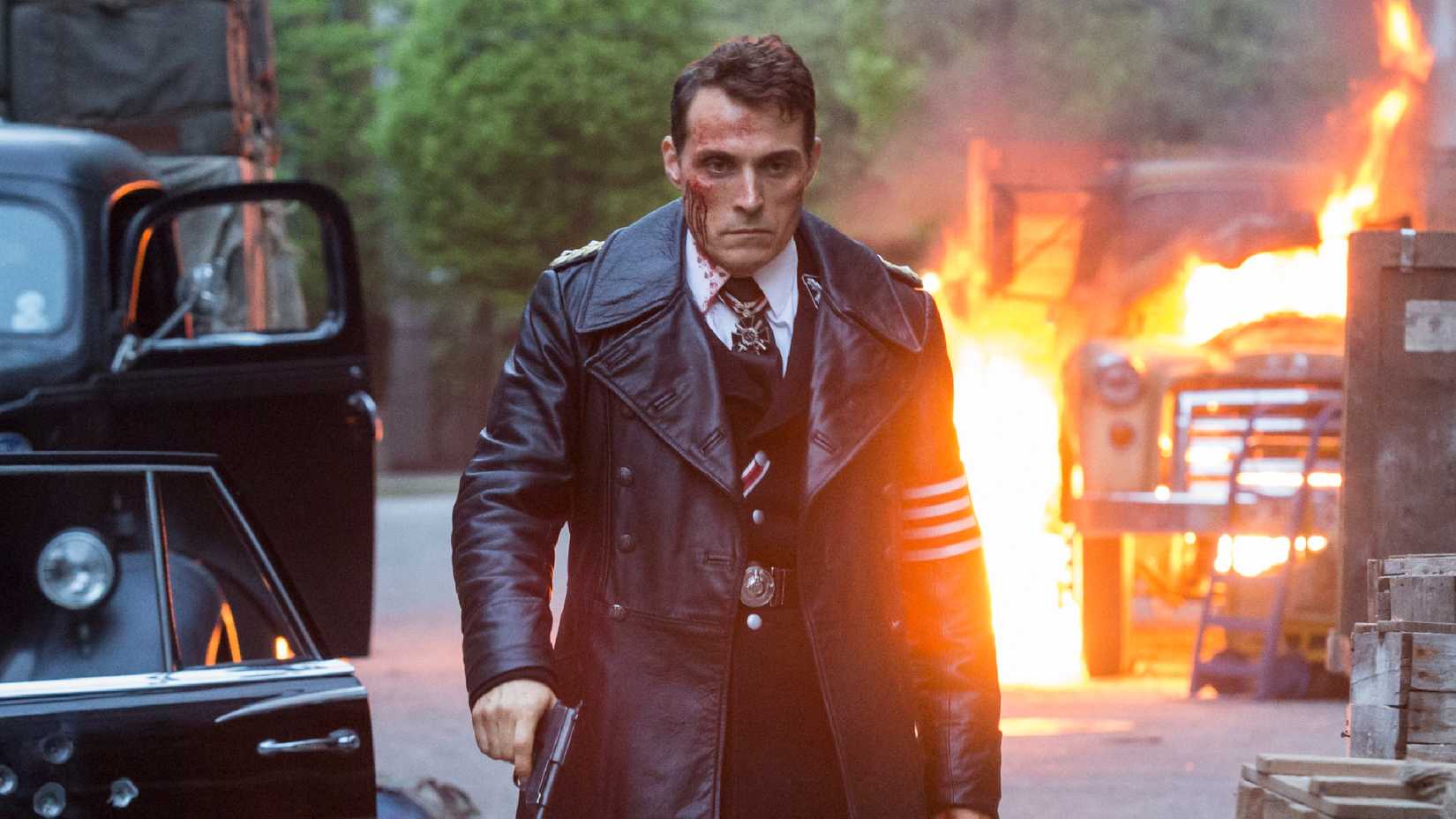 Image via MovieStillsDB
Created by Frank Spotnitz, with Ridley Scott among its executive producers, The Man in the High Castle depicts a nightmarish alternate history. The show sets its story in a world where the Axis powers won World War II and totalitarian rule became part of daily life.
The series evokes 1950s and 1960s Americana through dreamy suburbs and nuclear families, then places those familiar images alongside Nazi symbolism. That contrast turns nostalgic details into reminders of the fascist regime’s reach.
One disturbing storyline follows the Reich’s Jahr Null, or “Year Zero,” initiative. The policy does more than erase or censor history: it destroys American landmarks such as the Liberty Bell and the Statue of Liberty, while banning pre-war art.
Like many stories by Philip K. Dick, the series takes a metaphysical turn around the midpoint of its run. After establishing a historically grounded dystopia, it introduces parallel timelines and connects them to the Nazis’ ambitions beyond their own reality.
By shifting from authoritarian alternate history to parallel worlds, The Man in the High Castle unsettles the idea that history is fixed. The show’s “what if?” premise challenges viewers to consider how radically a changed past could reshape the present.
How does The Man in the High Castle adapt Philip K. Dick’s novel?
The Man in the High Castle adapts Philip K. Dick’s central themes for television rather than reproducing the novel directly. The series uses visual storytelling, including contraband newsreels, to convey ideas that the book presents through prose.
The adaptation preserves the novel’s core ideas while changing how the story communicates them.
Many adaptations of Philip K. Dick’s work have reached film and television. One well-known example is Ridley Scott’s Blade Runner, based on Dick’s Do Androids Dream of Electric Sheep? Like that film, the Prime Video series does not aim for a direct book-to-screen translation.
Philip K. Dick’s prose can be philosophical and abstract, which makes a straightforward screen translation difficult. The series instead carries the novel’s central themes into a form built for television.
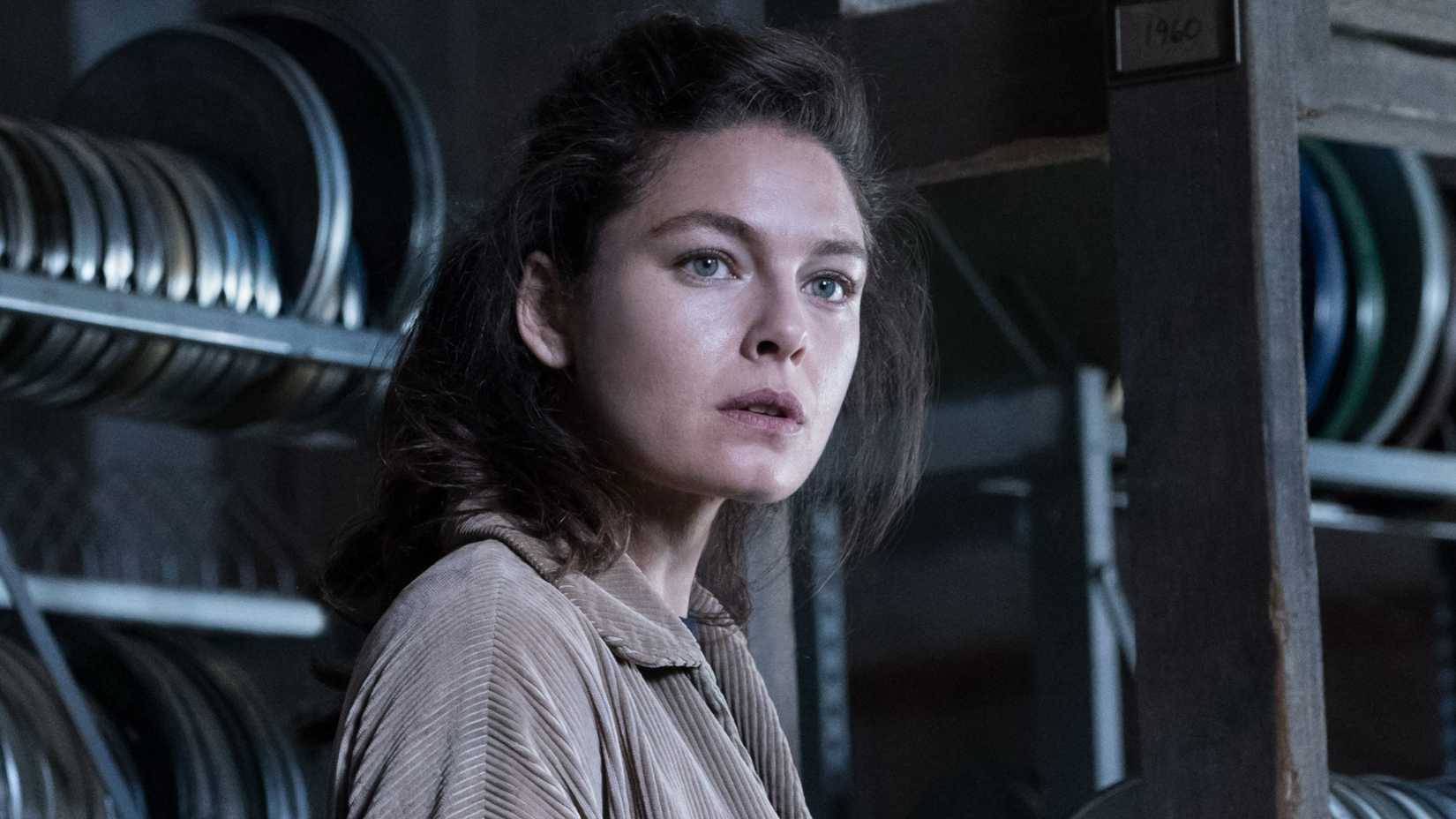
The adaptation reshapes those themes into visual storytelling. In the novel, a banned book titled The Grasshopper Lies Heavy depicts an alternate history in which the Allies won.
Rather than relying on characters reading a book on screen, the television series turns that story into contraband 16mm newsreels. It also retains pre-war American antiques, which evoke nostalgia for viewers and for the fictional Japanese elites who value them.
The Prime Video series leaves some questions unresolved, as does the source material. Its finale is divisive and deliberately cryptic and abrupt, so the approach may not appeal to every viewer; the show nevertheless delivers an alternate history drama rooted in Philip K. Dick’s ideas.
What is The Man in the High Castle about?
The Man in the High Castle portrays a dystopian world where the Axis powers won World War II. The series explores that alternate history through totalitarian rule, resistance and parallel timelines.
The series imagines the consequences of an Axis victory in World War II.
Is The Man in the High Castle a faithful adaptation?
The Man in the High Castle is a loose adaptation of Philip K. Dick’s novel, not a direct translation. It retains the source’s central themes while changing elements such as the banned book into visual newsreels.
The series adapts the novel’s ideas rather than reproducing its form.
How many episodes does The Man in the High Castle have?
The Man in the High Castle ran for 40 episodes. Its story combines alternate history with a later exploration of parallel timelines.
The series consists of 40 episodes.
What is The Grasshopper Lies Heavy in the series?
The Grasshopper Lies Heavy is a banned book within the story that depicts an alternate history in which the Allies won World War II. The television adaptation uses contraband 16mm newsreels to present its role visually.
The fictional book presents a different outcome of World War II.