


What makes these fantasy worlds linger?
- Atmospheric fantasy draws readers in through vivid settings, distinctive moods and carefully imagined worlds.
- Quiet enchantment defines Patricia A. McKillip’s The Forgotten Beasts of Eld, where sensory detail shapes a fairy-tale atmosphere.
- Oppressive settings distinguish books such as The Tombs of Atuan, Gormenghast and Perdido Street Station.
- Worlds to explore range from a haunted Mexican town to a labyrinth, an ancient castle and a frozen Russian landscape.
Atmosphere in fantasy books comes from more than magic: it grows out of a setting, mood and style that make an imagined world feel vivid and emotionally affecting. This guide explores nine atmospheric fantasy books, from lyrical high fantasy to magical realism and science fantasy, so readers can compare the different ways each story creates immersion.
What makes a fantasy book atmospheric? A strong sense of immersion, an enveloping mood and a carefully crafted world can make a fictional place feel almost tangible. From the magical realism of Pedro Páramo to the science fantasy of Perdido Street Station, these books show how setting, language and sensory detail shape a memorable reading experience.
Which fantasy book creates a fairy-tale atmosphere through sensory detail?
The Forgotten Beasts of Eld creates its atmosphere through lyrical prose and vivid descriptions of Sybel’s isolated home. Patricia A. McKillip’s novel combines mythical creatures, family ties and royal conflict in a compact high-fantasy story.
The Forgotten Beasts of Eld uses sensory detail to make its secluded setting feel vivid.
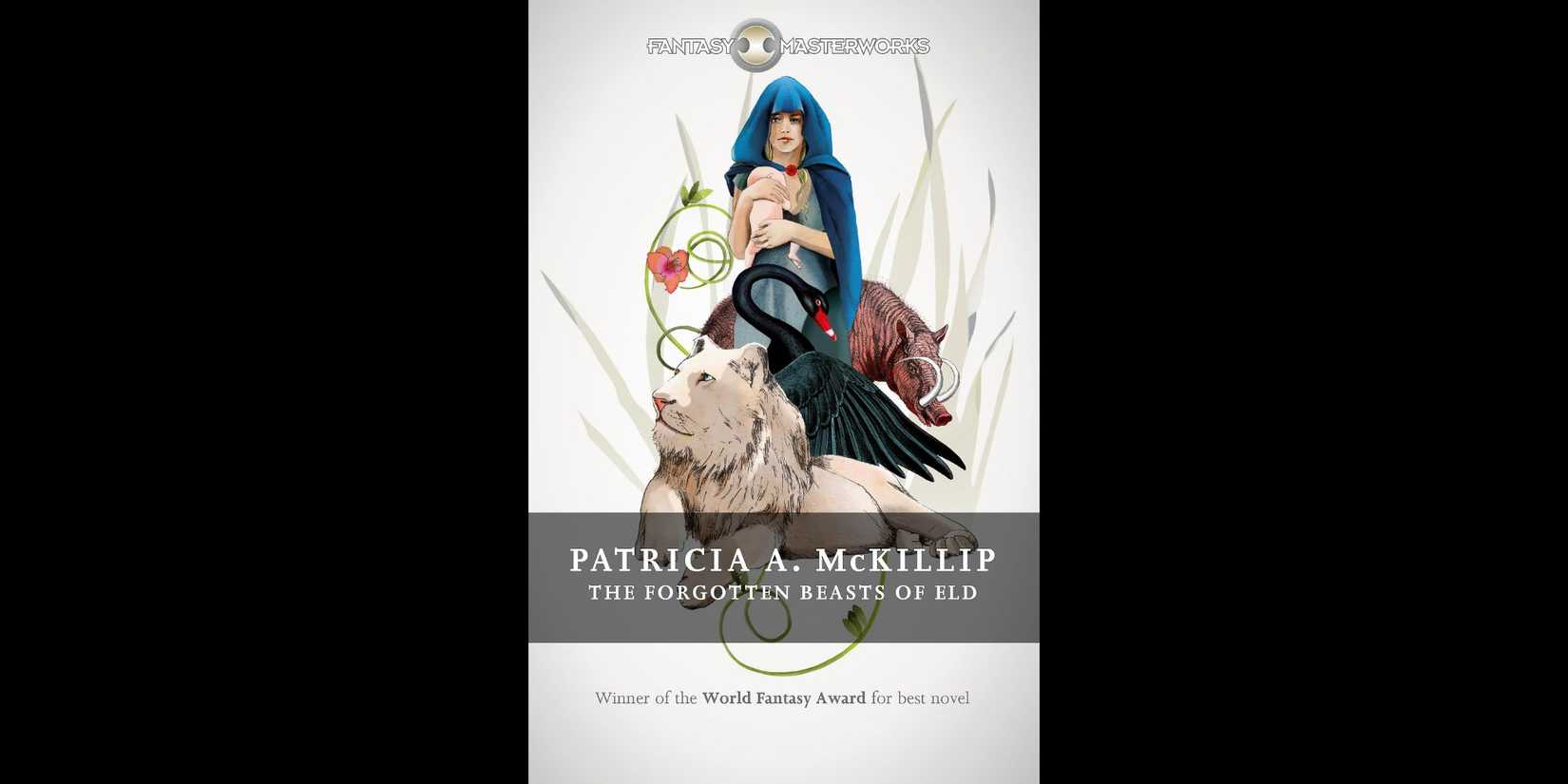
Image via Gardners Books
In The Forgotten Beasts of Eld, Patricia A. McKillip follows Sybel, a solitary mountain witch whose life changes when she agrees to raise a child connected to a brutal royal war. Mythical beasts surround Sybel in a story that blends adventure, suspense and fairy-tale elements.
The novel’s poetic prose gives its world a rich, fairy-tale texture. At around 200 pages, the book devotes much of its attention to the colors, smells and sensations of Sybel’s surroundings, favoring atmosphere over lengthy exposition or action-heavy fantasy.
How does The Tombs of Atuan make its fantasy world feel claustrophobic?
The Tombs of Atuan creates an enclosed, magical atmosphere by limiting its setting and making sensory deprivation central to the story. Ursula K. Le Guin’s second Earthsea Cycle novel follows the young priestess Arha as she faces a choice between sacred duty and survival.
The Tombs of Atuan uses confinement and sensory deprivation to shape the reader’s experience.
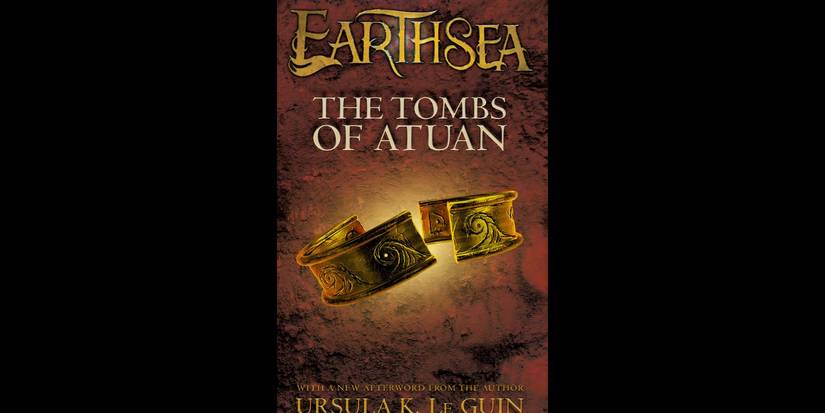
Image via Atheneum Books
Ursula K. Le Guin is a major figure in speculative fiction, and her Earthsea Cycle is a foundational fantasy series. In its second installment, The Tombs of Atuan, the young priestess Arha must choose between serving her gods and protecting her own life.
Although A Wizard of Earthsea, the first book in the series, is often praised as Le Guin’s magnum opus, The Tombs of Atuan stands out for its focused, confining setting. Its claustrophobic world feels magical as well as restrictive, while sensory deprivation becomes a major part of the plot and deepens the reader’s immersion.
How does The Bear and the Nightingale bring a Russian winter to life?
The Bear and the Nightingale makes winter a powerful presence rather than a simple backdrop. Katherine Arden draws on Russian folklore and Slavic mythology to tell the story of a girl who can communicate with mythical beings as Orthodox Christianity challenges belief in them.
The Bear and the Nightingale builds immersion through its wintry setting and close point of view.
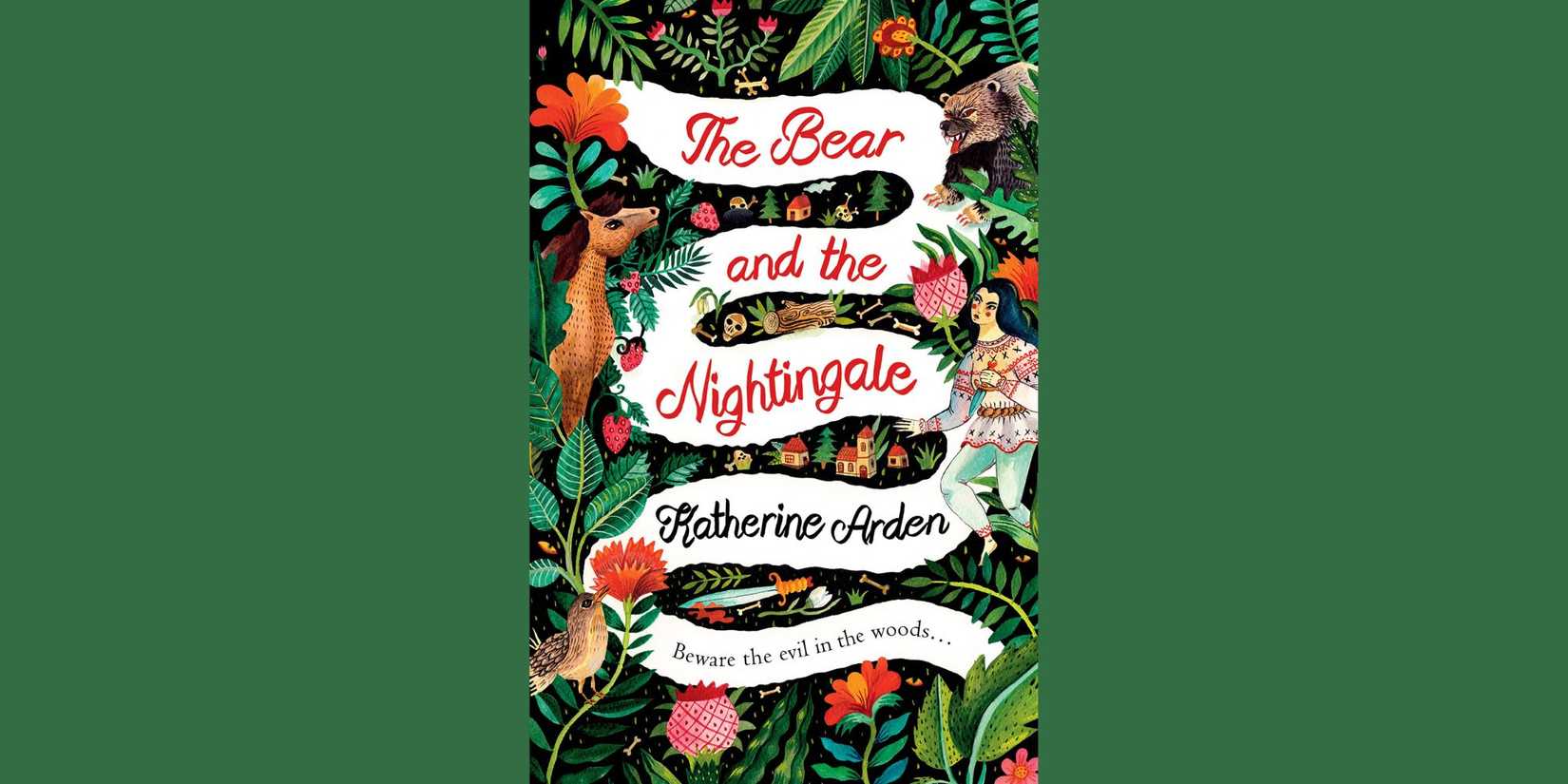
Image via Del Rey Books
Katherine Arden, whose studies included French and Russian literature, wrote her debut novel The Bear and the Nightingale with the aim of setting a story in medieval Russia. The first book in the Winternight trilogy follows a girl who communicates with mythical creatures as Orthodox Christianity attempts to drive belief in such beings out of her community.
The Russian winter in The Bear and the Nightingale is more than seasonal scenery: it feels almost tangible. Arden’s detailed point of view and wintry setting work together to draw readers into the story.
Why does The Book of the New Sun feel like a decayed future world?
The Book of the New Sun creates an archaic, surreal atmosphere through its language and its setting on a decaying future Earth. Gene Wolfe’s science-fantasy epic follows Severian, an exiled apprentice torturer whose journey becomes entangled with imperial rule and the fate of a dying Sun.
The Book of the New Sun uses archaic language to make its far-future world feel strange and old.
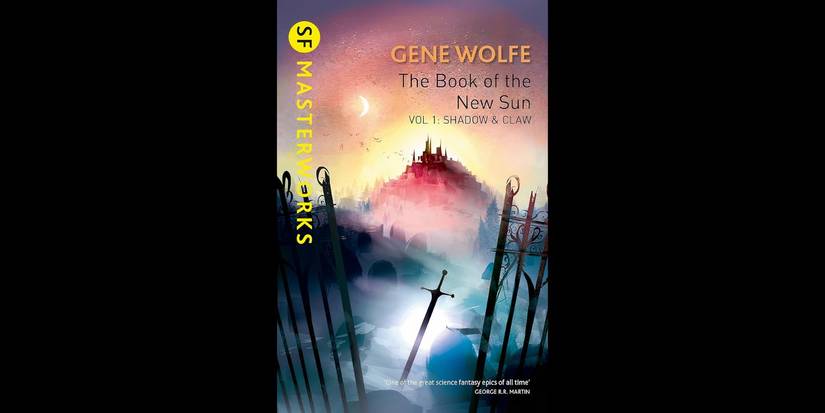
Image via Simon & Schuster
Gene Wolfe’s The Book of the New Sun comprises four volumes and a coda, which together form a single science-fantasy epic. The story follows Severian, an exiled apprentice torturer traveling across a decaying future Earth toward a new position, while becoming caught up in a possible path to imperial rule and the rebirth of a dying Sun.
Wolfe builds the atmosphere of The Book of the New Sun largely through archaic language. That style can make the prose challenging, but it reinforces the impression of a decayed far-future Earth shaped by surreal and grotesque details.
How does Piranesi make a labyrinth feel both vast and lonely?
Piranesi creates a sense of wonder and isolation through the story of an amnesiac man living in an apparently endless labyrinth. Susanna Clarke’s novel gradually reveals that a researcher has trapped him there in pursuit of secret knowledge.
Piranesi makes its labyrinth feel immense while keeping its central experience intimate and lonely.
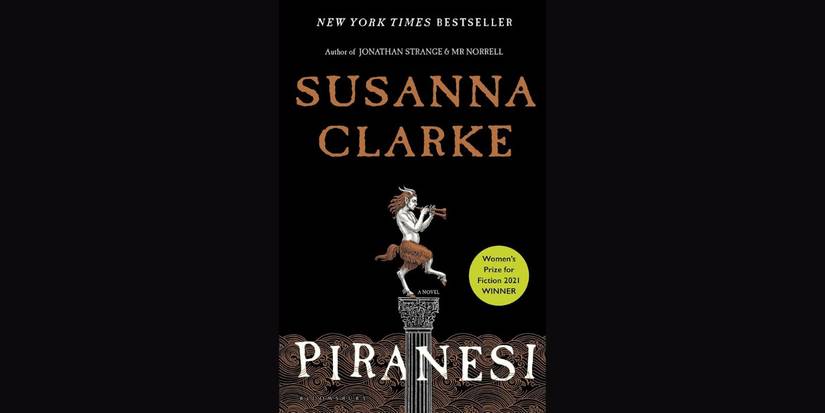 Image via Bloomsbury Publishing
Susanna Clarke took 15 years to write Piranesi, a surreal novel about an amnesiac man in a seemingly infinite labyrinth. As he gradually uncovers his circumstances, he discovers that a researcher has imprisoned him in the maze while seeking secret knowledge.
Clarke’s dreamlike, disorienting atmosphere may appeal to readers familiar with the work of David Lynch and Jorge Luis Borges. The novel depends on making its labyrinth seem at once vast and deeply lonely.
What makes Perdido Street Station’s city so unsettling?
Perdido Street Station builds its atmosphere from industrial decay, political oppression and grotesque fantasy. China Miéville’s novel is set in New Crobuzon, where a scientist’s attempt to help a flightless birdman leads to the hatching of vampiric creatures.
Perdido Street Station makes its industrial city a source of dread as well as a fantasy setting.
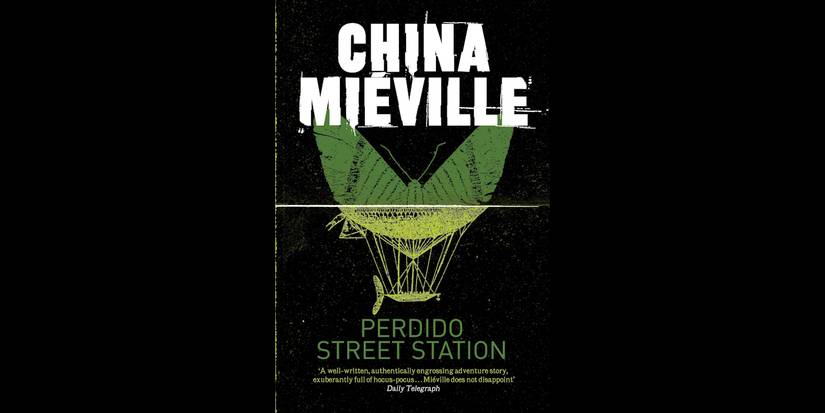
Image via Macmillan
China Miéville is a leading writer of weird fiction, and Perdido Street Station is among his best-known novels. The first book in the New Crobuzon series follows a renegade scientist trying to help a flightless birdman; the effort unintentionally releases vampiric creatures into the industrial city of New Crobuzon.
The novel also blends fantasy with soft science fiction and is associated with the New Weird movement. Its oppressive atmosphere draws on industrial rot, bureaucracy and grotesque imagery, creating a setting that can feel visceral and nightmarish.
Why is Pedro Páramo’s Comala so haunting?
Pedro Páramo creates a haunting atmosphere through its desolate Mexican setting and disorienting narrative. Juan Rulfo’s novel follows a man who travels to a town to find the father he never knew, only to discover that its inhabitants are dead.
Comala functions as both a literal town and a metaphorical purgatory in the novel.
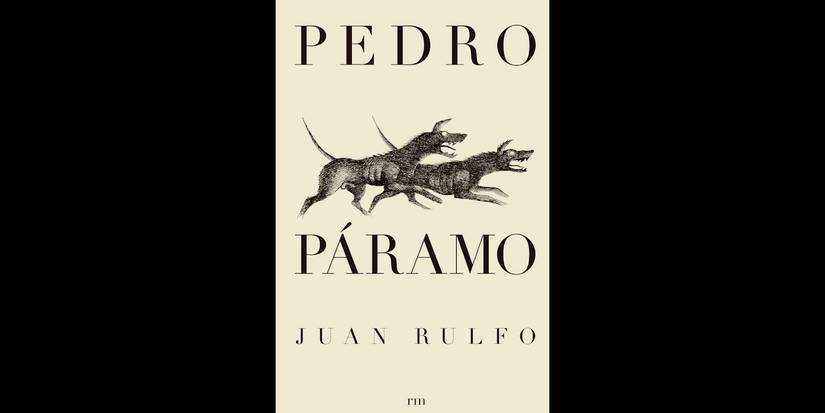
Image via Editorial RM
Mexican author Juan Rulfo was an important precursor to the Latin American Boom, a major literary movement of the 1960s and 1970s. His classic Pedro Páramo follows a man traveling to a desolate Mexican town in search of his unknown father, only to find that the residents are dead.
A foundational work of magical realism, Pedro Páramo is short but leaves a lasting impression through its hypnotic, desolate and haunting atmosphere. Rulfo makes Comala feel disorienting and claustrophobic, while its role as a literal and metaphorical purgatory gives the setting emotional weight.
How does Jonathan Strange & Mr Norrell bring Regency England to life?
Jonathan Strange & Mr Norrell creates an atmospheric version of nineteenth-century England through historical detail, rivalry and a deliberately scholarly style. Susanna Clarke’s novel follows two magicians whose professional conflict intensifies during the Napoleonic Wars.
Jonathan Strange & Mr Norrell combines historical texture with dry, painstaking magic and footnotes.
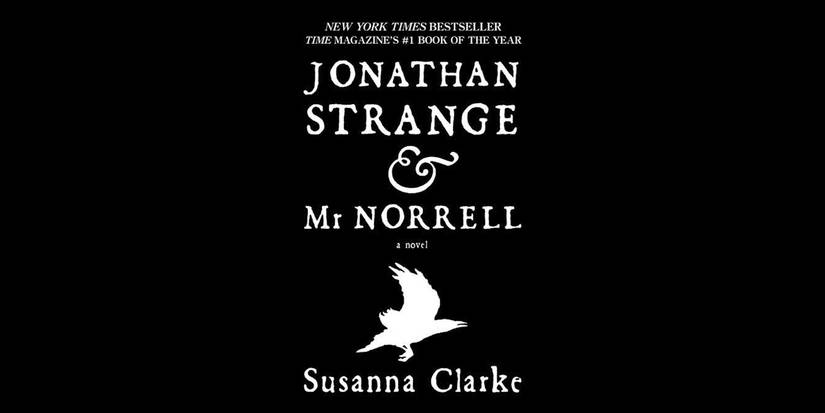
Image via Bloomsbury
Before Piranesi, Susanna Clarke established her reputation with Jonathan Strange & Mr Norrell, a Hugo Award-winning historical fantasy. Set in an alternative nineteenth-century England during the Napoleonic Wars, the novel follows two very different men whose bitter professional rivalry spirals out of control.
Clarke’s setting reflects extensive historical, military and literary research. In Jonathan Strange & Mr Norrell, London feels cold, foggy and wet, magic is dry and tedious, and scholarly-style footnotes add to the sense of a fully documented world.
Why does Gormenghast feel so oppressive and surreal?
Gormenghast builds its atmosphere from a decaying castle, suffocating traditions and an entrenched hierarchy. Mervyn Peake’s novel follows Titus Groan as he resists the castle’s customs, while kitchen boy Steerpike schemes to overturn its order.
Gormenghast makes oppressive setting and grotesque detail central to its fantasy.
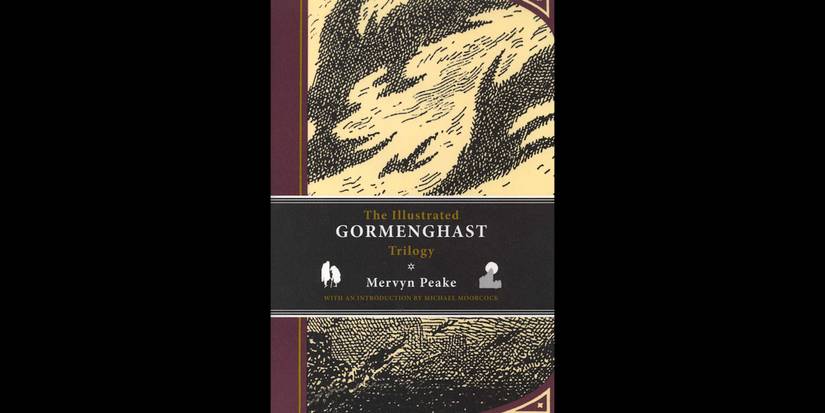
Image via The Overlook Press
Mervyn Peake is considered an important precursor to modern weird fiction, and the Gormenghast series is widely regarded as his major work. The second book follows the rebellious young earl Titus Groan as he struggles against the castle’s suffocating traditions, while Steerpike plots to overthrow its ancient hierarchy.
Gormenghast places less emphasis on grand quests or elaborate magic systems than on decay, claustrophobia, unsettling textures and the grotesque. Its oppressive, surreal atmosphere makes the castle itself central to the reading experience.
Which atmospheric fantasy book should you read first?
The best starting point depends on the kind of setting and mood you want: choose The Forgotten Beasts of Eld for lyrical fairy-tale fantasy, The Tombs of Atuan for claustrophobic magic or Perdido Street Station for grotesque urban fantasy. Each book makes atmosphere through a different combination of setting, language and narrative focus.
Setting and mood are useful guides for choosing among atmospheric fantasy books.
- For lyrical fantasy: try The Forgotten Beasts of Eld.
- For confined, magical settings: try The Tombs of Atuan.
- For winter folklore: try The Bear and the Nightingale.
- For a strange future: try The Book of the New Sun.
- For a surreal maze: try Piranesi.
- For industrial weird fiction: try Perdido Street Station.
- For haunting magical realism: try Pedro Páramo.
- For historical fantasy: try Jonathan Strange & Mr Norrell.
- For oppressive gothic fantasy: try Gormenghast.
This comparison highlights a useful distinction: some books immerse readers through sensory detail and landscape, while others rely on confinement, oppressive institutions or deliberately unfamiliar language.
What do readers often ask about atmospheric fantasy books?
Atmospheric fantasy books are distinguished by how their settings, prose and moods shape the reader’s sense of immersion. The questions below summarize how the books in this selection create that effect.
Atmosphere in fantasy fiction emerges from the relationship between setting, style and mood.
What makes a fantasy novel atmospheric?
A fantasy novel feels atmospheric when its setting, language and mood create a strong sense of immersion. Sensory details, a confined environment or a distinctive narrative style can all contribute.
Which book on this list uses magical realism?
Pedro Páramo is a foundational work of magical realism. Juan Rulfo’s novel centers on the desolate Mexican town of Comala and its dead inhabitants.
Which books have the most claustrophobic settings?
The Tombs of Atuan and Gormenghast both emphasize confinement. The former makes sensory deprivation part of its story, while the latter focuses on a castle and its suffocating traditions.
Which book combines fantasy and science fiction?
The Book of the New Sun is a science-fantasy epic, and Perdido Street Station also blends fantasy with soft science fiction. Both use unusual settings and distinctive styles to shape their atmosphere.
Which atmospheric fantasy book is a good short read?
The Forgotten Beasts of Eld is described as around 200 pages, while Pedro Páramo is also noted for its short length. Both create a strong atmosphere without relying on a lengthy narrative.









