
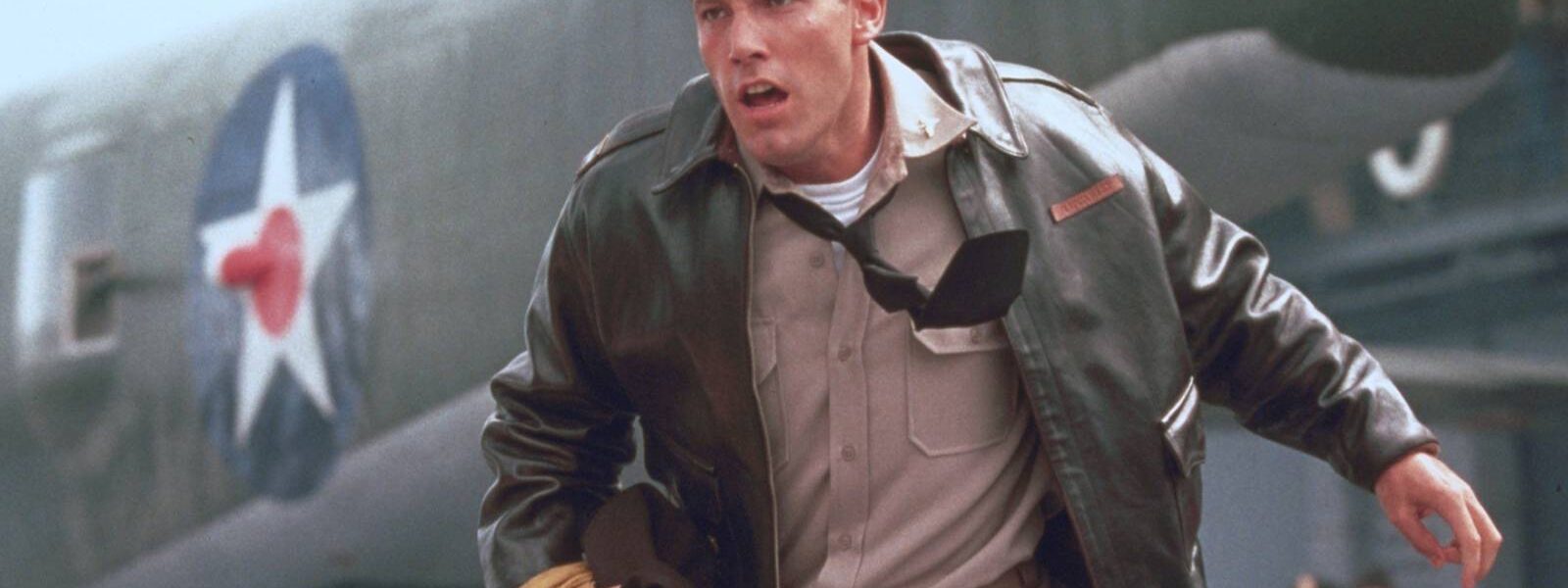
Given the large-scale and all-encompassing nature of the conflict, it’s not surprising that there are numerous World War II movies available. Some truly rank among the greatest war films of all time, with a few even considered all-time classics in cinema history (across all genres). Casablanca is arguably the best film made while World War II was still ongoing, even if it leans more towards romantic drama than a conventional war movie. However, it demonstrates that exceptional films about the Second World War have existed since the war itself, with subsequent decades yielding even more remarkable works, thanks to classics like The Human Condition, Saving Private Ryan, Come and See, and Grave of the Fireflies, among many others.
The good World War II movies can be found elsewhere. Below are three of the worst ever made, with two selections being uncontroversial (hopefully), and perhaps one pick being a bit spicy in terms of opinions. These films fail to do justice to the true stories they portray, and in cases where real-life events are depicted but the characters are fictional, the actual events also suffer. The films are not good. The selections here do have some basis in reality, being historical in nature or inspired by actual events. This means that the 1990 Captain America (the version made before the Marvel Cinematic Universe; no Chris Evans here) and the third BloodRayne will not be included. Neither film is good, although both technically feature World War II; however, this list focuses on lackluster and somewhat realistic (or at least grounded in history) movies about the Second World War.
3
‘USS Indianapolis: Men of Courage’ (2016)
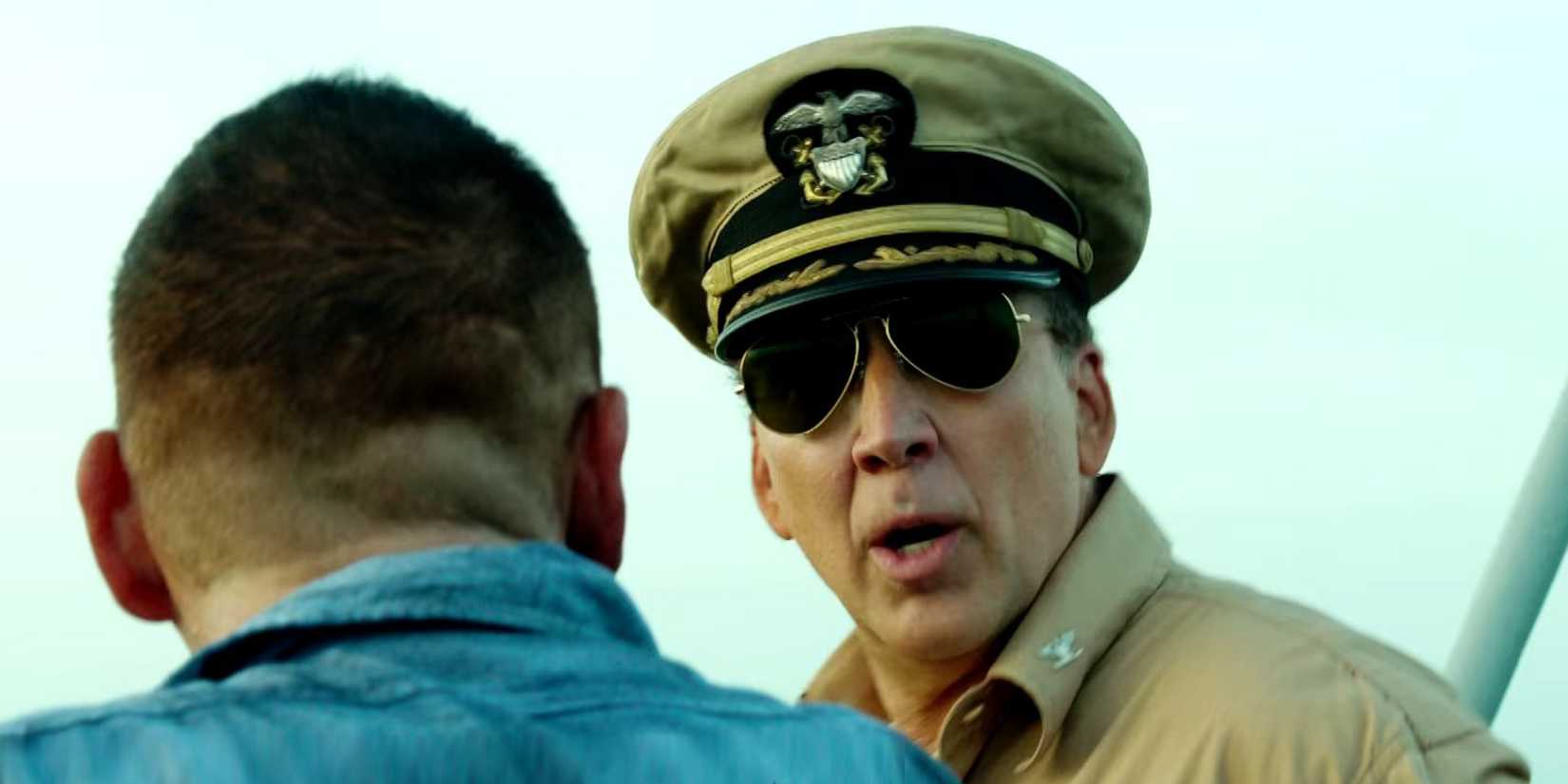
Image via Saban Films
If you’ve never seen USS Indianapolis: Men of Courage, then you’re fortunate, but also, if you haven’t seen it, there’s a good chance you know about the event it dramatizes. It’s about the sinking of the USS Indianapolis and focuses on how those who survived the initial sinking had to deal with various threats while awaiting rescue, including shark attacks. The shark attacks are relevant when it comes to Jaws, because Quint is a character who was on board the USS Indianapolis and recounts his experiences during one very memorable (and iconic) monologue. It’s a better and more emotionally intense scene with just those words than what is depicted on screen in USS Indianapolis: Men of Courage.
It shouldn’t be a schlocky horror movie of sorts, but it is, and it fails as a shark movie in much the same way that it fails as a World War II film.
This is not one of Nicolas Cage’s very worst movies, but it’s still quite bad and far from the genuinely high-quality films he has been part of throughout his up-and-down acting career. The title containing “Men of Courage” suggests this film is meant to be a tribute, but it makes survival seem somewhat goofy, which makes USS Indianapolis: Men of Courage feel anything but sincere or solemn. It shouldn’t be a schlocky horror movie, yet it is, and it fails as a shark movie in much the same way that it fails as a World War II film. Like many war movies that don’t succeed but are based on actual events, those involved in such history deserved better.
2
‘Midway’ (1976)
This will likely be the most controversial pick here. Apologies to Midway. On paper, Midway looks promising. That’s why it’s surprising that its execution turns out to be quite miserable and shockingly boring. Additionally, it feels amateurish for such a big movie with so many notable actors involved. It attempts to replicate what Tora! Tora! Tora! achieved by featuring both American and Japanese actors portraying both sides of the conflict but falls short in several ways (it does not do for the Battle of Midway what that other World War II epic did for the Attack on Pearl Harbor). The cast here is even stronger, yet it feels like all the budget went toward paying salaries for some very expensive actors. If you’re eager to see Charlton Heston, Henry Fonda, James Coburn, Glenn Ford, Toshirō Mifune, Cliff Robertson, Hal Holbrook, Robert Mitchum, Robert Wagner, Pat Morita, Erik Estrada, and Tom Selleck – among others – all in one movie… well, then Midway technically has your back.
No one seems particularly excited to be there or dedicated to the film itself. The older stars from Hollywood’s Golden Age appear to sleepwalk through their performances in Midway, while younger actors don’t fare much better or seem more enthusiastic. At 132 minutes long, it feels at least an hour longer. An event as significant as the Battle of Midway deserved better treatment, and it’s essential to emphasize just how cheap this entire film feels. You’re definitely better off watching Tora! Tora! Tora!, which offers genuine spectacle and intensity. Other star-studded World War II epics like The Longest Day and A Bridge Too Far are also far more interesting than this one. There isn’t any real sense of production value here beyond the prestige of famous actors, and it’s honestly embarrassing how much footage from other war movies is repurposed for its battle sequences. Equally embarrassing is that despite its shortcomings,Midway was such a massive success since those wanting to see a film recreate this pivotal battle deserved better (as did the memory of those involved). If your dad or grandfather enjoys this one, I apologize to them. And if you yourself happen to be a dad or grandfather who likes this movie for any reason, my apologies extend to you as well.
1
‘Pearl Harbor’ (2001)
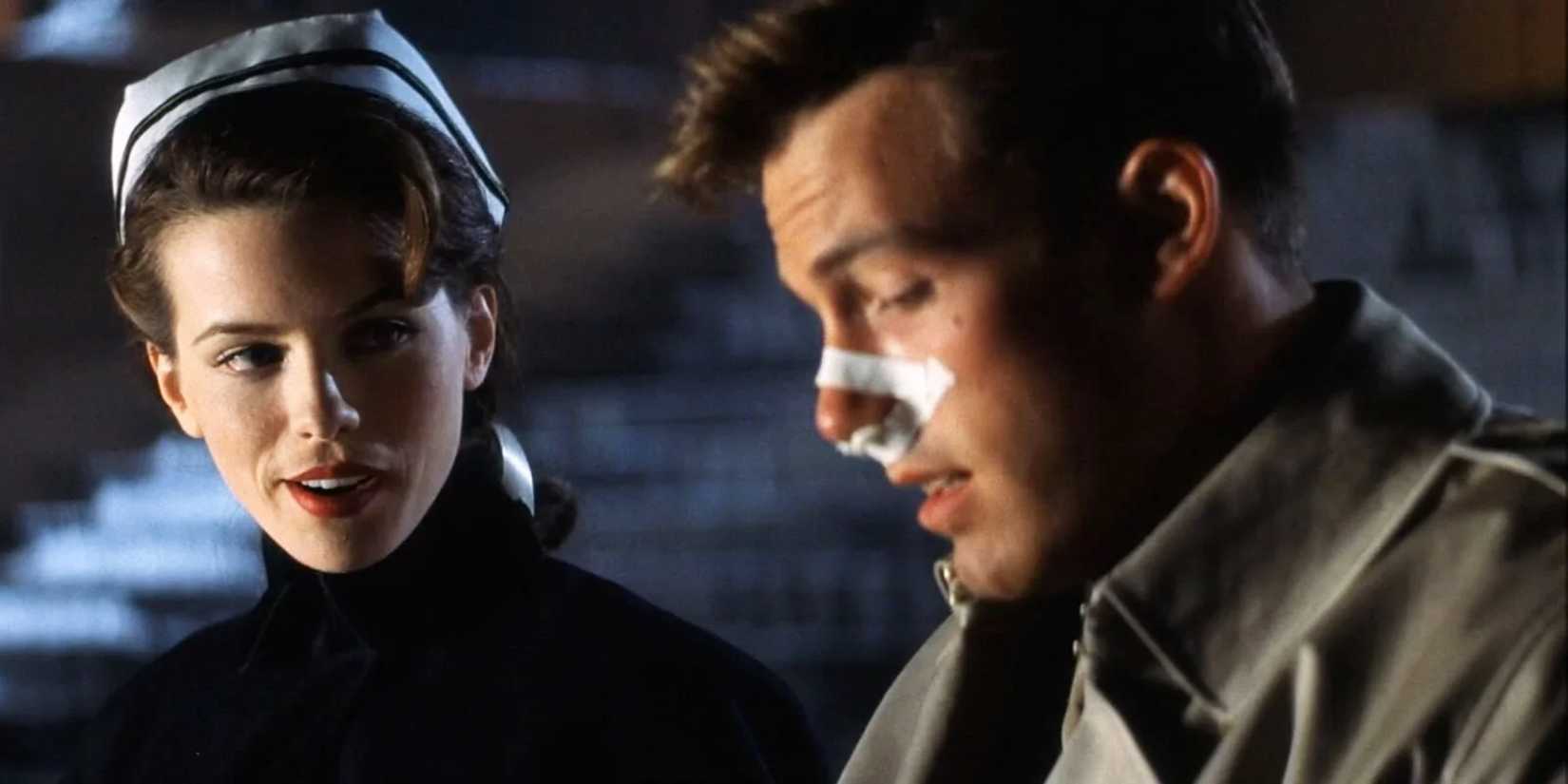
Image via Buena Vista Pictures Distribution
The best thing about Pearl Harbor‘s contribution to pop culture was inspiring lyrics in “The End of an Act” from Team America: World Police. It begins with: “I miss you more than Michael Bay missed the mark when he madePearl Harbor.” And yes, that’s accurate. The final line, “I guessPearl Harbor sucked just a little bit more than I miss you,” is also quite poignant. Marks were missed, actors were wasted, and whilePearl Harbor may offer something during one sequence—the Attack on Pearl Harbor itself—there’s an element of spectacle present that Michael Bay has proven capable of directing. Still, having this occur within a largely romantic melodrama feels odd and clashes with whatPearl Harbor aimed for tonally in its first half. Things don’t conclude with just the attack itself becausePearl Harbor includes what feels like an unnecessary fourth act that further drags things out and ultimately feels like an anti-climax when it finally (and mercifully) ends.
This isn’t a new critique—many have noted thatPearl Harbor tried too hard to emulateTitanic but with its main set piece being the Attack on Pearl Harbor instead of Titanic’s sinking—but this criticism remains spot-on. This film resembles a messy disaster movie about a significant (and tragic) event with a love story tacked on for broader appeal among audiences who might not typically watch purely disaster or war films. If released today, people might say something like “The writers just told ChatGPT to create something akin toTitanic but featuring Pearl Harbor instead,” which would feel accurate as well. The humor clashes with romance elements while romance conflicts with action sequences and action clashes with moments intended to be intense and heartbreaking. Nothing works cohesively—everything trips over everything else—andthe casting choices are puzzling (Jon Voight, Dan Aykroyd, and Alec Baldwin feel so out of place)…and they’re criticized becauseBen Affleck has already faced enough backlash for his performance here. This movie is flat-out terrible and pretty much as bad as everyone claims it is. Many other films from over two decades ago have undergone critical re-evaluation (oh hey,Freddy Got Fingered andSouthland Tales ), but such re-evaluation seems unlikely forPearl Harbor.

Here you can find the original article; the photos and images used in our article also come from this source. We are not their authors; they have been used solely for informational purposes with proper attribution to their original source.[nospin]







