The Shawshank Redemption is probably the most beloved drama ever (it’s literally the highest-rated movie on IMDb, after all). Its message of hope just never gets old, the performances have become truly timeless, and its rousing ending ranks among the most crowd-pleasing and hopeful in cinematic history. Indeed, if there’s a movie that you can confidently claim to be near-universally acclaimed and beloved by both the industry and the audience, it’s Shawshank.
Consequently, to say a film is better than The Shawshank Redemption is to make a serious claim, and it’s not one made lightly, especially in cinephile circles. Still, a few select dramas go somewhere darker, deeper, or more structurally daring. Yes, Shawshank is the ultimate crowd-pleaser, but there’s more to drama than that. With that in mind, this list considers 3 movies that might surpass Frank Darabont’s classic. They are, in their own ways, masterpieces that push the boundaries of what drama can do, redefining the genre and even cinema itself.
‘Before Sunset’ (2004)
“Baby, you are gonna miss that plane.” Before Sunset is a movie that feels amazingly natural and real, pure lightning in a bottle. Nine years after their first meeting, Jesse (Ethan Hawke) and Céline (Julie Delpy) reconnect in Paris for a single afternoon. From here, the film is just two people walking, talking, remembering, and quietly recalibrating their understanding of each other. Conversations drift between philosophy, regret, love, and the small, strange details that make up a life.
Before Sunset is 80 movies of cinematic perfection. The writing is brilliant (courtesy of director Richard Linklater and stars Hawke and Delpy), Linklater’s direction is light-touch but assured, and the performances are deeply layered. Every smile, hesitation, and lingering glance says volumes. Through it all, the tension is subtle but constant: the ticking clock, the knowledge that this moment cannot last. Perhaps most importantly, Before Sunset captures a universal experience: wondering how life might have turned out if different choices had been made.
‘The Zone of Interest’ (2023)
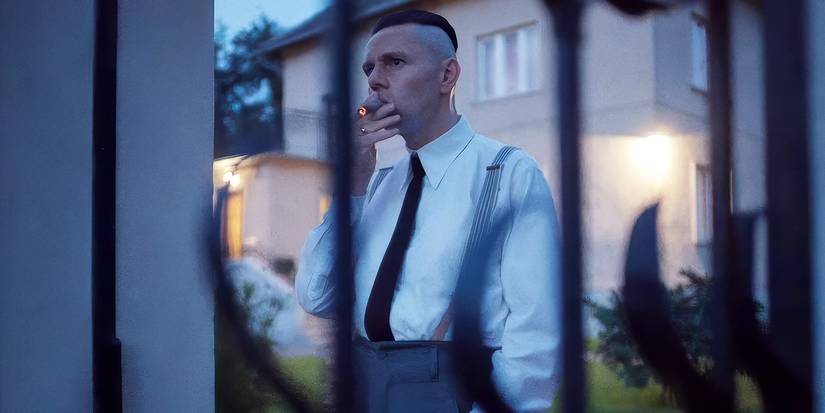 Image via A24
“You have to get used to it.” The Zone of Interest is one of the greatest movies ever made about the Holocaust, precisely because of what it doesn’t show. Instead of focusing on the prisoners, it follows the daily life of Auschwitz commandant Rudolf Höss (Christian Friedel) and his family in their comfortable home beside the camp. The horror exists just out of frame: it’s heard, implied, impossible to ignore, yet never directly depicted. This absence becomes the film’s central mechanism.
By focusing on the family’s routines, like gardening, dinners, and casual conversations, The Zone of Interest reveals something far more disturbing than spectacle ever could: the normalization of evil. Aesthetically, the use of sound here is among the most innovative in movie history. Gunshots, screams, trains arriving, furnaces operating, and distant cries fill the soundtrack, though the characters themselves are numb to it all.
’12 Angry Men’ (1957)
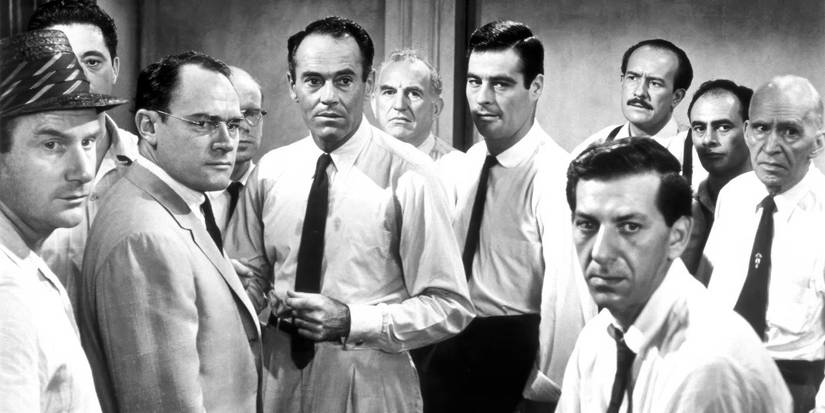
Image via United Artists
“It’s not easy to stand alone against the ridicule of others.” Almost 70 years on, this is still the best courtroom movie ever made. 12 Angry Men strips drama down to its purest form: twelve men in a room, deciding the fate of a boy accused of murder. At the start, the verdict seems obvious. Most jurors are ready to declare the boy guilty with minimal discussion. But one man (Henry Fonda) insists on examining the evidence more carefully, introducing doubt where there was once confidence.
What follows is a methodical unraveling of assumptions and faulty reasoning. Impressively, the film builds tension through language alone. Each piece of evidence is scrutinized, each argument challenged. Personal prejudices emerge, each character becoming a stand-in for a particular societal perspective. It’s suspenseful and engaging, and the message is urgent. At its core, 12 Angry Men believes in the power of dialogue, as well as people’s capacity to do that all too rare thing: change their minds.