While all banned books are worth reading, these eight provide unique perspectives and valuable insights into history and culture, making them must-reads. Book banning is nothing new, but it has become a more hot-button issue in the past few decades. Banned books have been deemed “infamous” and controversial by people in power and those who disagree with their messages. As such, many book challenges adopt a “think of the children” mentality, ignoring educational value and the realities of modern-day adolescence. It’s a form of control. Unfortunately, book banning often brings out the prejudices that plague society.
Books taken off the shelves frequently provide diverse perspectives of the world and different cultures. Some challenge the conventional narrative. Many provide insight into historical events and break down nationalism and separation, encouraging understanding of people from different walks of life. Don’t let book banners win. I encourage readers to pick up all banned books and use critical thinking to form their own opinions. These eight books are far from the only banned books that everyone should read, nor are they ranked. However, these eight have a lot to say, making them extremely valuable works of literature.
I want to give an honorable mention to Maus by Art Spiegelman, which is a phenomenal banned graphic novel that everyone should read.
8
The Color Purple by Alice Walker
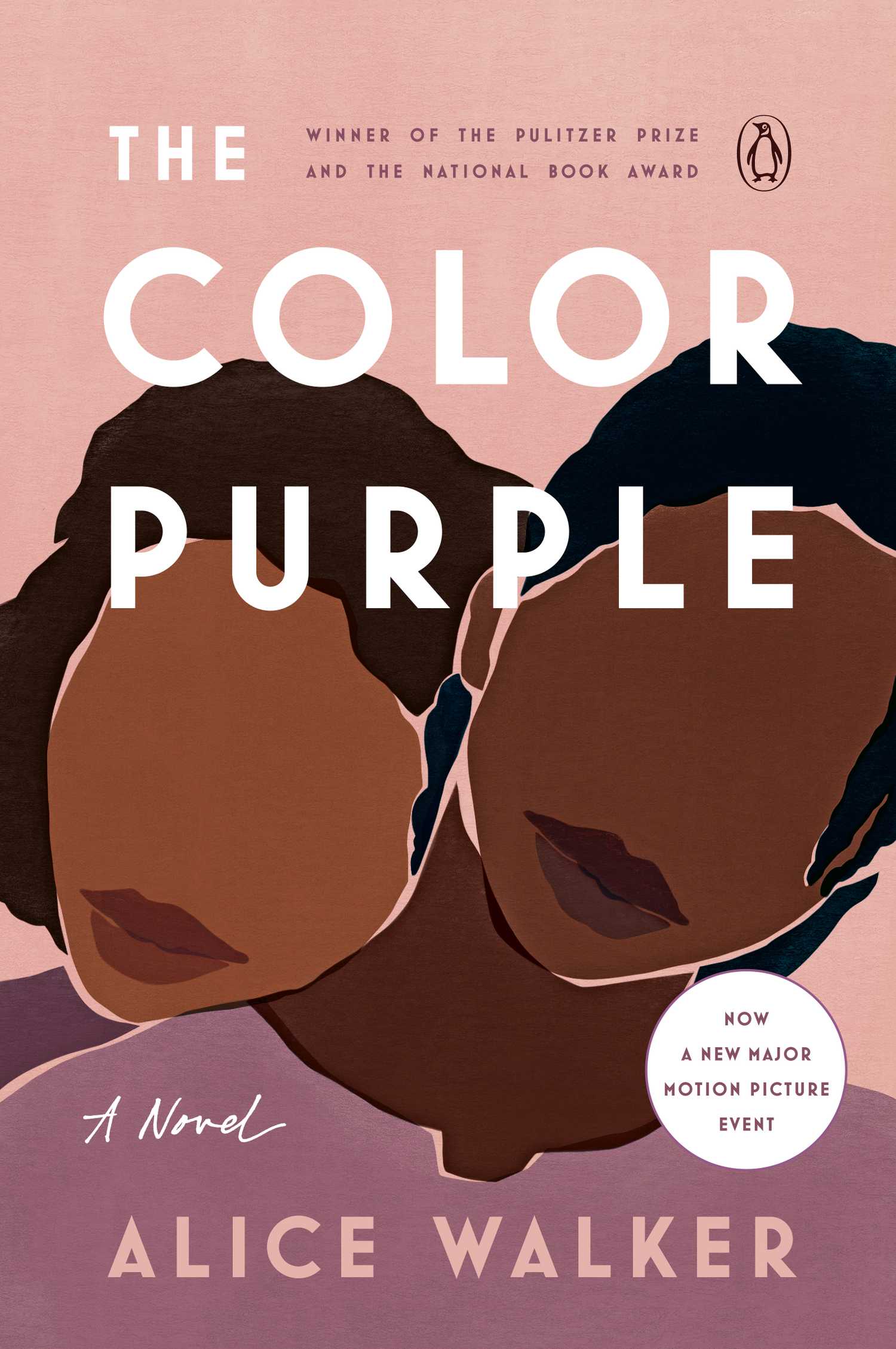
Alice Walker’s Pulitzer Prize winner The Color Purple is such a significant story that it has been adapted as two Oscar-nominated movies and a Tony-winning Broadway musical. However, the book is frequently banned in United States schools and prisons for numerous reasons, including the inclusion of sexual violence, abuse, and profanity. The context and social commentary are ignored. Plus, it has a loving lesbian relationship, making it a prime target for anti-LGBTQ+ folks.
Ultimately, there’s so much value in The Color Purple. The book is an empowering story about a poor Black woman named Celie who endures racism and abuse but finds a way to reclaim her power and voice. The book examines how race and gender intersect. The writing doesn’t sugarcoat the topics, trusting the reader to handle the darker parts of humanity. However, it also shows that community and love can foster healing.
7
Ulysses by James Joyce
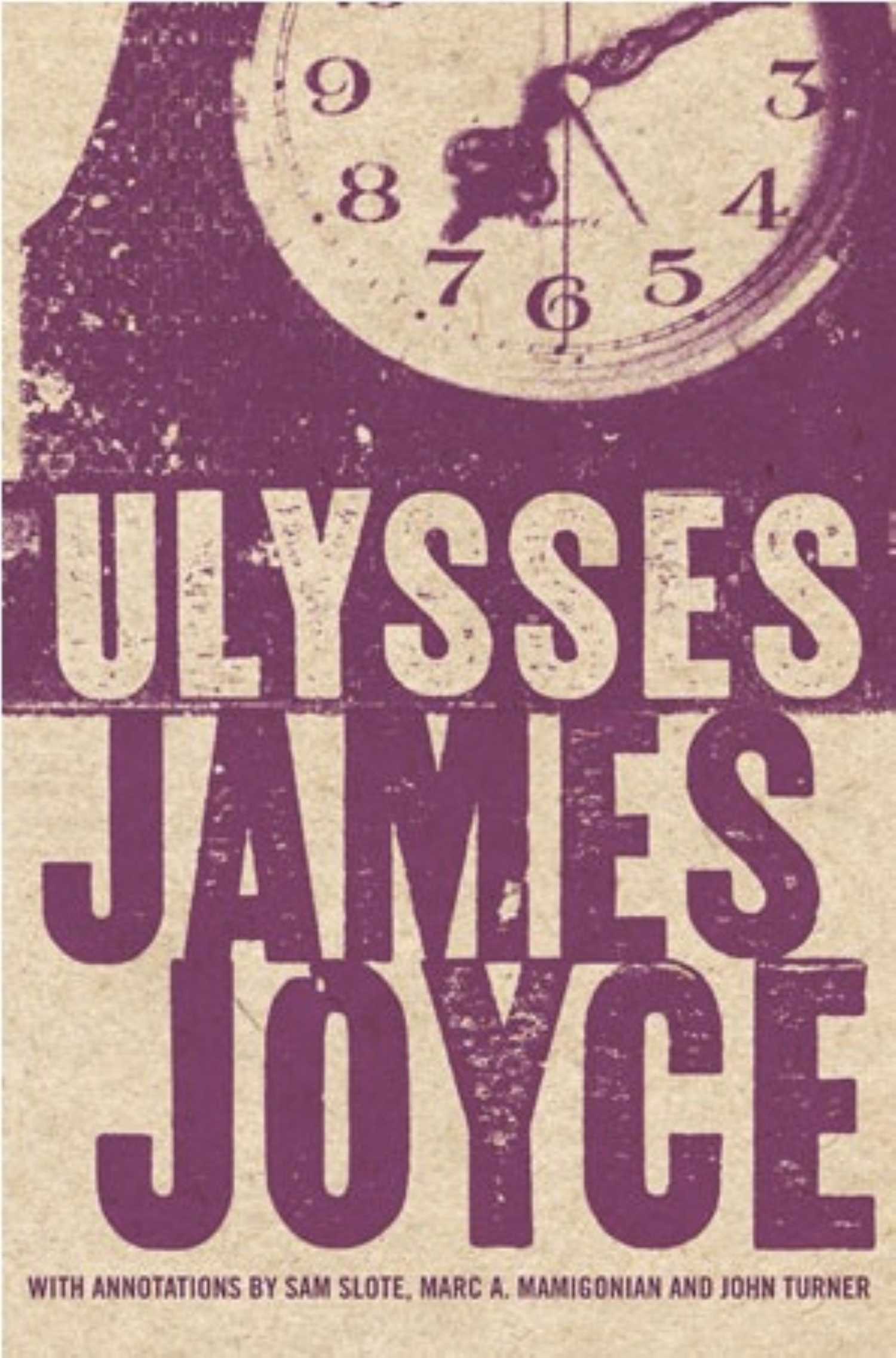
Most of the banned books on this list are being challenged and banned this decade. However, Ulysses is a unique book on this list. The James Joyce novel was banned for over a decade in multiple countries for “obscenity,” due to sexual content and bodily functions. However, the bans have been lifted, and it’s now considered a literary masterpiece that everyone should read.
The iconic book recontextualizes the Greek epic poem The Odyssey for a modern audience. Ulysses bounces between three main characters – Stephen Dedalus, Leopold Bloom, and Molly Bloom – as they live their lives on July 15, 1904, in Dublin. Rather than following a traditional format, each chapter has a different style, pioneering madcap writing. The story includes plenty of humor and whimsy to keep readers entertained while also delving into perennial human experiences.
6
I Am Malala by Malala Yousafzai
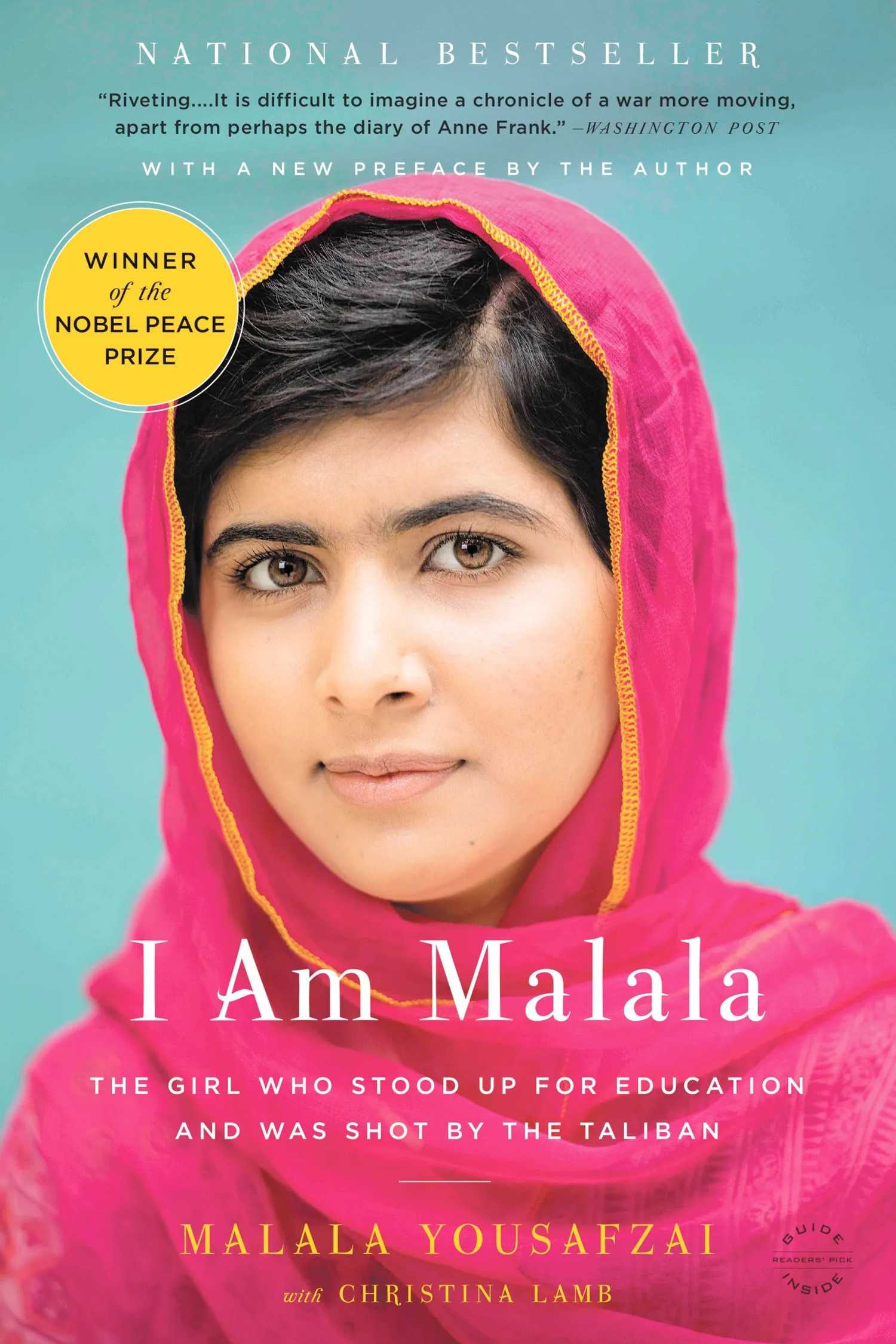
I Am Malala is a powerful memoir by Pakistani girls’ education and women’s rights activist Malala Yousafzai, the youngest-ever Nobel laureate. When she was a girl, Malala lived under the Taliban’s rule, where girls were banned from attending school. She fought to get an education, and she was nearly killed by a Taliban gunman who shot her on the school bus. I Am Malala explores her life before, during, and after this moment.
The book has been banned in numerous Pakistani schools for disrespecting Islam and challenging the country’s ideologies. On the flipside, it has been restricted in some U.S. school districts for discussing Islam and social justice. However, everyone should read this book as it shows the value of education, the power of standing up for what’s right, and the hope one person can bring to the world.
5
The Hitchhiker’s Guide to the Galaxy by Douglas Adams
Out of all the books on this list,The Hitchhiker’s Guide to the Galaxy will probably seem the weirdest from both a book banning and necessary reading perspective. The comedy sci-fi story centers on Arthur Dent, a human who is plucked from Earth by his alien friend Ford Prefect just before Earth is destroyed. They travel the galaxy as Ford writesThe Hitchhiker’s Guide to the Galaxy. There’s nothing overtly controversial about that premise, and the romances in the first book are straight. Why ban it?
The book features very minor instances of profanity and satire of dogmatic theology. It has been deemed “blasphemous.” Despite this, the book is a peak example of absurdist science fiction. The book is laugh-out-loud funny and offers insightful social commentary on the vastness of the universe, corporate greed, and the silliness of human institutions. As such, it’s as valuable as it is entertaining.
4
More Happy Than Not by Adam Silvera
The sci-fi coming-of-ageMore Happy Than Not centers on a gay Puerto Rican teenager named Aaron Soto who is contemplating going through a memory-erasing procedure to erase his sexuality…
This section continues with more details about other banned books…
[nospin]Here you can find the original article…