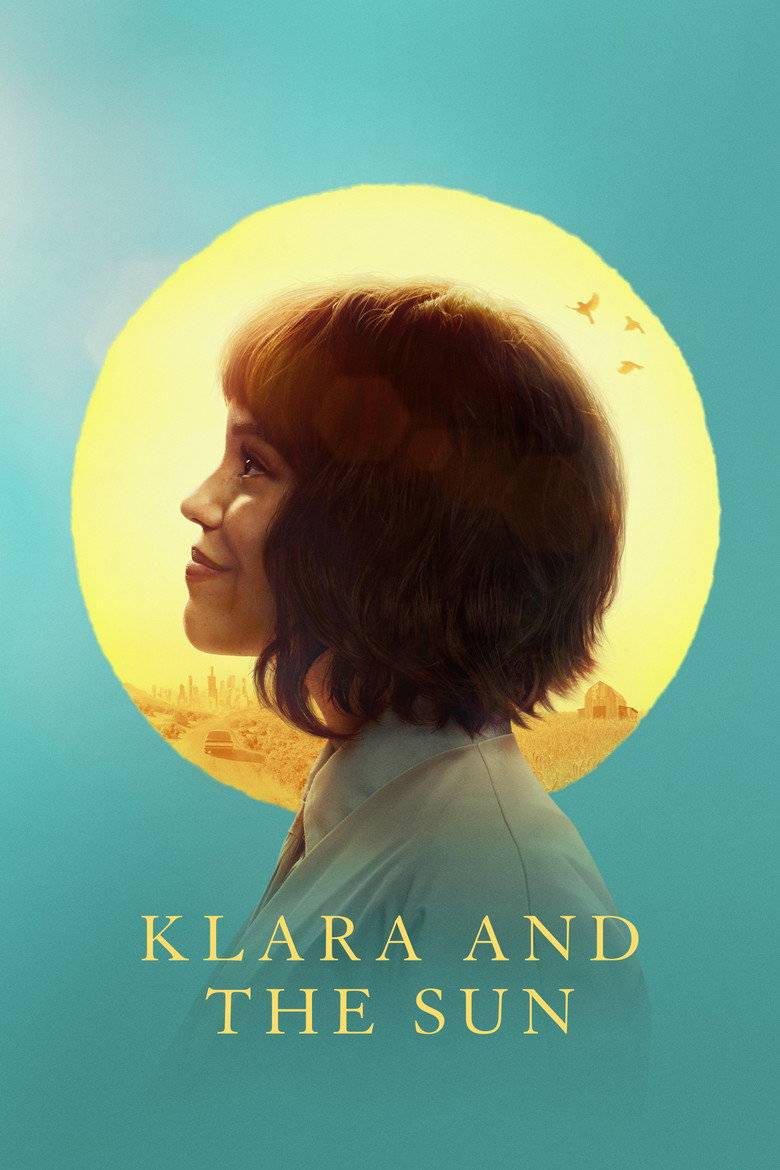
Taika Waititi has adapted Nobel Prize winner Kazuo Ishiguro’s novel <em>Klara and the Sun</em>, but the resulting film does not live up to the source material. When I first experienced Waititi as a director in 2017’s Thor: Ragnarok, I was thrilled by his ability to deliver grand set pieces and incorporate humor. Then, in 2019, Waititi’s Jojo Rabbit amazed me with its fascinating balance of deep, emotionally charged story beats and more intense, consequential storytelling.
Following these two films, I had high hopes for him as a filmmaker. Unfortunately, since then, I’ve struggled to find that same level of balance or nuance in his work. Despite my excitement about Waititi adapting the work of one of my favorite novelists, I’m disappointed to say that Klara and the Sun fails to capture the beauty of a carefully constructed dystopian tale, instead offering a ham-fisted sci-fi comedy with a hollow message.
Klara And The Sun Meanders Toward A Lackluster Ending
Klara and the Sun is told from the perspective of an aging robot, Klara (Jenna Ortega), who belongs to a discontinued line of hyper-emotional humanoid droids designed to be companions for lonely young people. As unusual as her purpose may be, Klara stands out as one of the oddest robots among her peers due to several quirks.
These quirks come to define her, paving the way for her adoption by a curious young woman named Josie (Mia Tharia), leading to a series of misadventures. This premise constitutes much of the story’s spine through most of the second act, before a series of thinly veiled secrets alter the dynamics and lead to what should be a heartwarming conclusion.
The truth is, Taika Waititi was not the right choice for this story.
Unfortunately, it isn’t a moving ending. The movie spends so much time playing into character quirks, unearned tensions, repaired relationships, and big twists that ultimately go nowhere, that the conclusion feels distinctly (and ironically) wooden.
The truth is, Taika Waititi was not the right choice for this story. While he managed to infuse humor and deliver genuinely funny moments, the emotional core of the film suffers from being filtered through his sensibility, making the resolution feel rushed and underdeveloped. Yet, despite all this, there are elements of this film that remain worthwhile.
Despite A Hollow Core, Klara And The Sun Has Its Bright Spots
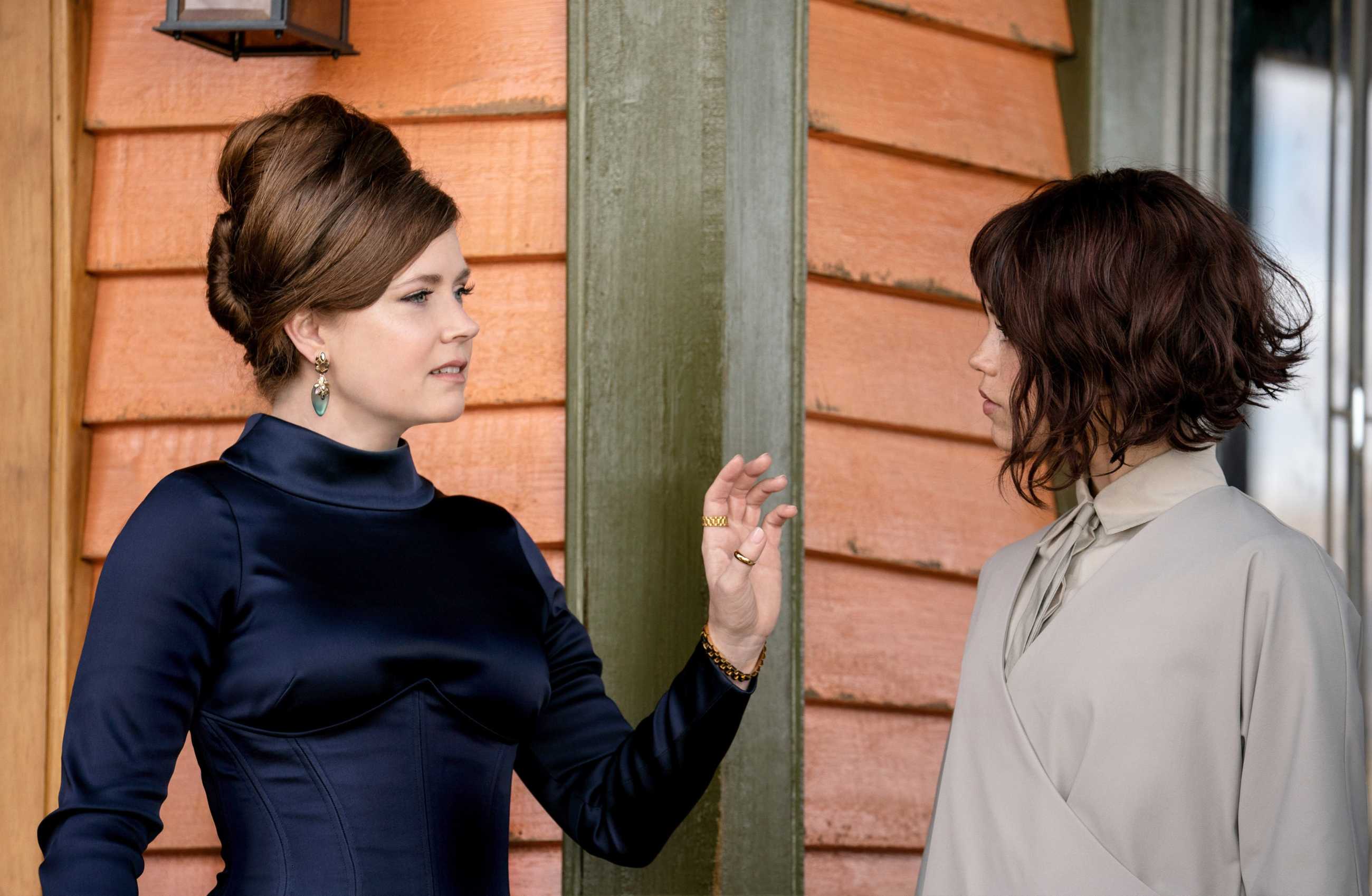
Firstly, enormous credit goes to Mia Tharia for her confident and charming portrayal of Josie. This character stands out as the most complex and important in the film, connecting everyone else together. Tharia showcases her skills as Josie navigates various emotional phases.
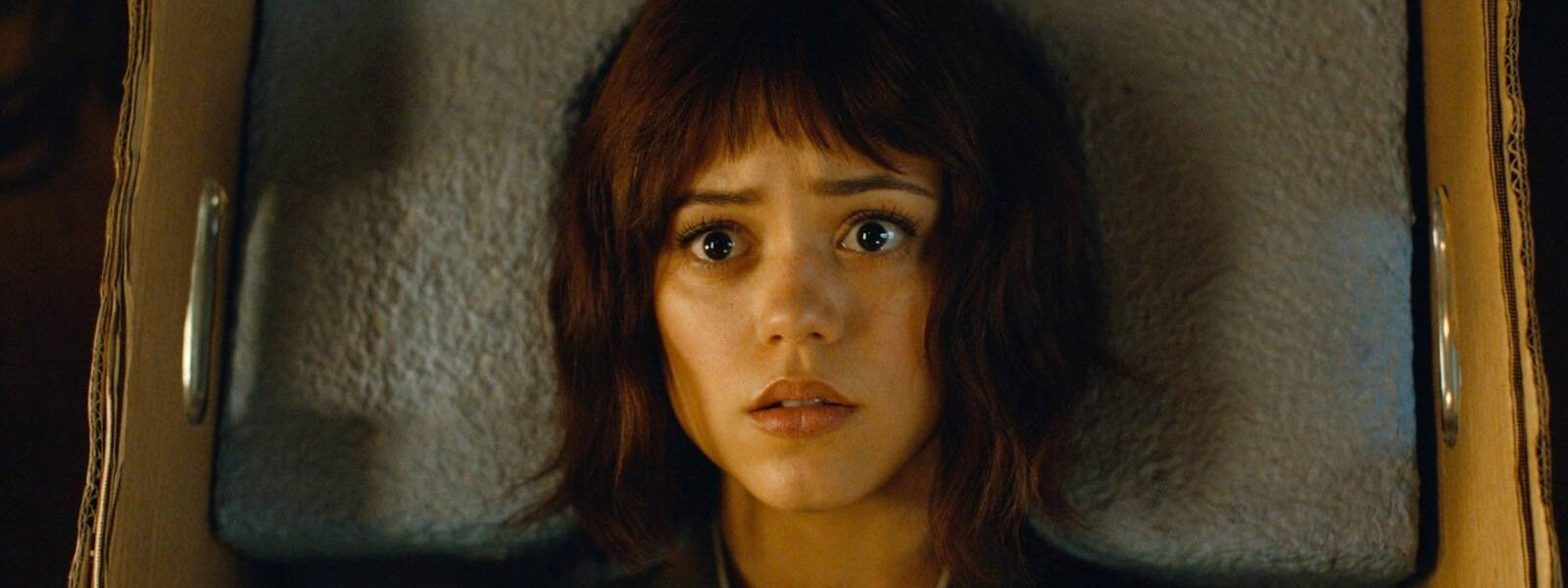
Next, Jenna Ortega delivers a solid performance despite a lacking screenplay. Her ability to express emotion while maintaining a robotic demeanor is impressive, making it unfortunate that the story isn’t coherent enough to fully utilize her talent.
Klara and the Sun suffers from a lack of depth.
Additionally, one of the most captivating elements of this film is its score, which combines electronic music with organic human voices in a way that perfectly sets the stage. Throughout the film, several needle drops enhance the audio experience significantly.
Finally, strong visual elements establish how Klara perceives the world and connect with themes of light and dark. The visuals carry significant weight alongside other highlighted positives here. However, Klara and the Sun suffers from a lack of depth. On the surface, it’s shiny and sounds good while featuring strong performances. Yet it lacks the heart necessary to come alive.
Klara and the Sun releases in theaters nationwide on Friday, October 23.