
What stands out in this Hunger Games movie ranking?
- Top-ranked film: Catching Fire leads the ranking for its escalating stakes, compelling characters and portrayal of rebellion.
- Lowest-ranked film: Mockingjay Part 1 ranks sixth because its slower pace and shift toward war make it feel less distinctive.
- Prequel stories: Sunrise on the Reaping and The Ballad of Songbirds and Snakes add context to Haymitch Abernathy and Coriolanus Snow.
- Franchise appeal: The films combine Panem’s worldbuilding with stories about power, oppression and resistance.


This ranking compares all six Hunger Games movies, from the original Panem story to The Hunger Games: Sunrise on the Reaping. It considers each film’s story, characters, worldbuilding and portrayal of rebellion, while reflecting one viewer’s opinions rather than a definitive critical consensus.
The Hunger Games franchise has continued beyond the end of its original main story, with prequels returning to Panem’s history. The films combine striking worldbuilding and poignant themes with familiar tropes and melodrama, so individual rankings are bound to vary. Here is one ranking of the entire film franchise.
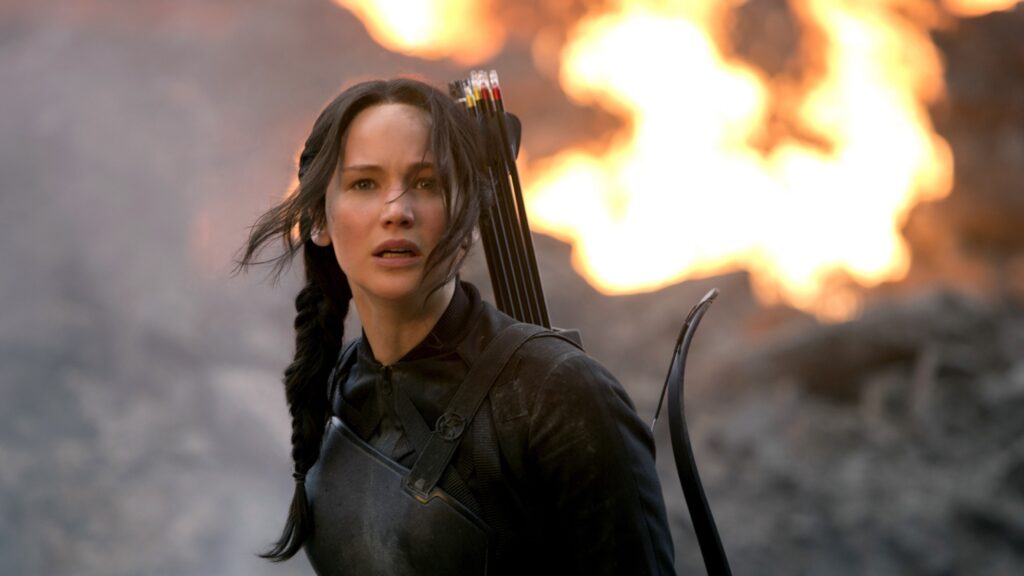
6. The Hunger Games: Mockingjay Part 1 (2014)
Mockingjay Part 1 ranks sixth because its shift from the arena to open conflict makes it feel unlike the earlier films. The story follows Katniss Everdeen as she becomes a symbol of the rebellion while the districts become a war zone.
Mockingjay Part 1 is the franchise’s first half of a two-part finale and contains no Hunger Games competition.
The divided finale follows a trend also associated with Harry Potter and Twilight: adapting a final book across two films. In this installment, the absence of the arena changes the story’s focus to war, and Peeta Mellark is brainwashed and turned against Katniss. Those choices make the film feel slower and tonally different from the other entries.
Opinion: The slower pacing and dramatic shift make this the entry I am most likely to skip.

5. The Hunger Games: Mockingjay Part 2 (2015)
Mockingjay Part 2 ranks fifth because it gives the story a clearer goal: ending the rule of President Snow and the Capitol. The finale shows the rebellion succeed and Snow’s world collapse.
Mockingjay Part 2 concludes the rebellion storyline but shifts the franchise toward post-apocalyptic war.
The film offers a more focused follow-up, with the rebellion’s victory providing a satisfying conclusion to the conflict with Snow. At the same time, its focus on war moves away from the arena-based premise that distinguishes the earlier films. Gale Hawthorne and Katniss also take a different direction, while Katniss and Peeta’s relationship remains a point of debate among viewers.
Opinion: I find the conclusion satisfying, though the shift away from the Games and Gale’s characterization keep it below the stronger entries.

4. The Hunger Games (2012)
The Hunger Games ranks fourth as an effective introduction to Panem, Katniss Everdeen and the deadly competition at the center of the series. The story establishes the stakes through the games, where two children from each of the 12 districts are selected to fight to the death.
The Hunger Games introduces the franchise’s arena competition and its central heroine, Katniss Everdeen.
Jennifer Lawrence makes Katniss easy to root for, and the competition delivers dramatic and intriguing moments. Director Gary Ross handles the smaller scenes effectively, though the larger-scale action is less successful than in later films directed by Francis Lawrence.
Opinion: The film’s introduction to Panem and its focused character moments make it a strong foundation for the franchise.

3. The Hunger Games: The Ballad of Snakes and Songbirds (2023)
The Ballad of Songbirds and Snakes ranks third for its focus on the young Coriolanus Snow and the origins of his rise to power. Set during the 10th annual Hunger Games, the prequel follows Snow as he mentors eventual winner Lucy Gray Baird.
The Ballad of Songbirds and Snakes is a prequel centered on Snow’s early life and mentorship of Lucy Gray Baird.
Snow’s story takes priority over the contestants and the Games themselves, making the film more of a character-focused account of his ascent than a conventional arena story. His portrayal makes him sympathetic at first, which heightens the contrast with the person he becomes. Tom Blyth plays Snow, while the musical elements provide a tonal contrast with the film’s darker material.
Opinion: The prequel brought me back to the franchise, though I find the singing less compatible with its darker tone.

2. The Hunger Games: Sunrise on the Reaping (2026)
Sunrise on the Reaping ranks second by revisiting Haymitch Abernathy during the 50th Hunger Games, which features twice the usual number of tributes. The prequel gives context to Haymitch’s later behavior and his role in the rebellion.
Sunrise on the Reaping connects Haymitch’s experience in the 50th Games to his later place in the franchise.
Haymitch has often appeared as a drunk in the other films, while this story shows the events that shaped him. His difficult circumstances recast him as a tragic and important figure in the rebellion. The film follows the book’s account of Haymitch’s story, though its ending also includes fan service.
Opinion: I consider the book the franchise’s best, so the adaptation left me slightly disappointed, particularly because of its fan service near the end.
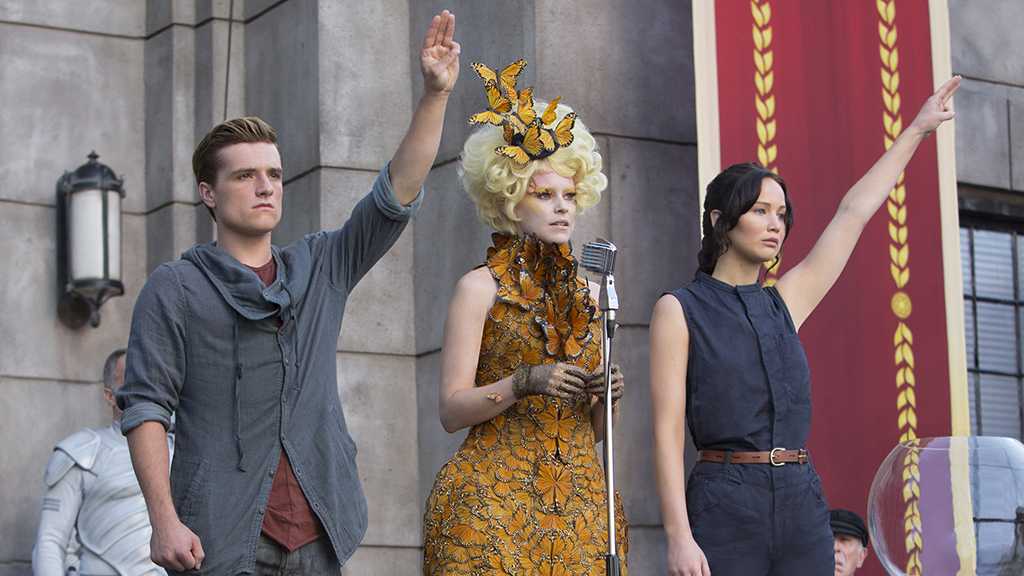
1. The Hunger Games: Catching Fire (2013)
Catching Fire ranks first because it raises the stakes while bringing together the franchise’s worldbuilding, characters and struggle for power. The story follows the unrest that grows after Katniss and Peeta win the Games.
Catching Fire makes the 75th Hunger Games, featuring returning victors, a turning point in the rebellion.
The anniversary competition intensifies the conflict and helps set the rebellion in motion. The film’s visual presentation, including the changing aspect ratio during the Games, underscores the scale of the story. Its focus on resistance to oppression also gives the franchise’s power struggle a hopeful dimension.
Opinion: The aspect ratio opening up during the Games remains an especially memorable moment for me, and the film best captures what the franchise can do.
What is your ranking of the Hunger Games movies? Which film do you consider underrated or overrated? Share your choices in the comments below.
What do viewers ask about the Hunger Games movies?
Which Hunger Games movie ranks first in this list? Catching Fire ranks first because it combines rising stakes, returning victors and the beginning of the rebellion.
Which Hunger Games movie ranks last in this list? Mockingjay Part 1 ranks sixth because its war-focused story and slower pacing make it feel less distinctive to the writer.
What is Sunrise on the Reaping about? Sunrise on the Reaping follows Haymitch Abernathy during the 50th Hunger Games and offers context for his later role in the rebellion.
What is The Ballad of Songbirds and Snakes about? The Ballad of Songbirds and Snakes follows young Coriolanus Snow as he mentors Lucy Gray Baird during the 10th Hunger Games.
The post Every Hunger Games Movie Ranked, Including Sunrise on the Reaping appeared first on JoBlo.