Since its controversial conclusion in 2019, Game of Thrones has been used as one of the prime examples of the trend of multimedia adaptations being of lesser quality than their source material. However, despite some major problems with the final seasons of the blockbuster fantasy series that are hard to deny, one of the middle seasons is, for the most part, stronger than some viewers remember or are willing to admit. By Season 6, most of the source material from the completed entries in George R.R. Martin’s A Song of Ice and Fire series had been exhausted. While Martin provided the series’ creators David Benioff and D.B. Weiss with some crucial aspects of his plans for the still unreleased final novels, it was largely up to them to continue the show as they saw fit. Without the guidance of the books, the endings provided by Seasons 7 and 8 became uneven; however, the first full post-book season is one of the series’ most exhilarating and perhaps its best.
‘Game of Thrones’ Season 6 Made Necessary Cuts to the Cast
An earlier decision that Season 6 continued to benefit from was the creators’ choice to keep the cast a bit smaller than it is in the books. Both the written and filmed versions of Martin’s world are incredibly expansive, but the former became even more so during the most recent novels in the series, A Feast for Crows and A Dance With Dragons, which each introduced a host of new characters and storylines to the already sprawling narrative. After adhering fairly closely to the written canon of the first three novels throughout the first four seasons, the show began to diverge onto its own path in Season 5 by excluding a number of these additions and reducing the significance of others.
02
What is the source of your power?
<Every house endures because of something. What is it for yours?
<
<
<
<
03
<Who do you truly fight for?
<Strip away the banners and the words. The honest answer tells you everything.
<
<
Although these choices remain divisive with passionate fans of both books and shows alike and likely contributed in at least some ways to later problems within this series as well as its overall reception among viewers; however; they paid off in Season 6. While complexities surrounding world-building plots are huge parts appealing both books & shows alike; additions from both Feast & Dance complicated things so much that stories surrounding longer-running central characters arguably lost some momentum — many fans suspect increased scale is one major reason why Martin has yet completed final volumes. Reducing complexity surrounding storylines centered around Dorne & Iron Islands while excluding character Young Griff introduced Dance raised possibility he could be long-lost relative Daenerys Targaryen (Emilia Clarke) thus potentially heir Iron Throne allowed Season maintain tighter focus main cast conclude stories supporting players.
Both books shows famous willingness kill off major characters; however none deaths featured Season dramatically impactful like death Ned Stark (Sean Bean) or Tywin Lannister (Charles Dance) earlier seasons; nevertheless sixth installment does have particularly high body count many important supporting characters meeting their fates detractors likely argue this reduced intricacy series plotting true extent but also allowed significant forward progress made more central storylines much more so recent novels.
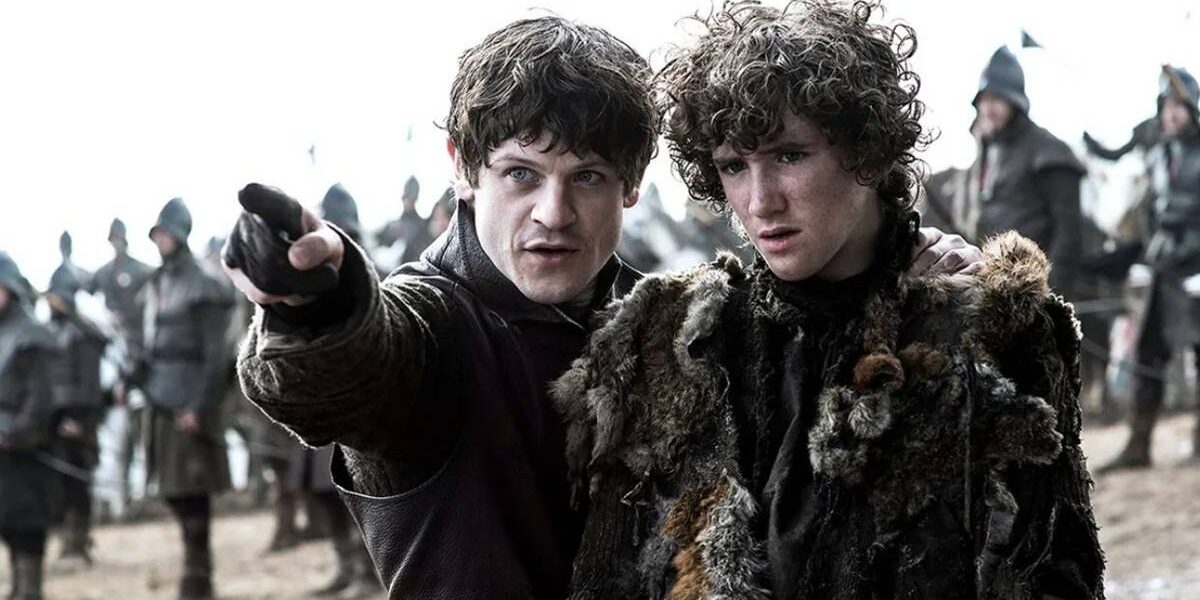
Most Season deaths contribute story arcs main characters crucial ways example Ramsay Bolton’s (Iwan Rheon) murder father Roose (Michael McElhatton) sets former up ultimate tyrannical ruler North before own defeat hands Sansa Stark (Sophie Turner) Jon Snow (Kit Harington) earns latter pair family’s home region back which turn allows them shift focus inevitable battle undead White Walkers likewise Cersei Lannister (Lena Headey) assassinating several enemies including High Sparrow (Jonathan Pryce) Margaery Tyrell (Natalie Dormer) bombing Sept Baelor cements her series main human antagonist role would occupy until Daenerys heel turn final episodes tragic death Hodor (Kristian Nairn) reveals full extent Bran Stark’s (Isaac Hempstead Wright) supernatural powers.

[nospin]Here you can find the original article; the photos and images used in our article also come from this source. We are not their authors; they have been used solely for informational purposes with proper attribution to their original source.[/nospin]