HBO Max‘s new reigning most-watched series demonstrates how the popular binge model for streaming shows is actually flawed. HBO Max’s lineup of TV shows ranks among the very best across all streaming platforms. From HBO originals to HBO Max releases, the platform features projects like House of the Dragon, Hacks, The Last of Us, And Just Like That…, Peacemaker, Task, and many more.
However, HBO Max does not frequently adopt the binge release model. While the streamer has released all episodes of some shows simultaneously in the past, such as animated series like Close Enough and Infinity Train, most of HBO Max’s shows prefer a weekly release format.
Although this is standard for traditional television, streaming services like Netflix have made the binge model the default in many viewers’ minds. Global hits such as Stranger Things, Squid Game, Wednesday, You, and others have followed this model and achieved success. However, if a show does not quickly respond in viewership, its chances of cancellation increase, which is a known trend for Netflix.
Higheror Lower?
Choose the movie with the higher Rotten Tomatoes score.
Easy
Medium
Hard
Sign in to claim your place on the leaderboard!
This is why HBO Max’s weekly release format warrants closer examination by streaming services, with numerous examples illustrating its effectiveness. Chief among them is HBO Max’s new #1 series, DC’s <em>Lanterns</em>, which has continued to grow throughout its first season, providing a valuable lesson for other streaming shows.
Lanterns Became A Huge Hit Through Its Weekly Release & Streamers Should Take Note
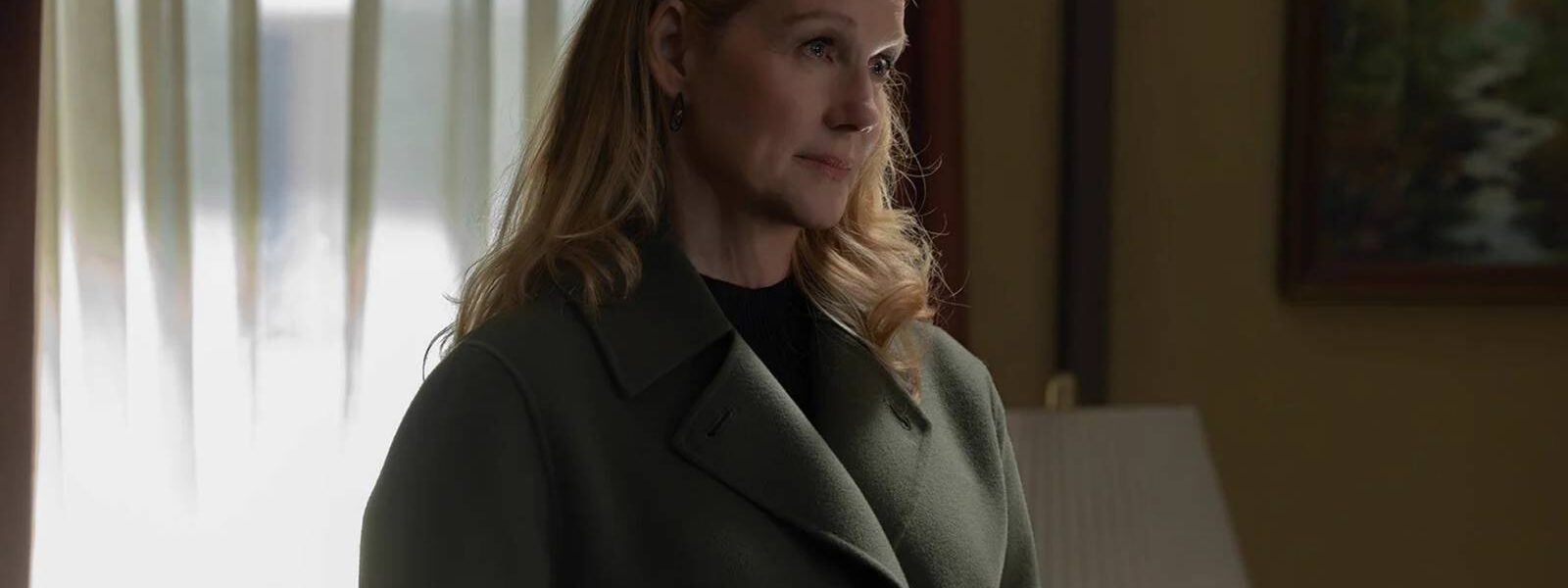
Lanterns is the latest addition to James Gunn’s DC Universe, with Clayface set to appear on October 23. The weekly release format has proven ideal for Lanterns, allowing it to grow into a global hit. After its debut on August 16, the season 1 finale aired on October 4. Following this 8-week period designed to attract as many viewers as possible, Lanterns remains the #1 HBO Max TV show worldwide and in the United States, according to data from FlixPatrol. Would the show have achieved such success with a binge release?
Lanterns carried significant expectations as it marked the first live-action Green Lantern project since the 2011 film starring Ryan Reynolds, which was poorly received. Consequently, from its inception, this sci-fi detective series faced challenges due to the character’s previous live-action history. With an engaging mystery at its core—revealing Hal Jordan’s death at the end of the premiere—the show crafted a narrative that kept fans engaged and generating theories each week. Had season 1 been released all at once, discussions would likely have faded more quickly.
In concrete terms, the premiere of season 1 of Lanterns attracted 9.3 million viewers worldwide within its first three days, according to official HBO and HBO Max data (via The Hollywood Reporter). According to reports from Deadline, the season 1 finale reached 10.5 million viewers globally in its initial three days, marking the highest total for the series in that timeframe. Furthermore, earlier episodes of Lanterns have continued to increase in viewership, with HBO confirming that the premiere is approaching a remarkable milestone of 30 million global viewers. For eight weeks, social media buzzed with memes, theories, and debates surrounding it.
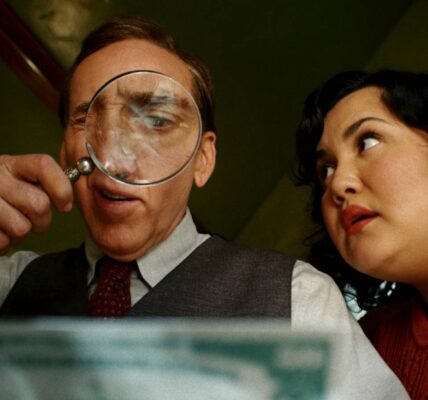
If DC’s new series had released all episodes simultaneously on HBO Max, it might have faced a fate similar to Nicolas Cage’s series, Spider-Noir. That Sony Marvel series on Prime Video became an instant global sensation with an impressive 92% critics’ score on Rotten Tomatoes and a remarkable 90% audience score. However, despite its success, it was canceled after just one season due to lacking longevity compared to Prime Video shows like Off Campus and Reacher. In contrast, as evidenced by its early development for season 2, strong viewer retention has been demonstrated by<em>Lanterns </em>. This illustrates how the binge model may be fundamentally flawed.