

Pretty much all fiction books require a strong sense of setting and atmosphere, but true worldbuilding is particularly important for speculative fiction—science fiction included. Whether these are stories about space exploration, futuristic societies with hyper-advanced technology, or parallel worlds full of cutting-edge technological concepts, worldbuilding is essential to a sci-fi book being genuinely great.
Thankfully for all those who prefer sci-fi books that feel fresh and unique, there are virtually infinite ways to build a compelling, immersive world for a science fiction story. Ten books throughout history, though, have achieved this particularly well, going down as some of the greatest works that the genre has ever seen. Whether it’s a foundational classic like Dune or a modern sci-fi revolution like House of Suns, the sci-fi books with the best worldbuilding are all an absolute masterclass in how to get this vital dimension of the genre exactly right.
10
‘House of Suns’ (2008)
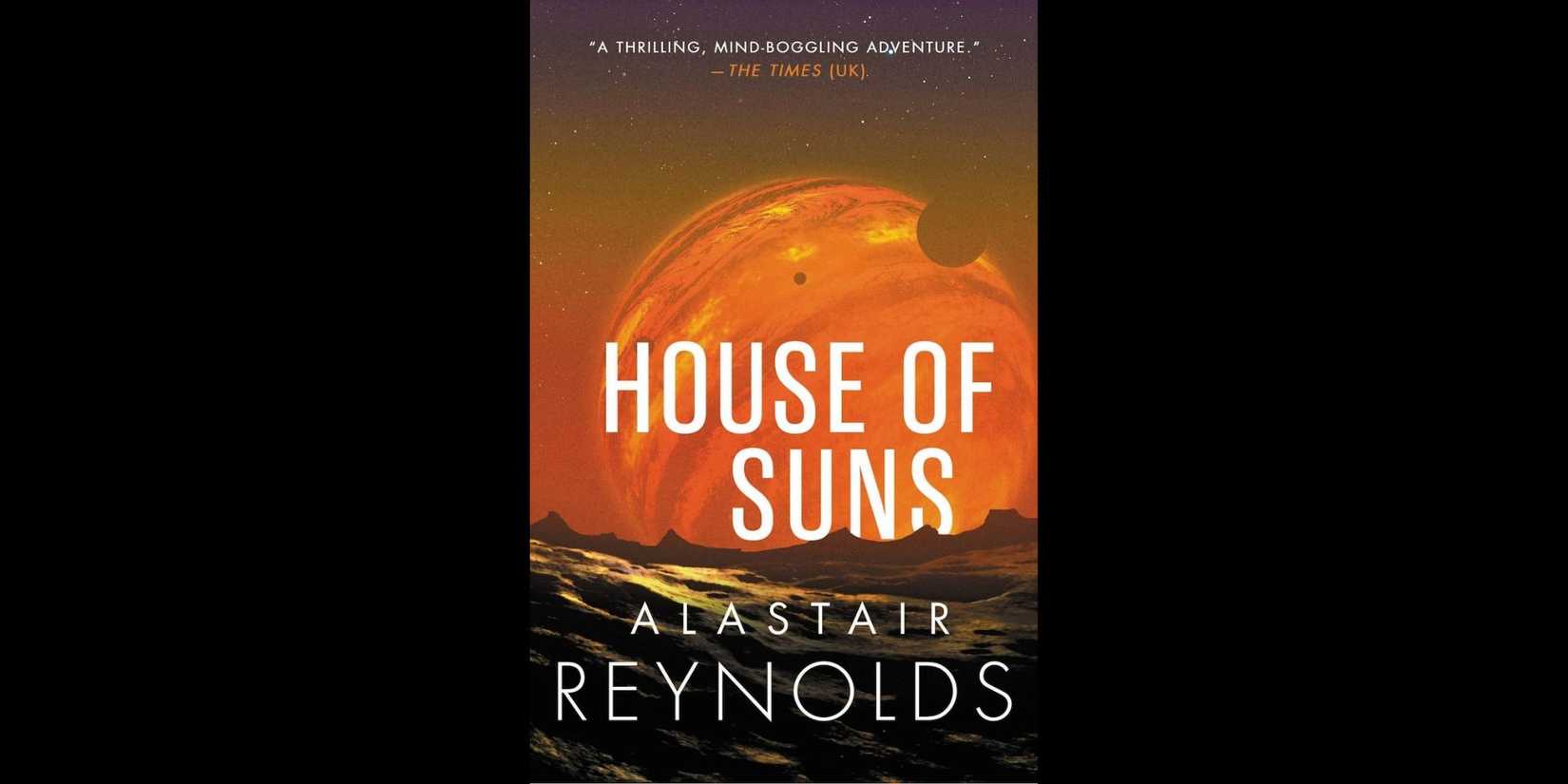
Image via Orbit Books
There are some sci-fi literature fans who prefer more grounded stories, but anyone who loves a great space opera ought to check out the work of Alastair Reynolds. This Welsh author is both a leading figure in modern hard sci-fi and one of the main architects of the New Space Opera literary movement that redefined the subgenre between the ’80s and 2000s. As far as worldbuilding in particular goes, his work doesn’t get much more essential than House of Suns.
It’s a thrilling, impressively expansive, and incredibly well-written space opera that still feels unlike anything else the genre had ever offered before. The sheer scope of the worldbuilding of a book whose narrative spans millions of years would already be impressive enough on paper. On top of that, Reynolds applies a level of scientific rigor that only a master of hard sci-fi like him could have mastered quite like this. Atmospheric, enveloping, and mysterious, the world of House of Suns is abundantly easy to get lost in.
9
‘Snow Crash’ (1992)
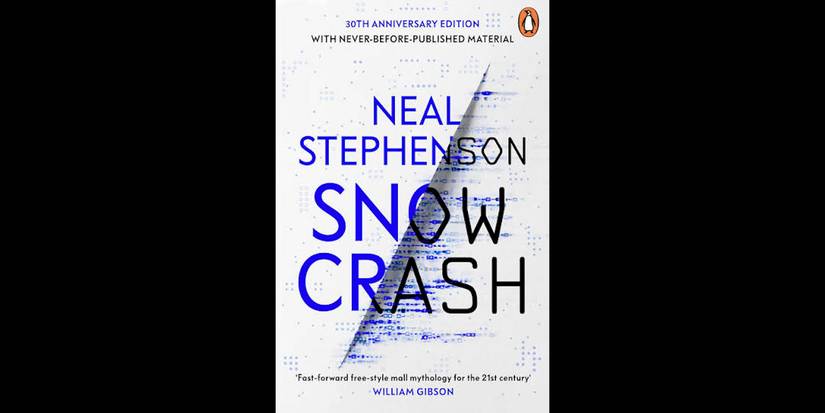
Image via Viking
Neal Stephenson is another groundbreaking author who any sci-fi fan who loves scientific rigor should easily fall in love with. A perfect entry point to Stephenson’s oeuvre is the novel that most fans tend to consider his magnum opus: Snow Crash, one of those sci-fi book masterpieces that became the blueprint for several branches of the genre going forward.
This fascinatingly complex masterpiece, touching on topics like history, linguistics, politics, and philosophy, coined the term “Metaverse.” Indeed, much of the worldbuilding in Snow Crash feels surprisingly prophetic nowadays, and only adds to its gripping entertainment value. Aside from how potently predictive it feels in retrospect, Snow Crash is so impeccably researched that the corporate dystopia it depicts feels as believable as it does emotionally and intellectually compelling.
8
‘Children of Time’ (2015)
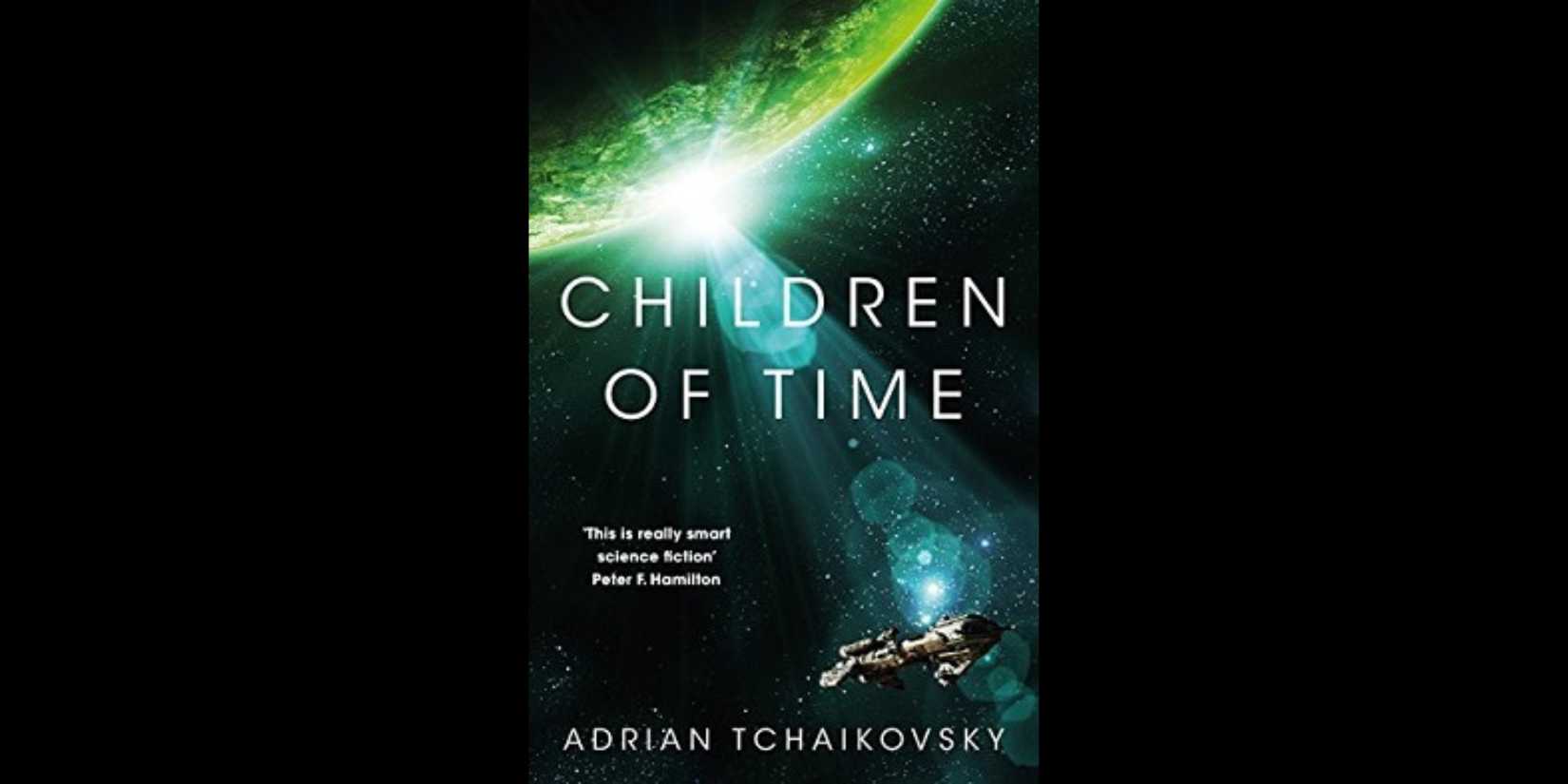 Image via Tor UK
Adrian Tchaikovsky only started writing novels in the late 2000s, but already he has become one of the most widely celebrated voices in modern science fiction, particularly praised for his intricate worldbuilding. One of the best places to start exploring the author’s bibliography is the hugely acclaimed Children of Time series, whose eponymous opening novel is arguably the best of the bunch.
Children of Time made its way to an Arthur C. Clarke Award for Best Science Fiction Novel, which speaks particularly highly about the novel’s incredible worldbuilding. Whereas many space opera authors end up crafting civilizations that at times feel a little too human, Tchaikovsky convincingly creates an entire alien civilization from the ground up across millennia. Strongly scientific and radically unique, it’s worldbuilding that all space opera authors should see as a gold standard for the subgenre.
7
‘Hyperion’ (1989)
…
…
…
…
…
…
…
…
…
…
…
…
…
…
…
…
…
…
…
…
…
…
…
…
…








