What stands out in this Star Wars ranking?
- Franchise legacy: Star Wars reshaped blockbuster filmmaking and established the appeal of a connected film saga.
- Lowest-ranked films: The Rise of Skywalker, The Clone Wars, and The Mandalorian and Grogu occupy positions 13, 12, and 11 in this ranking.
- Prequel strengths: The prequel trilogy pairs divisive character writing with political themes and, in Revenge of the Sith, Anakin’s fall to Darth Vader.
- Standout entries: The Force Awakens, The Last Jedi, and Rogue One are discussed for their distinct approaches to characters, visual style, and story.
This ranking examines selected Star Wars movies and explains the strengths and weaknesses behind each placement. It also considers how the franchise, created by George Lucas, changed Hollywood filmmaking and built a lasting cinematic mythology.
Star Wars is one of the most influential film franchises of all time, and it has continued for half a century. As an independent production based on Lucas’s original ideas, the first film drew on a range of influences to create a distinctive mythology. Star Wars changed Hollywood’s approach to visual effects and helped establish the modern franchise model: if Jaws helped define the summer blockbuster, Star Wars showed how satisfying a great trilogy could be.
The history of the Star Wars series has been uneven, with several divisive entries, though the films have generally performed well at the box office. The upcoming film Star Wars: Starfighter is expected to arrive next year, as the franchise marks 50 years since the original classic.
13
‘Star Wars: The Rise of Skywalker’ (2019)
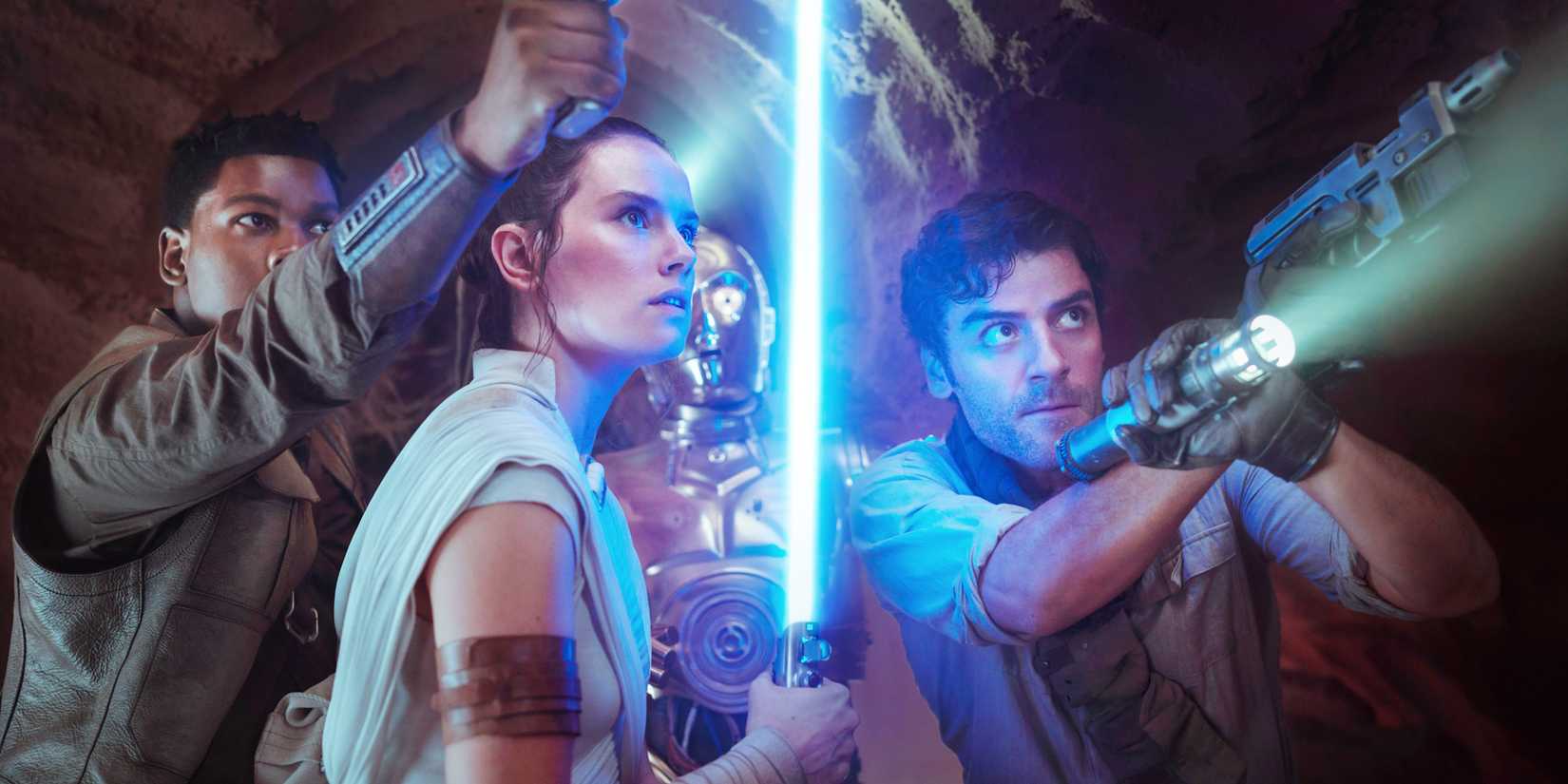 Image via Lucasfilm
Star Wars: The Rise of Skywalker is a deeply unsatisfying conclusion to a trilogy and to the broader Skywalker Saga. The film replaces more complex ideas about the Force with escalating displays of power, revises Rey’s backstory, and appears to kill Chewbacca before revealing that he survived, a turn that weakens the scene’s impact. Daisy Ridley plays Rey, while Peter Mayhew is associated with Chewbacca.
The film’s structure and pacing are uneven: the search for the wayfinder ultimately feels inconsequential, while many scenes on new planets end soon after they begin. The story comes across as a series of compromises, and Star Wars then went seven years without a theatrical release.
12
‘Star Wars: The Clone Wars’ (2008)
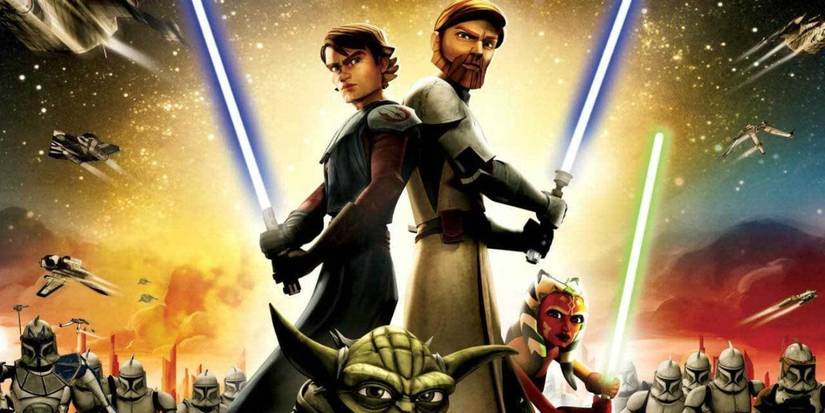 Image via Lucasfilm
Star Wars: The Clone Wars is difficult to assess alongside the other Star Wars films because it began as four episodes of the Cartoon Network series of the same name. George Lucas later turned the project into a theatrical feature, requiring Dave Filoni and the animators to expand the series premiere into a movie. The limited animation, episodic storytelling, and broad character portrayals reflect that origin; judging a television series by its opening episodes alone would pose a similar limitation.
The film’s most notable weakness is its introduction of Ahsoka Tano, voiced by Ashley Eckstein. The character receives much stronger development over the television series and became a fan favorite.
11
‘Star Wars: The Mandalorian and Grogu’ (2026)
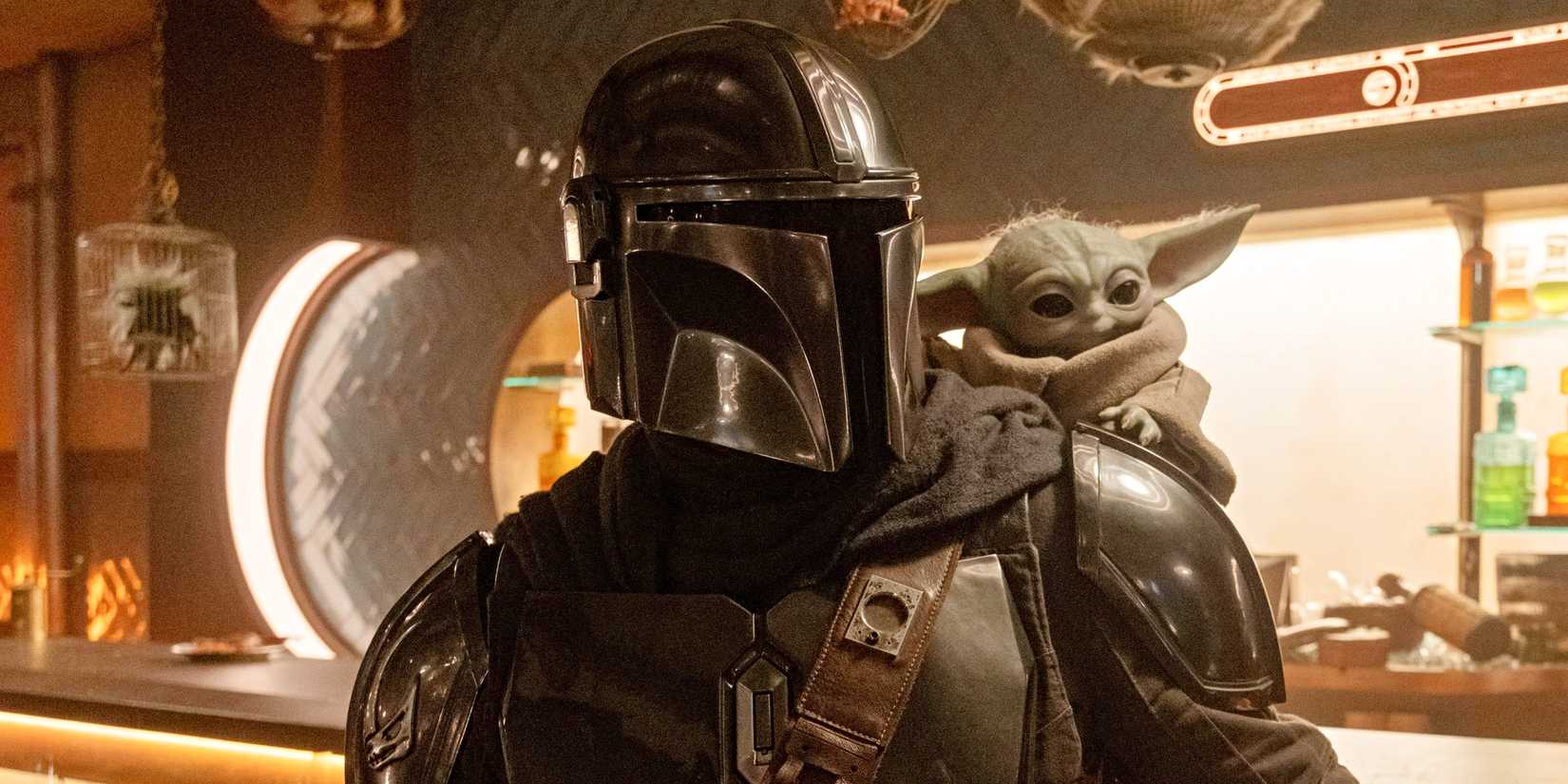 Image via Lucasfilm
Star Wars: The Mandalorian and Grogu is an entertaining adventure with a strong emotional finish for its two leads, but it does not fully reestablish the franchise as a big-screen event. Much of the movie feels like an extended episode of The Mandalorian.
The film offers limited worldbuilding, forgettable villains, and little exploration of the galaxy’s fractured politics or Mandalorian culture. Its back-to-basics approach keeps the stakes relatively familiar, though Jon Favreau delivers an engaging spectacle.
10
‘Star Wars: Episode I- The Phantom Menace’ (1999)
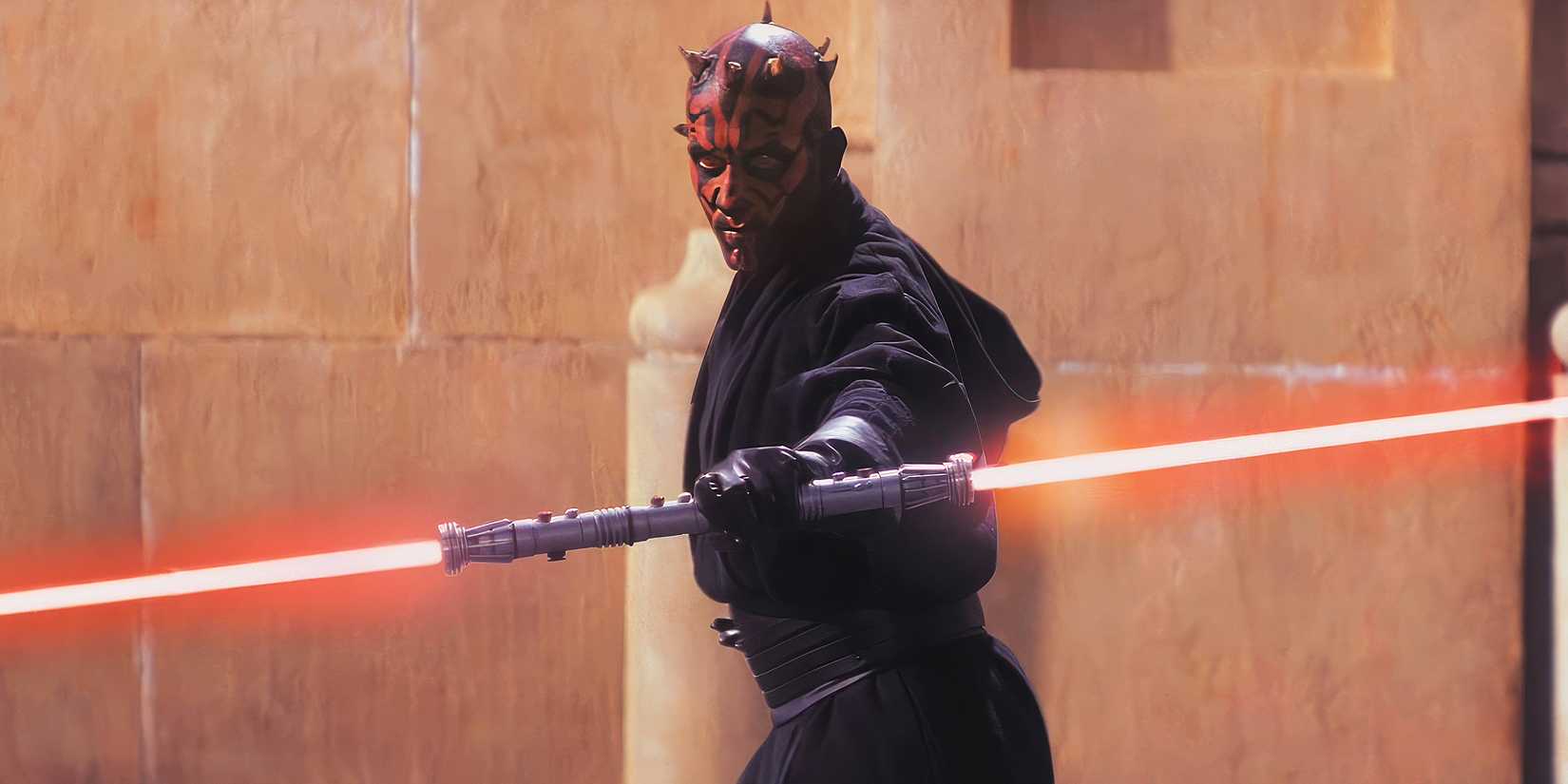
Image via Lucasfilm Ltd
Star Wars: Episode I – The Phantom Menace remains one of the saga’s most debated films, with its strengths and flaws still apparent. Its visual design supports two memorable set pieces: the Boonta Eve Classic podrace and the lightsaber duel on Naboo. Its ideas about political power have also gained resonance over time.
The film lacks a clear central character. Qui-Gon Jinn (Liam Neeson) rarely shows vulnerability, Obi-Wan Kenobi (Ewan McGregor) is sidelined for much of the story, and Padmé Amidala (Natalie Portman) is caught in an awkward twist. The script also gives young Jake Lloyd little room to succeed as Anakin Skywalker.
9
‘Star Wars: Episode II- Attack of the Clones’ (2002)
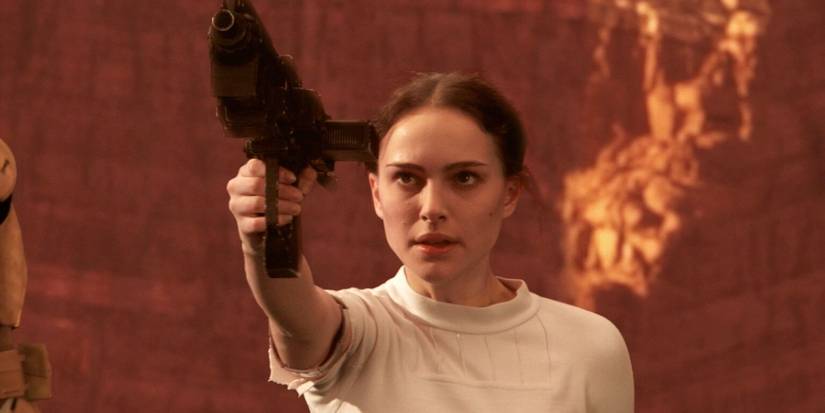 Image via Lucasfilm
Star Wars: Episode II – Attack of the Clones is an underrated entry because some criticisms overlook Lucas’s political aims. The melodramatic romance between Padmé and Anakin (Hayden Christensen) evokes Shakespearean tragedy while showing how young love can be manipulated by a fascist system hiding in plain sight.
George Lucas uses the film’s apparent lack of clear stakes to make a political point: both the Clone Army and the Separatists are manipulated to generate casualties and destroy the Jedi and the Republic. The film nevertheless has some of the franchise’s weakest dialogue, and its first act moves slowly.
8
‘Rogue One: A Star Wars Story’ (2016)
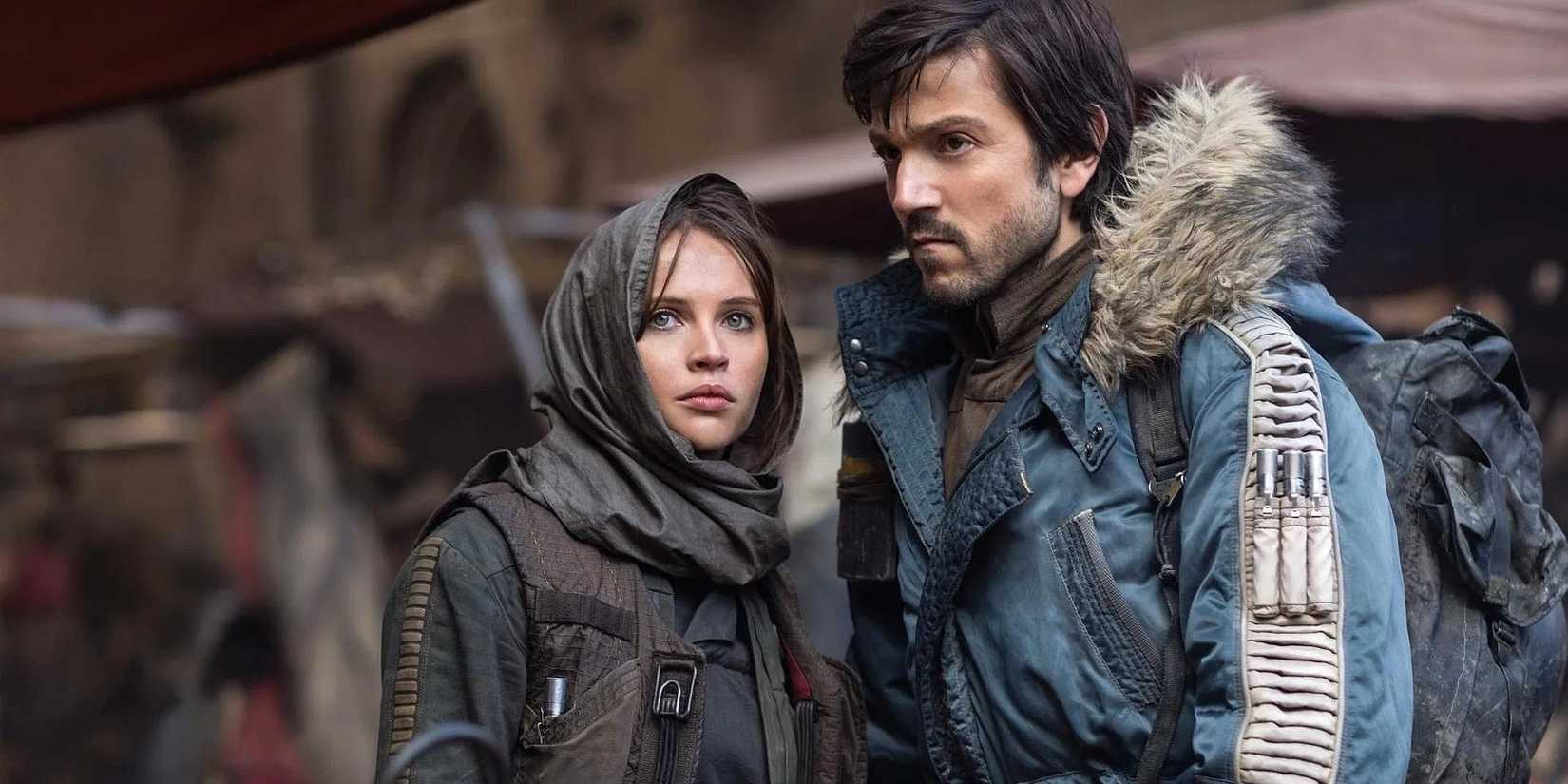 Image via Walt Disney Studios Motion Pictures
Rogue One: A Star Wars Story starts with a compelling premise but is held back by uneven execution. The plot spends much of its first half moving between planets before trying to establish an emotional bond between Jyn Erso (Felicity Jones) and her father (Mads Mikkelsen). Reshoots led by Tony Gilroy help the film hold together.
The film takes bold narrative risks, particularly in its ending, and brings a striking visual style to its story of rebellion. The television series Andor shows how this material can focus more closely on revolutionary ideas and less on spectacle and callbacks to the original trilogy.
7
‘Star Wars: Episode III- Revenge of the Sith’ (2005)
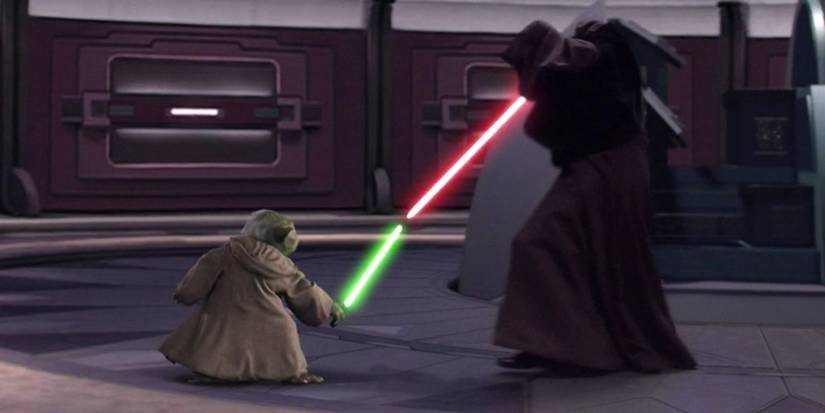 Image via Lucasfilm
Star Wars: Episode III – Revenge of the Sith resolves many of the pacing problems in its predecessors and brings the prequel story to its central turning point: Anakin Skywalker’s fall and transformation into Darth Vader. Hayden Christensen gives a stronger performance, while Ewan McGregor brings energy to the climax.
The film features striking action and moves more briskly, but several character decisions feel illogical, especially the end of Anakin and Padmé’s relationship. Natalie Portman works to give Padmé depth, but the script sidelines her.
6
‘Solo: A Star Wars Story’ (2018)
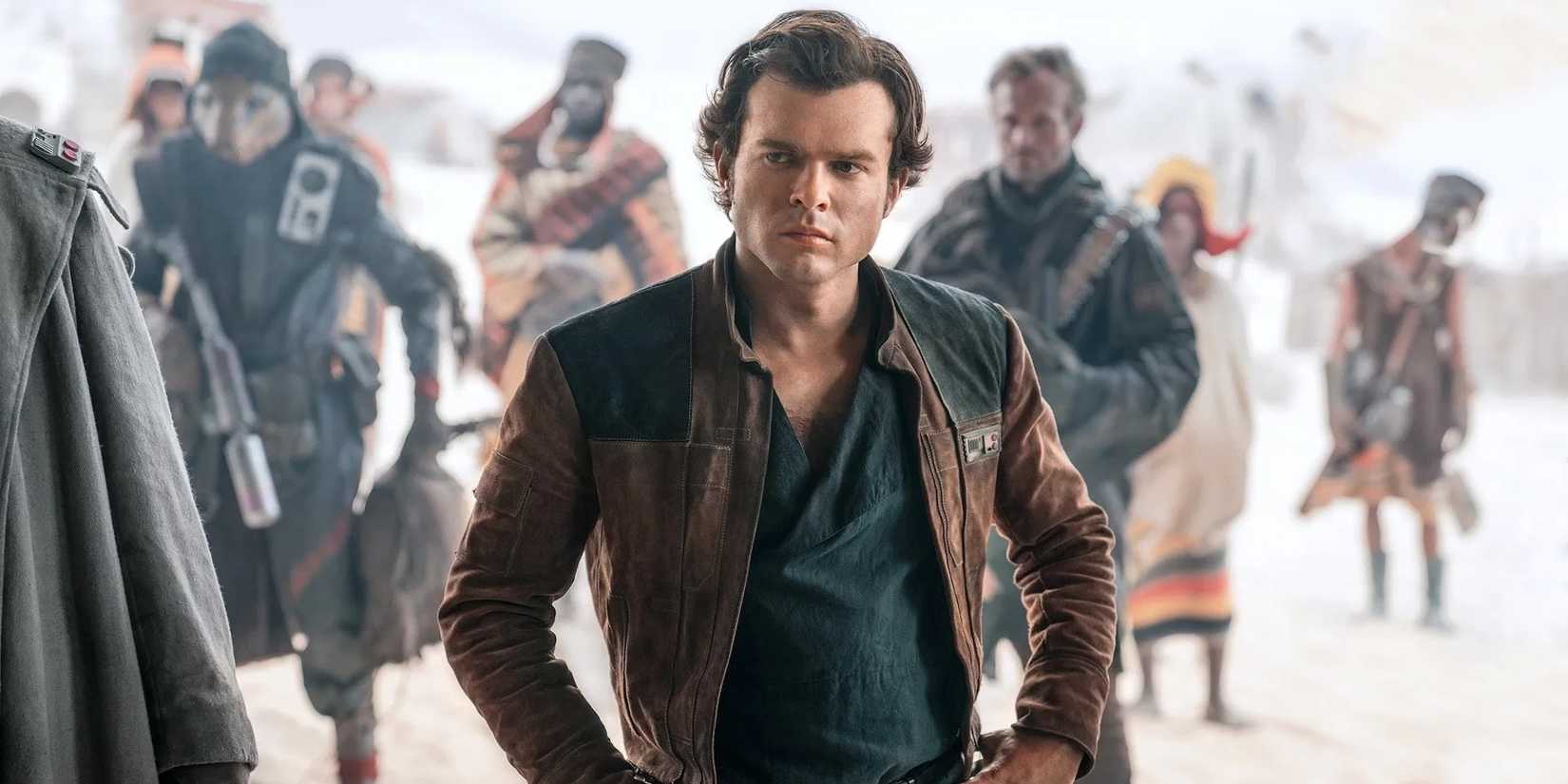
Image via Walt Disney Studios Motion Pictures
Solo: A Star Wars Story is one of the saga’s most underrated films, in part because some viewers rejected Alden Ehrenreich as Han Solo. Ehrenreich plays a younger, more idealistic and trusting version of the character rather than imitating Harrison Ford.
The movie works as a low-stakes heist adventure with Western influences, sharp dialogue, and action scenes that explore the galaxy beyond the Force. Its weaknesses include conspicuous callbacks, especially the appearance of Darth Maul (Sam Witwer).
5
‘Star Wars: The Force Awakens’ (2015)
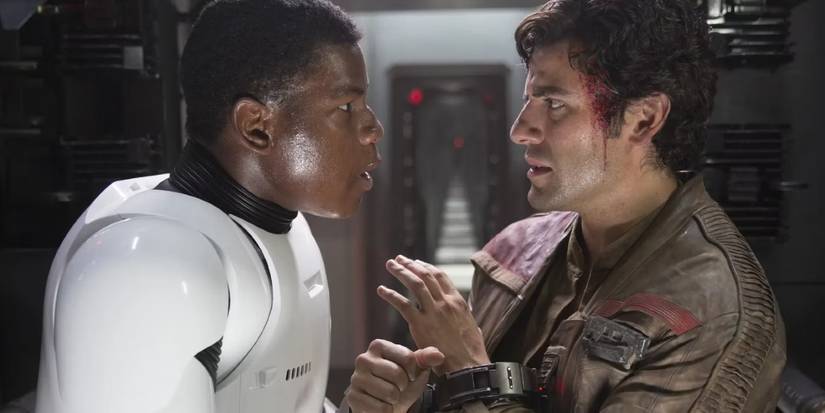 Image via Lucasfilm
Star Wars: The Force Awakens revitalized the franchise by echoing the original film while introducing a new generation of characters. The casting is a major strength: Daisy Ridley gives Rey youthful heroism, John Boyega brings humor and warmth to Finn, Oscar Isaac makes Poe charismatic, and Adam Driver gives Kylo Ren dramatic weight.
J.J. Abrams builds intrigue and maintains a steady pace. The film’s momentum also makes Harrison Ford’s return as an older Han Solo especially affecting.
4
‘Star Wars: The Last Jedi’ (2017)
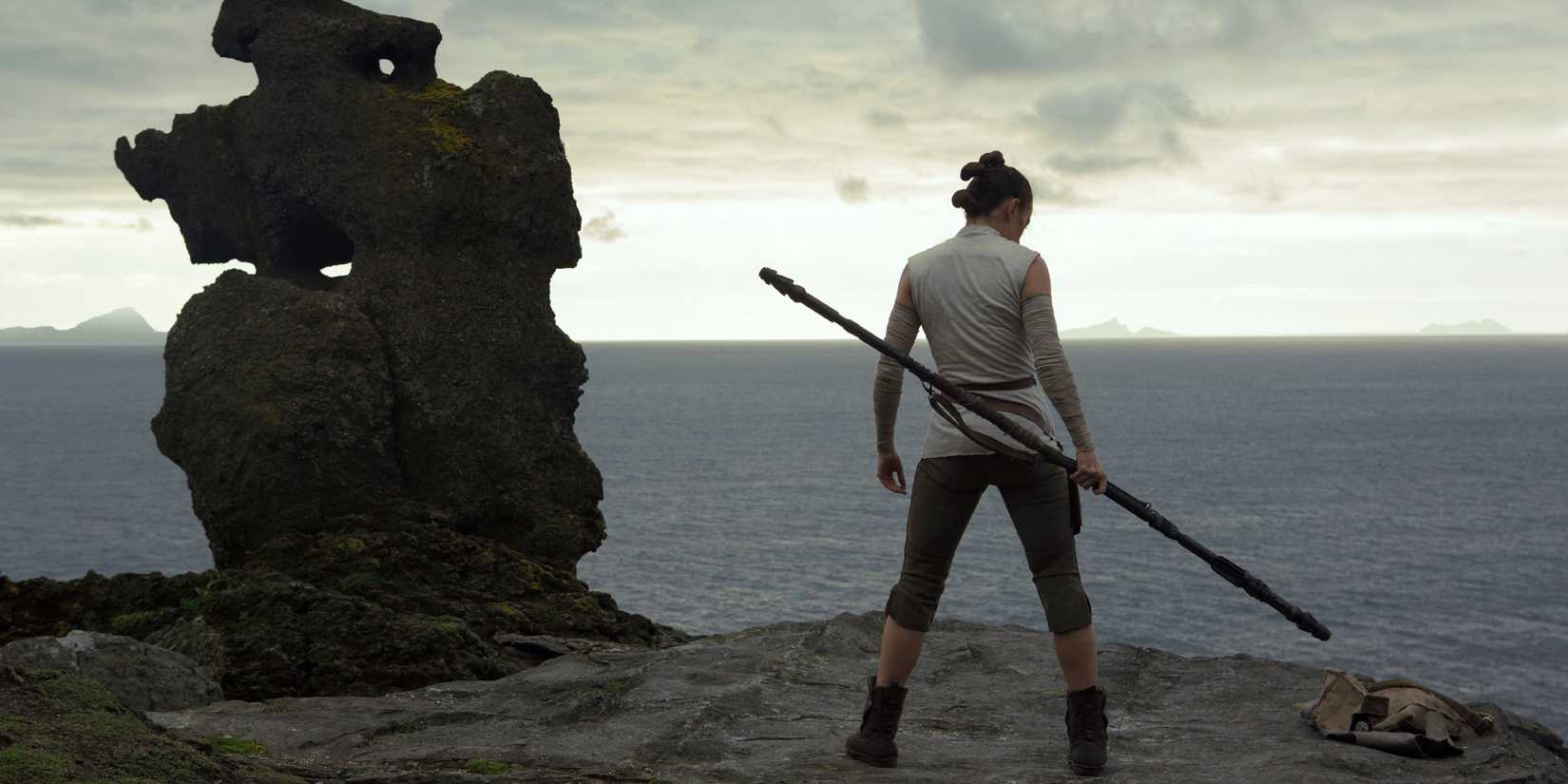
Image via Walt Disney Studios Motion Pictures
Star Wars: The Last Jedi continues the sequel trilogy’s parallels with the original films by placing Luke Skywalker (Mark Hamill) in a position resembling Obi-Wan Kenobi (Alec Guinness) and Yoda (Frank Oz) after their defeats. The story makes renewed hope in the face of darkness central, while Ben Solo introduces questions about balance that the saga had not previously explored.
Rian Johnson brings a distinctive visual approach, using striking locations and fluid action. The final confrontation on Crait is one of the film’s most visually memorable sequences.