When future readers look back at the dawn of the 21st century, what <em>books </em> are they going to read first? Below is a curated selection of written works published between 2001 and 2009 that should stand the test of time and be regarded one hundred years from now as peak literature.
A few things to know about the entries here before getting started. Each book had its moment during the 2000s, achieving critical and/or commercial significance. Each has a lasting legacy to this day, but not all of them are nearly as widely read as they should be.
There are six novels here, two memoirs, and two works of non-fiction. There are some obvious choices and some surprising ones. And there are some noticeably absent titles. (For those of you interested in the methodology of these lists, we’ll pull back the curtain a little bit at the end of the article.)
The goal here is to create a map of the 2000s in books. A selection readers can turn to in order to catch a small sense of what it was like to be alive and reading in the first decade of the 21st century.
Erasure
Written By Percival Everett; Published In 2001
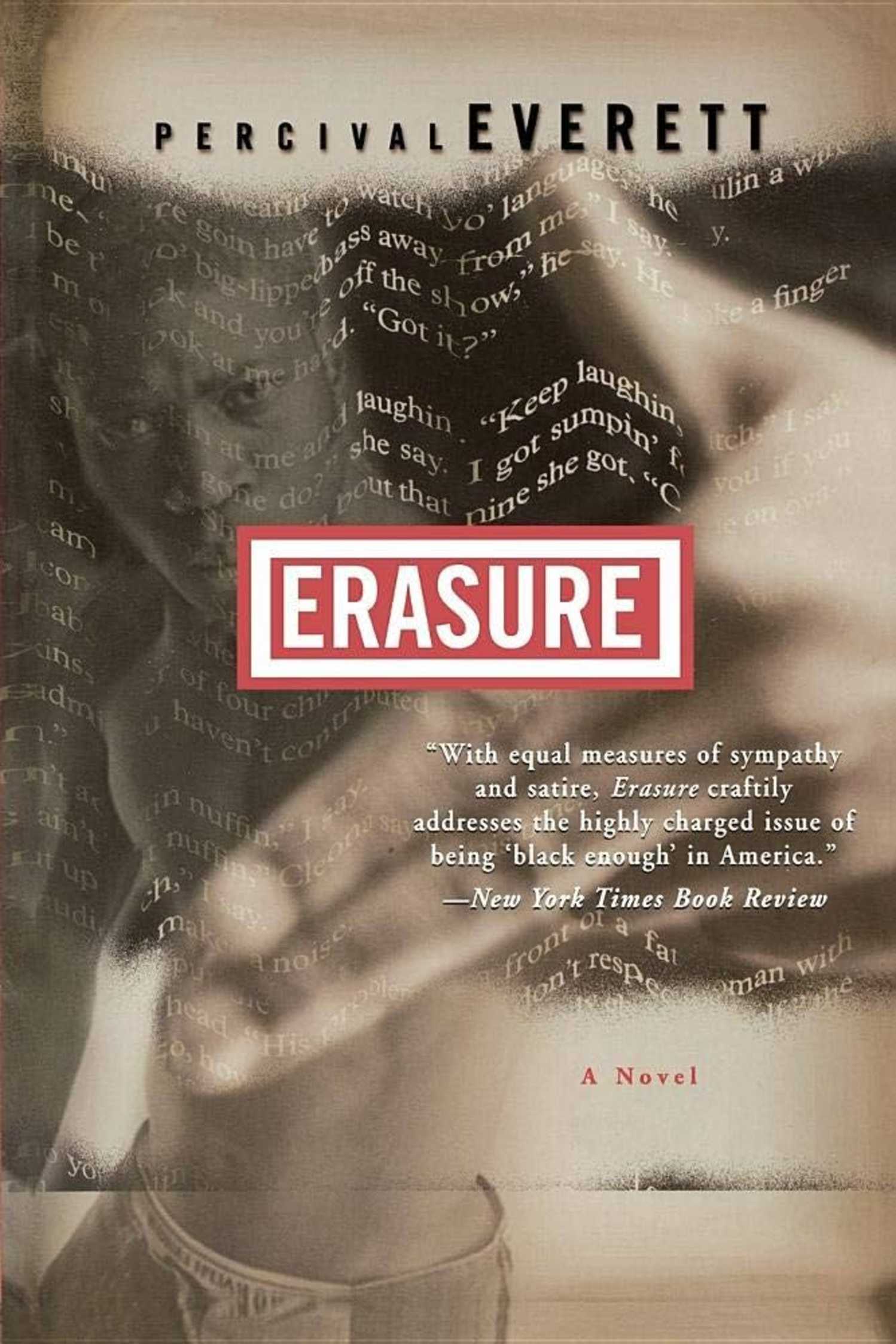
Erasure is the defining work of early 21st-century literary satire. Now, that doesn’t necessarily make it the greatest. “Greatest” is subjective and open to interpretation. By “defining,” we’re talking about a book that is undeniably great but which also came at precisely the right time to set the tone for an era. That’s what Percival Everett’s Erasure is: the tone-setter for the 2000s.
Erasure follows a black author of highbrow literary fiction struggling to make it as a writer who unwittingly finds success with a parodic caricature of a racist novel.
Everett’s novel is maddeningly funny, but it is also potently critical of how black art is treated in a predominantly white culture. Erasure is challenging, especially during its novel-within-a-novel sections, but worth it for how profound it is and how much influence it had on the subsequent quarter-century of satire.
The Known World
Written By Edward P. Jones; Published In 2003
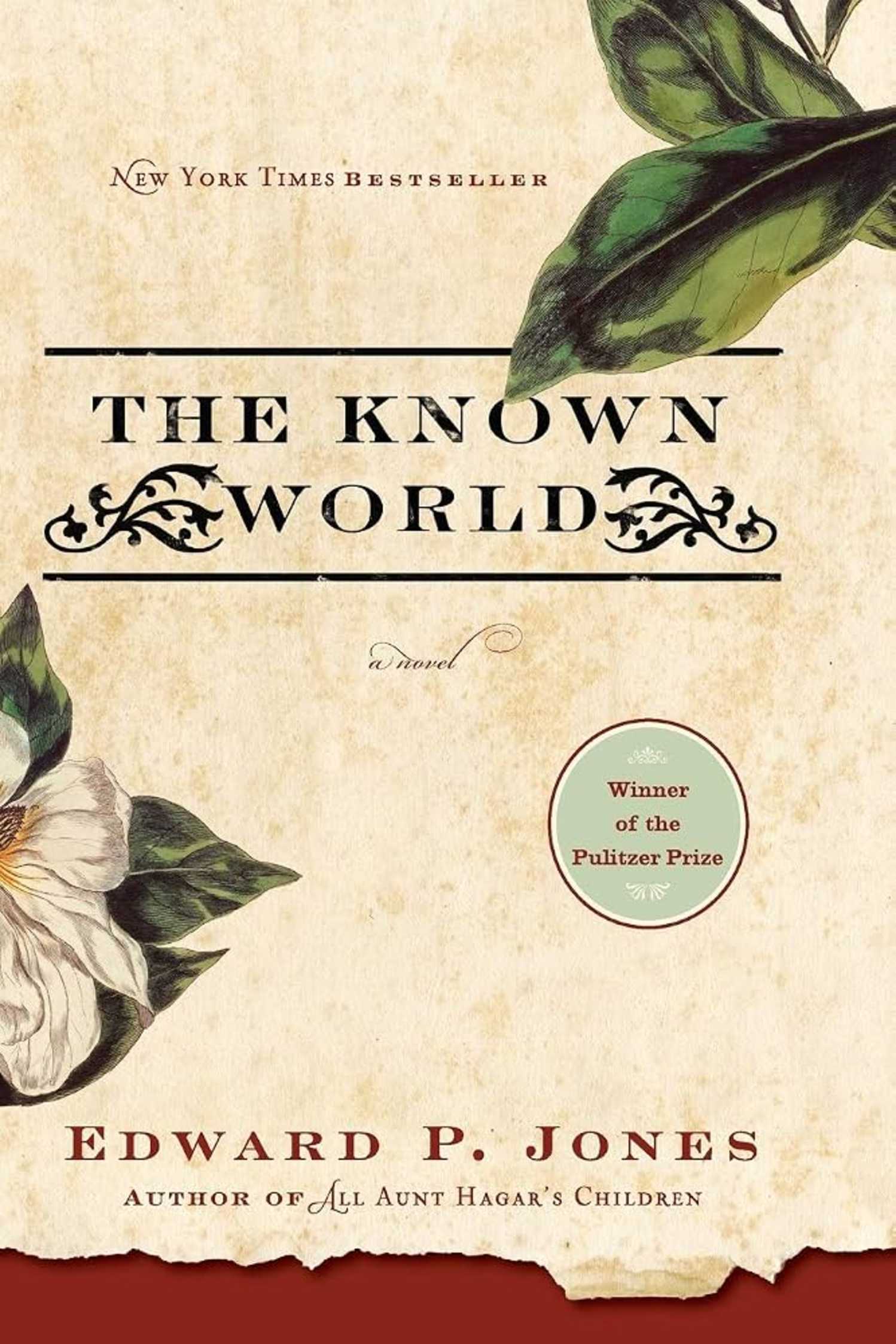
The Known World is a Pulitzer Prize winner and is widely regarded as one of the best novels of the 21st century. It is also representative of an essential literary genre: historical fiction. If we could only select one historical fiction from the 2000s to preserve for posterity, The Known World would be a consensus pick, though it would be a real “kill your darlings” decision to make.
The known world takes place in 1855 and centers on the life and death of Henry Townsend, a freed slave who later became a slave owner. The Known World doesn’t flinch away from its exploration of America’s racial history on a thematic level while Edward P. Jones’ prose and storytelling are fiction at its most flawless.
Jones’ novel was another milestone work of early 2000s fiction, one of the books that set a high bar for what literary achievement looks like in the 21st century.
The Kite Runner
Written By Khaled Hosseini; Published In 2003
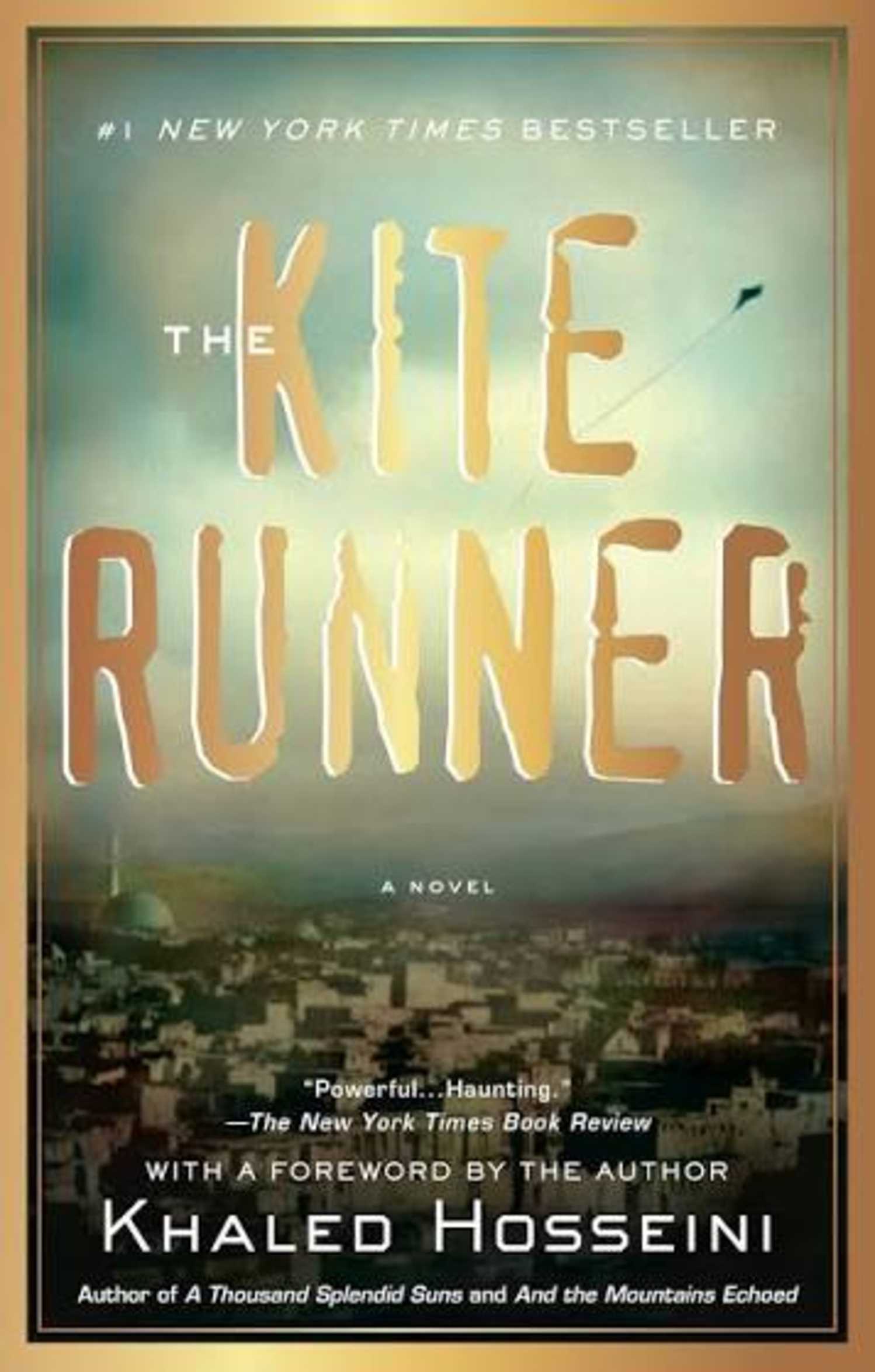
Aghan-American author Khaled Hosseini’s debut novel The Kite Runner came at a critical juncture in history. It was published less than two years after the United States’ invasion of Afghanistan following the 9//11 attacks in 2001 and just two months after the U.S. went to war in Iraq.
The Kite Runner’s coming-of-age story, set against the backdrop of the Soviet invasion of Afghanistan and the subsequent rise of the Taliban struck a chord with readers, and the book became a major bestseller.
Literature’s greatest power comes from bridging gaps—gaps between individuals, gaps between eras, and gaps between cultures. The Kite Runner gave readers worldwide a direct line into Afghan culture and proved to be an essential and emotionally intense book that bridged cultures at a time when it was desperately needed.
Extremely Loud & Incredibly Close
Written By Jonathan Safran Foer; Published In 2005
<img width ="1500 " height ="2344 " loading ="lazy " decoding ="async " alt ="Extremely Loud and Incredibly Close book cover " data-img-url =" https://static0.srcdn.com / wordpress / wp-content / uploads / 2026 /08/extremely-loud-and-incredibly-close-book-cover.jpg ? q =49 & ; fit = crop & ; w =750 & ; dpr =2 " src =" https://static0.srcdn.com / wordpress / wp-contentuploads //uploads //uploads //uploads //uploads //uploads //uploads //uploads //uploads //uploads //uploads //uploads //uploads //uploads //uploads //uploads //uploads //uploads //uploads //uploads //uploads //uploads //uploads //uploads //uploads //uploads //uploads //uploads //uploads //uploads//uploads//uploads//uploads//uploads//uploads//uploads//uploads//uploads//uploads//uploads//uploads//uploads//uploading…
Jonathan Safran Foer’s Extremely Loud &amp;amp;amp;amp;amp;amp;amp;amp;amp;amp;amp;amp;amp;amp;amp;amp;amp;amp;amp;amp;amp;amp;amp;amp;amp;amp;amp;amp;amp;</strong></strong></strong></strong></strong></strong></strong></strong></strong></strong></strong></strong></strong></strong></strong></strong></strong></strong></string></string>>>>>>>>>>>>>>>>>>>>>>>
15 Best Books Of All Time That Everyone Should Read
These essential entries in the literary canon should absolutely be on everyone’s shelf each is a must-read that defines and defines its genre.
Extremely Loud embodies that in a literary adventure that can only be described as “rollicking.” Foer’s prose, told from Oskar’s precocious POV, is joyously overzealous even when it is gut-wrenchingly sad. Few books are as aptly “of their time” as Extremely Loud &These essential entries in the literary canon should absolutely be on everyone’s shelf each is a must-read that defines and defines its genre..................
The collapse of Enron happened in December…